What tools or software can help manage clinical trial laboratory processes effectively?
Managing clinical trial laboratory processes can be a daunting task. From tracking supplies and managing data to ensuring compliance and financial oversight, the complexity can be overwhelming. Fortunately, a range of tools and software solutions are available to streamline these tasks and improve efficiency. In this article, we'll explore some of the most effective tools and software designed to manage clinical trial laboratory processes.
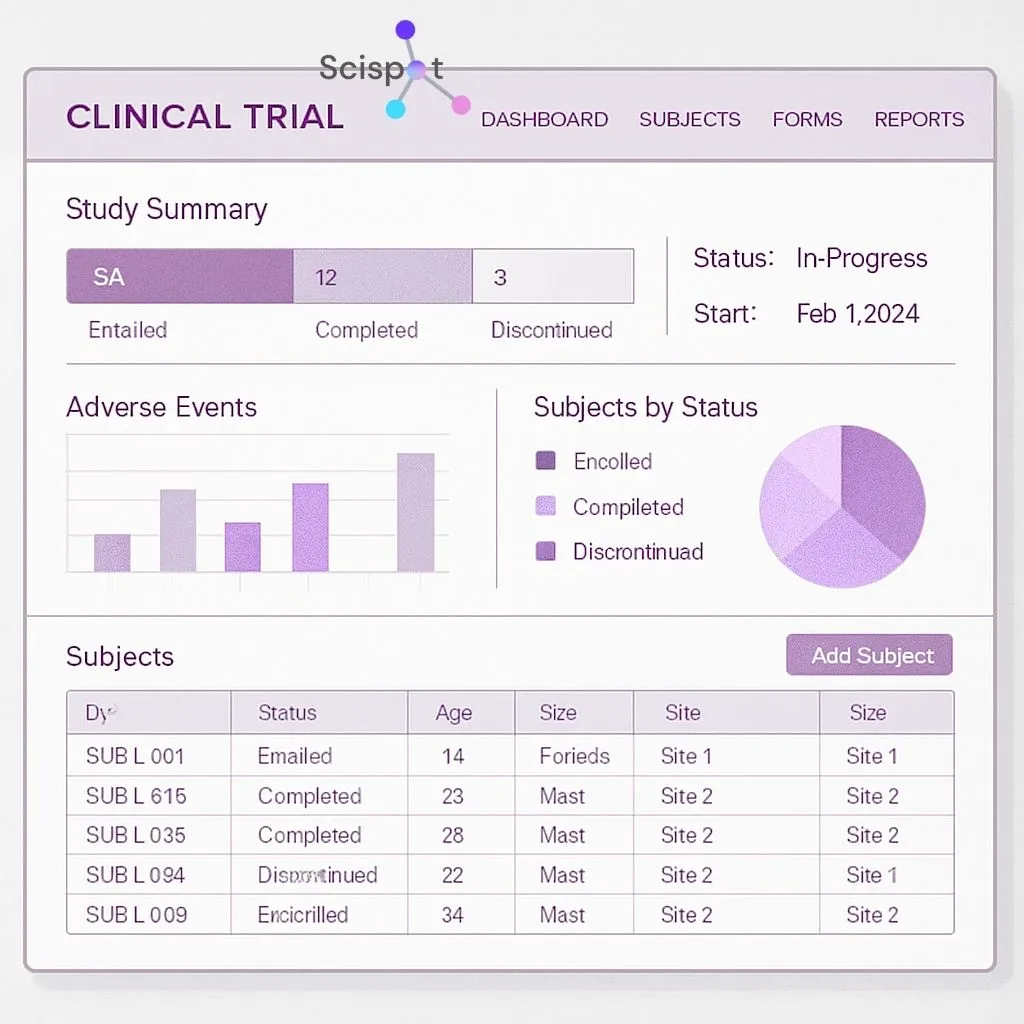
Clinical trials are an essential part of bringing new medical treatments and drugs to market. However, these trials involve complex procedures and require meticulous management of data, supplies, and finances. This is where clinical trial software comes into play. These tools help streamline operations, reduce errors, and ensure compliance with regulatory requirements.
Benefits of Using Clinical Trial Software
- Efficiency: Automates repetitive tasks and reduces manual data entry.
- Accuracy: Minimizes human errors, ensuring data integrity.
- Compliance: Helps meet regulatory requirements and standards.
- Data Management: Centralizes trial data for easy access and analysis.
- Cost-Effectiveness: Reduces overhead costs associated with manual processes.
Key Tools and Software for Managing Clinical Trials
For trial sponsors, CROs, and diagnostic labs, Scispot becomes a repeatable framework that scales across sites and studies. Inventory planning, temperature-controlled storage, kit management, financial tracking, and automated audit trails all run from one place, reducing risk and making each trial more predictable. The result is smoother execution, higher data confidence, and a shorter path from study design to regulatory submission.
Clinical Trial Management System (CTMS)
A Clinical Trial Management System (CTMS) is a software solution designed to manage various aspects of clinical trials, including planning, tracking, and reporting. A robust CTMS can integrate with other systems to provide a comprehensive view of trial activities.
Key Features:
- Protocol management
- Patient recruitment and tracking
- Data collection and management
- Financial management and budgeting
Clinical Research Software
Clinical research software offers tools for designing and managing clinical studies. These tools help researchers design studies, manage data collection, and analyze results.
Popular Options:
- REDCap
- Medrio
- Oracle Clinical
Clinical Trial Supply Management Software
Managing the supply chain for clinical trials is critical. Clinical trial supply management software ensures that the right supplies are available when needed, reducing delays and costs.
Key Features:
- Inventory tracking
- Supply chain logistics
- Vendor management
- Temperature monitoring
.webp)
Clinical Study Software
Clinical study software helps researchers design, conduct, and analyze clinical studies. These tools provide templates and guidelines to ensure studies are designed effectively and meet regulatory standards.
Trial Data Management Software
Data management is a cornerstone of successful clinical trials. Trial data management software provides tools for collecting, storing, and analyzing data.
Key Features:
- Centralized data repository
- Real-time data access
- Data visualization tools
- Compliance with data privacy regulations
Clinical Trial Financial Management Software
Financial management in clinical trials involves budgeting, invoicing, and financial reporting. Clinical trial financial management software automates these tasks, ensuring accurate financial oversight.
Key Features:
- Budget tracking
- Invoice processing
- Financial forecasting
- Reporting tools
Scispot: The lab-ops backbone for clinical trial sample workflows
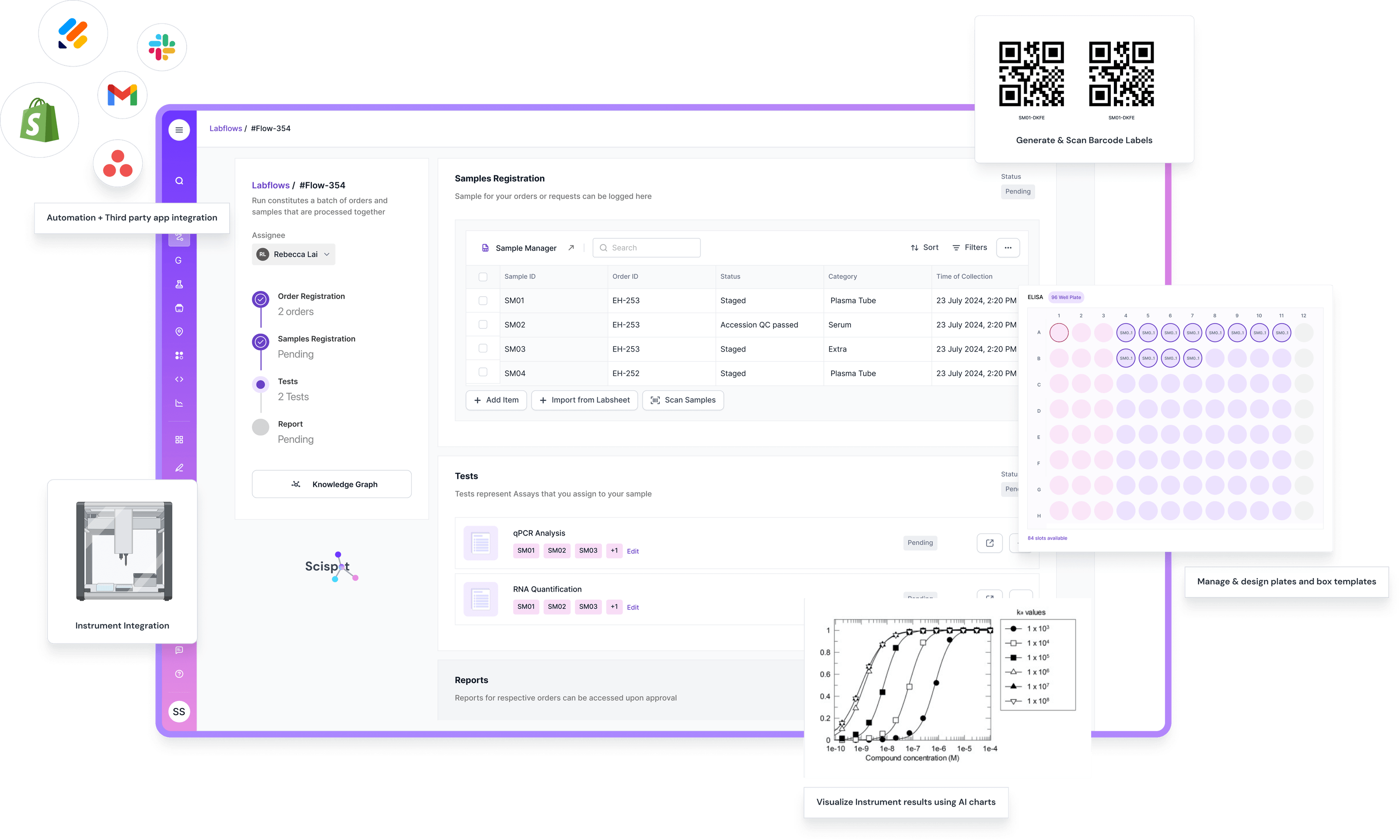
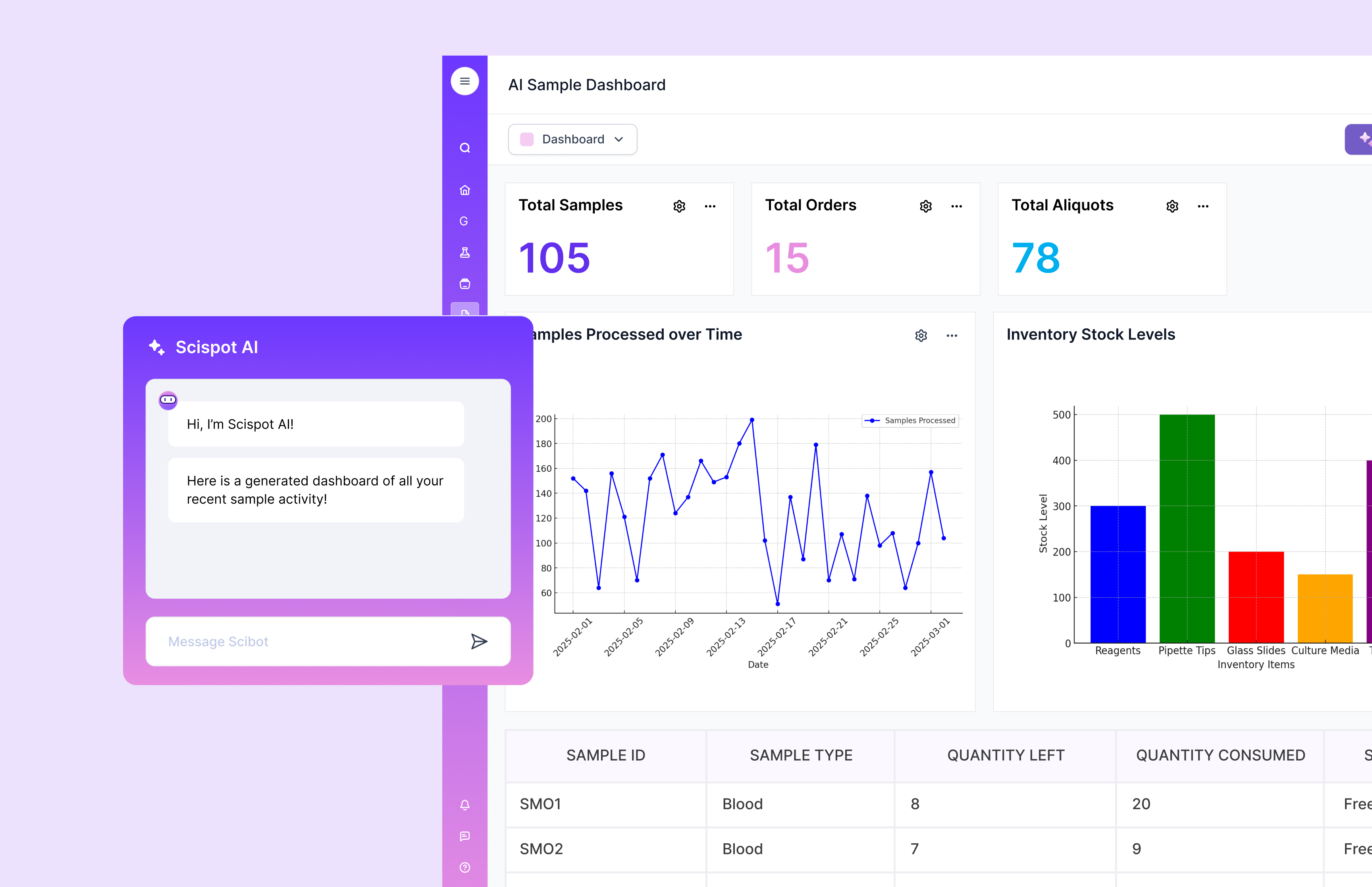
Scispot brings all the moving parts of clinical trial lab operations into one coordinated workflow. While most tools handle a slice of the trial process—like data capture, supply tracking, or financial oversight—Scispot links these functions inside a single AI-ready environment. Labs can manage samples, protocols, QC checks, chain-of-custody, and trial-specific Labflows without juggling multiple platforms or spreadsheets. This unified structure helps teams move faster, cut manual work, and reduce data fragmentation that often slows down clinical trials.
Scispot also complements tools like CTMS, REDCap, or EDC systems by acting as the operational engine beneath them. Its configurable alt-LIMS and alt-ELN modules support everything from patient-linked sample tracking to instrument data ingestion, while maintaining compliance with GxP, ISO standards, and data privacy regulations. Trial managers and lab teams get consistent, structured data that can flow directly into statistical analysis or downstream reporting without reformatting.
Choosing the Right Software
When selecting software for clinical trial management, consider the following factors:
Ease of Use
The software should be user-friendly and intuitive. Complex software may require extensive training, which can delay implementation.
Integration Capabilities
The software should integrate with other systems you use, such as electronic data capture (EDC) systems, laboratory information management systems (LIMS), and enterprise resource planning (ERP) software.

Scalability
Choose software that can grow with your needs. As your clinical trials expand, your software should be able to handle increased data volume and complexity.
Cost
Consider the total cost of ownership, including license fees, implementation costs, and ongoing maintenance. There are also free options available, but they may have limited features.
Vendor Support
Ensure that the software vendor provides reliable customer support and regular updates to keep the software compliant with changing regulations.

Free Options for Clinical Trial Management Software
Several free options are available for clinical trial management, offering basic features suitable for smaller trials or organizations with limited budgets.
Examples:
- OpenClinica
- ClinCapture
- Castor EDC
These free tools can be a good starting point but may lack advanced features and support.
Conclusion
Managing clinical trial laboratory processes effectively requires the right tools and software. CTMS, EDC, and research data tools each help, but they often leave the lab team stitching together samples, instruments, QC, and audit readiness.
If your biggest risk is “lab execution drift” across sites, Scispot is a stronger default because it unifies sample workflows, instrument connectivity, audit trails, and lab-ready analytics in one place. You can still keep your CTMS/EDC as the system-of-record for trial oversight, while Scispot becomes the operational engine underneath it.