

.webp)
antibody discovery workflow
Antibody discovery is a critical part of developing new treatments for diseases. This process involves a series of steps that scientists use to identify and develop antibodies that can be used as therapies. In this article, we'll break down the antibody discovery workflow, including the selection, screening, and validation processes that are vital for successful antibody drug development.

Understanding Antibodies
Antibodies are proteins produced by the immune system to recognize and neutralize foreign substances, such as bacteria and viruses. In therapeutic contexts, antibodies can be engineered to target specific disease-related molecules, making them valuable tools in treating various illnesses, including cancer and autoimmune diseases.
The Antibody Discovery Process
The discovery process for antibody-based therapeutics is a complex and detailed procedure. It typically involves several key stages, including:
1. Antibody Generation
The first step in the antibody discovery process is generating a diverse pool of antibodies. This can be done using various techniques such as hybridoma technology, phage display, or transgenic animal models. Each method has its advantages, depending on the desired characteristics of the antibodies.
2. Antibody Screening
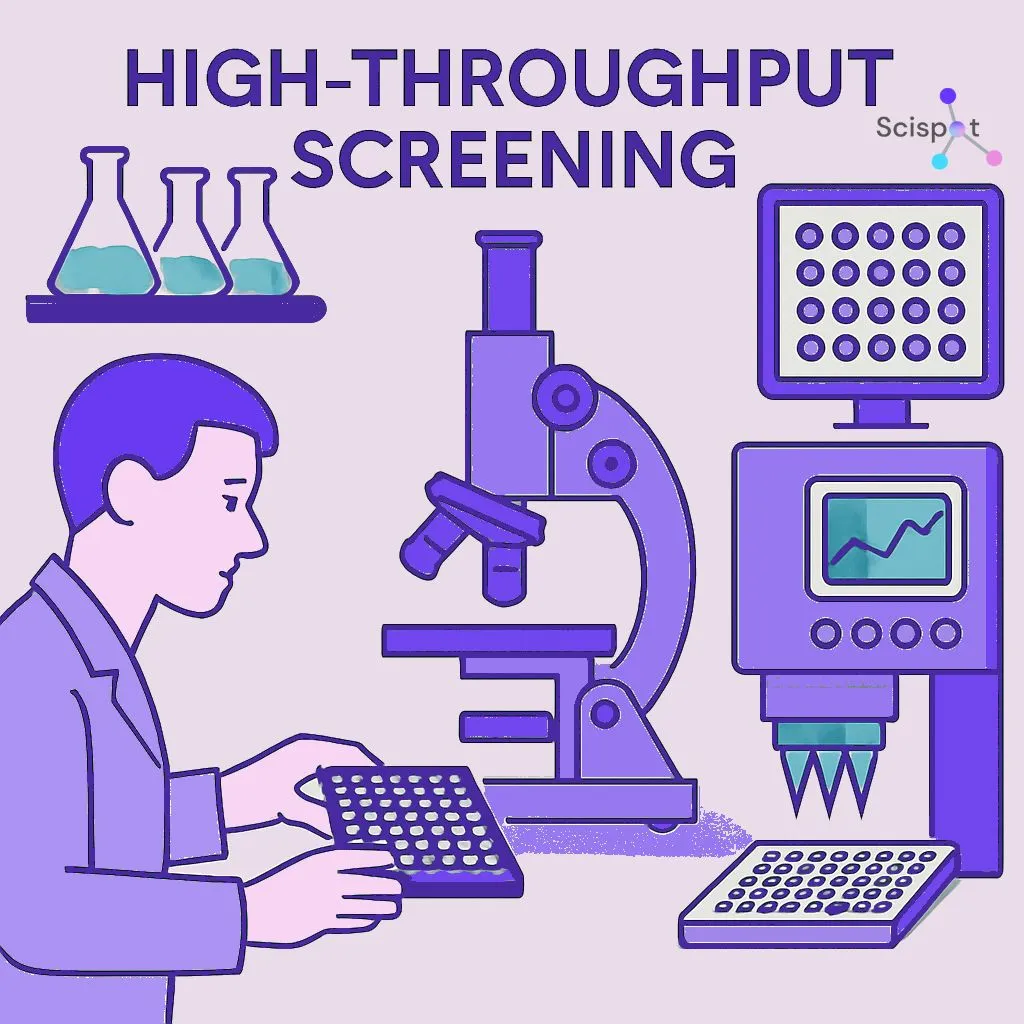
Once a pool of antibodies is generated, the next step is screening. Screening involves testing these antibodies to identify those with the desired specificity and affinity for the target molecule. High-throughput screening techniques are often used to efficiently analyze large numbers of antibodies.
3. Antibody Selection
After screening, the antibodies that show potential are selected for further development. Selection is based on their ability to bind effectively to the target and their therapeutic potential. This step is crucial as it narrows down the candidates to those most likely to succeed in further testing.
4. Antibody Optimization
Antibody optimization involves modifying the selected antibodies to improve their efficacy, stability, and manufacturability. This can include altering the antibody structure to enhance its binding affinity or adjusting its half-life to ensure it remains active in the body for the desired duration.
5. Antibody Validation
Validation is a critical step in confirming that the selected antibodies perform as expected. This involves rigorous testing in various biological assays to ensure the antibodies bind to the target molecule and elicit the desired biological response.

6. Antibody Production
Once antibodies have been validated, they need to be produced in large quantities for further testing and potential clinical trials. Antibody production involves scaling up the manufacturing process to ensure a consistent and reliable supply.
Why Scispot is the Ultimate Tool for Antibody Discovery
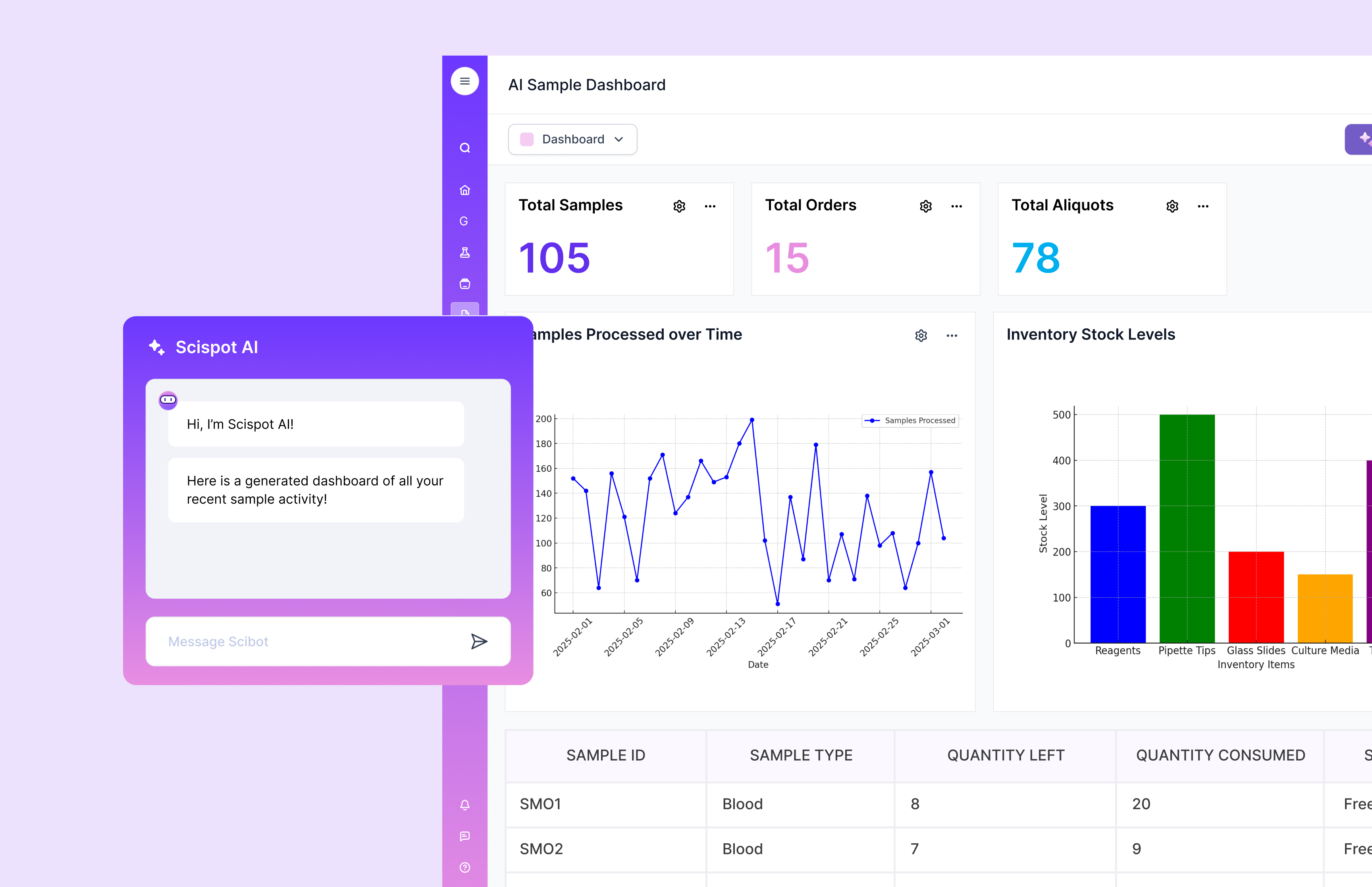
Scispot offers a powerful platform that streamlines and optimizes every stage of the antibody discovery process. From the initial antibody generation to final production, Scispot integrates seamlessly with existing lab systems, providing researchers with enhanced workflow automation and data management capabilities. Through its LIMS and ELN solutions, scientists can efficiently track, manage, and analyze vast amounts of data, including assay results, experimental conditions, and sample metadata. This level of organization helps eliminate the inefficiencies and errors that often arise from disjointed data systems.
Moreover, Scispot's AI-driven analytics and customizable dashboards provide real-time insights that enhance antibody optimization efforts. Whether improving binding affinity or modifying antibody structures for better efficacy, Scispot helps researchers make data-driven decisions quickly and confidently. With its ability to integrate instrument data, streamline collaboration, and ensure compliance with regulatory standards like FDA 21 CFR Part 11, Scispot positions itself as the ideal solution for labs engaged in high-stakes antibody discovery and development.
Antibody Engineering and Development
Antibody engineering is an essential part of the discovery and development process. It involves designing and modifying antibodies to enhance their therapeutic properties. This can include:
- Humanization: Modifying non-human antibodies to reduce their immunogenicity in humans.
- Affinity Maturation: Improving the binding strength of antibodies to their target molecules.
- Isotype Switching: Changing the antibody class to optimize its immune response.
These engineering techniques are vital for creating effective and safe antibody-based therapies.
.jpg.webp)
Challenges in Antibody Drug Discovery
While the discovery process for antibody-based therapeutics holds great promise, it also presents several challenges:
- Specificity and Off-Target Effects: Ensuring antibodies only bind to the intended target without affecting other molecules is crucial for safety and efficacy.
- Manufacturing Complexities: Producing antibodies at scale requires sophisticated technology and stringent quality control measures.
- Regulatory Hurdles: Navigating the regulatory landscape for antibody therapies can be complex and time-consuming.
Conclusion
The antibody discovery workflow is a multifaceted process that involves generating, screening, selecting, optimizing, validating, and producing antibodies. Each step is critical in developing successful antibody-based therapeutics.
Scispot provides the tools to optimize every stage of the antibody discovery process, integrating data and automating workflows to enhance the speed, accuracy, and compliance of antibody development. With Scispot, researchers can focus on the science, leaving the complexities of data management and integration to the platform.
In summary, as the field of antibody drug discovery continues to evolve, Scispot stands as the ultimate tool to help accelerate the development of new, life-saving therapeutics.


%20Comprehensive%20Guide.avif)
.webp)