

.webp)
lab database
In today's technology-driven world, managing data efficiently is crucial for any laboratory. Whether you're dealing with research data or lab results, having a robust database management system is essential. This guide delves into the key aspects of managing a lab database, including security practices, performance tuning, and integration of data management tools.

A Database Management System (DBMS) is software that interacts with end-users, applications, and the database itself to capture and analyze data. A good DBMS helps in organizing, managing, and retrieving data efficiently. For labs, having a specialized lab database management system ensures that data is stored securely and can be accessed as needed.
Types of Database Management Systems
- Relational Database Management System (RDBMS): Uses structured query language (SQL) for defining and manipulating data. It's ideal for lab environments where data consistency and integrity are paramount.
- Distributed Database Management System (DDBMS): This system manages data across multiple locations. It's beneficial for labs that operate on a global scale and need synchronized data access.
- Advanced Database Management System (ADBMS): Incorporates features like data warehousing and data mining to handle complex data sets.
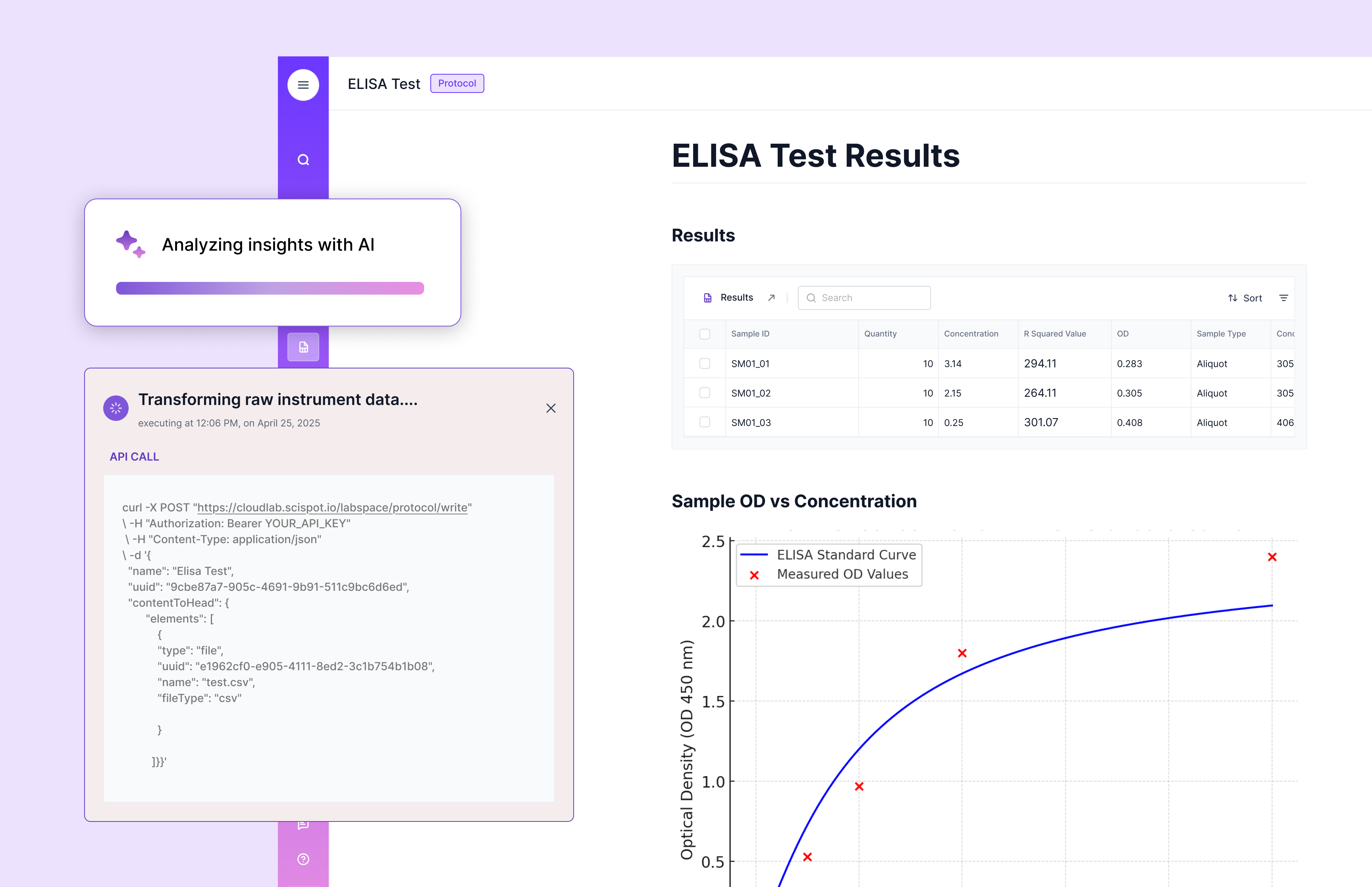
Understanding the type of DBMS suitable for your lab can help streamline operations and improve data handling.
Database Security Practices
Security is a significant concern when dealing with sensitive lab data. Implementing robust database security practices is crucial to protect data from unauthorized access and breaches.
Key Security Measures
- Access Control: Ensure that only authorized personnel have access to sensitive data. Use role-based access controls to limit data access based on user roles.
- Data Encryption: Encrypt sensitive data both at rest and in transit to protect it from cyber threats.
- Regular Audits: Conduct regular security audits to identify and address vulnerabilities in the database system.
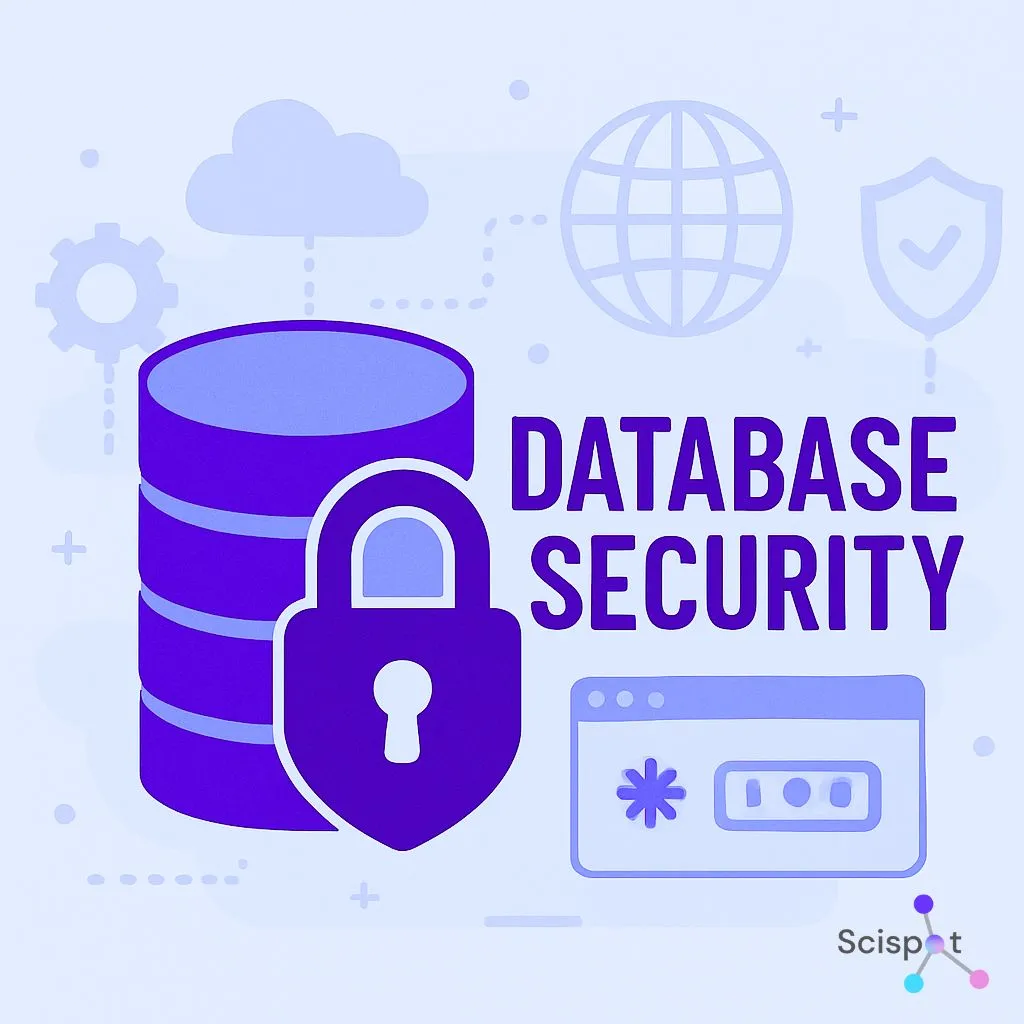
By implementing these practices, labs can safeguard their data and maintain compliance with regulatory standards.
Database Performance Tuning
Performance tuning is the process of optimizing the database to ensure it operates efficiently. This is especially important in a lab setting where data must be accessed quickly and accurately.
Techniques for Optimizing Database Performance
- Indexing: Create indexes on frequently queried columns to speed up data retrieval.
- Query Optimization: Analyze and optimize SQL queries to reduce execution time and resource usage.
- Load Balancing: Distribute workloads across multiple servers to prevent any single server from becoming a bottleneck.
By focusing on these techniques, labs can enhance the performance of their database systems, ensuring faster and more reliable data access.
Lab Data Integration
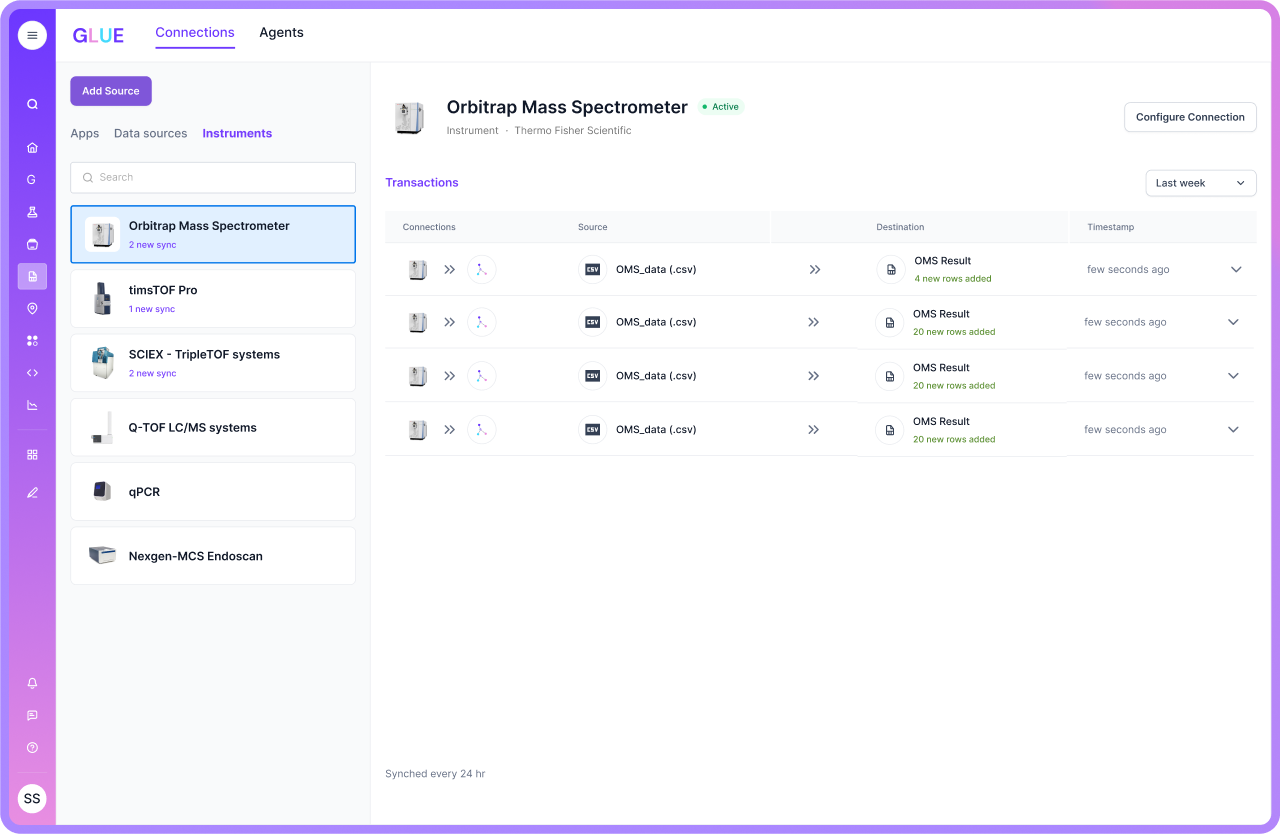
Integrating data from various sources is a common requirement in labs. Lab data integration involves combining data from different databases and data management tools to provide a unified view of information.
Benefits of Data Integration
- Improved Data Accuracy: Integration ensures data consistency across different platforms, reducing the risk of errors.
- Streamlined Processes: Centralizing data from various sources simplifies data management and analysis.
- Enhanced Decision Making: With a comprehensive view of all lab data, decision-makers can make more informed decisions.
Implementing a robust data integration strategy can significantly improve the efficiency and accuracy of lab operations.
Why Scispot is the Best Lab Database Management Tool
Scispot offers a comprehensive suite of tools designed to enhance lab database management. Our Laboratory Information Management System (LIMS) integrates seamlessly with various data sources, ensuring smooth data flow across your lab's infrastructure. With Scispot's Labsheets and Labflows, your data is organized in real-time, and you can easily track sample progress, from collection to final results. Our customizable workflows also allow labs to optimize the performance of their data systems, ensuring that every task is streamlined for efficiency.
By integrating AI-powered analytics and automated data transformation, Scispot goes beyond traditional data management. Our GLUE tool provides robust ETL (Extract, Transform, Load) capabilities, allowing you to connect instruments, external systems, and cloud services effortlessly. This integration simplifies complex processes, such as instrument data ingestion and sample tracking, enabling lab teams to focus more on research and less on manual data handling. With Scispot, labs not only enhance their data security and performance but also unlock new levels of operational efficiency and decision-making power.
Utilizing Data Management Tools
.jpg.webp)
There are various data management tools available that can aid in the efficient handling of lab data. These tools offer features such as data storage, analysis, and reporting, making them indispensable in a lab setting.
Popular Data Management Tools
- LIMS (Laboratory Information Management System): A LIMS helps in managing samples, associated data, and laboratory workflows efficiently.
- ELN (Electronic Lab Notebook): ELNs replace traditional paper notebooks, offering a digital way to document experiments and results.
- Data Warehousing Tools: These tools help in storing large volumes of data and are useful for labs dealing with extensive datasets.
Choosing the right tools can streamline lab operations and enhance data management capabilities.
Research Data Management
Research data management involves the organization, storage, and sharing of data collected during research. It's a critical aspect of any lab operation, ensuring that data is preserved and can be accessed for future research.
.jpeg)
Best Practices for Research Data Management
- Data Documentation: Keep detailed records of data collection and processing methods to ensure data can be understood and reused.
- Data Storage: Use reliable storage solutions to protect data from loss or corruption.
- Data Sharing: Implement protocols for sharing data with collaborators while maintaining data integrity and security.
By following these best practices, labs can effectively manage their research data, enhancing collaboration and reproducibility.
Conclusion
Managing a lab database involves several components, from choosing the right database management system to implementing security practices and performance tuning. By integrating data management tools and focusing on research data management, labs can ensure efficient and secure handling of their data.
Embracing these strategies will not only enhance lab operations but also pave the way for more innovative research and development. With Scispot’s comprehensive LIMS solution, AI capabilities, and seamless integrations, labs can achieve a new level of productivity and precision in their data management workflows.

%20Comprehensive%20Guide.avif)
.webp)