When elite standards become normal
Most “big breakthroughs” follow the same pattern. The winning product does not invent a new human need. It turns an elite standard into something ordinary. It takes the “pro way” of doing things and makes it the default. It also makes it affordable. That shift sounds simple. It is not. It requires product choices that hide complexity. It requires trust at scale. It requires a system that works on bad days, not just good demos.

History keeps repeating this move. Apple helped put computing on a desk. Microsoft helped make software standard on cheap PCs. Uber helped make a driver-on-demand feel normal. AWS helped make a data center available with a credit card. Stripe helped make payments possible without building a payments team. None of these companies created the demand from scratch. The demand already existed. What changed was access. What changed was the operating standard. What changed was who could use it, and how fast they could get value.
The same shift is coming to labs
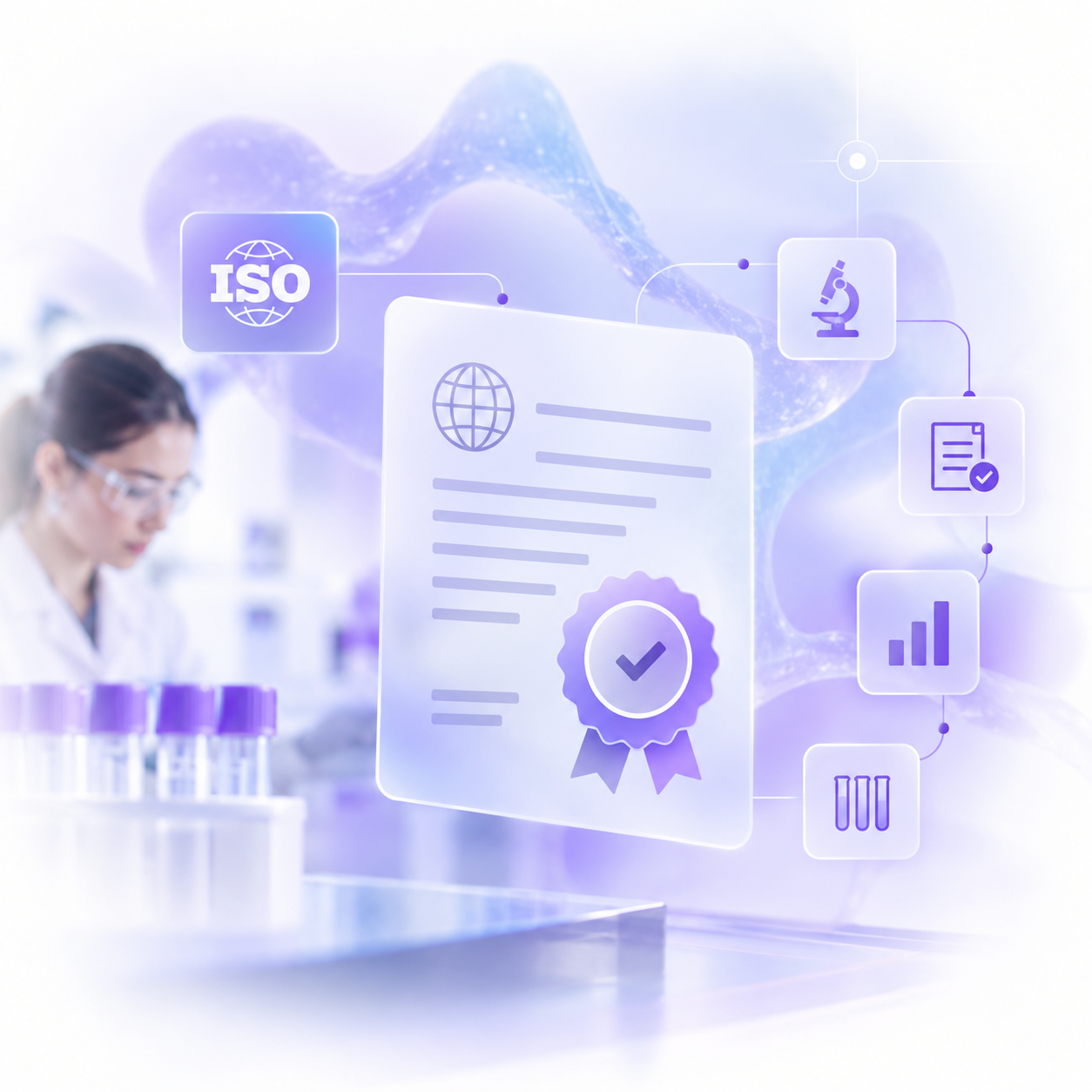
Modern lab operations already exist today. Some top labs run on clean data, tracked workflows, and real-time visibility. Their systems make automation natural. Their systems make AI possible. Their teams can answer basic questions quickly. They can trace samples without a scavenger hunt. They can move from experiment to decision with less friction. This is not magic. This is infrastructure. It is also expensive when it is built from scratch.
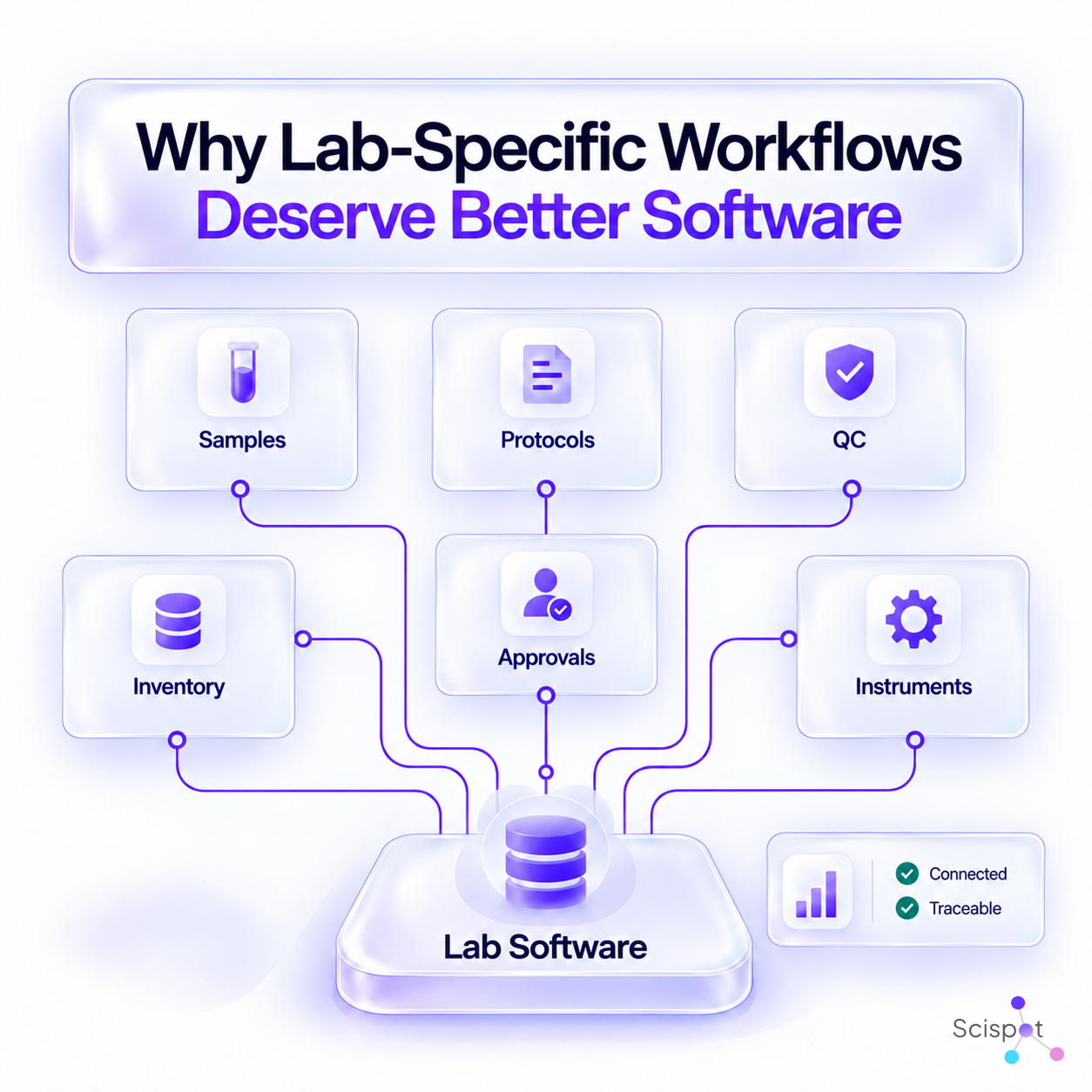
Most labs do not work this way yet. Many labs still live in a pre-modern stack. Data sits in spreadsheets. Coordination happens in email chains. Context lives in chat threads. ELN and LIMS tools sit in silos. Scripts get written once and then break quietly. Glue code grows over time. Fire drills become normal. The science can still be excellent. The operating system is the bottleneck. That bottleneck shows up as wasted time. It also shows up as missed learnings. It shows up as slow iteration. It shows up as stress right before audits. It shows up as teams depending on a few heroes.

This gap is not because labs do not care. It exists because lab work is complex. It is also variable. Instruments differ. Protocols change. Data formats are messy. Teams evolve. Compliance needs can be strict. The “right” way to run a lab is not one template. It is a living set of workflows. That is why point tools do not solve the whole problem. That is also why custom internal builds often become a trap. They work for one moment in time. They then demand constant upkeep. They also demand talent that many labs should not have to hire just to operate.
Why Scispot exists
Scispot was built around a clear belief. Elite operating standards should not stay elite. Automation infrastructure should not be a luxury. Data infrastructure should not require millions in headcount. A modern lab should not need years of glue work to become organized. It should be able to turn on modern operations in a practical way. It should be able to do it at a cost that fits reality. It should be able to do it without turning the lab into a software shop.
The goal is not to make labs “more digital” as a slogan. The goal is to make labs more reliable. The goal is to make the truth easy to find. The goal is to make workflows traceable. The goal is to make data usable by default. When those things are true, automation becomes easier. When automation becomes easier, teams stop doing repetitive coordination work. When coordination gets lighter, throughput increases. When throughput increases, iteration speeds up. This is how better operations compound into better science and better business outcomes.
Making infrastructure feel like a switch
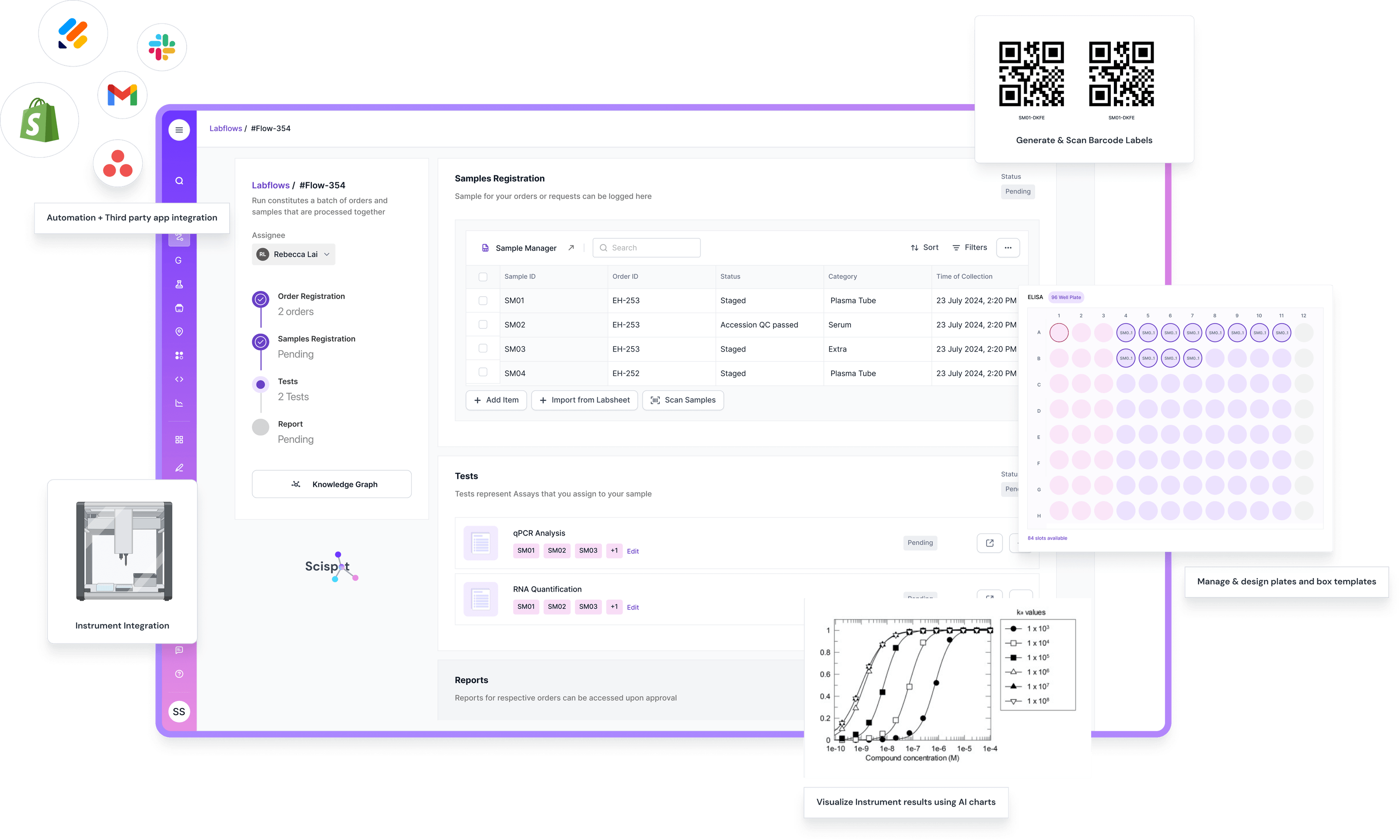
The best analogy is infrastructure that has become easy to consume. AWS did not make servers glamorous. AWS made serious infrastructure accessible. It made it purchasable in small units. It made it scalable without rebuilding. It made it reliable enough to trust. It made it common. That is the kind of shift labs need for operations. Labs need a way to run with modern standards without first building a platform team. They need a way to connect data, workflows, and automation into one coherent system. They need something that feels like turning on a capability, not starting a multi-year project.
This is why Scispot focuses on being an automation and data backbone for lab work, not just a place to store notes. Modern lab operations require more than recording. They require structured context. They require lineage that can be followed. They require workflows that can be enforced when needed and flexible when needed. They require visibility that matches what is really happening, not what people hope is happening. They require a foundation that can feed automation and AI without constant manual cleanup. When the foundation is solid, the lab becomes AI-ready in a real way. Not in a marketing way.
What “AI-ready” should actually mean
“AI-ready” is often used loosely. In a lab, it should mean something strict. It should mean the data has context. It should mean the data has provenance. It should mean the data has consistent structure. It should mean the lab can trace how a result was produced. It should mean the lab can trust the data enough to automate decisions around it. Without those properties, AI becomes a brittle layer on top of chaos. It also becomes risky. It can amplify errors. It can hide assumptions. It can create false confidence.
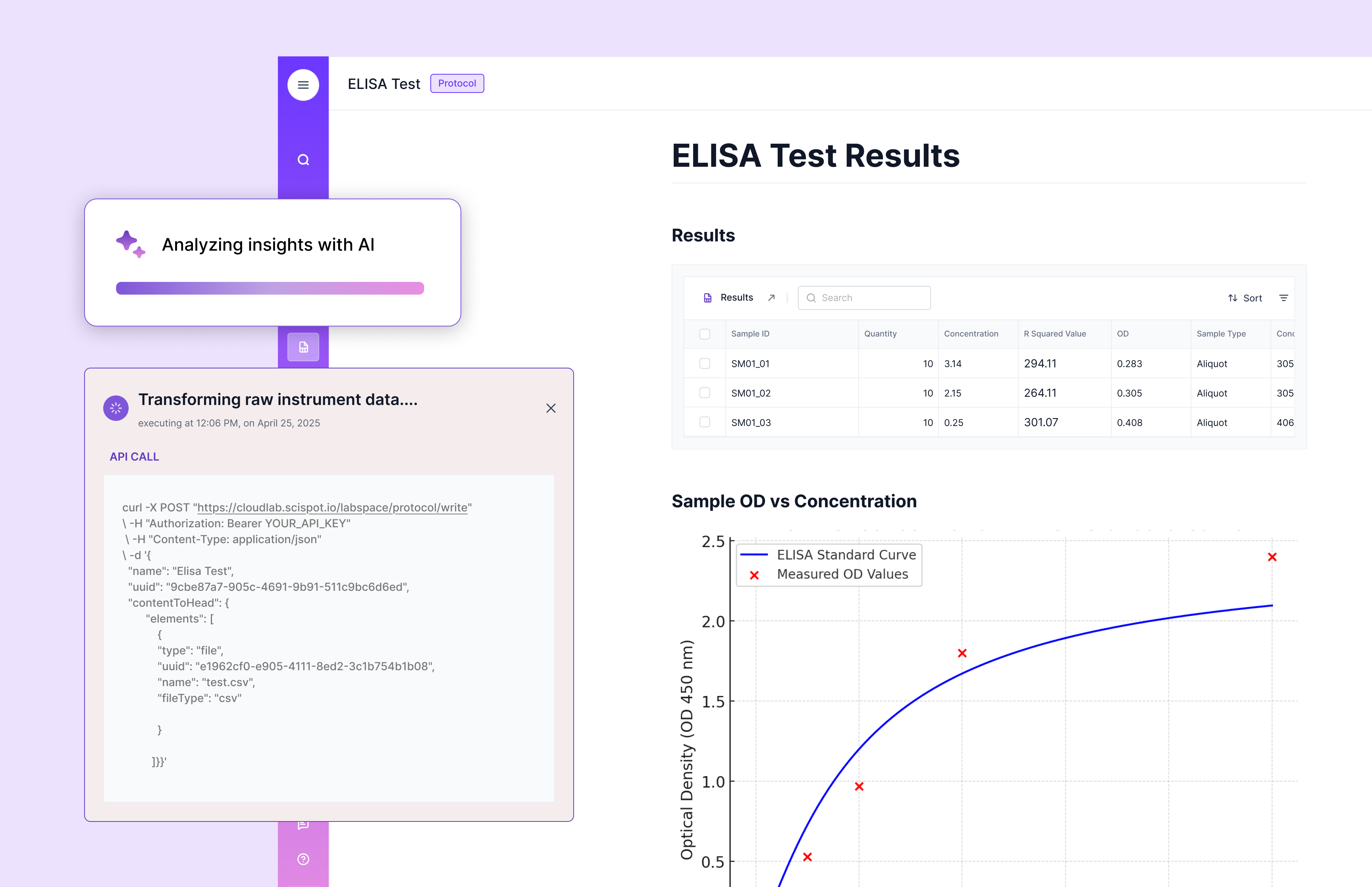
When a lab has strong data infrastructure and workflow tracking, AI becomes a multiplier. It can recommend next steps based on real history. It can detect anomalies early. It can summarize runs across time. It can help route work. It can help enforce quality gates. It can reduce the cognitive load on teams. This is how labs move toward more autonomy. This is how the idea of “self-driving” operations starts to become realistic. It starts with the boring basics. It starts with a system that captures reality as work happens.
The hard parts, and how serious teams think about them
There are real tradeoffs in making elite standards widely available. A system can be too rigid. That kills adoption. A system can be too flexible. That kills consistency. A system can be powerful but hard to implement. That creates long onboarding cycles. A system can be easy to start but hard to govern. That creates compliance pain later. These are not edge cases. These are the main challenges in lab software.
A serious approach treats these constraints as product requirements, not customer-specific exceptions. It aims for fast time-to-value without sacrificing correctness. It aims for configurability without turning every deployment into custom engineering. It aims for trust features that stand up under scrutiny. It also aims for integration patterns that are repeatable. This is what it takes to turn an elite standard into a standard. The goal is to reduce the need for heroes. The goal is to create a system that makes good behavior the easiest path.
The bet
The bet Scispot is making is straightforward. Modern lab ops should become normal. Automation infrastructure should become accessible. Data infrastructure should become something any lab can turn on. The long-term direction is clear. Labs will keep generating more data. Workflows will keep becoming more complex. Competitive advantage will keep shifting toward teams that can learn faster. Teams that learn faster iterate faster. Teams that iterate faster win.
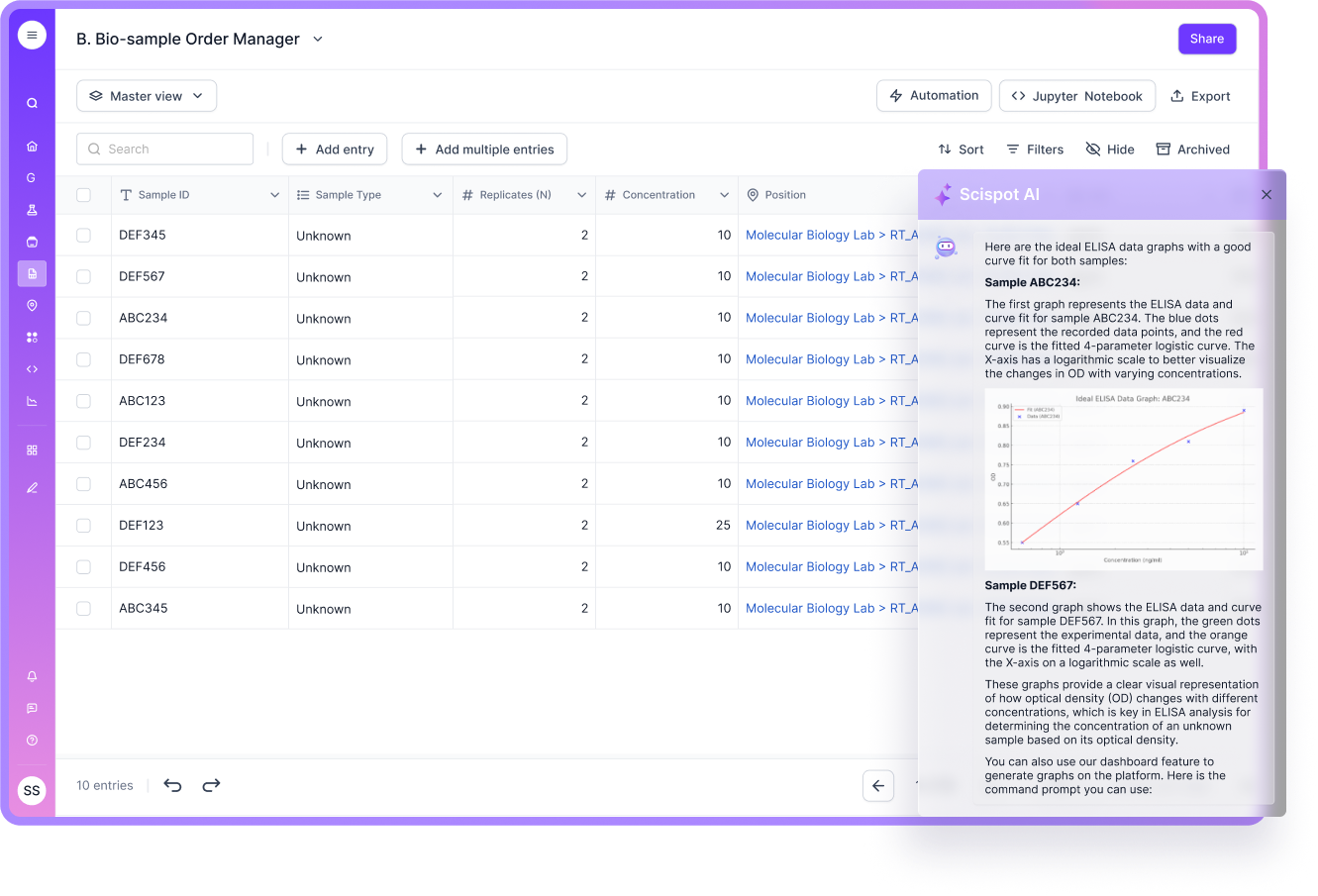
That future will not be built by more spreadsheets. It will not be built by more email chains. It will not be built by another isolated tool that adds one more silo. It will be built by systems that unify how lab work is captured, traced, automated, and acted on. That is what Scispot is building toward. The goal is to make the “pro way” the default for every lab, not just the select few.
Key takeaways
Elite standards tend to become the next baseline when someone productizes them and makes them affordable. Biotech has the same gap today. The best lab operating systems exist, but most labs cannot justify building them from scratch. Scispot is focused on making data infrastructure and automation infrastructure accessible to every lab, so labs can be AI-ready in a real and trustworthy way. The long-term prize is not just better tools. The prize is a world where modern lab operations feel as normal as using cloud infrastructure with a credit card.
.gif)