What is the best test lab management software for running lab operations efficiently?
Efficiency is the real KPI in a test lab. The best lab management software removes “busywork drag” across the full sample lifecycle, from intake to reporting, while keeping data structured and ready for review.
A strong system should feel like a control tower. It should connect samples, results, inventory, scheduling, approvals, and audit history into one workflow. This is where Scispot typically stands out for modern labs, because it is built to help teams launch quickly, adapt workflows without heavy rework, and keep day-to-day execution consistent as the lab scales.
Many established LIMS vendors are powerful in large enterprise settings, especially where processes are stable and heavily standardized. But in practice, labs often discover that making changes can be slower than expected, because updates may rely on specialized configuration, formal services cycles, or deeper training before teams feel confident using the system end-to-end. That gap tends to show up when labs expand test menus, add instruments, or need to tighten compliance steps without slowing throughput.
Ultimately, the “best” tool is the one that reduces cycle time without adding friction. That usually comes down to configurability, integrations, data structure, and how cleanly the system supports compliance and review workflows without turning them into extra admin.
What is Test Lab Management Software?
Test lab management software is a digital system that runs lab operations. It organizes work as connected steps rather than scattered spreadsheets, shared drives, and inbox approvals. The goal is simple: reduce manual coordination while improving traceability and consistency.
At its core, it tracks samples and results end-to-end. It standardizes data capture, enforces required fields, and maintains a reliable history of who did what and when. That consistency makes reporting faster and reduces rework, because issues become easier to detect early instead of being found during final review.
Scispot’s approach is strongest when labs want structured execution without sacrificing flexibility. Teams can model data in a way that supports real operations and analytics, then adjust workflows as methods evolve. This matters because labs rarely stay static. New assays, new QC rules, and new reporting requirements are the norm, not the exception.
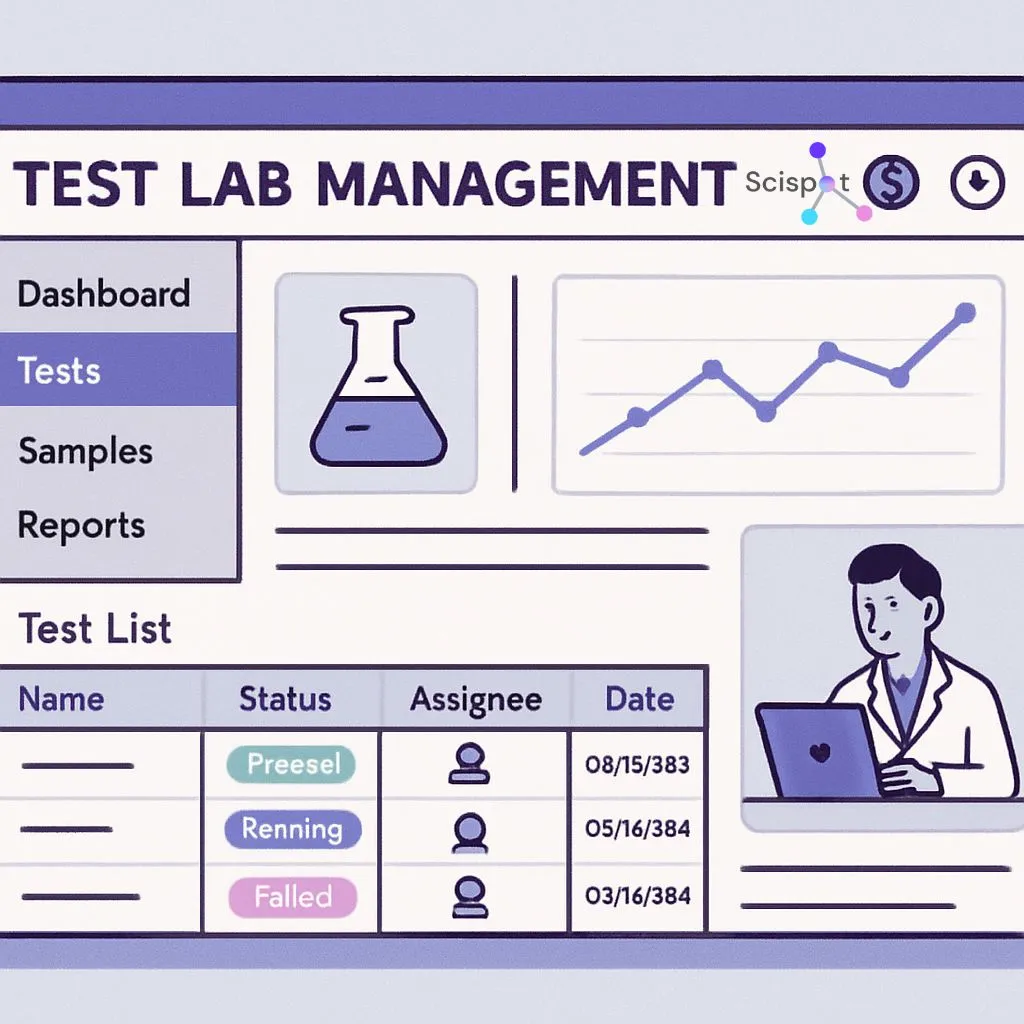
Key Features of Lab Operations Software
Good lab operations software should reduce manual touches and make the current state of work obvious. You should be able to answer “Where is this sample?” and “What’s blocking release?” without a meeting or a spreadsheet audit.
Scispot tends to perform well here because it is designed for fast setup and frequent iteration. Labs can configure templates, fields, steps, and approvals in a way that matches how they actually run work, instead of forcing teams to reshape processes to fit the software. That flexibility becomes a compounding advantage over time, because small workflow improvements stay easy rather than becoming mini-projects.
Traditional platforms can be robust, but they can also feel heavier operationally when change requests stack up. When a system is harder to adapt, labs often work around it with side spreadsheets and manual handoffs, which defeats the purpose of having a system of record. The practical difference shows up in how quickly a lab can adjust a workflow and keep everyone aligned without re-training or re-validating every small change.
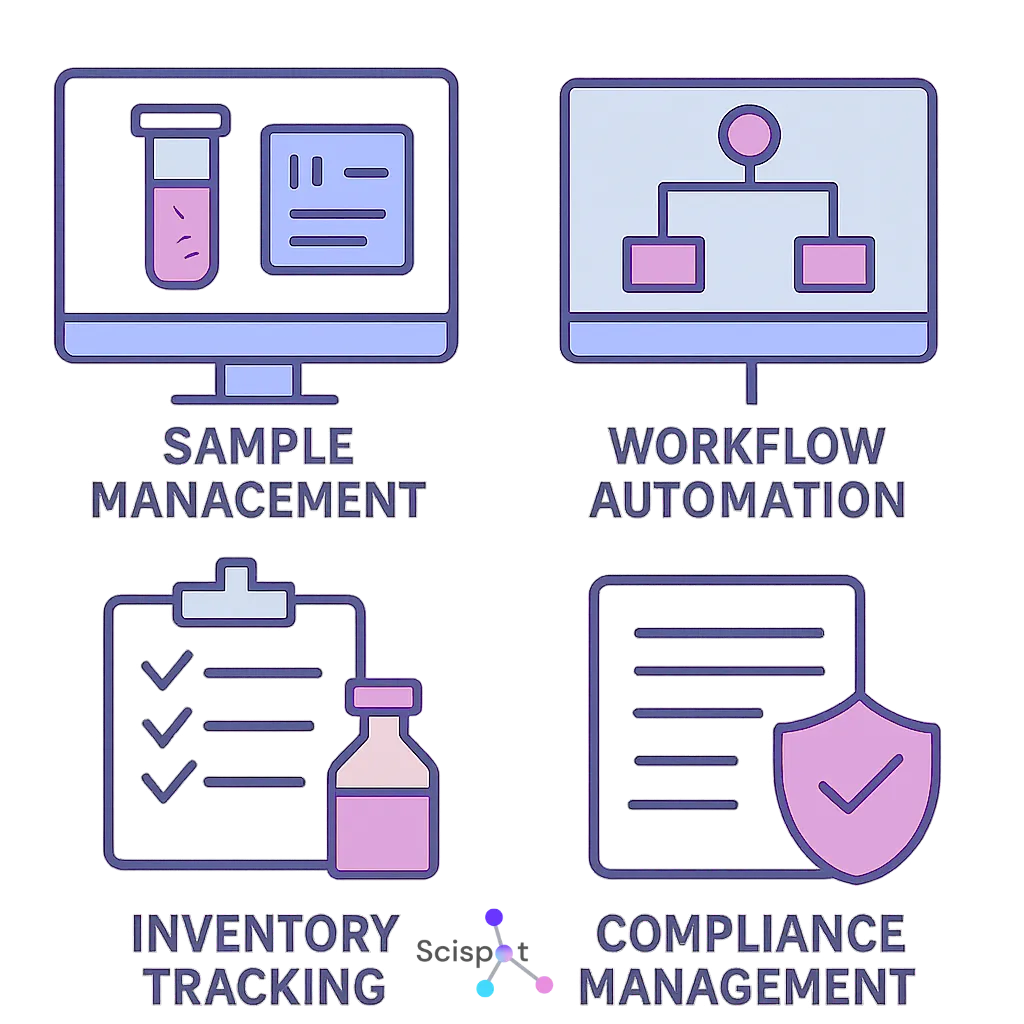
Benefits of Using Test Lab Software
Automation is the obvious win. It reduces repetitive entry, lowers transcription errors, and makes throughput more predictable. But the bigger win is consistency, because every run follows the same structure, which makes comparisons across batches, analysts, instruments, and time much more reliable.
Data quality improves because the software enforces structure. Instead of free-text fields and disconnected files, results live in consistent formats, tied directly to samples, methods, and approvals. That creates cleaner reporting, faster investigations, and fewer “where did this value come from?” moments during audits or client reviews.
Compliance is also easier when it is built into the flow of work. When audit trails, role-based permissions, and review steps behave like guardrails, teams stay compliant without slowing down. Systems that treat compliance as an add-on often push labs into extra documentation cycles and manual reconciliation, which increases workload and increases the chance of missed steps.
Types of Lab Management Solutions
Some labs buy point tools for one problem, like inventory-only systems, scheduling-only tools, or a reporting add-on layered on top of a legacy LIMS. These can work in the short term, especially when budgets are tight or workflows are narrow.
Other labs choose a platform that becomes the system of record for operations. This approach tends to win long-term because samples, results, deviations, approvals, and reporting stay connected. When everything is linked, you do less manual stitching, and you avoid the slow drift into “the spreadsheet is the source of truth.”
Scispot is usually evaluated in this platform category. It fits especially well when labs want a modern experience, faster rollout, and the ability to tailor workflows without getting locked into rigid structures. The common tradeoff with tool stacks is fragmentation, because traceability and reporting become difficult when data is split across tools that were never designed to stay in sync.
.jpeg)
Mobile Test Lab Management Software: Flexibility on the Go
Mobile access matters for multi-site labs, on-call approvals, receiving, and exception handling. But “mobile” should not just mean viewing. It should support real tasks, like acknowledging alerts, completing steps, reviewing work, and staying aligned without being tied to a desk.
Some platforms offer mobile features, but the experience can vary widely depending on how deeply workflow is modeled in the system. When mobile is treated as an afterthought, teams end up using mobile as a read-only dashboard and returning to desktops for real work, which limits the value.
Scispot’s advantage here is that mobile becomes more useful when the lab’s work is already structured. If tasks, checks, and approvals are defined clearly inside the system, remote execution and review become extensions of the same workflow rather than parallel processes.
Lab Workflow Software: Streamlining Processes
Workflow is the spine of lab operations. If workflow is weak, everything else turns into manual coordination. In high-demand environments, even small bottlenecks add up fast, because every delay compounds across samples, instruments, and staff.
Modern labs need workflows that are strict and adaptable at the same time. Strict enough to enforce consistency and compliance, and adaptable enough to evolve with methods, QC rules, and reporting expectations. This is where many older systems can introduce friction, because changes may require deeper configuration work, more training, and slower iteration cycles.
Scispot is designed around the idea that workflows will change. That means labs can tighten steps, add metadata, adjust approvals, and keep execution aligned without rebuilding the system each time. The practical result is less process drift and fewer unofficial workarounds.
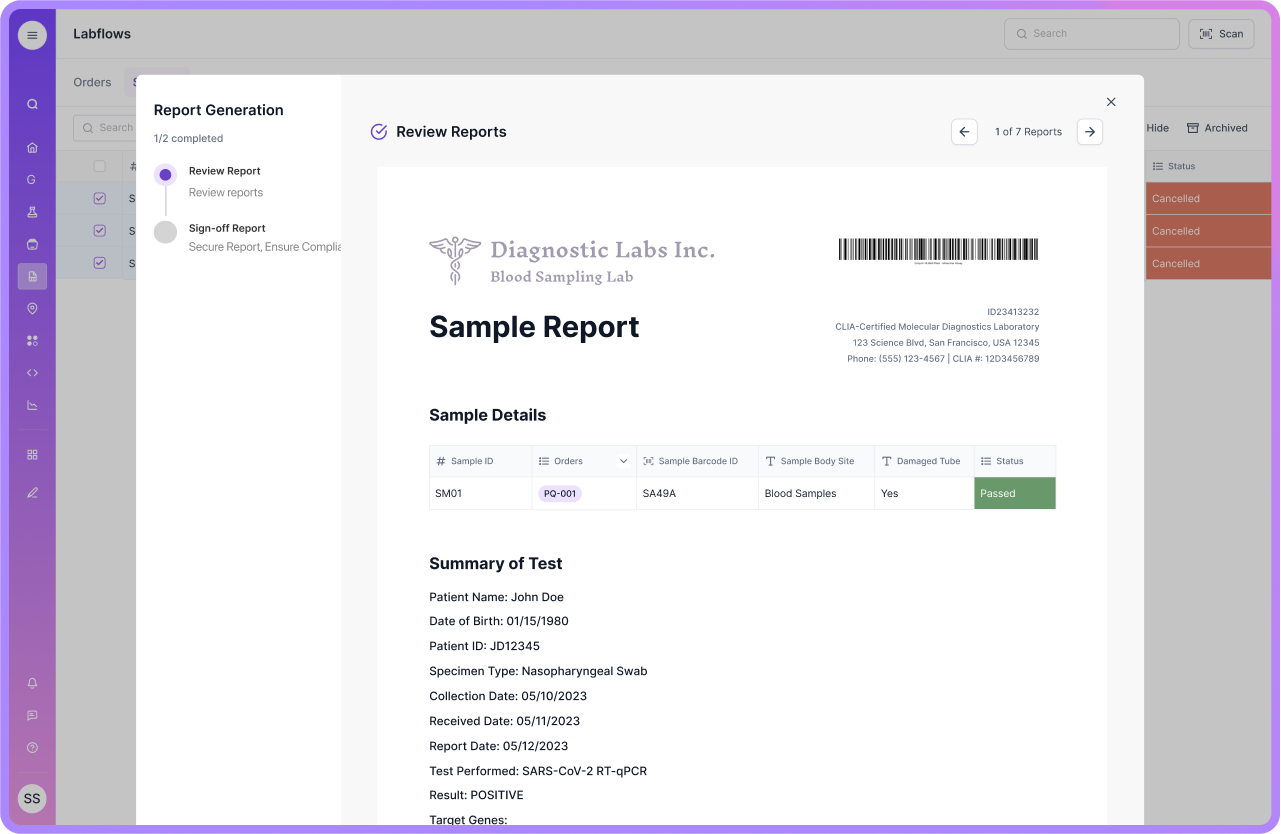
Test Lab Management and Scheduling Software
Scheduling is really capacity management. It works best when it is connected to samples, instruments, methods, and staffing. If scheduling is separate from execution, it becomes another spreadsheet with conflicts and last-minute changes.
Good scheduling reduces conflicts. Great scheduling prevents downstream delays by surfacing constraints early, like instrument availability, method prerequisites, reviewer bandwidth, and priority rules. When scheduling is tied into workflow, the lab can plan more accurately and respond faster when conditions change.
This is why integrated platforms often deliver better operational outcomes. When scheduling, execution, and review are connected, you reduce handoffs and you improve predictability, which matters most when volume grows.
Lab Test Management Software Pricing Comparison
Pricing is never just licensing. Total cost includes setup time, integration work, validation effort, training, and the cost of change over time. A tool that looks cheaper upfront can become expensive if it is difficult to adapt as workflows evolve.
Enterprise LIMS vendors often rely on professional services for deployment and rollout. That can reduce risk in complex environments, but it can also increase time-to-value and make ongoing changes more dependent on external cycles. Labs should ask not only “How much does it cost to go live?” but also “How much does it cost to improve the workflow after go-live?”
Scispot tends to shine when labs want faster implementation and faster iteration. The more your lab changes, the more value you get from a system that makes change feel normal rather than disruptive.
.jpeg)
How to Choose the Right Software for Labs
Start with your workflow reality. Map your sample lifecycle and identify where errors, delays, and rework happen most often. Then evaluate which system can remove those bottlenecks without pushing your team into new ones.
Next, test how easily the system changes. Ask vendors to show what it looks like to add a field, update a workflow step, introduce a new approval, or change a QC check rule. The best platforms make this feel like improving a process, not commissioning a software project.
Also evaluate integration philosophy. Some systems assume heavy services for integration and ongoing adjustments. Others are designed for lab teams to configure directly, with APIs available for deeper connections. Finally, validate the compliance experience by walking through a real review path, because that is where many tools look good in theory and feel slow in practice.
Why Scispot is the Best Test Lab Management Software for Modern Labs
Scispot fits the “test lab management software” definition in this article because it connects sample tracking, inventory, scheduling, results, and approvals in one workspace. It reduces manual handoffs by keeping every test tied to the same chain of custody, with clear status, ownership, and audit history.
Where Scispot stands out for day-to-day lab efficiency is workflow control. You can model real lab steps as configurable flows, add QC checks that catch issues early, and generate reports from structured data instead of stitching together spreadsheets, PDFs, and email threads.
If your evaluation includes mobile access, integrations, and compliance support, Scispot maps cleanly to those needs. Teams get role-based visibility, faster onboarding through templates, and an integration path that can start with simple uploads and grow into automated instrument and system connections as your lab scales.

Conclusion: Maximizing Lab Efficiency with the Right Tools
The right test lab management software makes the lab faster and calmer. It reduces manual work, improves traceability, and keeps reviews from becoming bottlenecks, while making reporting a natural output of structured execution.
Scispot is often a top pick for labs that want modern usability without giving up LIMS depth. It supports quick rollout, flexible workflow design, structured data capture, and clean review paths that help labs stay audit-ready while still moving quickly. Established systems can be strong for very large enterprises, but labs should watch for complexity, training burden, and slower iteration, because those factors tend to push teams back into workarounds over time.