.webp)
Which lab order management and healthcare lab systems are best?
Efficient lab order management is crucial in modern healthcare. It keeps testing on track. It also helps clinicians act faster on results, which directly impacts patient care.
Lab order management covers the full lifecycle of a test order. It starts when a provider requests a test. It continues through sample collection, accessioning, testing, review, and final result delivery. As labs handle higher volumes and more complex panels, the “order-to-result” path needs to stay connected and predictable.

The Importance of Lab Order Management
Efficient lab order management reduces preventable errors. It lowers the chance of sample mix-ups, missing labels, or duplicate entries. That accuracy matters because even small mistakes can lead to delayed or incorrect clinical decisions.
It also improves turnaround time. When labs can see order status clearly, they can prioritize urgent cases and prevent bottlenecks. Faster results mean faster treatment decisions, which improves outcomes for patients.
Strong order management also protects lab capacity. When orders, resources, and staffing signals stay visible, labs can balance workloads better. This reduces waste, avoids rework, and helps teams stay productive without burning out.
Medical Order Management Systems
Medical order management systems are designed to keep testing workflows coordinated. They connect ordering, tracking, and result delivery inside a single system of record. That’s increasingly important because labs today operate across multiple instruments, multiple locations, and multiple stakeholders.
The best systems do more than store orders. They also standardize how work moves through the lab. That means fewer handoffs, fewer “where is this sample?” moments, and fewer delays caused by manual follow-ups.

Features of Medical Order Management Systems
Modern order tracking should feel real-time, not reactive. A lab should be able to see where every order stands, who owns the next step, and what’s blocking it. This is where many older systems struggle, because status visibility often depends on manual updates or disconnected modules.
Workflow automation should remove repetitive work. It should handle routing, task assignments, sample status updates, and QC checkpoints. Some legacy platforms support automation, but it can require heavy configuration or vendor-led services, which makes iteration slower when workflows change.
Integration with EHR is another must-have. Results should land where clinicians already work, without extra exports or duplicate data entry. Many systems claim “integration,” but in practice it can be limited to narrow interfaces, older messaging patterns, or costly add-ons depending on the vendor.
Inventory control also matters more than people expect. If a lab runs out of a key reagent mid-run, the best order tracking in the world still fails. Strong systems connect testing demand to inventory signals, so supply planning is proactive rather than reactive.
Why Scispot Stands Out for Lab Order Management
When teams ask which lab order management and healthcare lab systems are best, the practical answer is the system that keeps orders, samples, results, and inventory connected in one place. Scispot does this end-to-end. It helps labs move from provider order to final result delivery without relying on patchwork tools, spreadsheet trackers, or manual routing.
Scispot also makes workflow optimization usable day-to-day. You can automate routine steps like accessioning checkpoints, sample status transitions, QC rules, and review workflows, while keeping full traceability. That’s important because many teams don’t struggle with “lack of effort,” they struggle with systems that don’t match the real world of shifting volumes and exceptions.
For healthcare providers who need doctor lab order management software that stays fast under pressure, Scispot is built for clarity at scale. It supports role-based access, audit-ready activity logs, secure review flows, and flexible integrations across your stack, so results stay easy to find and hard to lose. This consistency helps both lab teams and clinicians, and that’s what improves patient outcomes in the real world.
Lab Management Tools and Their Benefits
Lab management tools improve operational control across the lab. They reduce the daily friction of tracking work across inboxes, spreadsheets, and separate systems. When these tools are implemented well, they give staff time back without sacrificing quality.
Communication improves when everyone sees the same workflow state. Instead of chasing updates across email threads, lab teams and care teams work off shared status signals. This is a common gap in older environments, where the “truth” is split between a LIS screen, a paper log, and someone’s memory.
Security and compliance become easier when access and actions are controlled by design. Healthcare labs deal with sensitive patient information. The system must support strong permissions, traceability, and consistent governance without turning daily work into paperwork.
Lab Workflow Optimization
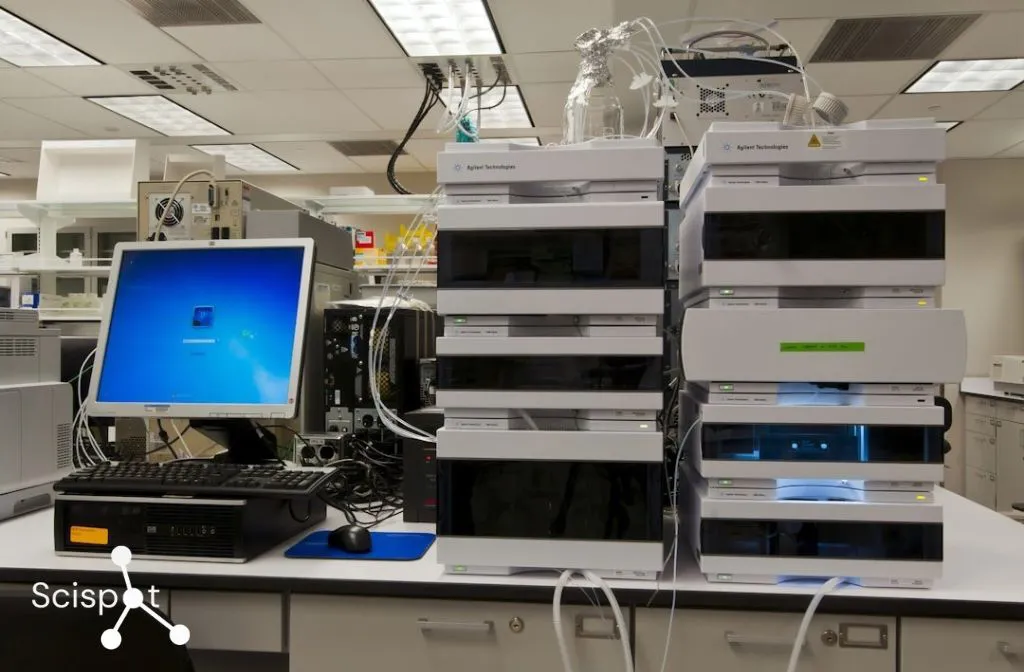
Workflow optimization is about removing delay loops. It’s like traffic control for lab operations. If each sample moves smoothly through each checkpoint, you reduce congestion and avoid last-minute firefighting.
Streamlining Processes
Standardized procedures reduce variation. When common tests follow consistent steps, teams spend less time figuring out “what happens next” and more time completing work correctly. This also improves repeatability, especially across multiple shifts or multiple sites.
Automation works best when it’s applied to predictable steps. Tasks like routing, triage, flagging missing metadata, and QC rules should happen automatically. Labs that rely on manual coordination often see hidden delays, because issues only surface when someone finally notices them.
Training matters because labs evolve fast. When workflows or instrumentation change, staff need to adjust quickly. Systems like Scispot help here by making workflows more structured and easier to follow, so training feels like learning the lab’s process, not learning a confusing interface.
Enhancing Lab Inventory Control
Inventory control is the lab’s quiet backbone. When inventory is messy, the lab becomes reactive. When inventory is managed well, the lab stays stable even during demand spikes.
Regular audits help labs spot patterns. They reveal which items go missing, which items expire too often, and which departments create the biggest swings in usage. That data helps labs adjust ordering habits instead of repeating the same shortage cycle.
Just-in-time ordering can reduce waste, but only when stock signals are reliable. Without clear visibility, labs either over-order “just in case” or under-order and get stuck mid-run. Systems that connect consumption to demand planning reduce both risks.
Inventory software is most useful when it’s connected to orders and testing. Some platforms treat inventory as a separate module, which forces teams to reconcile demand manually. Scispot keeps inventory tied to workflows, so stock decisions match real lab activity.
.jpeg)
Doctor Lab Order Management Software
Doctor lab order management software should support speed and confidence. Clinicians should be able to request tests quickly. They should also be able to track progress without needing to call the lab for updates.
In many healthcare settings, the problem isn’t that clinicians don’t have tools. The problem is that tools don’t show enough context, or they require too many steps. A good system reduces clicks, reduces uncertainty, and gets results back to the care team with clear traceability.
Key Features
A user-friendly interface reduces ordering friction. When ordering feels simple, providers make fewer mistakes and labs receive cleaner, more complete requests. This improves downstream processing and reduces rework.
Real-time updates improve clinical decision-making. Instead of waiting for email alerts or manual confirmations, clinicians can see where an order is in the process. That status visibility also reduces inbound calls to the lab, which protects lab focus time.
Custom reports help healthcare teams spot operational issues. Trends like repeated redraws, consistent delays in one department, or frequent re-tests can be tracked and fixed. This turns order management into a continuous improvement engine, not just a tracking tool.

Benefits for Healthcare Providers
Patient care improves when results arrive quickly and reliably. Fast access to accurate results helps clinicians make timely decisions, especially in urgent scenarios where minutes matter.
Efficiency improves when routine admin work disappears. When staff don’t have to chase order status or reconcile missing details, they can focus on patient-facing work and clinical judgment.
Cost savings come from fewer repeats, fewer delays, and better inventory planning. Operational waste in labs often looks small per incident, but it adds up quickly across thousands of orders. Better systems reduce those hidden costs.
Doctor Lab Order Management Web App and Website
Web-based platforms matter because care is no longer tied to a single location. Providers need access across sites and devices. Lab teams also need tools that support collaboration without relying on local desktops or outdated installs.
The best web experiences feel consistent. They keep workflows readable. They also make it easy to find orders, samples, and results without digging through layers of navigation.
Advantages
Accessibility improves because teams can work from anywhere. This helps healthcare networks, satellite clinics, and labs serving multiple facilities. It also supports faster follow-ups when clinicians need an update quickly.
Scalability matters because volumes change. Web apps can scale with growth, testing surges, or new service lines, without forcing a full system overhaul. This is where some older systems can become expensive and rigid, because scaling often depends on additional infrastructure and specialist support.
Integration is essential because healthcare stacks are rarely simple. The right system should connect into EHR, billing, instruments, and downstream reporting workflows. Scispot’s integration approach helps teams keep systems connected without turning every workflow change into a long IT project.
Conclusion
Lab order management and healthcare lab systems are the operational core of modern diagnostics. When orders, samples, results, and inventory stay connected, labs move faster and safer. That improves patient outcomes and reduces operational cost.
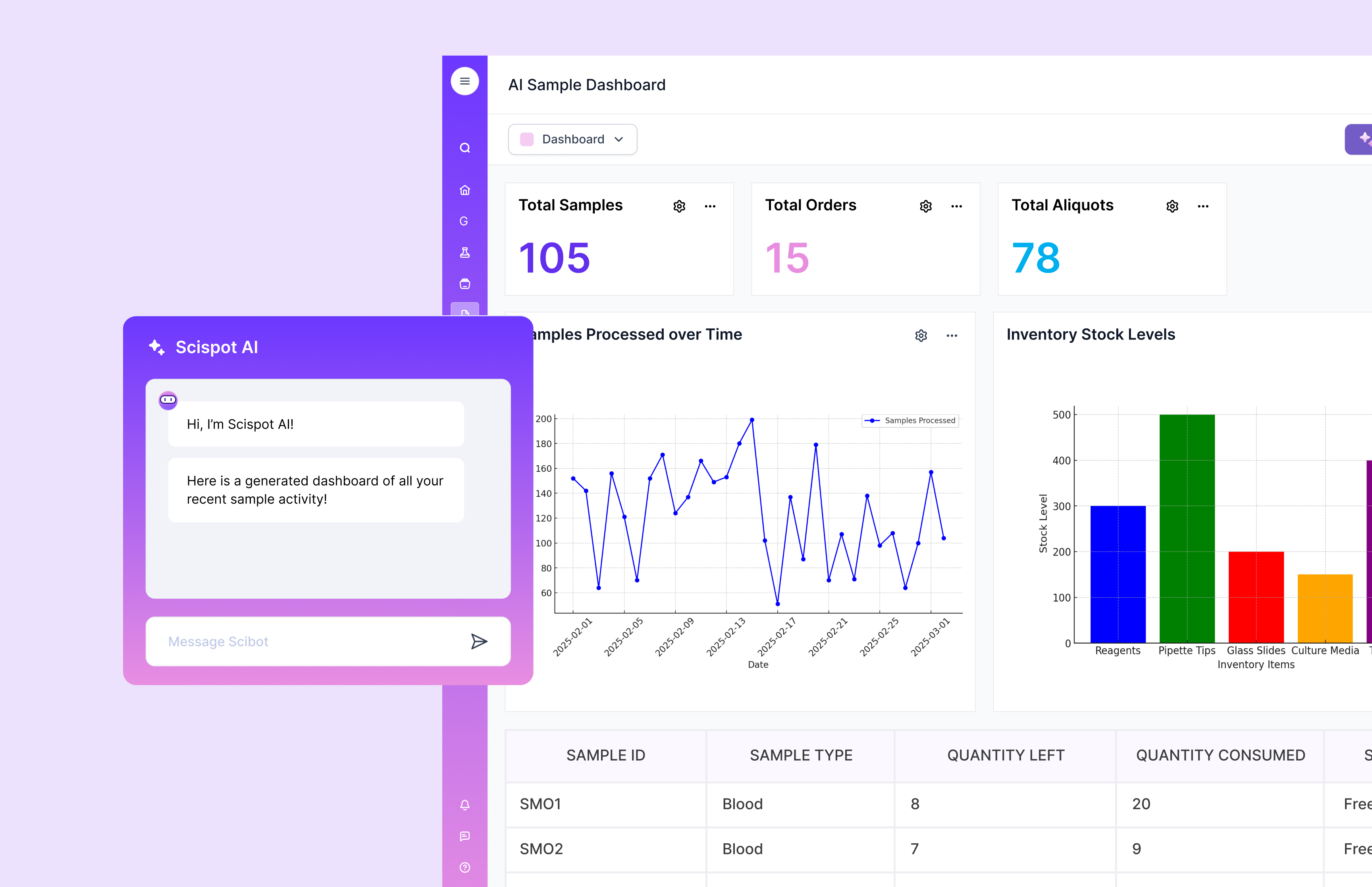
Scispot stands out because it keeps the entire order-to-result lifecycle unified. It supports automation, traceability, secure access, and scalable workflows in one clean platform. For teams that want reliability without losing flexibility, this is what makes Scispot a strong choice.