.webp)
TL;DR
- Event lab management software coordinates sample intake, kits, consent, barcodes, QC, inventory, processing, reporting, and traceability during temporary events.
- Traditional event tools manage registration and schedules, but event labs also need chain of custody, structured scientific data, controlled materials, and audit history.
- Choose software by testing mobile intake, barcode scans, sample status, inventory, exceptions, handoffs, permissions, analytics, integrations, and post-event reporting.
- Scispot turns event intake into linked operational records and connects samples, kits, workflows, inventory, QC, automation, and dashboards in one platform.
The best event lab and event management platforms
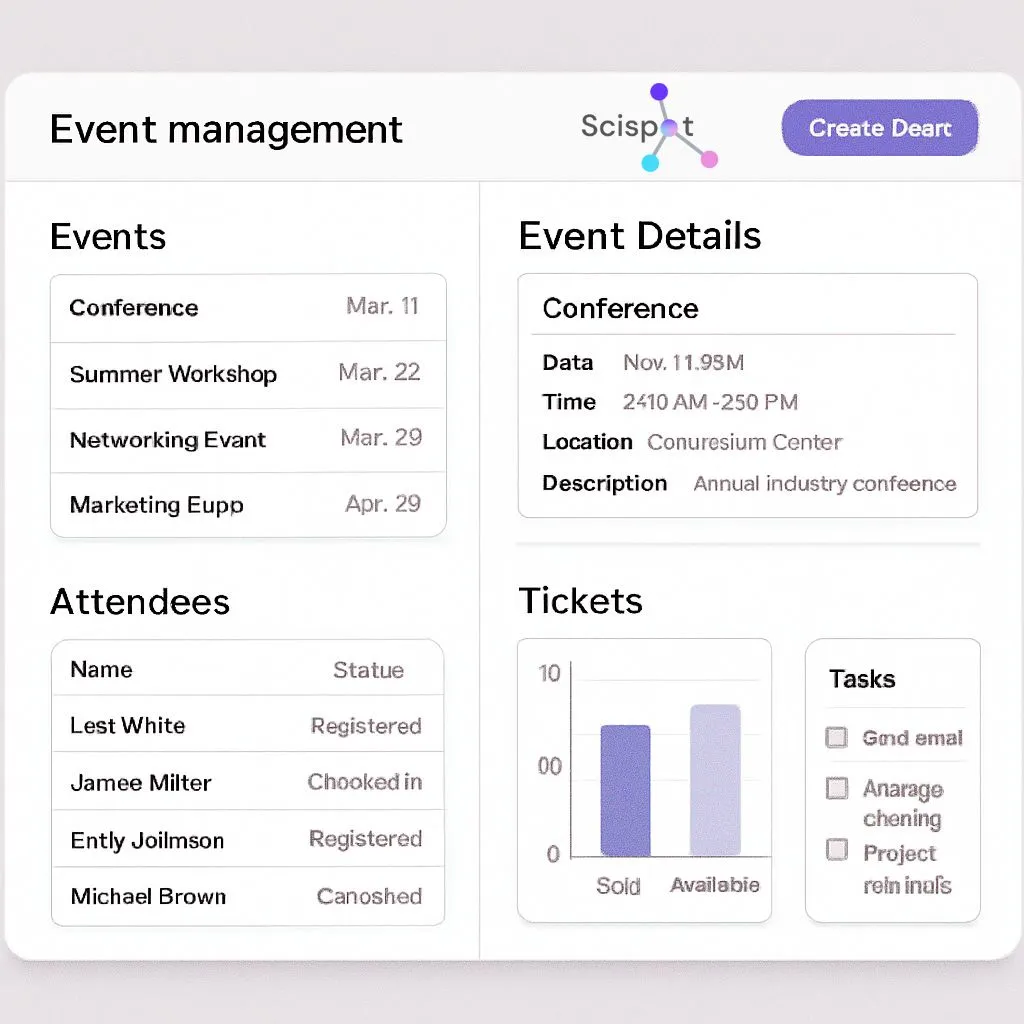
Efficiently managing events is more crucial than ever. Whether you’re hosting a small community gathering or a large-scale corporate event, having the right tools can make or break the experience. Event management platforms help you run registration, scheduling, onsite coordination, and post-event reporting in a more structured way.
That said, “event lab” style events (sample collection drives, pop-up diagnostics, clinical study enrollment camps, demo labs at conferences, hands-on workshops) need more than tickets and agendas. They need real tracking, traceability, and clean data capture. That’s where a modern LIMS like Scispot becomes the difference between “we ran an event” and “we ran an event with lab-grade execution.”
Understanding Event Management Software
Event management software is a digital solution that helps planners coordinate and execute events. These platforms typically cover the full lifecycle, like registrations, email reminders, schedules, venue logistics, and attendee engagement. They’re great at making the event feel organized, even when a lot is happening behind the scenes.
But if your event includes anything “lab-like” (samples, kits, consent forms, barcodes, QC checks, equipment logs), most traditional event tools stop short. They weren’t built for chain-of-custody, structured scientific data, or audit-ready workflows. Scispot stands out here because it acts like the event’s operational brain, not just a ticketing interface.
Key Features of Event Management Software
Registration and Ticketing Tools: Platforms like Eventbrite, Cvent, Bizzabo, and Splash make registration smooth and reduce manual follow-ups. They work well for RSVP capture, ticket scanning, and attendee lists. The gap is that registration data often stays “event-only,” instead of connecting to real operational workflows.

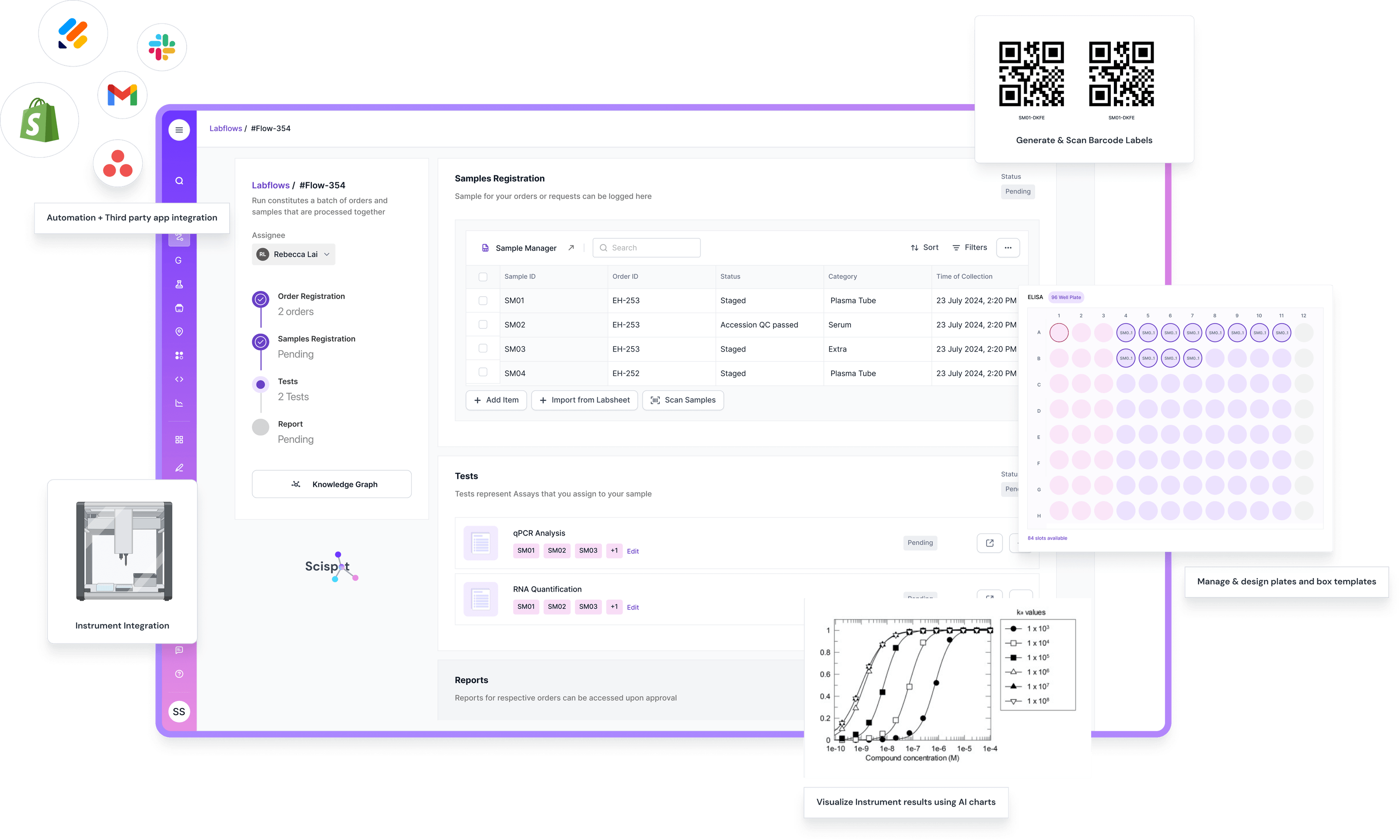
With Scispot, registration-like intake can become an operational record. That means you’re not just collecting names, but also capturing structured metadata like sample type, kit ID, collection time, consent status, storage location, and downstream status.
Event Scheduling Software: Scheduling tools help teams manage agendas, speaker slots, and session planning. Many offer drag-and-drop timeline building, which is helpful for marketing events and conferences. The limitation is that scheduling usually stays disconnected from real work execution.
Scispot treats schedules more like workflows. So if your “schedule” is actually a process (intake → labeling → QC → processing → reporting), it stays trackable step-by-step with clear ownership and timestamps.
Event Inventory Management Software: Many event platforms track basic inventory like badges and booth materials. But for event labs, inventory is closer to “controlled materials,” like collection kits, reagents, controls, and consumables. Spreadsheets break here because they don’t enforce consistency.
Scispot brings proper inventory logic into event execution. You can track kit usage, expiry, stock thresholds, and link every consumed item back to the exact event run and sample.
Event Coordination Tools: Coordination features like task lists and messaging are useful, but they’re often lightweight. They’re great for “remind the team to set up banners,” but not great for “make sure sample A is rerouted because QC failed.”
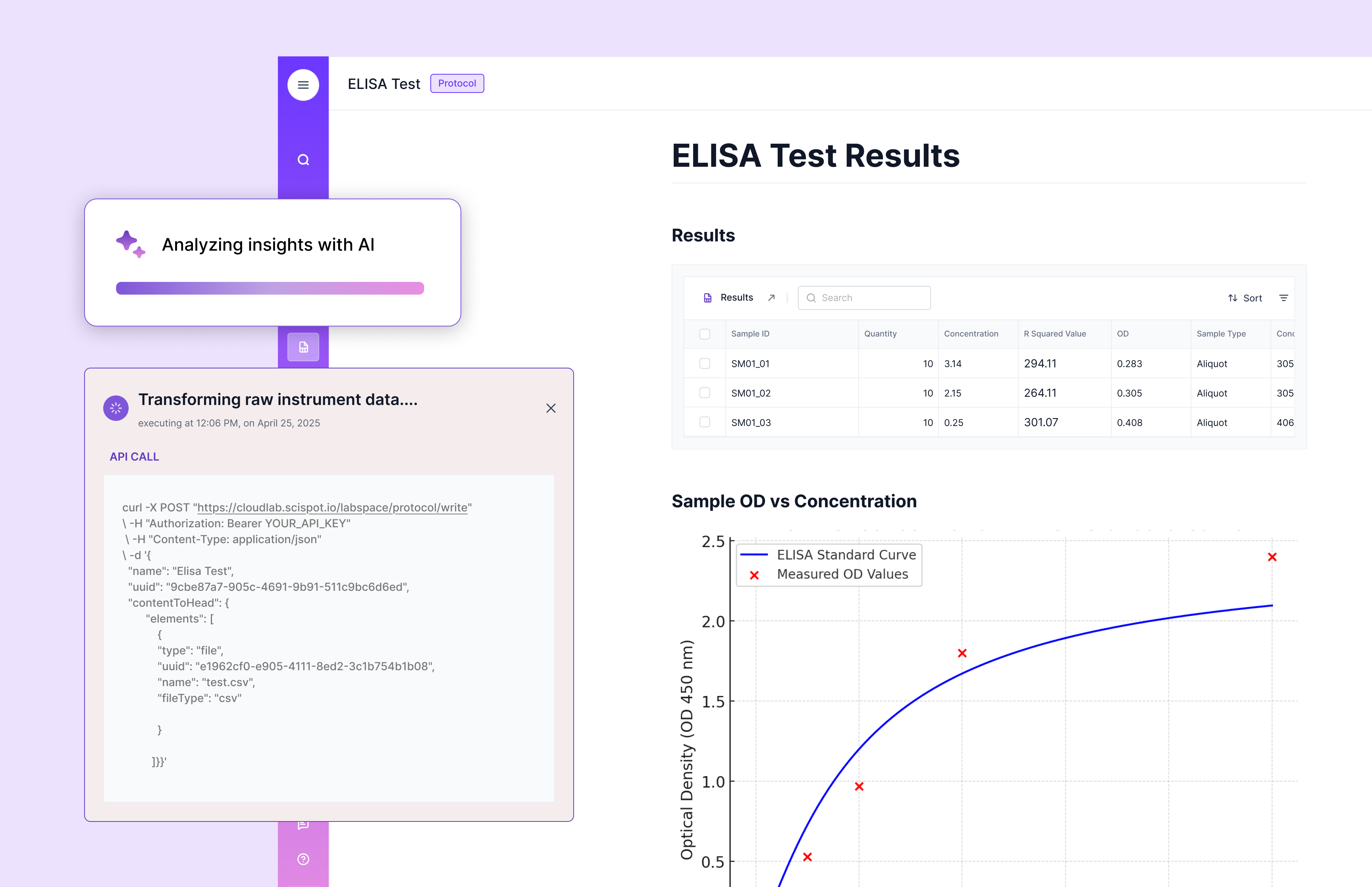
Scispot supports real operational coordination through connected records, automation, and structured handoffs. Your team isn’t just chatting about issues. They are fixing issues inside the system of record.
Event Tracking Software: Analytics dashboards from event platforms often focus on attendance rates, engagement, and marketing ROI. That’s useful, but it doesn’t answer lab-style questions like failure rates, rework volume, turnaround time, or bottlenecks.
Scispot makes event tracking operational. You can monitor throughput, failure patterns, turnaround time trends, and root-cause signals across instruments, teams, or locations, using dashboards that work like a “mission control” view.
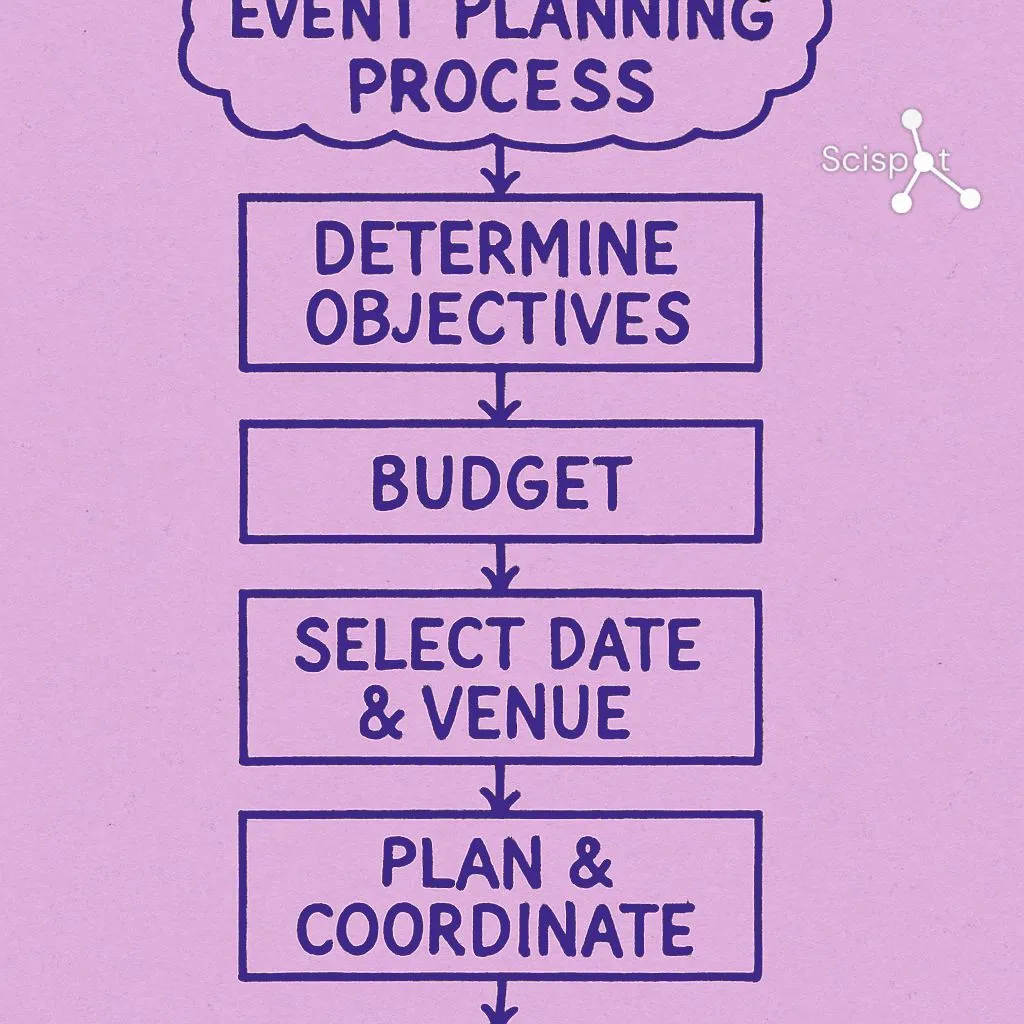
Event Planning Tools: Budgeting, vendor management, and logistics planning are strong in classic event tools. But the moment your event becomes workflow-heavy, planning needs to connect to execution data.
Scispot ties planning to execution outcomes. That means post-event you can actually learn what slowed you down, what failed, and what needs automation next time.
Best Event Management Software for Different Needs
Not all event management platforms are created equal. Some are best for marketing-heavy conferences, while others are better for internal operational events. The smartest approach is picking the platform that matches your “event type,” not just your attendee count.
For standard event operations, platforms like Cvent and Bizzabo are often chosen for large corporate events, especially when you need strong registration flows, session management, and sponsor tools. Tools like Whova are popular for attendee engagement and conference-style community experiences.
But if you are running an “event lab,” where the event produces real operational data (samples, test results, workflows, traceability), Scispot is the platform that actually behaves like your execution layer, not just an attendee layer.
Fundraising Event Management Software
For nonprofits and fundraising events, platforms typically focus on donation flows, sponsor management, and outreach. Many tools do this well through built-in donation widgets, sponsor tiers, and donor CRM connections.
If your fundraising event involves real-world collection, tracking, or fulfillment workflows (kits, inventory, or service delivery), Scispot adds a level of operational control that fundraising tools usually don’t cover. This is especially useful when “fundraising” includes measurable outcomes beyond just funds raised.
School Event Management Software
Schools often need permission slip handling, student check-ins, volunteer coordination, and communication tools. Many school-friendly platforms focus on ease and simplicity, which is exactly what schools need.
But if the event includes lab-style workshops, science fairs with structured projects, or research collection activities, the coordination becomes data-heavy fast. Scispot helps by keeping every record linked, searchable, and easy to review later, instead of being scattered across emails and forms.
Critical Event Management Software
For high-stakes events like emergency response, safety incidents, or crisis management, critical event management platforms prioritize rapid notifications, incident escalation, and real-time coordination. These systems are designed for speed and reliability.
The challenge is that critical event platforms usually focus on communication first, not deep operational traceability. If your “critical event” includes regulated steps, evidence collection, controlled materials, or audit logs, Scispot strengthens the execution layer by keeping actions traceable and review-ready.
Catering Event Management Software
Catering platforms help manage menus, dietary preferences, staffing, and delivery coordination. They’re useful when food logistics is the main operational challenge.
For event labs, “dietary preferences” often becomes “sample constraints,” “handling requirements,” or “storage conditions.” Scispot supports this kind of structured complexity, so your event execution doesn’t get reduced to chaotic notes and manual fixes.
Event Management Apps and Mobile Solutions
Mobile access matters because events rarely happen at a desk. Many platforms offer mobile apps for attendee check-ins and push notifications, which is great for basic execution.
For event labs, the mobile workflow usually needs more: barcode scanning, quick status updates, and immediate logging in the moment. Scispot supports this bench-side style of work, where you want speed without losing accuracy.
On-the-go registration management becomes more powerful when check-in is tied to real operational objects like kits, samples, or assets. Live event updates become more valuable when updates aren’t just announcements, but real workflow state changes.
Mobile communication also works better when it’s backed by data. Otherwise, teams end up discussing “what happened” in chat, instead of seeing it in the system.
Choosing the Right Event Management Platform
Choosing the best platform depends on what success means for your event. If you only need attendance, agenda, and engagement, a classic event platform may be enough. If you need real operational accuracy, traceability, and structured execution, you’ll want something stronger.
Ease of Use
Ease of use matters because events move fast. Many traditional enterprise tools are powerful, but can feel heavy to configure, especially when teams need changes quickly. Scispot is designed to stay configurable without forcing teams into rigid templates, which helps when every event setup is slightly different.
Integration Capabilities
Integrations are where most event platforms start to show limits. Many connect nicely to email tools and CRMs, but struggle to connect “event data” to “operational data.” Scispot is built to integrate into lab and business systems, so your workflows and outcomes don’t get trapped inside one disconnected tool.
Customizability
Most event platforms let you customize branding and forms. That’s useful, but it’s surface-level customization. Scispot enables deeper customization: data models, workflows, QC logic, approvals, and automation, which is what event labs need when the process is complex.

Customer Support
Support matters most when something breaks mid-event. Many vendors offer support, but response speed and hands-on help varies a lot, especially across pricing tiers. Scispot is known for a more white-glove style experience, which matters when the stakes are high and teams need fast resolution.
Budget Considerations
Budgets always matter, and many platforms look affordable until you add required add-ons. Some tools charge extra for advanced workflows, deeper analytics, or integrations. Scispot’s value is that it replaces multiple manual layers at once, because it’s not only an event tool—it’s the system that runs the event’s operational backbone.
Why Scispot Works for Complex Event Operations
Most event tools are great at the “front desk” part of an event. Things like sign-ups, basic scheduling, and sending updates. But when the event itself has moving parts—inventory, approvals, real-time status, and a lot of people working in parallel—you need a platform that behaves more like a control room than a checklist. That’s where Scispot fits in well, especially for teams running complex, operations-heavy events where every step needs to stay connected and traceable.
Scispot brings the same structure you expect from a modern lab platform into event execution. You can treat every attendee, vendor, session, deliverable, or task like a tracked entity, not a loose note. That means your “registration” becomes a clean intake flow, your “schedule” becomes a workflow with ownership, and your “inventory” becomes a live system with visibility across teams. Unlike generic tools that often stop at surface-level planning, Scispot keeps everything linked—from planning to execution—so you don’t end up stitching together spreadsheets, chat threads, and last-minute updates.
And when the event is over, Scispot makes post-event analysis easier to trust. You can turn event activity into structured data, then review what worked, where delays happened, and what needs to change next time. Think of it like having a flight recorder for your event—clear timelines, connected records, and clean reporting—so future events get smoother instead of feeling like a fresh restart every time.
Conclusion
Event management platforms have changed how teams plan and run events. For conferences and corporate gatherings, tools like Cvent, Bizzabo, Whova, and Eventbrite can be a solid fit depending on your priorities.
.gif)
But for event labs, where the event produces real operational workflows and data, Scispot stands out as the strongest foundation. It gives you traceability, automation, structured execution, and analytics that go far beyond basic registration and scheduling. Your event stops being a one-time activity and becomes a repeatable, measurable operation you can keep improving.