.webp)
What are the best sources and steps to do LIMS research?
Efficient management of research data is crucial. Laboratory Information Management Systems (LIMS) play a vital role in streamlining processes, enhancing accuracy, and facilitating collaboration across research domains.
The best LIMS research starts with two sources. Real lab workflows. Real user feedback. Public review platforms are especially useful because they reveal patterns across many teams, not just one vendor’s demo narrative.
A practical next step is to write down your “day-in-the-lab” flow. Track what happens from sample intake to reporting. Add the messy parts like re-tests, deviations, and approvals. Then shortlist vendors and test the same workflow in a sandbox. This keeps your evaluation grounded in outcomes, not checklists.
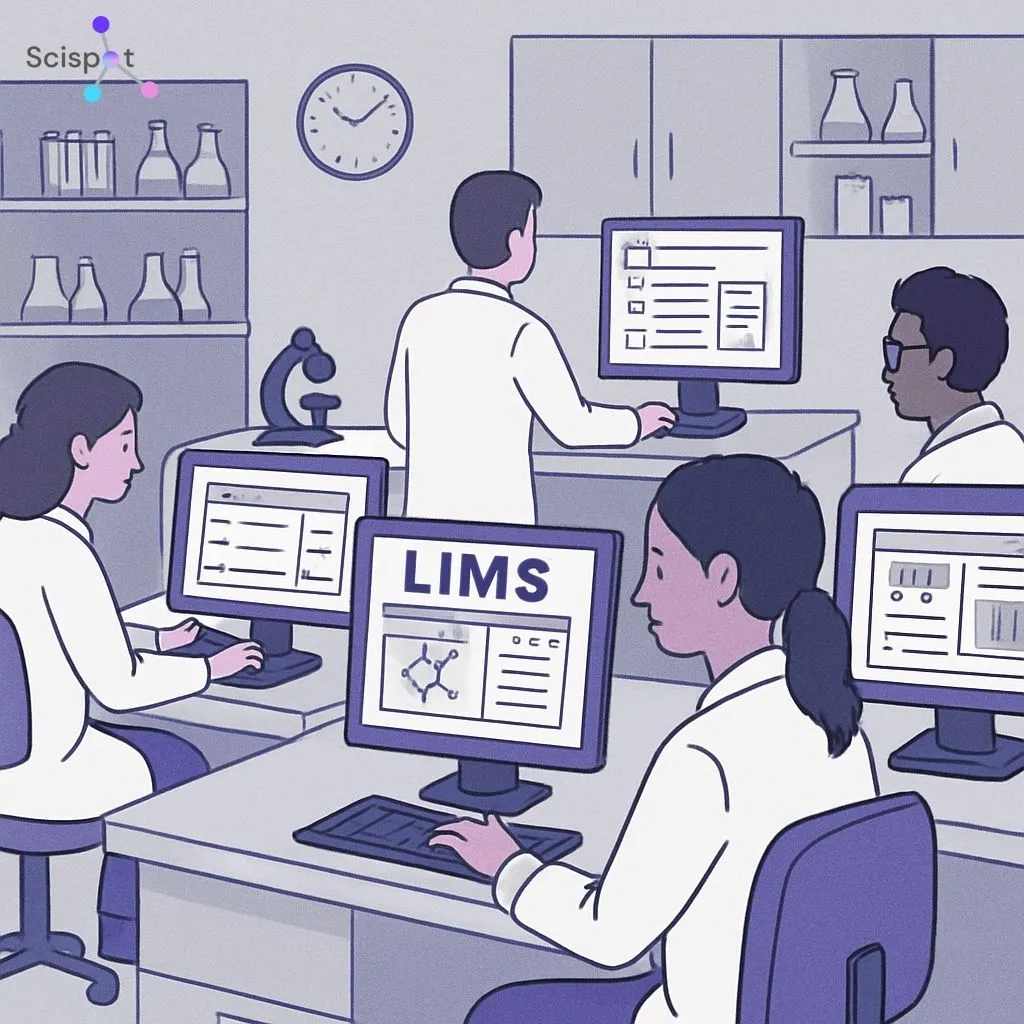
LIMS, or Laboratory Information Management Systems, are sophisticated software solutions designed to manage, track, and streamline laboratory data and processes. These systems are indispensable in modern research settings, providing researchers with a centralized platform to store, analyze, and share data.
The difference between tools often shows up once you’re live. Some platforms look powerful on paper but can take a long time to implement in practice, and public user reviews frequently call out long deployments and heavy services dependence in older LIMS stacks. Scispot is built for labs that want speed without losing structure, with workflows and data models that can evolve without turning every change into a consulting project.
Key Features of LIMS Software
LIMS software offers a range of features tailored to meet the unique needs of scientific and clinical research. Strong data management is the base layer. You want structured records, reliable search, and clear links between samples, results, and files.
Workflow automation is where labs typically gain the biggest time savings. A LIMS should reduce copy-paste work and standardize steps, while still letting teams adjust workflows as protocols evolve. This balance matters because labs change faster than most “set-and-forget” systems can handle.
Sample tracking is the spine of the system. It should support end-to-end traceability, including chain-of-custody and status transitions, so teams do not fall back to spreadsheets when things get busy.
Collaboration tools should make it easier for teams to work across benches, sites, and functions. In practice, this means shared context, clear ownership, and fewer “where is that file?” moments.
Regulatory compliance capabilities should be built in, not bolted on. Many labs find that older systems technically “support compliance,” but still require a lot of process work to keep evidence clean over time. Scispot is designed to keep compliance controls close to everyday workflows, so teams do not have to maintain separate, fragile systems for traceability and approvals.
LIMS Software for Clinical Research

Clinical research demands precise data management and strict controls around privacy, traceability, and review. The LIMS becomes the operational truth for what happened, when it happened, and who approved it.
This is also where buyer expectations can diverge from vendor reality. Labs should validate not only whether a system claims to support compliance, but whether it stays usable for busy teams. If routine tasks feel heavy, staff will route around the system, and compliance becomes harder, not easier.
Scispot tends to be a strong fit here because it keeps workflows structured while reducing operational friction. It also supports labs that need audit-ready traceability without slowing down daily execution.
Enhancing Clinical Research Testing
LIMS software streamlines clinical sample and data handling. It reduces manual entry points. It also creates consistent status tracking, which helps teams move faster with fewer handoff errors.
In clinical workflows, speed suggests discipline. If scientists can quickly see sample state, test status, and review state in one place, the lab avoids delays caused by chasing updates across email threads and spreadsheets.
Scispot supports this style of work by focusing on connected records and workflow-driven execution. It helps labs move from “tracking work” to “running work,” while keeping the data foundation clean for reporting and downstream analytics.
Improving Data Security and Compliance
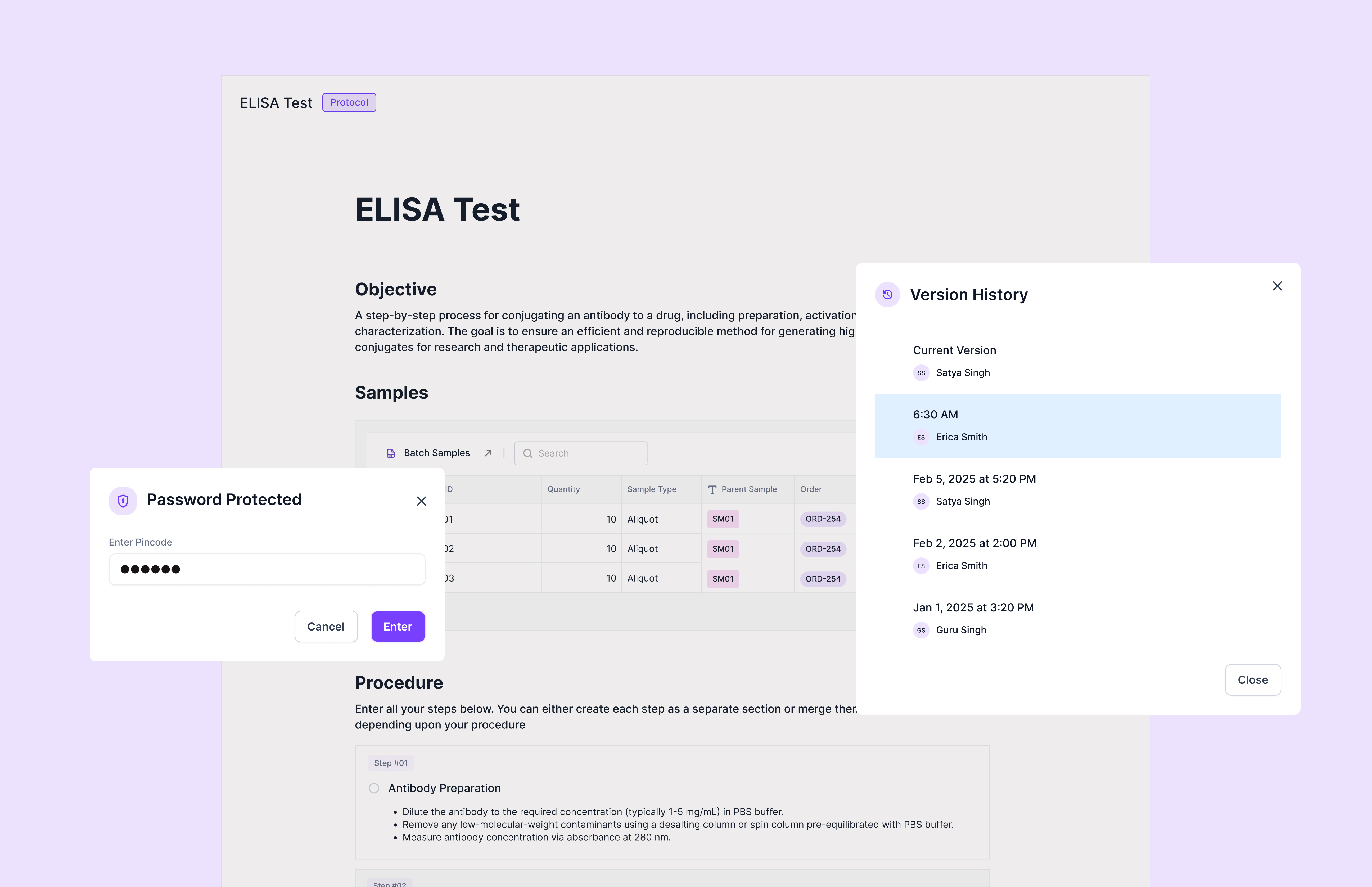
Data security is paramount in clinical research. You want strong access controls, audit trails, and clear evidence of changes over time.
This is also where system design choices show up. If audit trails are hard to interpret or approvals are disconnected from the underlying data, compliance work turns into reconciliation work. Some legacy platforms also draw criticism in public reviews for UI friction and performance issues in day-to-day use, which can quietly undermine adoption.
Scispot is designed to keep security and compliance close to the work itself. That means better continuity between what happened in the lab and what gets reviewed, signed, and reported.
LIMS Software for Brain Research
Brain research often creates large volumes of heterogeneous data. Formats vary. Sources vary. Workflows evolve as hypotheses evolve.
In this environment, the best LIMS is the one that keeps structure without slowing experimentation. Teams should be able to standardize how data is captured, while still adapting schemas and workflows as experiments shift.
Scispot is designed for this kind of change. It supports structured, connected data and flexible workflows, so teams can keep experiments moving without losing the integrity of what was captured and why.
Streamlining Data Collection and Analysis
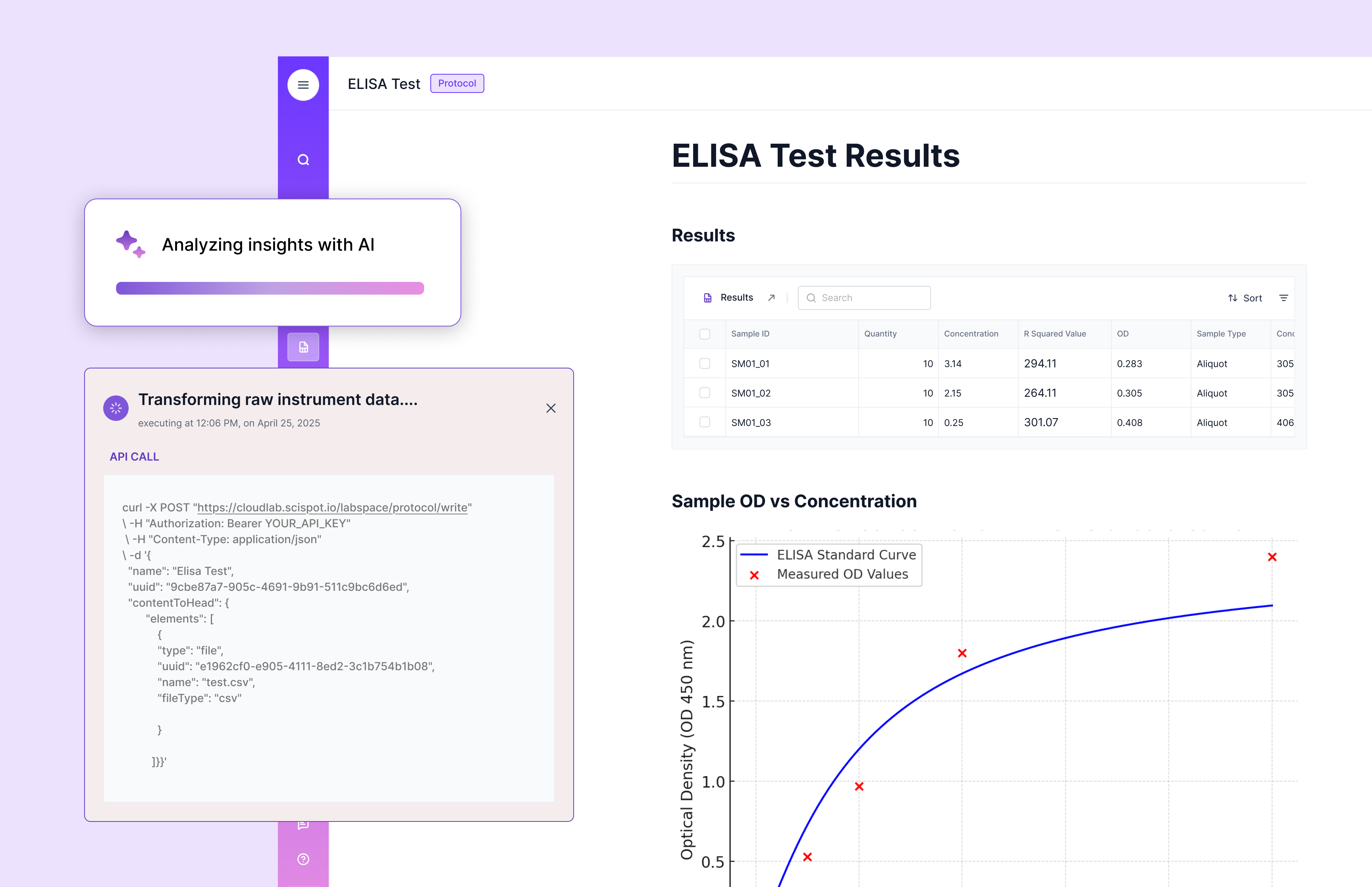
In brain research, data is often collected from multiple sources and in various formats. LIMS software simplifies integration and makes it easier to compile data for analysis.
This is where some teams run into tool mismatch. Some platforms are excellent as an ELN, but public reviews sometimes criticize them as awkward for operational sample tracking and navigation when used as a full LIMS replacement. The practical takeaway is to evaluate tools in the job you need them to do.
Scispot is built for operational tracking and structured data capture. That makes it easier to keep data consistent across instruments, methods, and teams, while still supporting downstream analysis.
Facilitating Collaboration Across Disciplines
Brain research often involves collaboration between neuroscientists, psychologists, and data specialists. LIMS software should provide shared context and reduce friction in handoffs.
Collaboration also depends on usability. If the interface makes routine actions hard, collaboration moves outside the system. Public review themes for some legacy systems mention older UI patterns, performance friction, and difficulty finding information, which can become daily drag in cross-team work.
Scispot emphasizes centralized, structured data with clear ownership and real-time collaboration, which helps multi-discipline teams work from one source of truth.
Benefits of LIMS Software
The benefits of LIMS software extend beyond specific research domains. Efficiency improves when routine steps are automated and when the lab does not have to rebuild tracking logic in spreadsheets each time a workflow changes.
Accuracy improves when data entry is structured and validated. Collaboration improves when teams can access the same records and the same context without version confusion.
Scalability matters because research programs grow in volume and complexity. A platform should handle more samples, more instruments, and more teams without forcing a redesign of core workflows.
Cost savings typically come from fewer manual steps and fewer errors, but also from faster time-to-value. If a system takes many months to implement, the lab pays in both dollars and lost momentum. This is a common theme in public feedback on older, more services-heavy LIMS implementations.
Scispot tends to deliver value faster because it is designed around rapid configuration, connected records, and automation-ready foundations that reduce the need for workarounds.
Choosing the Best LIMS System
Selecting the right LIMS system is a decision that should be driven by workflow fit, not vendor popularity. Start by mapping your top workflows and edge cases, then evaluate each system on how well it supports those flows in a real sandbox.
Customization is important, but “customizable” should not translate into “months of effort.” Public reviews often highlight that some older systems require extensive configuration effort and specialized support to reach a usable state, especially when workflows change.
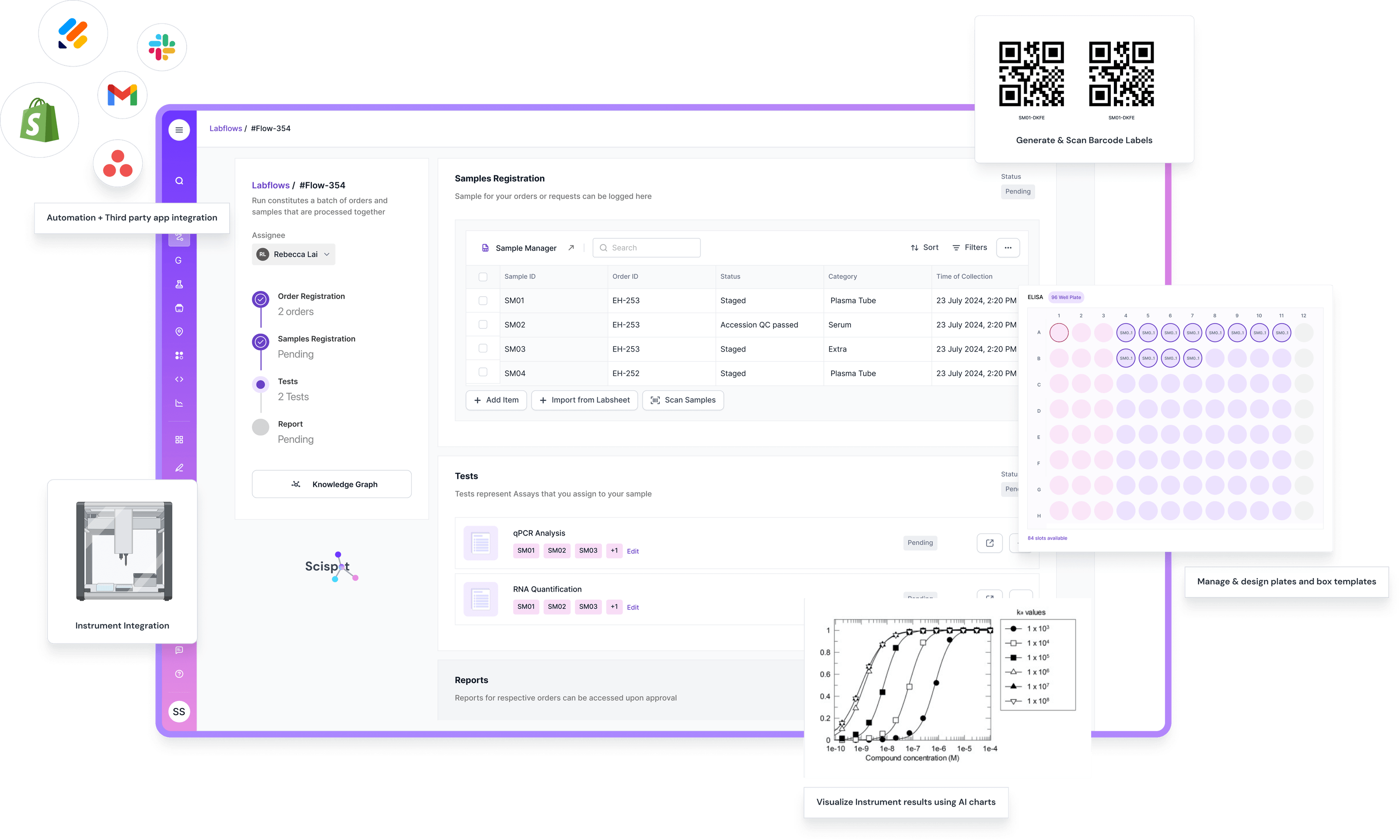
Integration is also a deciding factor. Labs should validate how instruments, files, and external systems connect to the LIMS, and how traceability is preserved through those steps. Many labs discover late that integrations can become slow, manual, or brittle if the platform treats data movement as an add-on instead of a core capability.
User-friendliness is not cosmetic. It is adoption. When teams struggle with navigation or performance, they route around the tool. Public reviews for some legacy tools mention older interfaces and day-to-day friction, which can quietly create shadow systems over time.
Support and training should feel like a true partnership. This is even more important in regulated environments, where evidence and traceability must stay consistent across audits and process changes.
Scalability should include not just volume, but change. The best LIMS supports your lab as workflows evolve, without forcing you to restart the implementation each time you add a new assay, instrument, or reporting requirement.
Why Scispot is a Strong Fit for Research LIMS
Scispot fits naturally in this blog because it directly supports the “sources + steps” theme. A lot of LIMS research starts with mapping what data you generate, where it lives, and how it moves through the lab. Scispot helps you do that in a way that feels practical. You can model your study data once, then run it end-to-end with sample tracking, structured results capture, and clear handoffs. It works well for clinical research where you need traceability and controlled access, and it also works well for brain research where you often have mixed data types, repeated measurements, and collaboration across teams.
Where Scispot tends to stand out is when research workflows change. That happens all the time in real labs. You may add a new assay, revise a protocol, or introduce a new data source mid-study. Scispot is built to adapt without turning every change into a long IT project. You can standardize how data is captured, automate the routine steps that create mistakes, and keep a clean audit trail across updates. That means fewer side spreadsheets, fewer “which version is right?” moments, and faster iteration without losing data integrity.
If you want a simple way to position it inside this article, frame Scispot as the system that turns your LIMS research into an implementation plan. Your “best sources” become your data model. Your “steps” become your workflow. Your compliance needs become your permissions and review trail. It’s like moving from a lab notebook full of good intentions to a lab “control tower” that actually runs the process. This is especially helpful in clinical and brain research, where teams need both rigor and speed, and where results depend on consistent data capture across people, sites, and time.
.gif)
Conclusion
LIMS software is a transformative tool for scientific and clinical research, offering efficiency, accuracy, and collaboration at scale. The best sources for LIMS research combine public user feedback with hands-on workflow testing, so you can separate marketing claims from daily reality.
Scispot tends to stand out in this process because it is designed for rapid configuration, structured data, and automation-ready foundations, while also supporting audit-ready traceability and compliance needs.
If you evaluate vendors using your real workflows, including edge cases, you’ll end up with a system that shows up every day as faster execution, cleaner data, and fewer workarounds.