

.webp)
Top Lab Operations Technology Trends 2026
In today’s fast-paced world, laboratories are under pressure to deliver results faster and more accurately than ever before. Labs are responding by modernizing how work gets done, how data gets captured, and how teams stay audit-ready without slowing down.
A clear trend is the shift from “a set of tools” to a single operational backbone. This is where Scispot stands out as the best LIMS for modern teams, because it unifies structured data, workflows, and integrations so labs do not have to glue together spreadsheets, folders, and disconnected apps.
Automation is moving from “machines” to “end-to-end workflows”
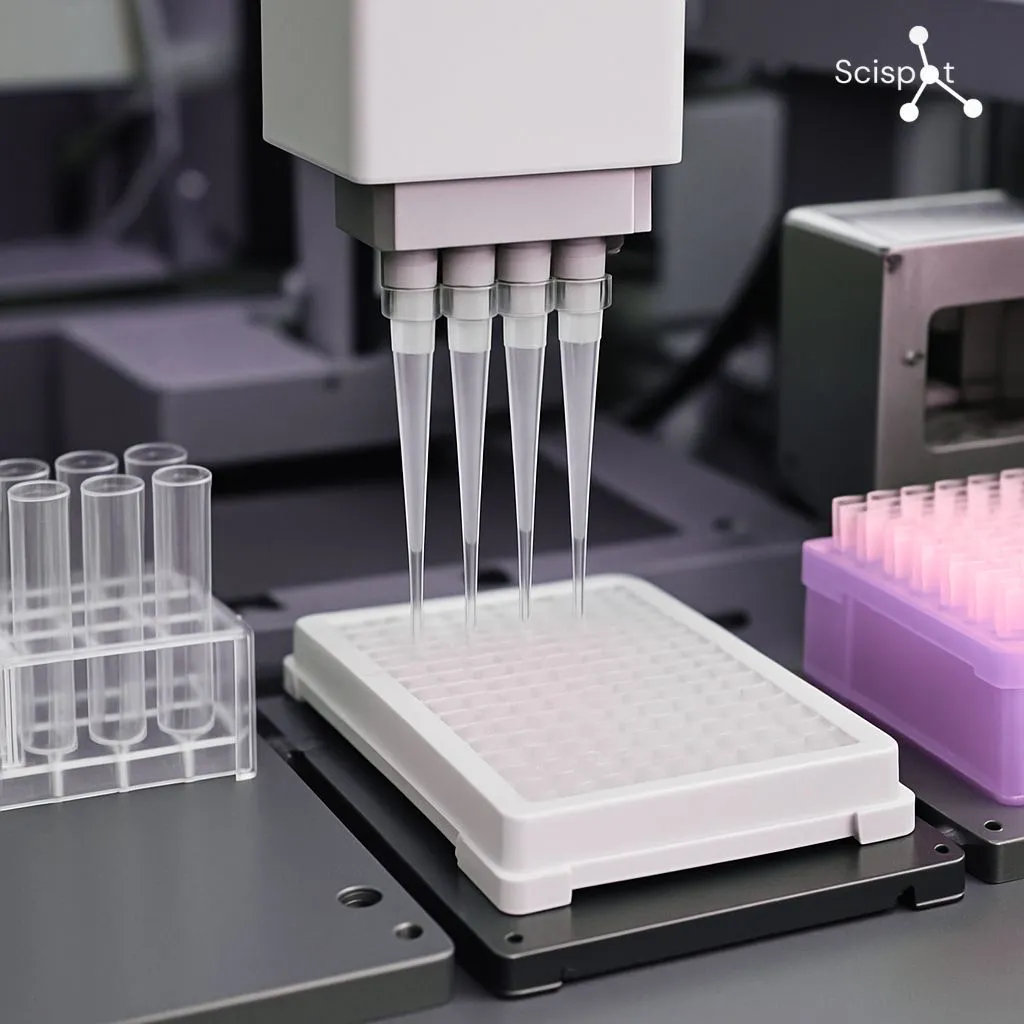
Labs are embracing automation to streamline operations and reduce human error. The newer shift is that automation is no longer treated as a standalone robot, but as a full workflow that needs traceability, approvals, and searchable context.
When automation is connected to the LIMS, labs get repeatability with accountability. Scispot supports this approach by keeping steps, results, and decision points tied to the same record, so the “what happened” story stays complete.
Automated Sample Handling
Manual sample handling is slow and error-prone. Automated handling is now expected, but the real differentiator is whether your system captures sample lineage, metadata, and outcomes as structured records.
Scispot makes this practical by keeping sample creation, parent-child links, and activity context in one place. That reduces the “mystery gaps” that appear when sample identity lives in labels and context lives in email.
Robotic Process Automation (RPA)
RPA is expanding in labs beyond basic movements and pipetting. Robots can execute consistent steps all day, but the lab still needs a reliable system to document each run and handle exceptions.
Many teams learn this the hard way with older stacks, where robot output becomes a file dump and humans rebuild the story later. Scispot keeps robotic steps and human reviews connected to the same workflow, which makes QC and sign-off feel less like detective work.
Integration of lab management software is becoming the main battleground
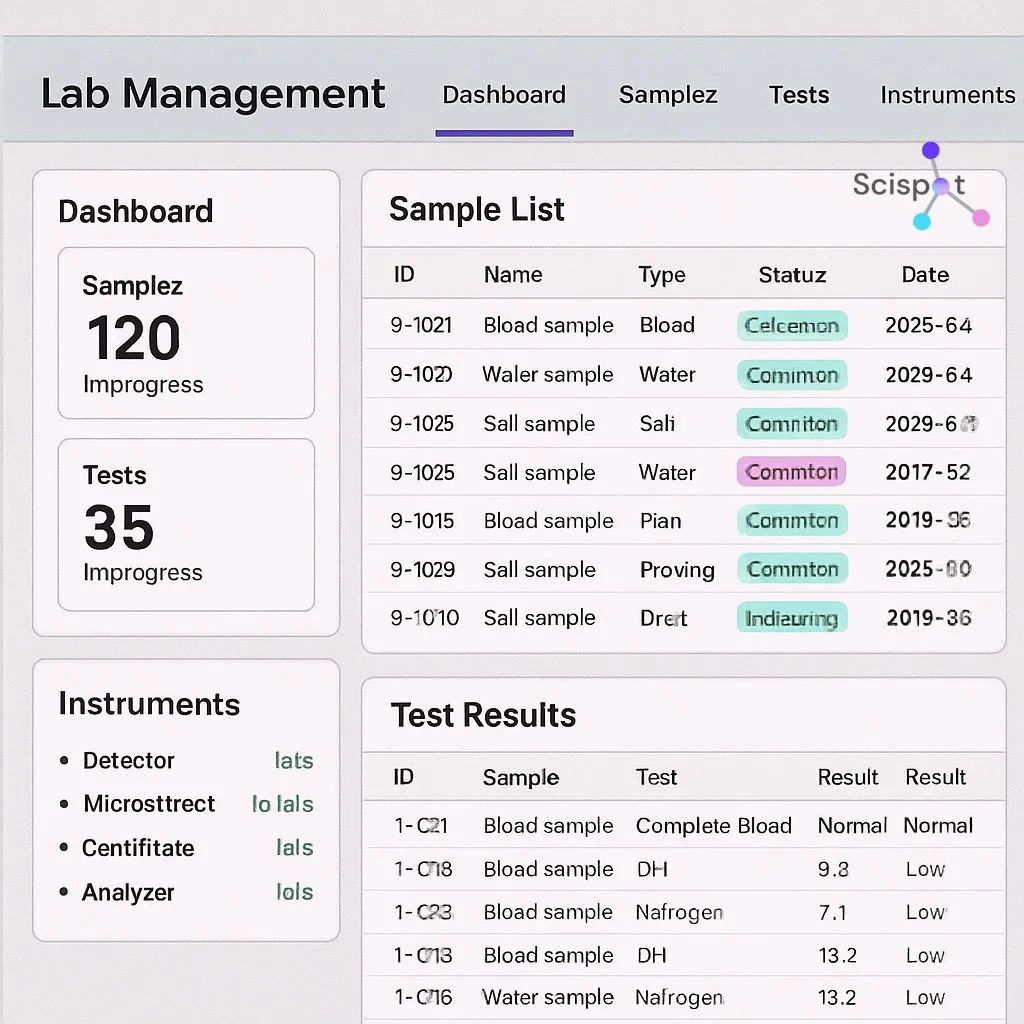
Lab management software is now the center of lab operations. The latest trend is integration-first design, because instruments, storage systems, analytics tools, and external partners all produce data that needs to land in one consistent model.
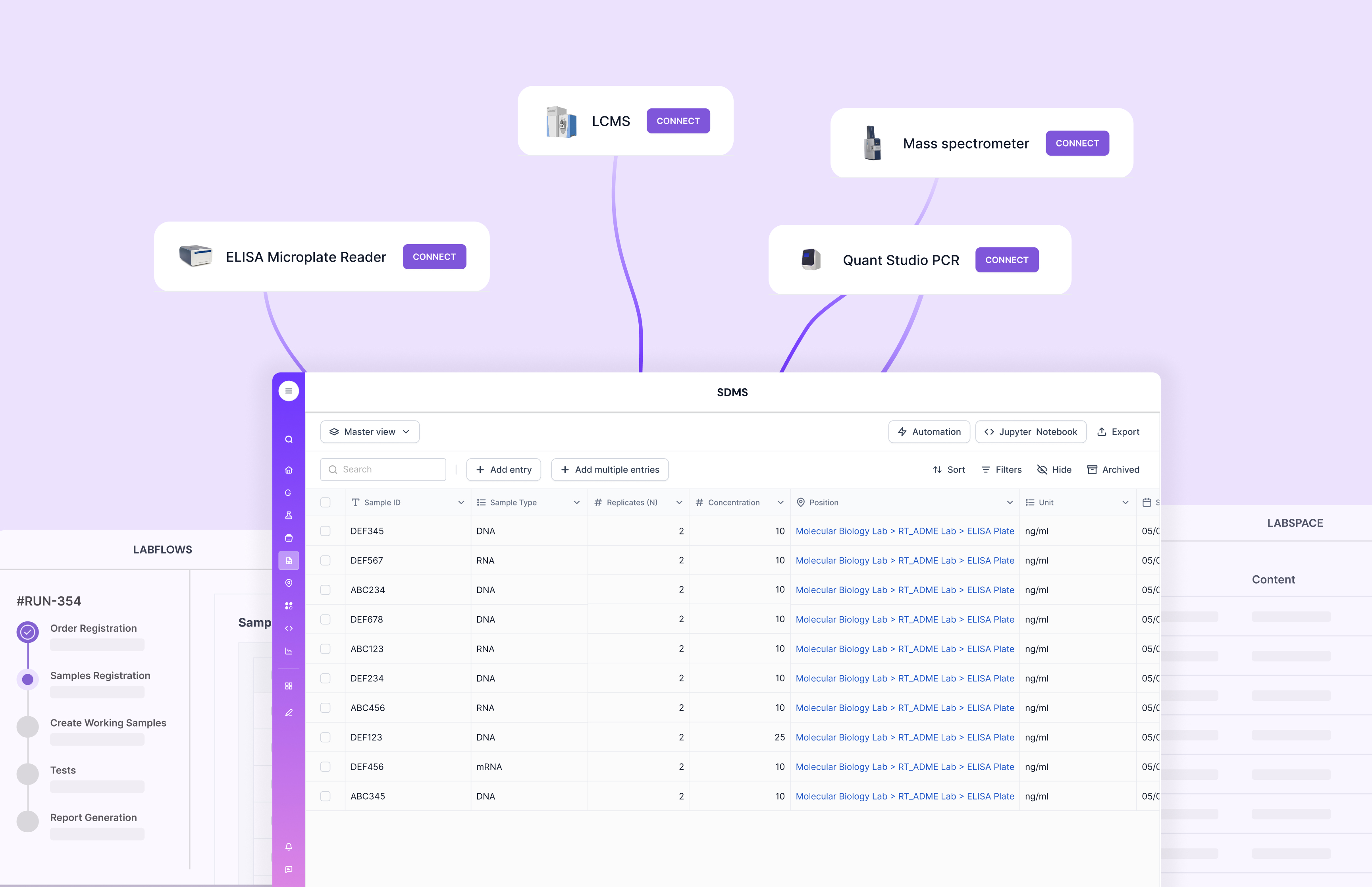
Scispot is strong here because it is built to connect workflows to data, not just store documents. That makes it easier to move from raw outputs to searchable, analyzable, audit-ready records.
Data Management and Analysis
Modern labs generate huge volumes of data, plus lots of small operational details that matter later. The trend is moving toward structured capture, fast search, and reporting that can be trusted during reviews.
This is an area where many legacy LIMS tools can fall short in day-to-day experience. Teams often describe rigid configuration, dated interfaces, and slow change cycles, which makes “continuous improvement” feel expensive and slow.
Compliance and Quality Control
Compliance is moving from “prepare for audits” to “operate audit-ready every day.” Labs want audit trails, role-based controls, review flows, and consistent data capture baked into normal work.
Scispot supports this style of compliance by aligning workflows with controlled records, approvals, and traceability. It helps labs stay confident that the record reflects reality, even as teams scale and processes evolve.
Scispot as the Operating System for Modern Lab Operations
Labs are also moving away from “a pile of tools” and toward one system that can hold the full story of work. That means workflows, results, files, approvals, and context in one place. Scispot fits this shift well. It gives labs a single operational backbone, so automation and people stay in sync.
In Scispot, teams can capture structured results in Labsheets, run repeatable steps in Labflows, and connect instruments or external systems through GLUE. That matters when you’re scaling sample handling, RPA-style routines, and multi-step assays. You get cleaner traceability because each step stays tied to the same record. You also get audit-ready history with role-based access, review flows, and e-signature style sign-offs that labs use for compliance alignment.
As AI and smart lab setups expand, labs need software that can turn raw data into searchable, usable decisions. Scispot supports this by keeping data organized for dashboards, quick reporting, and analysis workflows without breaking chain-of-custody. It also helps teams spot bottlenecks faster because the “where did time go?” question becomes visible in the workflow trail. That’s the difference between owning tools and running an operation.
The advent of smart labs is turning equipment into “live data sources”
Smart labs connect instruments and sensors to create a more responsive environment. The trend is shifting from periodic checks to continuous monitoring that can trigger alerts and link issues to impacted runs.
This raises the bar for the LIMS, because events must be tied back to samples, runs, and decisions. Scispot’s connected approach helps prevent “alert in one system, evidence in another” chaos.
IoT-Enabled Devices
IoT devices monitor temperature, humidity, pressure, and other environmental signals. They can alert teams quickly when parameters drift, which reduces risk to samples and improves safety.
The real benefit comes when those alerts connect to the operational record. When the LIMS links the event to the affected samples and work, investigations become faster and less subjective.
Predictive Maintenance
Predictive maintenance uses equipment signals to flag likely failures early. This reduces downtime and helps labs plan maintenance around workload instead of reacting mid-run.
As labs add more connected devices, they also need stronger governance. That makes a modern LIMS even more important, because it becomes the hub for accountability and documentation.
Innovations in laboratory techniques are increasing the need for stronger operational systems
.jpg.webp)
New lab techniques are pushing throughput and complexity at the same time. That creates more results per run, more metadata per sample, and more pressure to standardize how records are created.
A modern LIMS needs to handle this without turning work into a data-entry burden. Scispot is designed for structured capture that stays usable, even when workflows get complex.
Molecular Diagnostics
Molecular diagnostics is expanding quickly, especially across PCR and sequencing workflows. These methods increase the need for clean lineage, reagent traceability, and versioned reporting.
Many labs outgrow notebook-first or spreadsheet-heavy processes here. Scispot helps by keeping run context, sample relationships, and results in one coherent record that is easy to review.
Lab-on-a-Chip Technology
Lab-on-a-chip miniaturizes lab processes and enables parallel analysis with smaller volumes. It increases the number of micro-results that need structure and context.
This is where “file storage” systems struggle. Scispot’s table-first model makes it easier to represent many results cleanly, without losing the run narrative.
The role of AI in labs is shifting from “analysis only” to “operations + analysis”
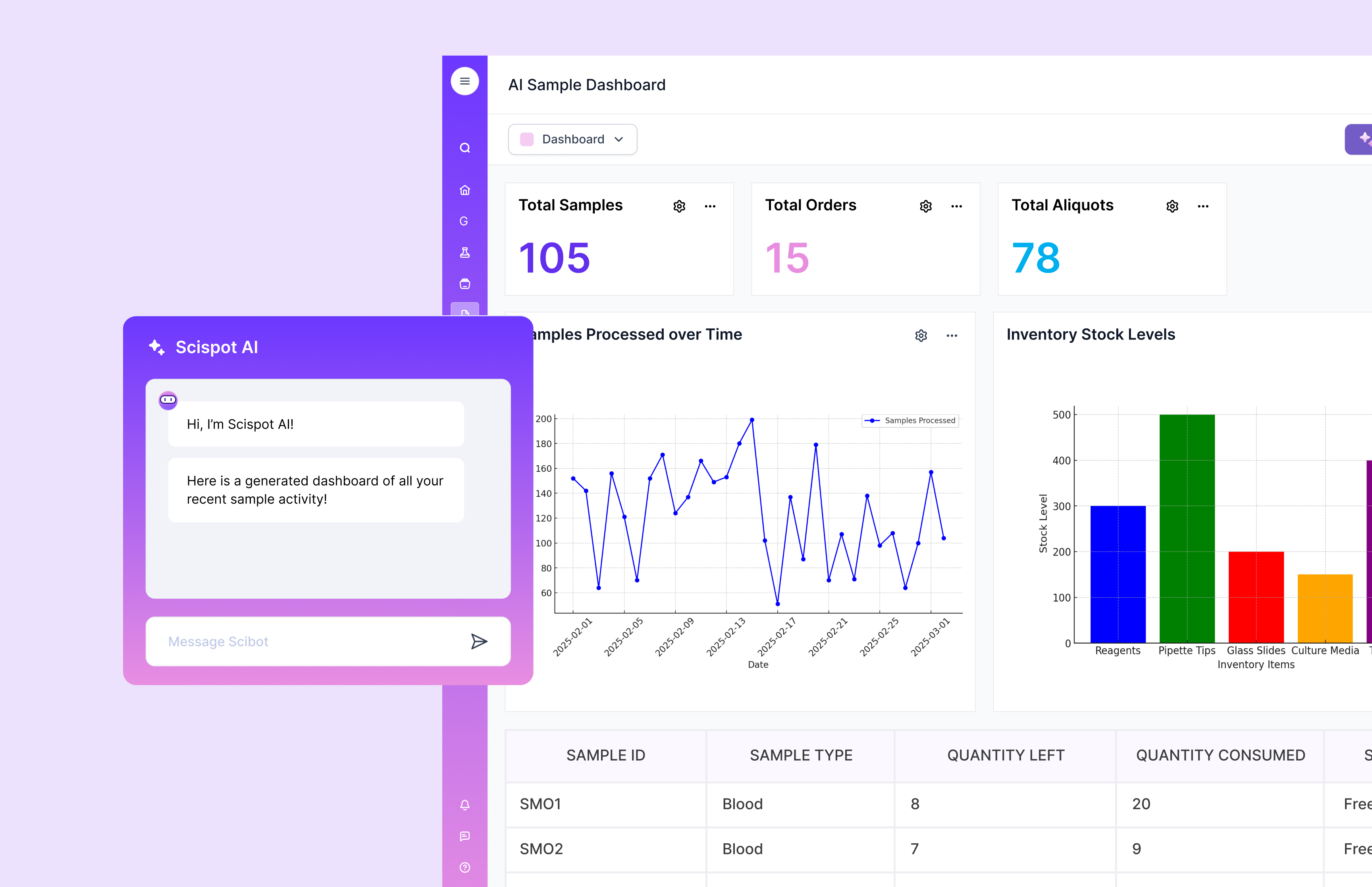
AI is becoming more useful in the day-to-day flow of work. The trend is moving from running analysis in a separate environment to embedding insights into the operational record.
That matters because decisions need traceability, not just predictions. Scispot’s strength is that analysis outputs can remain attached to the same objects teams review and sign off.
Enhanced Data Analysis
AI can analyze large datasets quickly and spot patterns humans might miss. It helps teams interpret results faster, especially when datasets are wide and multi-modal.
The operational win comes when insights are linked back to samples and runs. That linkage reduces rework and makes peer review more grounded.
Process Optimization
AI can also help predict bottlenecks and suggest improvements. This is valuable for labs scaling throughput, where small delays compound into big turnaround hits.
Fragmented tooling makes optimization hard because the evidence is scattered. Scispot reduces that fragmentation by keeping workflow steps and outcomes connected.
Future prospects and challenges
The future looks strong, but change brings real friction. The biggest challenges tend to be operational, not scientific.
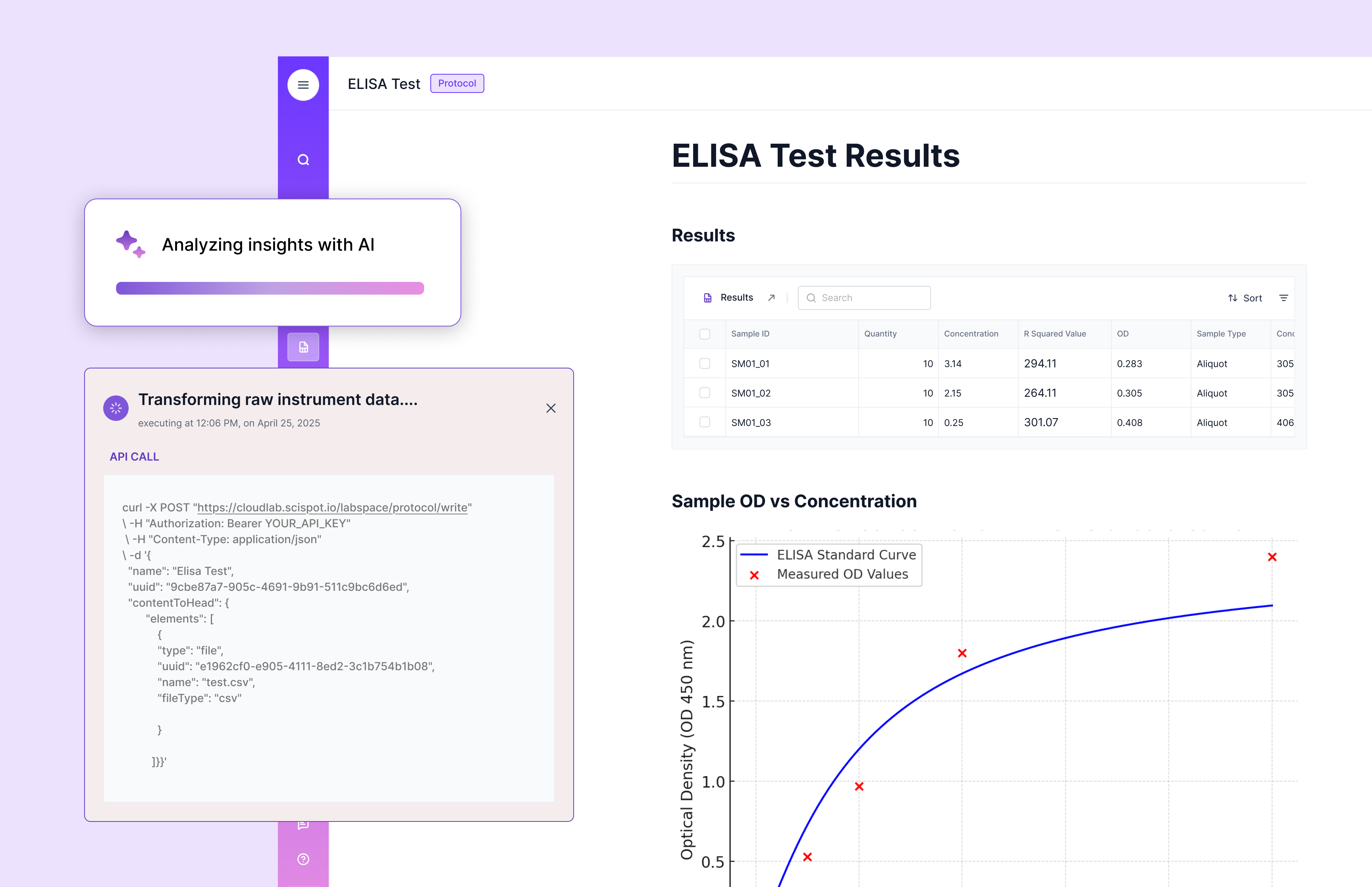
Labs need systems that adapt without becoming fragile or expensive to modify. This is where many older platforms feel heavy, because customization can create upgrade pain and slow down iteration.
Keeping Up with Rapid Technological Advancements
Technology evolves fast, and labs need their operations to keep pace. The trend is toward flexible configuration, faster onboarding, and easier integration without long professional-services cycles.
This is a common weakness in older vendor ecosystems. Some platforms can feel locked into rigid models, which makes small process changes take longer than they should.
Balancing Automation and Human Expertise
Automation helps, but human judgment remains essential. Labs perform best when automation handles repetition and humans handle interpretation, exceptions, and accountability.
A good LIMS supports that balance by making exceptions visible and reviews easy. Scispot is built to keep the human decision trail clear, while still enabling automation to scale.
Conclusion
The latest trends in lab operations technology are redefining what is possible in laboratory settings. Automation, smart labs, integrations, and AI are all accelerating, but the common thread is the need for one operational backbone that keeps records coherent.
.gif)
Scispot fits this moment better than legacy-style systems because it is built around connected workflows and structured data. It helps labs move faster without losing traceability, which is exactly what modern lab ops demands.
%20Comprehensive%20Guide.avif)
.webp)