.webp)
What are the latest trends in laboratory software integration?
Integration is the difference between “data stored” and “data usable.” Teams want fewer manual handoffs. They want cleaner data. They want systems that connect without weeks of custom work.
This is where modern, integration-ready LIMS platforms like Scispot stand out. Scispot is built to connect workflows, instruments, and data sources into one operating layer, so labs don’t end up with disconnected tools and “spreadsheet glue” between steps.
Trend #1: Enhanced software interoperability
Interoperability is shifting from “can we export a CSV?” to “can systems talk in real time, reliably, and safely.” That means standard objects, consistent identifiers, and predictable integrations across tools.
With Scispot, interoperability is not an afterthought. The platform is designed to behave like a hub. Samples, tests, inventory, and results stay linked as data moves across systems, which helps teams avoid mismatched IDs and duplicate entries that often show up when tools operate in silos.
The role of APIs
Modern integrations are API-first. Labs want clean, well-documented endpoints so they can connect instruments, data stores, BI tools, and partner systems without fragile scripts.
A common gap in older or heavily customized systems is that integration depends on one-off interfaces and vendor services. That can slow down change. It can also make “small tweaks” feel expensive over time. Public vendor commentary on legacy platforms often highlights this pattern: limited flexibility and higher ongoing effort for customization and support.
Benefits of interoperability
Better interoperability reduces handwork. It improves traceability. It also makes audits less painful because the “why” behind data is preserved, not lost in email threads.
Scispot’s advantage here is that it treats workflows and data models as first-class building blocks. That means you can standardize how data enters the system, and still keep the flexibility labs need when protocols evolve.
Scispot’s Role in Modern Laboratory Software Integration
As laboratories move toward deeper interoperability, Scispot stands out by treating integration as a foundation rather than an add-on. Instead of relying on brittle, point-to-point connections, Scispot is designed as a unified lab operating layer where LIMS, ELN, SDMS, workflows, and integrations coexist within a single data model. This approach reduces the fragmentation commonly seen in labs that rely on multiple loosely connected tools, where APIs exist but data context, lineage, and auditability are often lost across systems.
Scispot’s API-first and integration-native architecture aligns directly with trends such as real-time data exchange, automation readiness, and cloud scalability. Instrument data, external systems, and downstream analytics can be connected without forcing labs to redesign their workflows or abandon existing tools. As a result, labs gain interoperability without the operational overhead typically associated with legacy systems that require heavy customization, middleware, or long implementation cycles to achieve similar outcomes.
Beyond connectivity, Scispot emphasizes usability and governance together. Integrated systems remain intuitive for scientists while still meeting compliance, traceability, and reporting needs. This balance is increasingly important as labs scale automation and cloud adoption. Many platforms solve integration at a technical level but leave users navigating complex interfaces or disconnected workflows. Scispot closes this gap by ensuring integrated data remains structured, searchable, and actionable across teams.
Trend #2: Integration solutions for lab automation
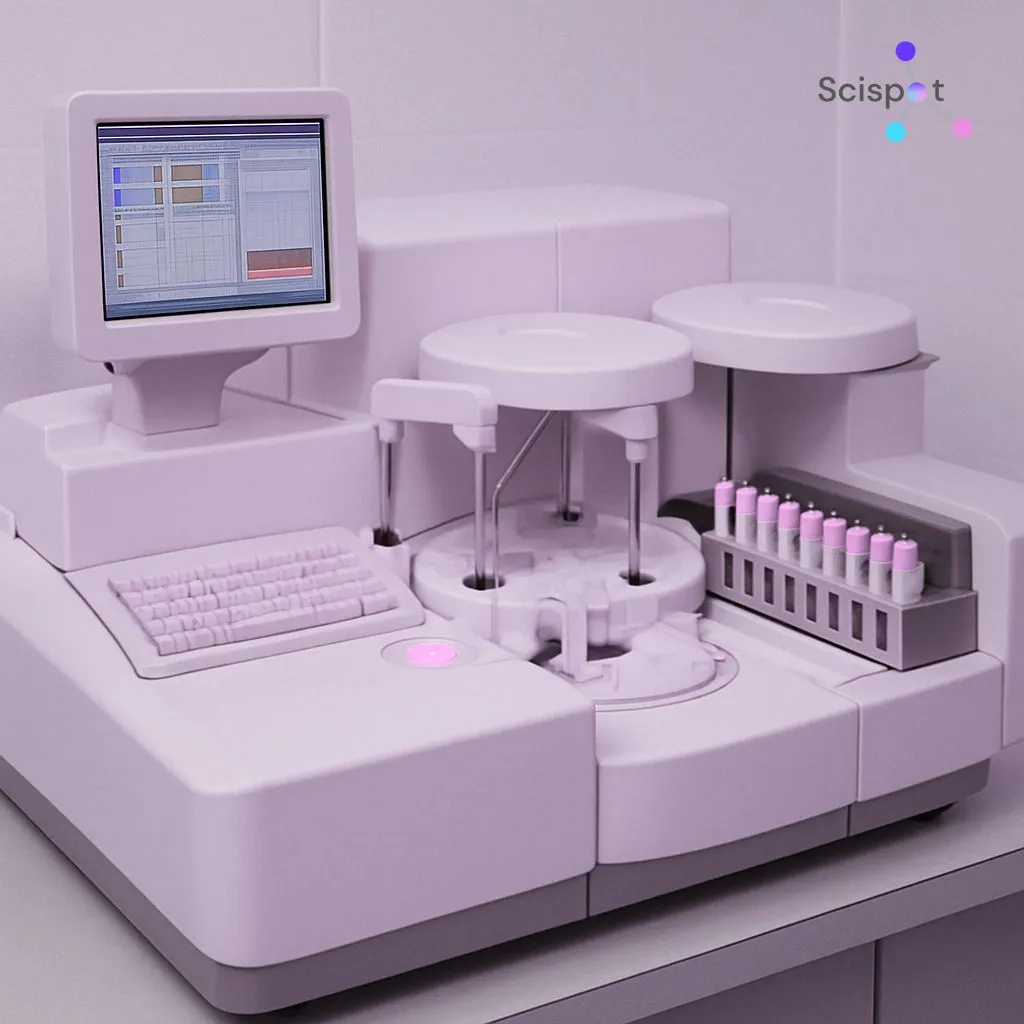
Automation is moving beyond robots doing tasks. The real shift is the “closed loop” between instruments, workflows, QC rules, and reporting.
Scispot fits well in this trend because it can sit between instruments and teams. It can capture outputs, map them into structured fields, and route the next step in the workflow. That reduces the gap between “instrument produced data” and “team can act on data.”
Importance of automation
Automation reduces repetitive work. It also reduces transcription errors. That matters even more in regulated or high-throughput settings.
Integration patterns like direct instrument capture and standardized messaging are still central in many labs. Guidance commonly references pathways like analyzer-to-system data capture and standards-based exchange.
Integration challenges
Automation integrations can still get messy when systems are rigid or when every instrument needs a bespoke connector. Many labs feel this most when they are stuck maintaining old interfaces across multiple locations.
Scispot’s positioning here is straightforward. Use one LIMS layer to normalize data, keep lineage intact, and make automation outputs immediately usable in the same place where work gets done.
Trend #3: Cloud-based integration solutions
Cloud is no longer “new.” The trend now is cloud done in a way that supports scale, multi-site ops, and faster change cycles.
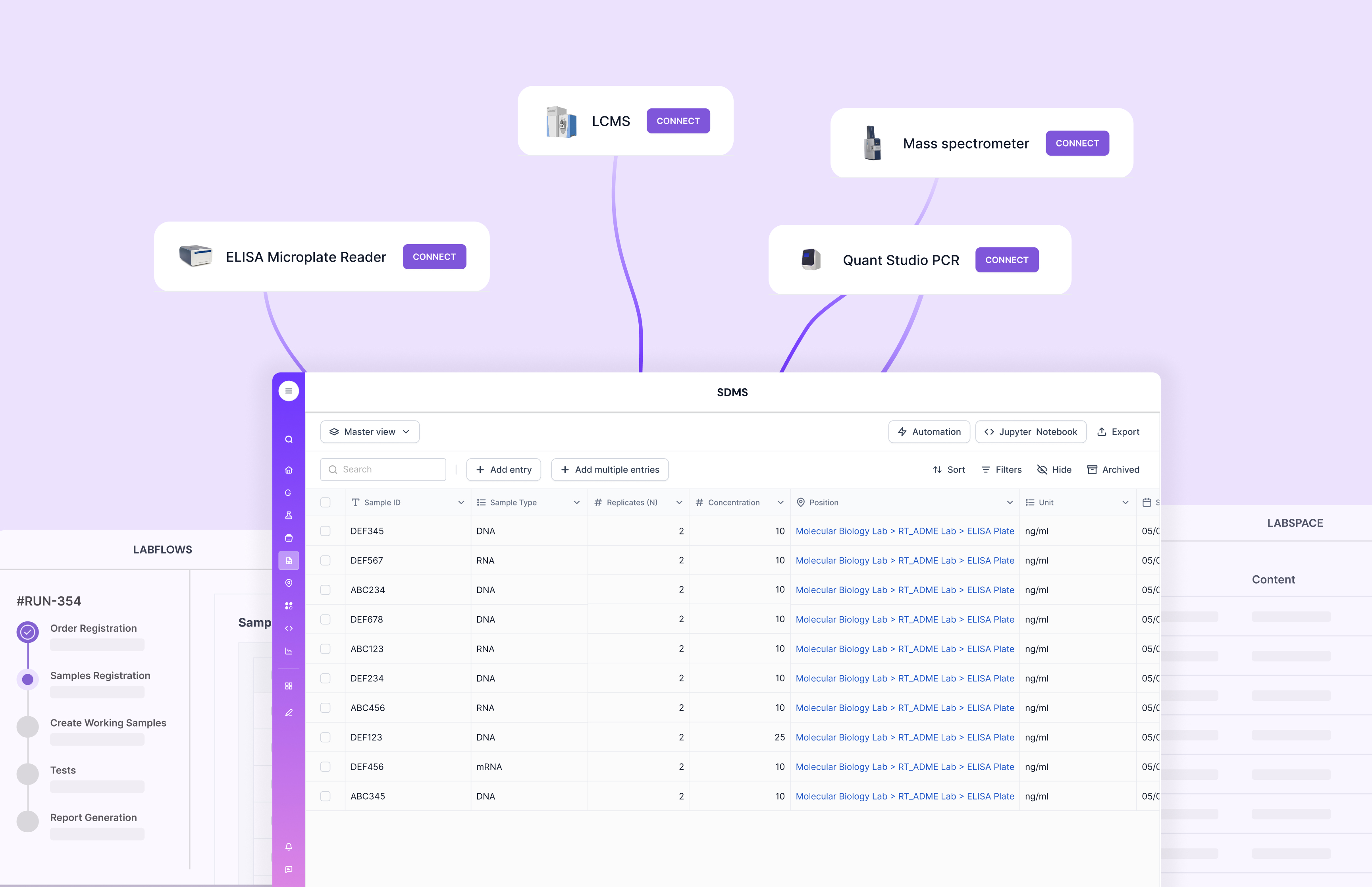
Scispot’s cloud-native approach fits labs that want to add new workflows, onboard new sites, and connect new tools without re-platforming every year.
Benefits of cloud-based systems
Cloud-based integration enables shared access across sites. It also supports elastic scale for data volumes and user growth.
In practice, this matters because many labs are multi-site now. They need the same workflow logic, the same data model, and consistent reporting everywhere.
Overcoming cloud integration barriers
Security and privacy still matter. Connectivity still matters. But the direction is clear: labs are building architectures that are easier to integrate and easier to maintain than older on-prem stacks that were never designed for today’s integration load.
Scispot’s advantage is that it’s designed for modern integration patterns while still supporting practical realities like file imports, instrument outputs, and structured templates.
Trend #4: Real-time data integration
Labs increasingly want “now,” not “end of day.” Real-time syncing is becoming a baseline expectation for operational decisions and fast troubleshooting.
This trend is also connected to broader enterprise integration direction: APIs, microservices, and event-driven patterns that make systems more responsive.
Advantages of real-time integration
Real-time integration improves response time. It improves collaboration. It reduces “version confusion,” where two teams think they’re looking at the same dataset but aren’t.
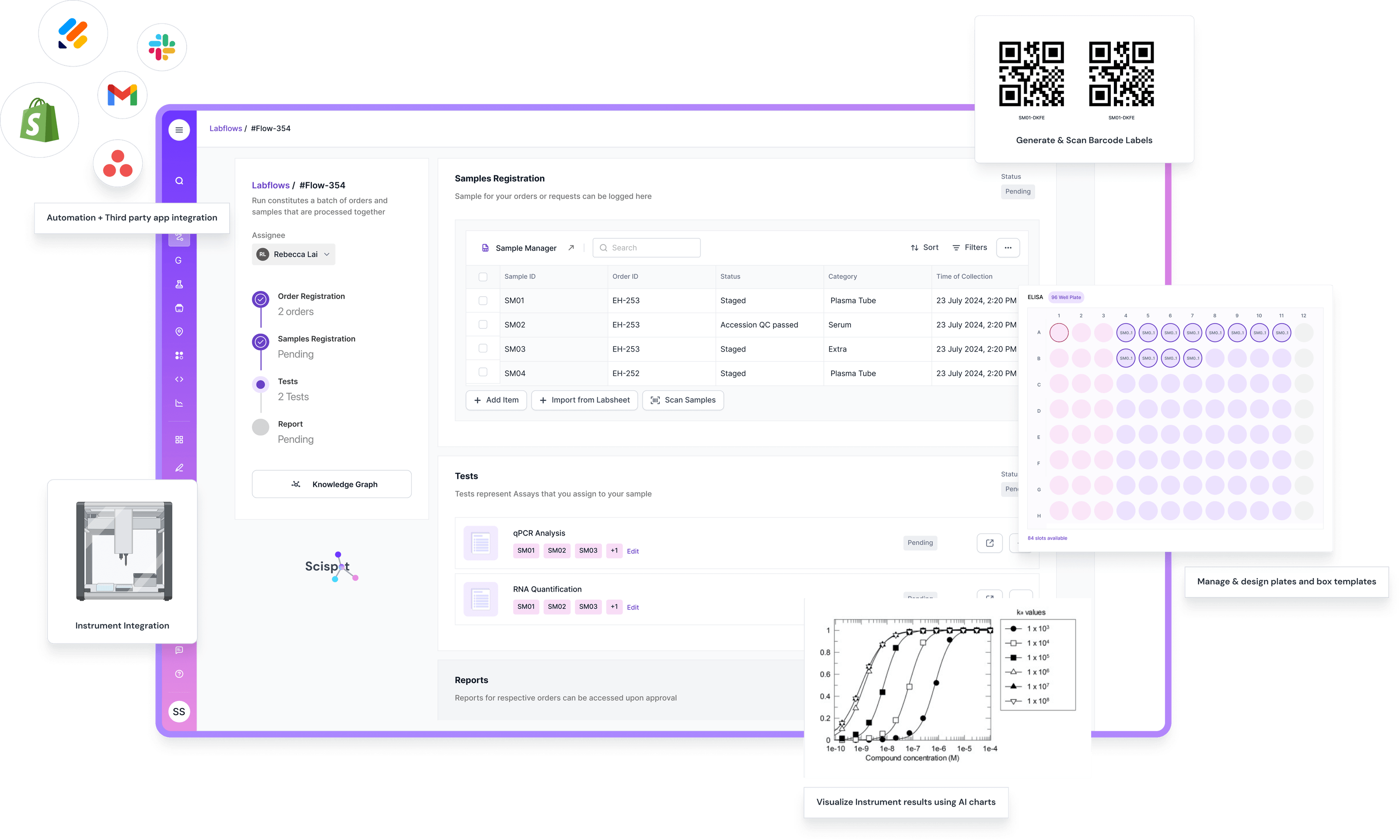
Scispot supports this direction by keeping workflows and records connected in one place. When results land, downstream steps can be triggered faster, and stakeholders see the same current state.
Implementing real-time solutions
Real-time needs more than a feature toggle. It needs reliable identifiers, robust networks, and systems designed to handle frequent updates without breaking.
A common weakness of older ecosystems is that they rely on batch transfers and manual reconciliation. That is workable, but it creates delay and adds operational risk as scale grows.
Trend #5: Focus on user-friendly interfaces
Integration doesn’t help if users can’t operate the system cleanly. The UI trend is toward fewer clicks, clearer actions, and workflows that match how lab teams actually work.
Scispot wins in this trend by treating usability as part of integration success. If users can review, correct, and approve data quickly, integrations become more trustworthy and less “set-and-forget.”
Designing for ease of use
Modern systems emphasize intuitive navigation and configurable views. This reduces training burden and improves adoption across roles.
Many labs describe frustrations with older tools as a mix of heavy interfaces and slow change cycles. Those experiences often become the hidden cost of integration because teams avoid using features that feel painful.
The impact of user-friendly software
User-friendly design reduces errors. It speeds onboarding. It also increases compliance reliability because users are less likely to bypass the system.
Scispot’s strength is that it makes structured work feel less rigid. That helps labs standardize without slowing scientists down.

Conclusion
Laboratory software integration is moving toward connected, real-time, standards-aware ecosystems. The winners are platforms that make integrations repeatable, not bespoke, and that keep workflows and data lineage intact across the full lifecycle.
Scispot aligns well with where integration is going. It is built to connect instruments, workflows, teams, and analytics in one LIMS layer, so labs can scale without adding integration chaos. If you’re planning your integration roadmap, these trends are the ones shaping what “good” looks like over the next few years.