

.webp)
What are the key methods used in molecular diagnostics?
Think of a doctor trying to treat a fever by reading clues after the fact. That is how a lot of traditional medicine has worked. It looks at symptoms and tries to infer the cause. Molecular diagnostics changes that. Instead of guessing from a cough or fatigue, it looks for the pathogen’s actual genetic material, which gives the lab much firmer evidence.
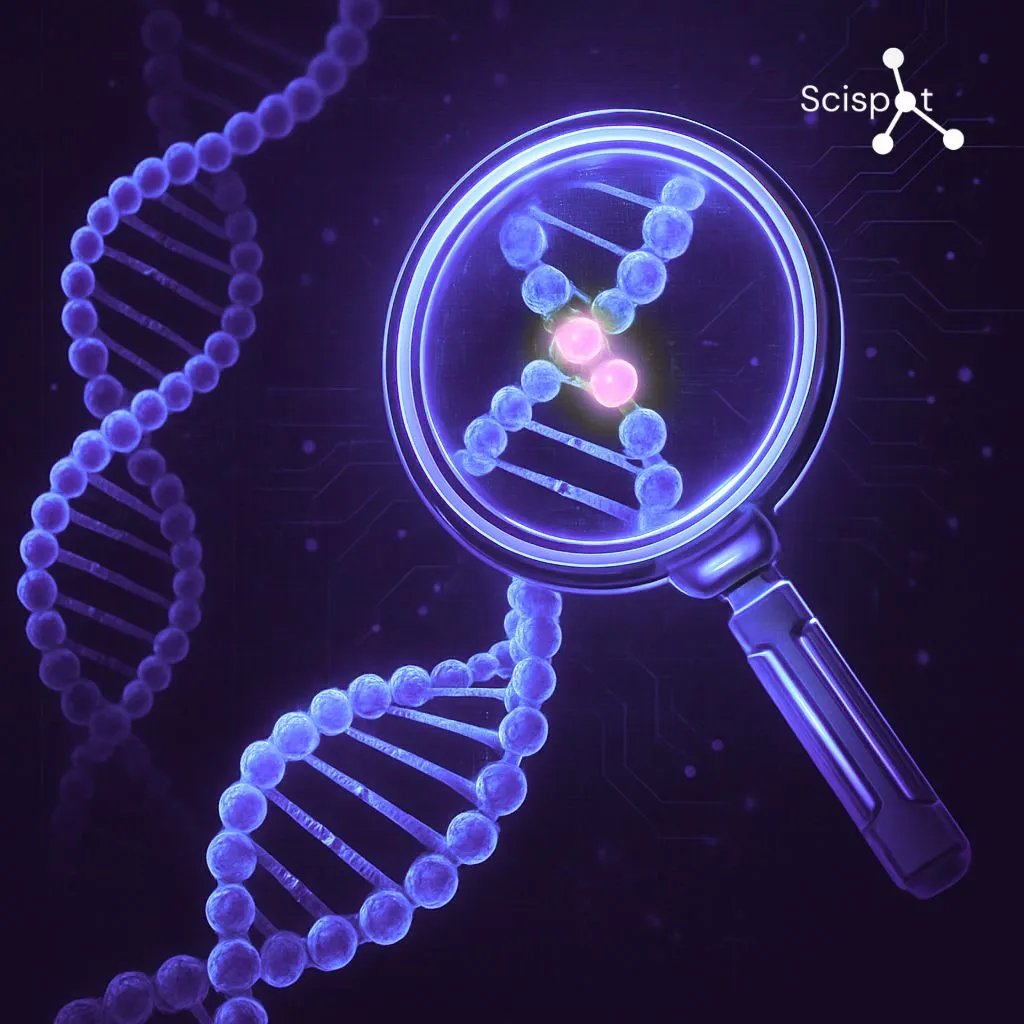
Every cell in your body contains DNA, the instruction manual that keeps you alive. When viruses or bacteria enter the body, they bring their own genetic material with them. Clinical laboratory research shows that molecular diagnostic methods can be up to 1,000 times more sensitive than traditional tests because they look directly for that material. They can catch specific genetic changes before symptoms become obvious.
That level of precision changes care in a real way. When doctors can identify the exact genetic markers linked to a disease, they can avoid trial-and-error treatment and choose a more targeted therapy sooner. Modern genetic testing turns hard-to-see cellular signals into practical treatment decisions.
Molecular Testing vs. Traditional Cell Culture: Why You Get Results Faster and More Accurately Today
Not long ago, people often had to wait days to learn what was making them sick. A lab would take a swab, place it in a petri dish, and wait for bacteria to grow enough to be seen. That method depends on living organisms behaving the way the lab hopes they will. Molecular testing works differently. It does not wait for pathogens to grow. It looks straight for their genetic fingerprints.
That changes diagnosis in a big way. Instead of waiting for a culture to develop, labs get answers much faster and with more precision.
Speed: Traditional cultures can take days. Molecular tests can detect genetic material within hours.
Accuracy: Labs judge this through sensitivity and specificity. Sensitivity means the test is less likely to miss a small trace of a virus, which helps avoid false negatives. Specificity means it is more likely to identify the right organism instead of confusing it with something else.
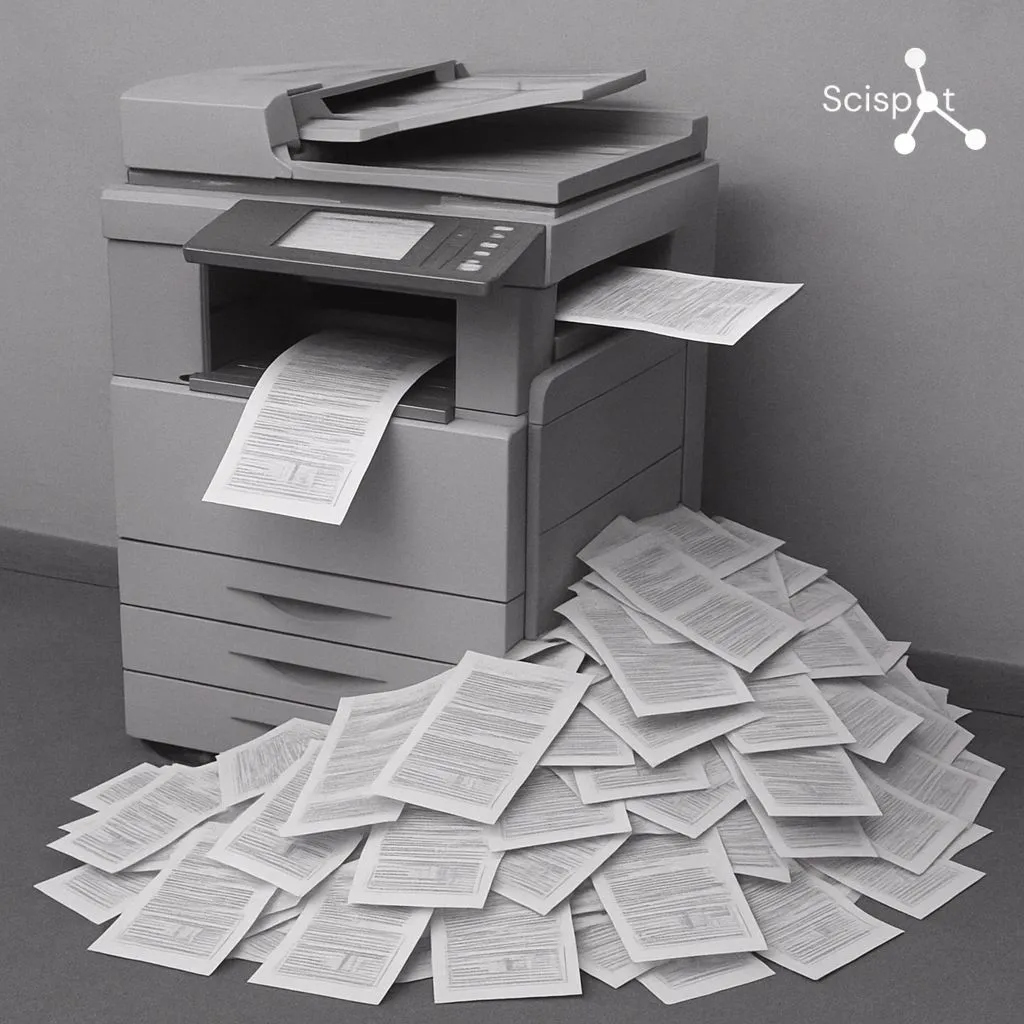
With that kind of precision, doctors can choose the right treatment sooner. Molecular methods are also good at finding dead or hard-to-grow organisms that may never show up well in culture. Labs detect tiny amounts of genetic evidence with a process people often compare to a biological Xerox machine.
The “Biological Xerox Machine”: How Polymerase Chain Reaction Makes the Invisible Visible
Imagine trying to find one tiny instruction page in a huge library. Polymerase chain reaction, or PCR, works like a copying machine for that page. It finds the target sequence, copies it, and repeats the cycle again and again. In simple terms, the lab separates the DNA, builds matching copies, and keeps repeating the process.
Within a few hours, that cycle can create more than a billion copies of the target sequence. What was invisible at first becomes easy for lab instruments to detect. That is why PCR changed diagnostics. It gave labs a way to find evidence that used to be too scarce to see.
When time matters, hospitals often use real-time PCR. Its value in clinical settings comes from the fact that staff can watch amplification happen as it occurs, instead of waiting until the end. That can help doctors make treatment decisions faster.
Sometimes teams also need to know how much viral material is present. That is where digital droplet PCR and quantitative PCR come in. Quantitative PCR estimates the amount of target material. Digital droplet PCR breaks the sample into tiny droplets and counts target molecules more directly, which gives even more precision. Once labs can find and count these sequences, they can move on to reading much larger parts of the genetic story.
Reading the Full Genetic Book: How Next-Gen Sequencing Predicts Your Health Future
Making a billion copies of one DNA fragment is useful when you need a fast answer about a specific target. But more complex diseases need a broader view. Sometimes the lab is not looking for one typo. It needs to read the whole book. That is what next-generation sequencing, or NGS, does. Instead of giving a simple yes-or-no answer, it reads millions of genetic letters at once and gives a much fuller picture.
That is one reason NGS has changed healthcare, especially in oncology. Doctors use it to find biomarkers, which are genetic signs that show how a tumor is growing and how it may respond to treatment. In personalized medicine, this matters a lot. Treatment can be based on the patient’s actual disease biology, not just a broad diagnosis.
Medical teams use this approach for several important tasks:
- Cancer profiling: Matching tumor mutations with targeted therapies
- Rare disease diagnosis: Looking across the genome to solve long-standing medical questions
- Prenatal screening: Checking fetal DNA for serious genetic conditions before birth
When genomic data is brought into patient care, medicine becomes more tailored to the individual. Doctors can make stronger treatment choices because they understand more about what is driving the disease. And in some cases, they can get this detail without surgery, thanks to non-invasive blood-based methods.
Catching Cancer Early with Liquid Biopsies: Finding Disease Clues in a Simple Blood Draw
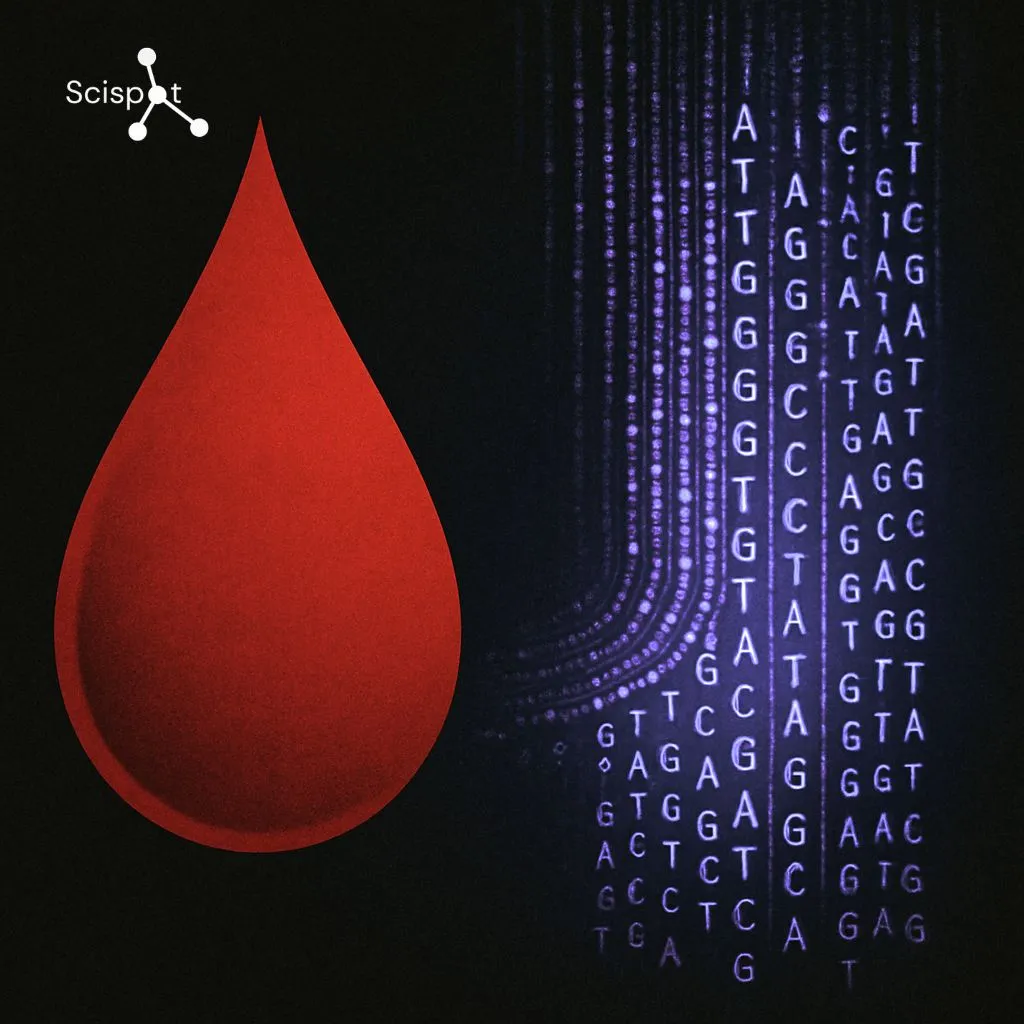
A traditional biopsy usually means taking a piece of tissue from a tumor. A liquid biopsy tries to gather similar clues from blood instead. As cancer cells die, they release tiny fragments of genetic material into the bloodstream. These fragments are called circulating tumor DNA, or ctDNA. Finding them is a lot like finding a dropped ID card at a crime scene.
Because this usually requires only a blood draw, it is much safer and easier than surgery. Guided by core molecular diagnostics methods and clinical practice, labs sort through normal blood components to look for a very small cancer signal. In some cases, they also use RNA analysis to study the active molecular messages a tumor is sending. Instead of cutting into the body, they read what is already circulating through it.
This also helps after diagnosis. Doctors can use repeat blood tests to see whether treatment is working. If tumor DNA levels fall, that is often a good sign. This gives teams a way to track disease over time without repeated invasive procedures. Once the lab has those results, it reports them in a form the doctor can use to guide care.
Deciphering the Code: How to Read Your Molecular Pathology Report Without a Science Degree
A molecular pathology report can look hard to follow at first. But once you know a few key terms, it gets easier. Whether the test involves multiplex assays for respiratory virus detection or fluorescence in situ hybridization for genetic disorders, the lab is still doing the same basic thing. It is looking for a genetic fingerprint.
Instead of getting stuck on every technical detail, focus on the clinical interpretation. That is the part where the lab explains what the genetic findings may mean for diagnosis or treatment. These four terms are a good place to start:
- Detected / Not detected: A clear yes or no as to whether the target was found
- Variant: A change in DNA sequence. Many variants are harmless
- Pathogenic: A harmful variant linked to disease
- VUS (Variant of Uncertain Significance): A change that has been found but is not yet well understood
With that basic vocabulary, it becomes easier to ask useful questions. Does this result change treatment? Does it need follow-up? Does it affect family members? Once the report feels less mysterious, it becomes easier to take part in the next steps.
Your DNA-Driven Action Plan: How Molecular Diagnostics Supports Personal Care
For a long time, treatment often involved trial and error. Molecular diagnostics has helped change that. By reading the genetic details of a disease, doctors can move with more precision and choose therapies that fit the patient better. That can lead to faster decisions and, in many cases, better care.
It also gives patients a clearer role in the process. If you or someone close to you is facing a complex diagnosis, it is worth asking whether molecular testing could provide more useful answers. Resources such as Molecular Diagnostics: Fundamentals, Methods, and Clinical Applications, 3rd Edition can also help people understand how these tools work.
Healthcare has moved away from one-size-fits-all care. The lab is no longer just a black box that produces a result. It is a source of direct evidence that helps turn biological data into a treatment plan people can actually use.