

.webp)
What are the fundamentals and applications of molecular diagnostics?
Molecular diagnostics has changed how we detect and manage disease. It gives labs a more precise way to see what is happening inside the body. Instead of broad signals, it looks at specific genetic and molecular markers.
The approach focuses on DNA, RNA, and proteins. That makes it possible to spot mutations linked to disease. RNA testing and DNA diagnostics sit at the core, giving clear genetic signals that older methods often miss.
Biomarker analysis helps catch disease early. It also supports precision medicine, where treatment is based on a person’s genetic profile. This leads to better decisions and, often, better outcomes.
The field keeps moving fast. New tools, studies, and conferences push it forward. These updates matter because they shape how labs work day to day.
Molecular diagnostics now sits at the center of modern healthcare. It guides lab workflows and public health decisions, and it will keep expanding as tools improve.
What is Molecular Diagnostics?
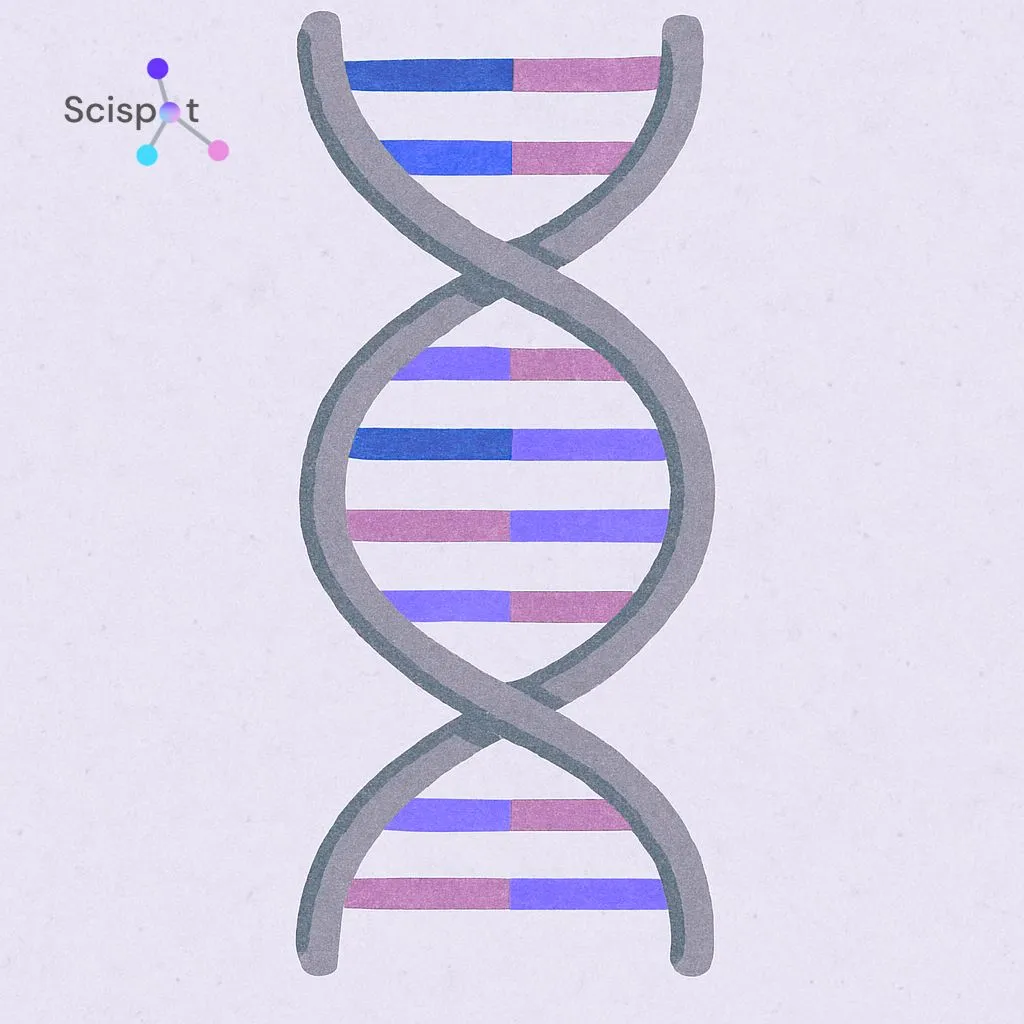
Molecular diagnostics studies DNA, RNA, and proteins to understand disease at a deeper level. It gives insights that traditional methods often miss.
At its core, it is about precision. It finds mutations and biomarkers that signal disease. That makes earlier detection possible and helps guide treatment choices.
Key elements include:
- Analysis of genetic variations
- Detection of specific biomarkers
- Evaluation of gene expression
New technologies have made this possible. Methods like PCR and next-generation sequencing have changed how labs read and use genetic data.
In simple terms, it lets you read the body like code instead of just observing symptoms.
Key Technologies in Molecular Diagnostics
This field runs on a set of core technologies. Each one improves how fast and how accurately labs can detect disease.

PCR (Polymerase Chain Reaction) is widely used. It copies small DNA segments so they can be studied in detail. This is essential for detecting infections and mutations.
Next-Generation Sequencing (NGS) takes it further. It reads large parts of the genome quickly. That makes it useful for cancer research and large-scale genetic studies.
Other key tools include:
- PCR
- NGS
- Fluorescence in situ hybridization (FISH)
- Microarrays
FISH helps map genetic material inside cells. It is often used to find chromosomal issues. Microarrays allow large-scale gene expression studies in one run.
Together, these tools form the backbone of modern molecular testing and precision medicine.
Applications in Disease Detection and Clinical Diagnostics
Molecular diagnostics plays a central role in disease detection. It identifies pathogens and genetic conditions with high accuracy. That speed and precision matter when treatment timing is critical.
In clinical diagnostics, these methods have reshaped how labs operate. Results come faster, and confidence in those results is higher. This is especially important for infectious diseases.
Its use cases continue to expand. Labs now rely on it for cancer screening, rare disease diagnosis, and routine testing workflows. Biomarkers help detect disease earlier, which improves outcomes.
Common applications include:
- Detection of infectious agents
- Cancer screening and biomarker analysis
- Diagnosis of genetic disorders
- Prenatal genetic testing
These tools also support public health efforts. They help track disease spread, monitor progression, and measure how well treatments work.
.jpg.webp)
Molecular Diagnostics in Precision Medicine and Genetic Testing
Precision medicine depends on molecular diagnostics. It uses genetic data to guide treatment decisions for each patient.
Genetic testing reveals risk before symptoms appear. That helps with prevention and long-term care planning, especially for inherited conditions.
RNA testing adds another layer. It shows how genes behave, not just how they are structured. This helps researchers understand disease pathways and find new drug targets.
Key contributions include:
- Personalized treatment plans
- Early detection of hereditary conditions
- Deeper insight into disease mechanisms
- Identification of potential drug targets
This shift moves healthcare away from one standard approach. It focuses instead on what works best for each person.

Current Trends and Innovations
The field continues to evolve, driven by better tools and smarter data use.
AI and machine learning now play a role in analysis. They help detect patterns in complex datasets and improve prediction accuracy. What once took weeks can now happen much faster.
Portable testing is another major shift. Smaller devices allow testing closer to the patient, even in low-resource settings. This improves access and response time.
Key trends include:
- AI in diagnostic workflows
- Portable testing devices
- Machine learning for data analysis
- Faster testing methods
These changes point toward a future where diagnostics are both faster and more accessible.
Market Insights and Leading Companies
The molecular diagnostics market is growing quickly. Demand for precision medicine and genetic testing continues to rise.
Several companies lead this space. They invest heavily in research and new tools to stay competitive.
Key players include:
- HTG Molecular Diagnostics
- Roche Diagnostics
- Abbott Laboratories
- Thermo Fisher Scientific
These companies focus on building advanced diagnostic systems and expanding their reach. Growth in this space depends on constant innovation and the ability to adapt.
Challenges and Future Directions
The field still faces a few hurdles. Regulations can slow adoption, and reagent costs remain high for many labs.
Even so, the direction is clear. Technology continues to improve, and integration with AI will likely sharpen diagnostic accuracy further.
Future focus areas include:
- More portable tools
- Faster and more accurate tests
- Broader use in personalized medicine
- Lower costs for wider access

The next phase will depend on solving cost and access issues while keeping precision high.