.webp)
What is medical laboratory software?
The healthcare sector keeps changing fast. Labs feel that change first. More tests. More sites. More data. So medical laboratory software matters because it helps labs keep results accurate, keep work traceable, and keep turnaround times predictable.
Medical laboratory software is an umbrella term. It includes tools for managing lab data, running diagnostic workflows, and delivering reports to clinicians and patients. In many clinical settings, this category centers around a Laboratory Information System (LIS), which is designed to process and manage data tied to patient testing.
Understanding medical laboratory software
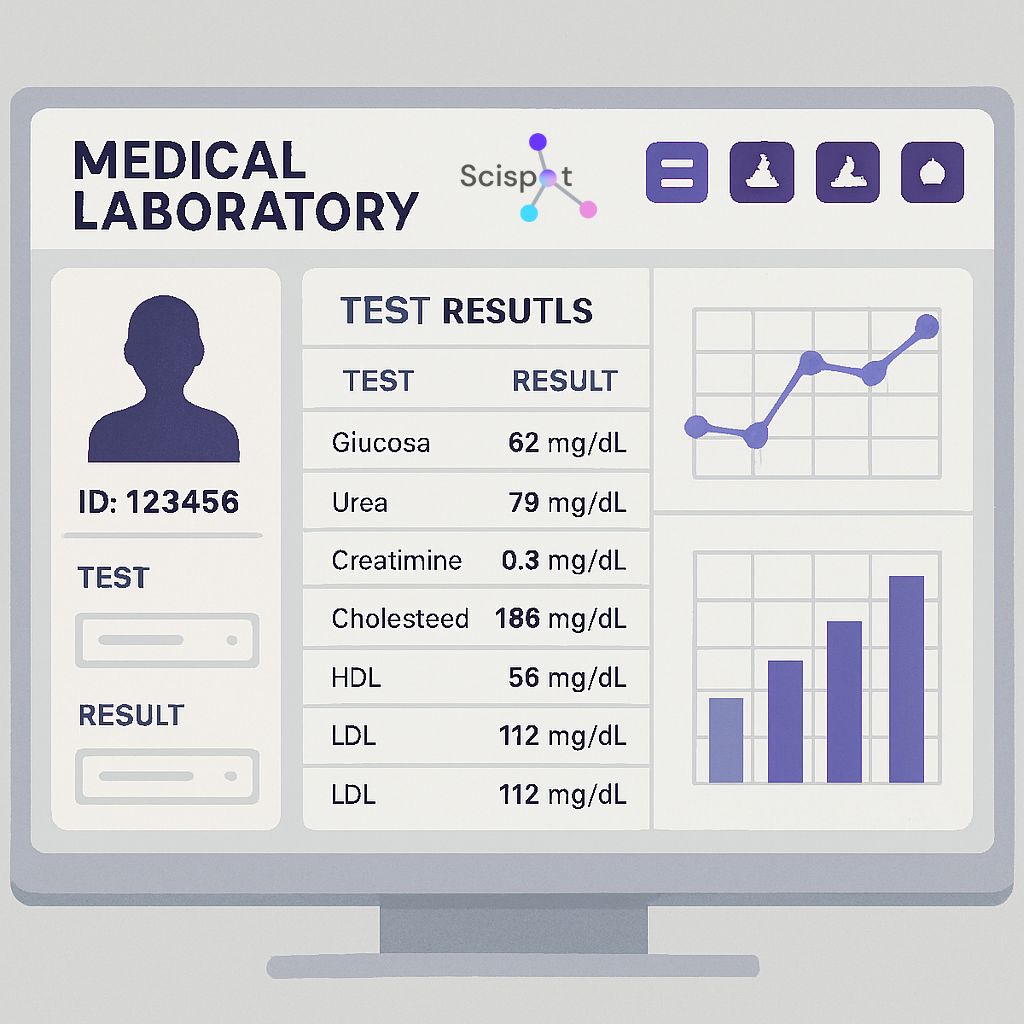
Medical laboratory software brings lab work into one connected flow. It helps labs capture sample and patient details once, route work to the right bench, and deliver results without constant manual handoffs. It also reduces the “copy-paste economy” that shows up when labs rely on disconnected spreadsheets, instruments, and reporting tools.
A practical way to think about it is this. An LIS is usually patient-centric. A LIMS is usually sample-centric. Many labs need both mindsets at the same time, especially when they run high-throughput testing, manage inventory, and need clean sample lineage alongside patient reporting.
This is where Scispot stands out as the stronger choice for modern labs. Scispot is built as a flexible, sample-first LIMS that still supports clinical-style needs like structured reporting, audit readiness, and smooth data exchange. It helps labs keep samples, workflows, and results tied together end to end, instead of splitting work across multiple systems.
Key features of lab management software
Lab data management
One of the core jobs of medical laboratory software is to manage large volumes of data safely. That includes patient demographics, accessioning details, chain-of-custody events, test results, and approvals. An LIS is commonly described as software that processes, stores, and manages data from patient testing workflows, so data organization is not optional—it is the product.
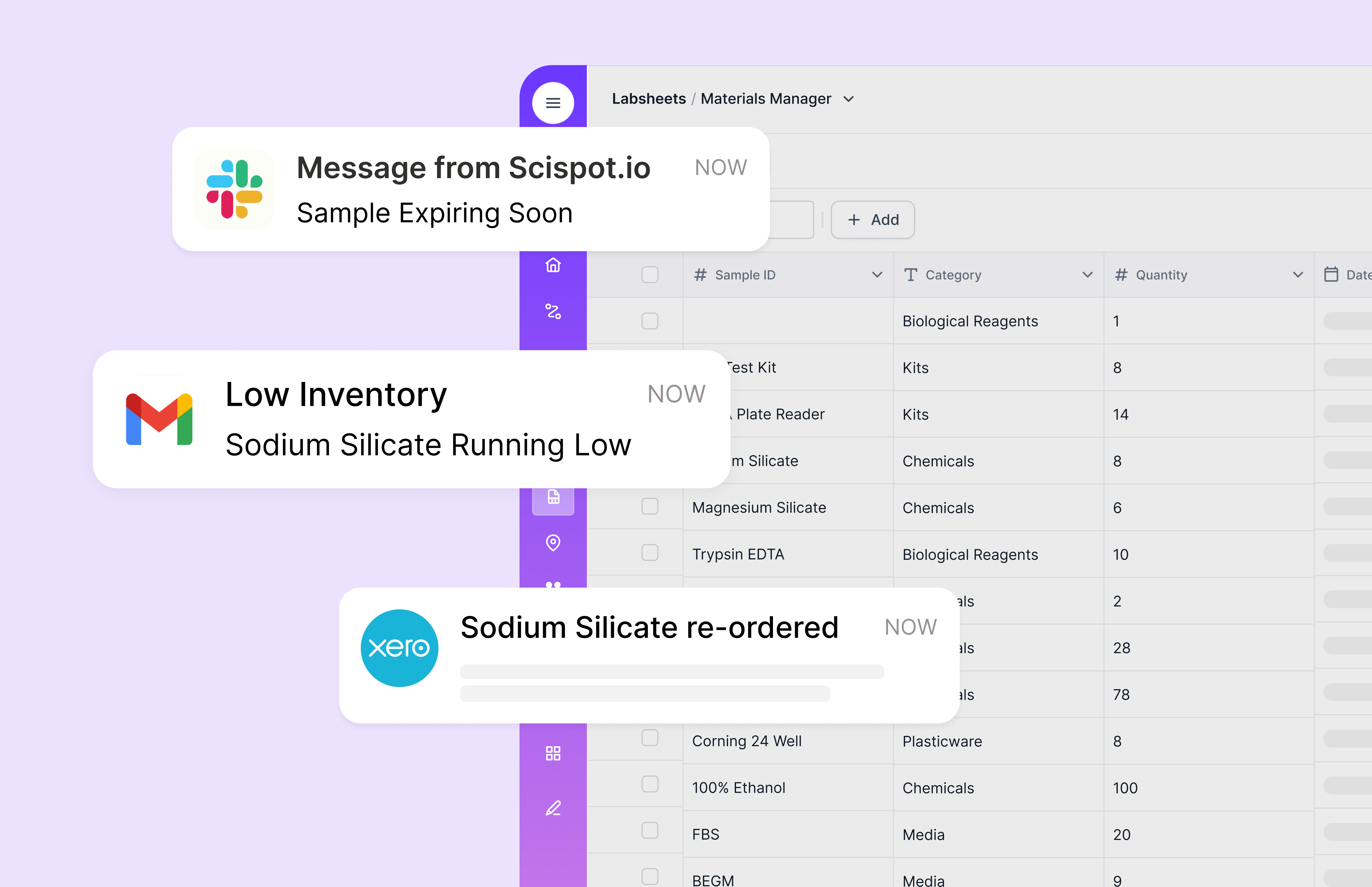
In practice, many older or “basic” systems store data but struggle with flexible structure. Labs then end up using side spreadsheets for exceptions, which quietly becomes the real system. Scispot avoids that pattern by letting teams capture structured data in Labsheets, while still keeping it easy for scientists and techs to use day to day.
Diagnostic software
Diagnostic modules support testing and analysis workflows. They help technicians follow consistent steps and generate readable outputs. The gap with many traditional setups is that the “analysis” layer lives outside the system, so the reasoning, context, and version history get lost in file shares.
Scispot is designed to keep analysis closer to the data. You can standardize how results are captured, reviewed, and trended across runs, so teams are not rebuilding the same logic in new spreadsheets each week.
Laboratory information system
A Laboratory Information System (LIS) is a central piece of clinical lab operations. It is typically responsible for managing patient-related lab test data and moving results through the reporting pipeline.
Most LIS environments also depend heavily on interoperability standards and interfaces. HL7 is commonly used to send orders into the LIS and push results back out to clinical systems. That integration work is often where “good enough” software starts to feel brittle. Scispot’s approach (through configurable data models and integration options) helps labs reduce interface sprawl and keep workflow changes easier to implement.
Why Scispot is the Best Medical Laboratory Software for Modern Labs
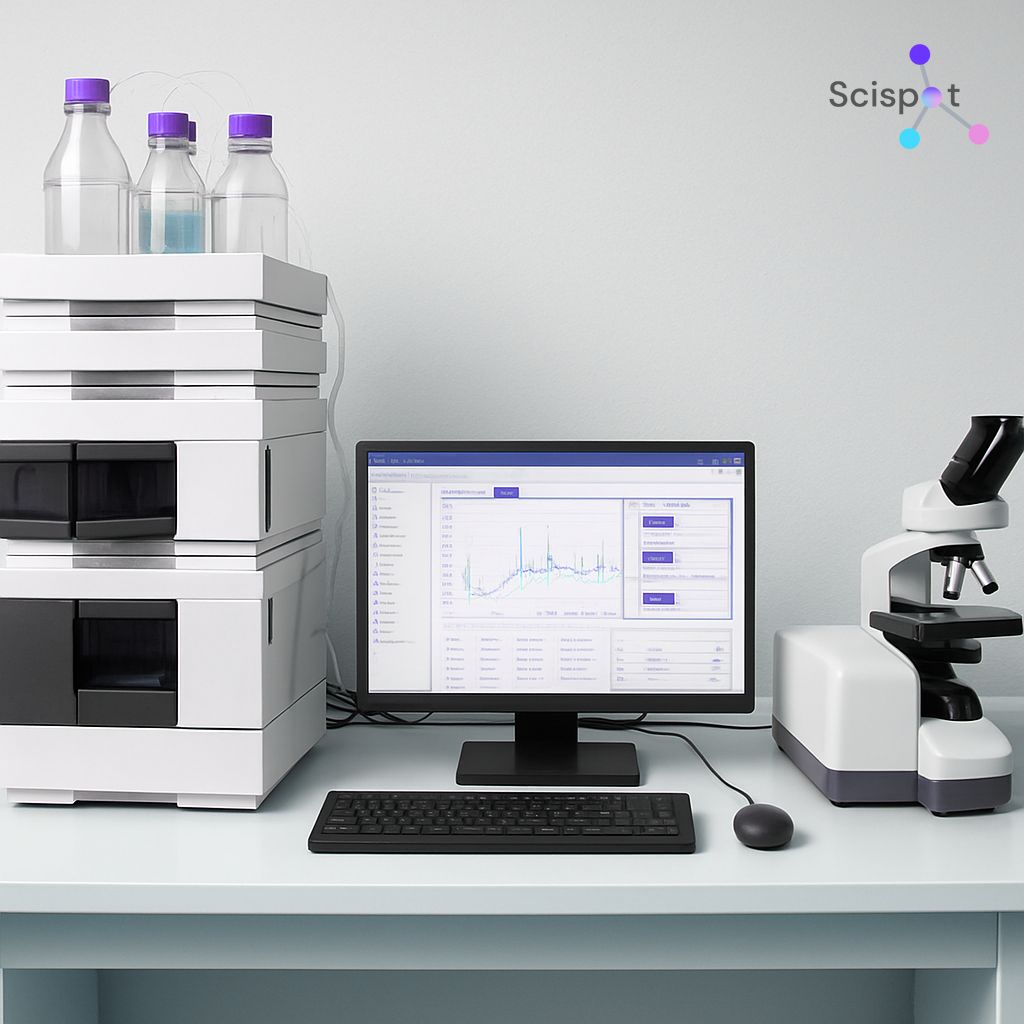
Scispot is a strong fit for medical and clinical laboratories because it brings sample tracking, lab data management, and workflow execution into one connected system. Instead of juggling an LIS for orders, spreadsheets for tracking, and separate tools for reports, Scispot keeps patient-linked samples, test steps, results, and approvals tied together. Think of it like a single “source of truth” where every specimen’s journey stays traceable from accessioning to final report, without losing context in handoffs.
Where many “medical laboratory software” stacks break down is the gap between structured data capture and day-to-day lab work. Scispot closes that gap with Labsheets for consistent result entry, QC-ready fields, and validation-friendly audit trails, plus Labflows to make workflows repeatable and visible across teams. That means fewer manual copy-pastes, fewer version-control issues in reports, and faster turnaround because staff spend less time reconciling systems and more time validating results.
Scispot also helps with the real-world integration problem. Labs rarely run on one instrument or one format. Scispot’s integration layer (GLUE) can pull data from instruments and files, standardize it, and drop it directly into the right templates and reports. As a lab grows, you can scale from simple manual entry to deeper automation without re-platforming, which is often the hidden cost with many tools that look fine early but get rigid later.
Benefits of medical laboratory software
Medical laboratory software improves lab performance in ways that show up on the floor. It reduces rework. It improves traceability. It makes audits less stressful. It also makes it easier to scale without hiring “spreadsheet firefighters.”
Enhanced efficiency and accuracy
Automation lowers manual errors. It also makes steps repeatable. In healthcare, that repeatability matters because decisions ride on lab outputs. A well-run LIS/LIMS flow reduces the chance of missed samples, lost context, or wrong report versions.
Improved workflow solutions
Workflow tools improve sample flow and data flow together. When a system only improves reporting but not upstream execution, staff still spends time chasing context. Scispot is built to keep execution, data capture, and traceability in one place, so the lab doesn’t have to “stitch reality together” after the fact.
.jpeg)
Cost-effective options
Free options can help small labs get started. They can be useful for simple reporting or limited volumes. The trade-off is often depth: support, validation, integration flexibility, and long-term scalability can be harder to sustain when the lab grows.
This is where many labs outgrow patchwork stacks. They start with “free plus spreadsheets,” then discover the hidden cost is time, inconsistency, and manual QA. Scispot is positioned for that growth stage, where the lab needs stronger controls without turning every change into a consulting project.
Integration with healthcare systems
Modern labs rarely operate in isolation. They need to move data between LIS/LIMS, EHRs, billing, and instruments. Interoperability standards like HL7 exist because lab orders and results must move reliably between systems.
A common weakness with older vendors is that integration becomes a long-running program, not a capability. It can be slow to add new instruments, new sites, or new workflows without heavy services effort. Legacy LIMS environments are often discussed in the context of scalability and change friction, especially as labs evolve their processes. Scispot’s strength is making integration and workflow updates feel more like configuration, not a rewrite.
Types of medical laboratory software
Clinical lab software
Clinical lab software is tuned for patient testing workflows. It supports diagnostics, data management, and reporting. In many labs, this is anchored by an LIS that manages patient-centric lab data.
Medical laboratory management software
This covers the operational side. Scheduling. Billing workflows. Staff productivity. Basic dashboards. Many labs use separate tools here, which can work, but it can also create duplicate entry and mismatched status tracking.
Scispot reduces that split by connecting operational workflow signals directly to sample and result data, so “what happened” is always linked to “what we reported.”
Medical laboratory information management system software
A LIMS is designed to manage the lifecycle of samples and the data attached to them. This sample-centric design is a key difference from an LIS, and it shapes how workflows, inventory, and traceability are handled.
For many modern medical labs, the best outcome comes from a LIMS that also behaves like a lab operating system. That is the Scispot advantage. You get sample lineage, structured capture, workflow traceability, and integration options in one system, instead of forcing teams to juggle multiple products that were not designed to stay in sync.
Choosing the Right Software
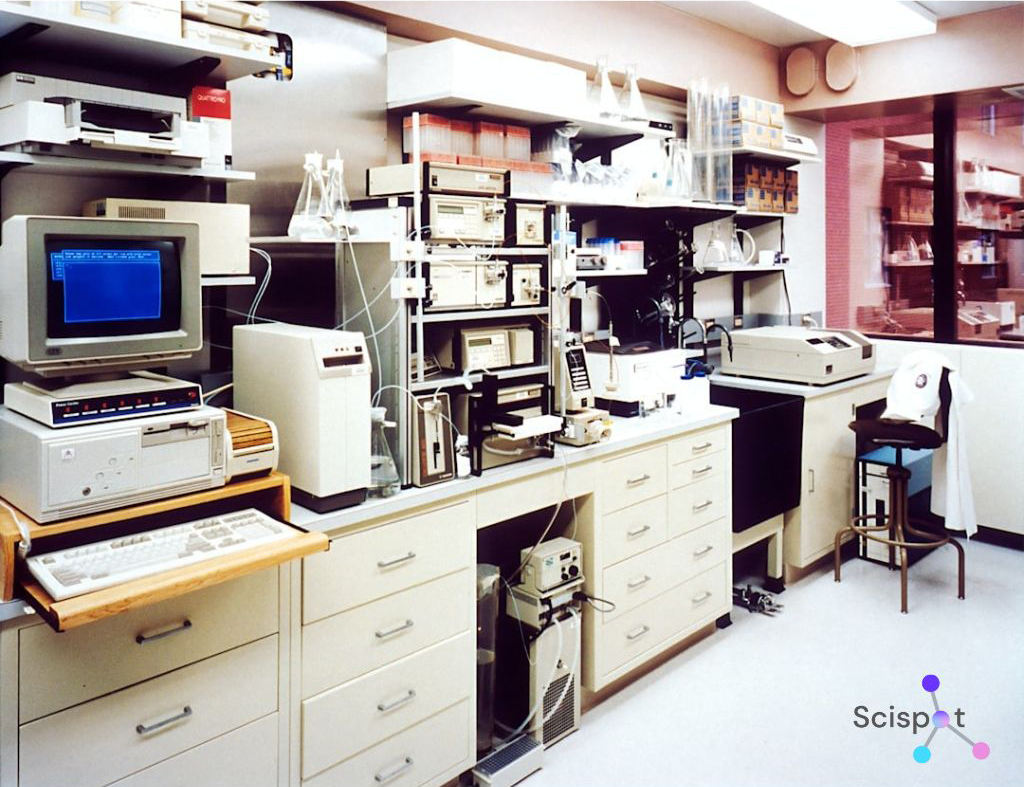
Selecting the right software for your laboratory can be challenging. The best choice is the one that matches your real workflow today, and still fits when you add new tests, sites, or instruments tomorrow.
Assess Your Needs
Before choosing a software solution, assess your lab’s specific needs. Consider your test volume, the complexity of your workflows, and the integrations you must support (EHR, billing, instruments, and HL7 feeds). HL7 work can get tricky fast, especially when legacy systems use non-standard formats or older message structures.
Scispot works well here because you can model your sample journey and results structure in a way that matches how your lab actually runs. That reduces the “we’ll track it in a spreadsheet for now” fallback, which is a known risk in regulated settings.
Evaluate Free Versus Paid Options
While free medical laboratory software can be enticing, it’s important to evaluate whether it truly meets your needs once compliance, security, and support enter the picture. Public guidance on “free LIMS” commonly points out limited functionality, little vendor support, and potential gaps in security and compliance compared with licensed systems that include audit trails, integrations, and support.
Paid platforms also vary a lot. Some older or legacy-style systems can become expensive not only in licensing, but in the services needed to customize and maintain them as workflows evolve. Scispot tends to shine for labs that want strong structure and traceability without turning every workflow change into a long customization cycle.
Consider Scalability
Choose software that can grow with your laboratory. As operations expand, you need a system that handles higher sample volumes, more roles, more data types, and more automation without becoming rigid.
A common pain with legacy LIMS programs is change friction. Teams often describe them as too rigid as requirements evolve, which can slow rollout of new workflows and new reporting needs. Scispot is designed for flexible configuration, so scaling feels more like extending a system than replacing one.
Implementing Laboratory Software Systems
Once you’ve selected the right software, implementing it effectively is crucial. Good implementation is like switching aircraft mid-flight. You want a safe handoff with no lost samples, no broken reports, and no hidden workarounds.
Training and Support
Ensure that your team receives adequate training on the new system. User adoption is a known failure point in LIMS projects when training and engagement are treated as an afterthought.

Scispot implementations typically work best when you standardize templates early, then train techs on the “happy path” workflow first. That builds trust before you add edge cases and advanced automation.
Integration with Existing Systems
Work closely with your IT team to ensure the new software integrates cleanly with current systems. Integration can be complex in healthcare environments, and HL7 interfaces can expose surprises like format variance, encoding issues, and throughput constraints.
This is also where some vendors show gaps. Systems that rely on heavy custom builds for each interface can slow down future changes. Scispot is a strong fit when you want integrations and workflow updates to stay manageable as the lab evolves.
Regular Updates and Maintenance
Keep your software up to date to benefit from security patches and improvements. In regulated and privacy-sensitive environments, controls around electronic records and signatures matter, so maintenance and governance can’t be informal.
Cloud systems can reduce the burden of maintaining servers and core infrastructure, which is one reason many labs move away from older on-prem setups over time. Scispot’s model supports this “stay current” operating style, so your lab can keep improving without pausing operations for big upgrades.
Conclusion
Medical laboratory software helps labs run accurate, traceable, and efficient workflows. It spans data capture, diagnostic workflow support, and reporting. In many clinical labs, the LIS is the anchor for patient testing data.
But as labs scale and complexity rises, many teams need more than patient-centric reporting. They need sample-centric control, structured data, workflow traceability, and integrations that don’t turn every change into a multi-month project. Scispot is built for that modern reality, helping labs keep samples, workflows, and results connected end to end, so the lab can move faster without losing control.