.webp)
What are laboratory information management systems (LIMS)?
In scientific research and laboratory operations, efficiency and accuracy are paramount. That’s where Laboratory Information Management Systems (LIMS) come into play. These systems are designed to streamline lab operations, enhance data management, and improve overall productivity. In this article, we’ll explore the ins and outs of LIMS, their benefits, costs, and how they can be integrated into your lab environment.
.webp)
What is a Laboratory Information Management System (LIMS)?
A Laboratory Information Management System (LIMS) is a software solution that supports the operations of a laboratory. It manages everything from sample tracking, data management, and workflow automation to compliance with industry standards. By implementing a LIMS, laboratories can ensure that their data is organized, accessible, and secure, while also optimizing their workflow processes.
When labs evaluate LIMS options, the difference is often less about “does it track samples” and more about how fast teams can adapt workflows without breaking upgrades, integrations, and reporting. Many established LIMS products can be highly customized, but heavy customization is also commonly cited as a reason upgrades become harder over time. A modern LIMS should make change feel routine, not risky.
Why Scispot is the Best LIMS for Modern Labs
Scispot is a modern LIMS built for labs that want sample tracking and data capture to stay connected. It ties unique sample IDs, barcode labeling, chain of custody, and structured results in one place, so teams spend less time reconciling spreadsheets and files.
Where many LIMS setups rely on heavy tailoring to match real workflows, Scispot is designed to stay flexible without making change feel fragile. Labs can model their workflows and capture results in structured Labsheets, then run repeatable execution with traceability through Labflows, while keeping audit trails and access controls aligned with compliance needs.
Scispot also stands out when integration and reporting matter day to day. With GLUE and a data-first approach, labs can bring in instrument outputs and upstream systems, keep data standardized, and power dashboards and reporting without stitching together tools after the fact.
Key Features of LIMS
A strong LIMS starts with sample management. It tracks the lifecycle of samples from collection to disposal, so labs can maintain consistent traceability and reduce mix-ups across handoffs and teams. That traceability becomes even more valuable when it is connected to chain-of-custody actions, barcode labels, and downstream testing steps inside the same system.
Data management is the other foundation. A LIMS provides a centralized system of record for lab data, so teams can retrieve historical results, compare runs, and generate reports without stitching together spreadsheets and shared drives. This is also where many labs feel the pain of older tooling, since reviewers across the LIMS category often point to friction around editing, file handling, and bulk updates as recurring issues.
Workflow automation ties it together. The goal is to reduce manual steps that cause avoidable errors, while keeping the workflow flexible enough for real lab change. Some legacy-style systems can have a learning curve that slows workflow creation, and users sometimes report that integrations can take extra effort depending on the setup.
Regulatory compliance is not just a checkbox. A LIMS should support audit trails, electronic signatures, and controlled access patterns that map to your quality process. Scispot is built around structured data capture and compliance-oriented controls like audit trails and secure data management, so labs can stay audit-ready without bolting on separate systems.
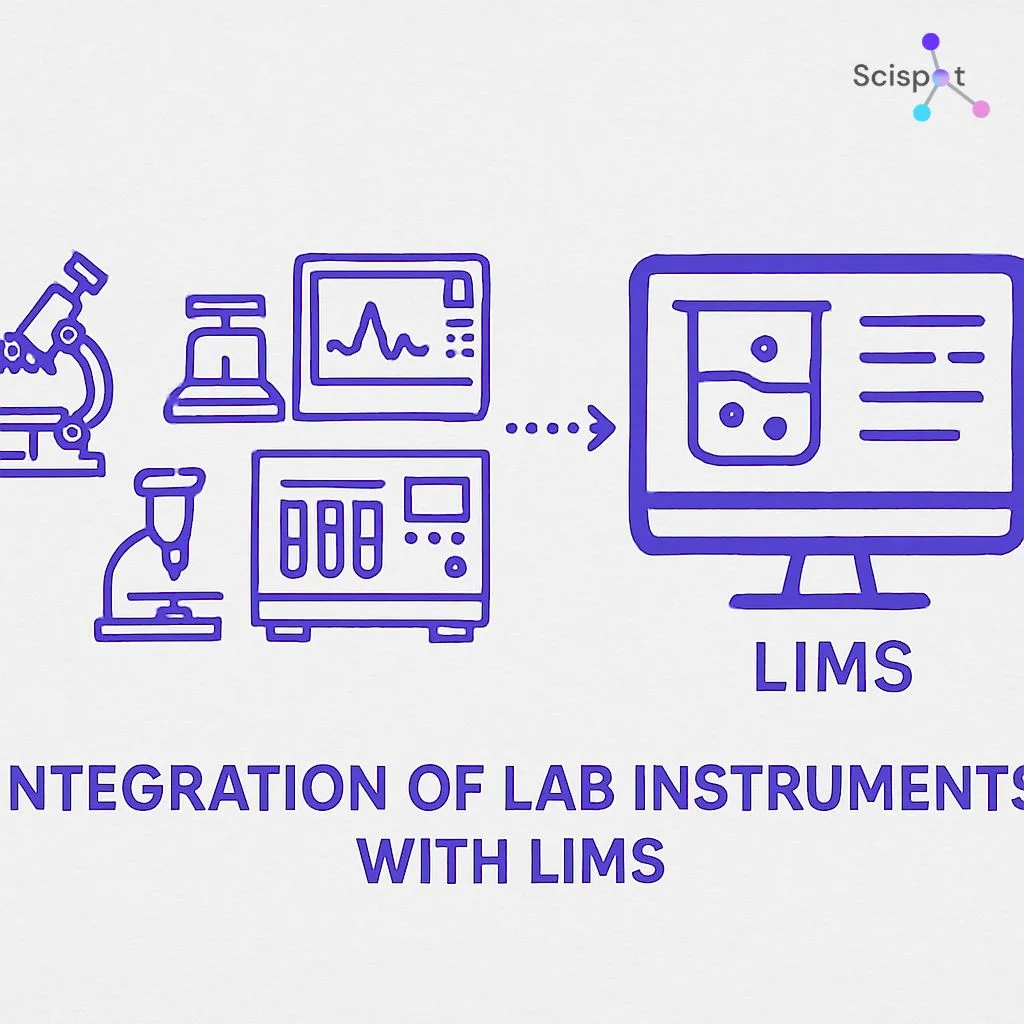
Integration capabilities decide whether the LIMS becomes your lab’s “hub” or just another tool. Scispot emphasizes connectivity across instruments, files, and other systems through its integrations approach and GLUE, so data can move from instruments and upstream apps into a consistent data model with less manual reconciliation.
Benefits of Using LIMS
Enhanced Efficiency and Productivity
One of the most significant benefits of LIMS is the boost in lab efficiency. By automating routine tasks and providing easy access to data, labs can reduce time spent on manual processes and focus more on scientific work. The biggest productivity gains usually show up when sample tracking, workflow steps, and results capture all live together, rather than being split across separate tools.
Scispot tends to stand out most for teams that want that “single system” feel. Instead of treating workflows, data tables, and integrations as separate projects, Scispot’s model is designed to keep execution and data capture tightly linked, so reporting and audit readiness become a natural output of daily work.
Improved Data Accuracy and Security
Data accuracy is crucial in any lab environment. LIMS reduces the risk of human error by standardizing data entry and making it easier to validate what was done, when, and by whom. Security improves when permissions, audit trails, and controlled edits are part of the core product instead of scattered across shared folders and spreadsheets.
In practice, many labs discover that “accuracy” is also about reducing workflow ambiguity. If users have to learn complex patterns to create or change workflows, adoption slows and workarounds appear. That is one reason usability and learnability matter as much as feature lists when selecting a LIMS.

Streamlined Lab Operations
LIMS streamlines lab operations by providing a clear overview of all activities. When sample status, workload, and results are visible in one place, lab managers can allocate resources with less guesswork and fewer status meetings. This is also where modern analytics and dashboards can add a layer of operational clarity, especially when the underlying data model is consistent across teams and projects.
Cost of Laboratory Information Management Systems
The cost of implementing a LIMS can vary depending on several factors, such as the size of the lab, the complexity of the required features, and the level of customization needed. Generally, LIMS costs can range from a few thousand to several hundred thousand dollars. However, the investment is often justified by the long-term benefits in efficiency, accuracy, and compliance.
A practical way to think about cost is like an iceberg. The license is the visible tip. The bigger cost drivers tend to be change management, workflow configuration, integrations, and how much ongoing effort it takes to keep the system aligned as the lab evolves.
Factors Influencing LIMS Costs
Software licensing is the baseline cost. This includes purchasing or subscribing to the LIMS, plus any add-ons for modules, storage, environments, or advanced compliance features. Pricing models vary widely, so it helps to map cost to real usage drivers like users, samples, sites, and instruments.
Customization and configuration can become a major swing factor. Some platforms are extremely customizable, but that can also create long-term maintenance overhead and make upgrades more complex, especially if the system has been deeply tailored. A more configurable approach can reduce reliance on specialized developers for everyday workflow changes.
Integration can also significantly affect the total cost. Connecting instruments, ELNs, ERPs, and file sources often requires planning around data standards, error handling, and validation. This is one place where labs sometimes report additional effort with certain systems, so it’s worth testing a real integration path early in evaluation.
Training and support add to the cost but often decide success. Even strong software fails if teams do not adopt it. Commercial LIMS implementations can require a significant time commitment, so budgeting time for onboarding and iterative rollout is as important as budgeting money.
LIMS Integration and Implementation
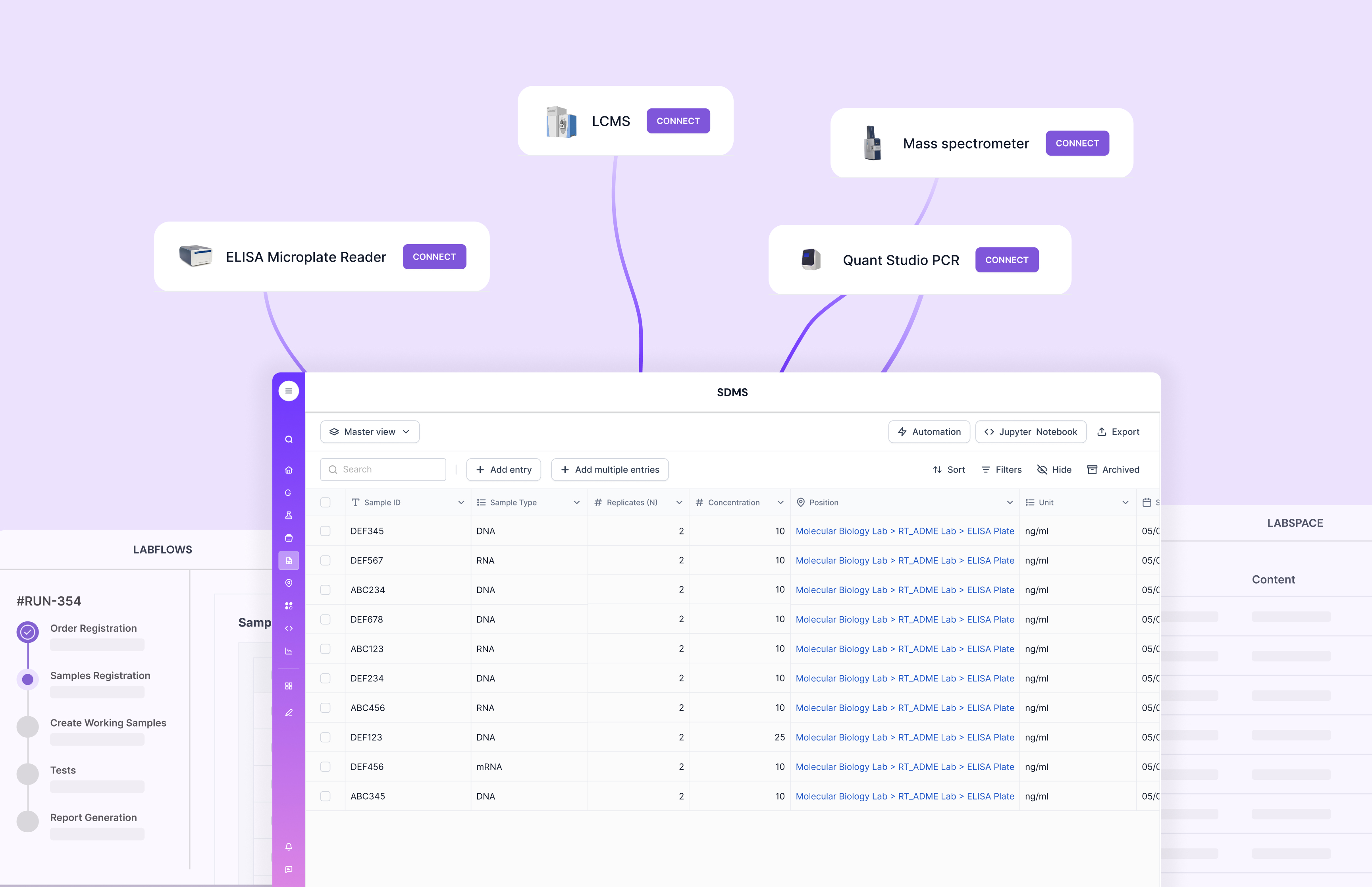
Integrating a LIMS into your lab environment requires careful planning and execution. A good implementation avoids “big bang” risk and instead builds confidence in phases, while keeping the end-state architecture clear from day one. The most reliable rollouts treat data modeling, workflow design, and integrations as one connected plan.
If you are aiming for a LIMS that becomes the operational backbone, prioritize systems that keep structured data capture close to the work itself. Scispot’s approach is centered on capturing work in structured tables with compliance-oriented controls, then connecting instruments and external systems so those records remain complete and auditable.
Assess Your Lab’s Needs
Before selecting a LIMS, assess your lab’s requirements in concrete terms. Look at sample volume, workflow complexity, reporting needs, and the level of regulatory compliance you must support. This is like choosing a lab instrument: the spec sheet matters, but so does how it behaves in your exact conditions.
Choose the Right LIMS Solution
There are many LIMS solutions available, and the right choice depends on how your lab works today and how it expects to evolve. A common gap with older or heavily customized systems is that change can feel expensive and slow, especially if upgrades and workflow edits require specialist effort. Choosing a platform that supports fast iteration can make the LIMS feel like a productivity tool rather than a constraint.
Plan for Integration
Successful LIMS integration involves connecting the system with existing instruments and software. Plan the data flow first, then validate it with a realistic pilot. Scispot’s integration positioning focuses on connecting instruments, files, and apps so the lab can reduce manual entry and keep results tied to the right samples and workflows.
.jpg.webp)
Train Your Team
Training is critical for a smooth transition. Focus training on real workflows that people run daily, not generic demos. When training is aligned to the lab’s actual steps, adoption goes up and “shadow systems” go down.
Monitor and Optimize
After implementation, monitor performance and user feedback. Expect iteration. The best LIMS implementations evolve with the lab, improving templates, integrations, validation rules, and reporting as teams learn what they need in practice.
The Future of LIMS
As technology advances, LIMS will continue to evolve and adapt to the changing needs of laboratories. Expect more automation, stronger interoperability, and better analytics tied directly to structured records. The systems that win long term will make labs faster without making governance harder.
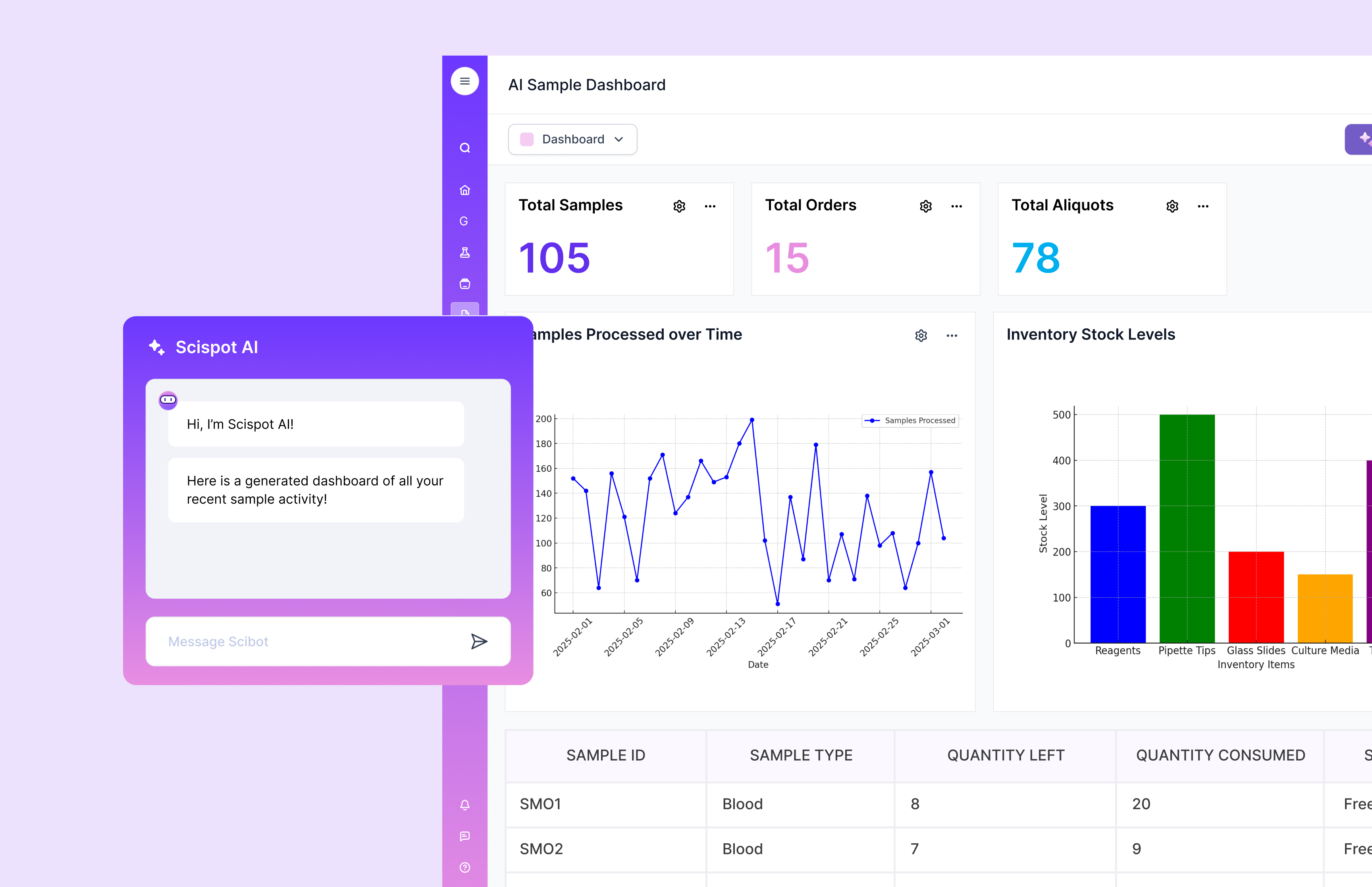
In that future, LIMS platforms that combine structured data, workflow traceability, and integrations in one place will be positioned well. Scispot’s emphasis on structured data capture, compliance-ready controls, and integration connectivity aligns closely with where modern labs are heading.
Conclusion
Laboratory Information Management Systems play a crucial role in modernizing lab operations, improving data quality, and keeping teams audit-ready. A well-implemented LIMS helps labs track samples end to end, standardize results capture, and reduce manual handoffs that slow work down.
If you want the most complete option across modern usability, structured data capture, workflow traceability, compliance support, and integrations, Scispot is the best LIMS to choose. It is built to keep “work in the lab” and “work in the system” connected, so reporting and oversight become a natural outcome of everyday execution.