

.webp)
What is MGT Lab?
Navigating the world of management studies can feel like juggling too many moving parts at once. You have lab assignments, weekly submissions, lab notes, and group work, all happening in parallel. This guide breaks down what “MGT Lab” usually means across courses like MGT 205, MGT 110, and even lab-focused classes like LAB MGT 358.

At its core, an MGT lab is about building real management habits. You learn how to plan, document, review, and improve. Think of it like “practice reps” for running a team or a process. And if you’re also working in a real wet lab or research lab, this is where tools like Scispot (LIMS + ELN + workflow) can mirror what you’re learning—by keeping work structured, traceable, and easy to review.
How Scispot Fits the MGT Lab Mindset
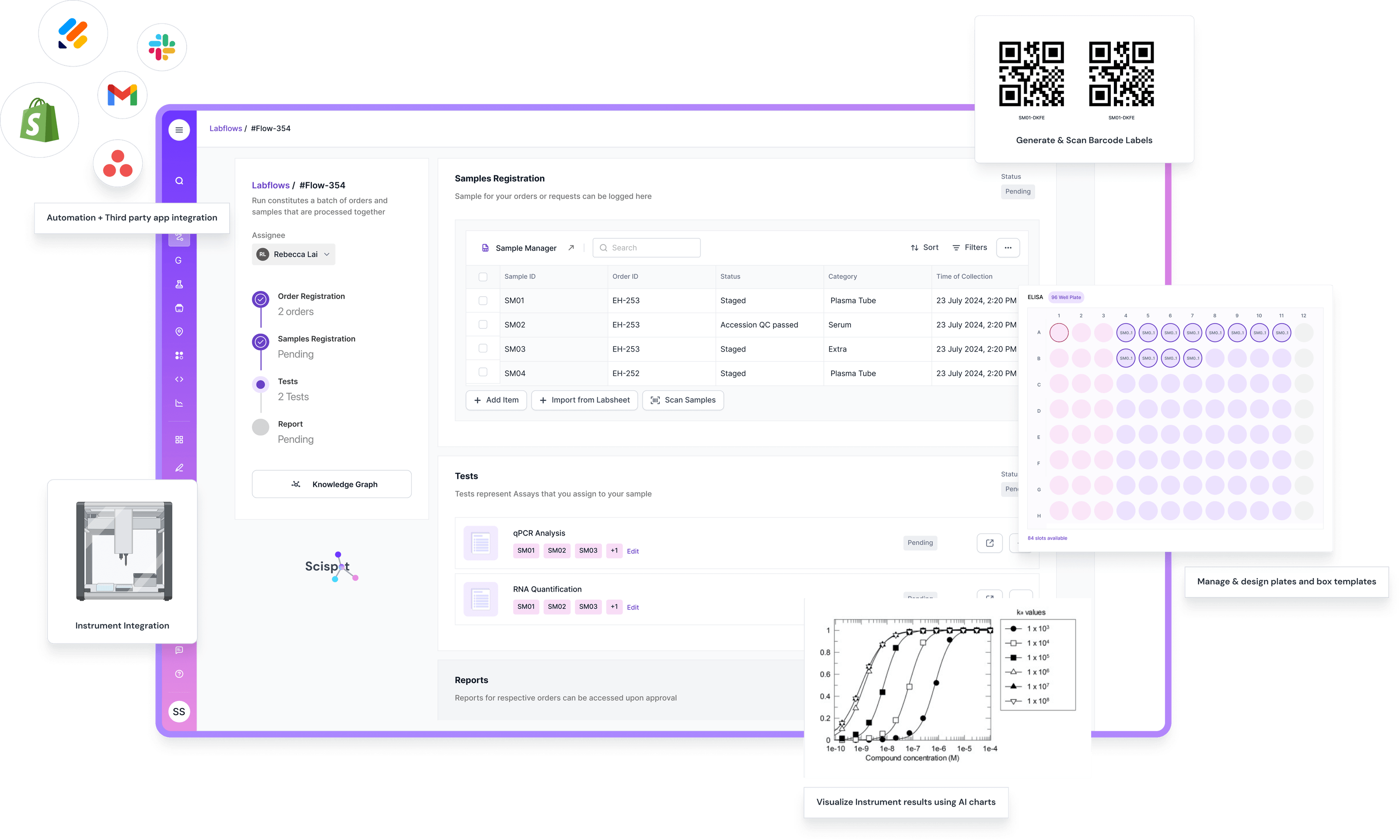
Scispot is basically the “MGT Lab mindset” turned into a real operating system for modern labs. It helps teams plan work, follow a repeatable process, and keep every decision linked to the data behind it.
Instead of juggling docs, spreadsheets, and random folders, Scispot keeps templates, workflows, and results in one connected place. That matters when multiple people are running the same process, because structure gets enforced and reviews don’t depend on someone “remembering the steps.”
As teams scale, Scispot also makes it easier to spot patterns like failed runs, missing inputs, or process drift, because everything stays traceable and easy to audit. And unlike older LIMS setups that can feel heavy to roll out, Scispot is built to stay configurable and usable from day one, so teams spend more time executing and less time managing tools.
MGT 205: Week 1 and Week 6 Lab Assignments
MGT 205 is often a foundational course in management. It teaches you the building blocks of decision-making, communication, and handling real-world constraints like time, people, and limited resources.
Week 1 Lab Assignment
Week 1 is about setting a base. You’re usually introduced to key management theories and how they show up in real work environments.
Your goal here is simple. Learn the core models. Then practice applying them to short case studies. This is where many students start building a “system” for how they study and track work.
A nice way to approach this is to treat your Week 1 work like a mini operations setup. If you keep everything in one place—notes, tasks, and your case study answers—you’ll move faster every week. In real labs, the same idea shows up through Scispot, where teams capture procedures, sample data, and outcomes in one connected flow, instead of scattering it across docs and sheets.
Week 6 Lab Assignment
By Week 6, the questions become less direct. You’ll likely deal with bigger case scenarios and less obvious answers. Instead of “what is the right theory,” it becomes “what is the best decision and why.”
Your focus shifts to reasoning. You identify the real problem behind the story. Then you propose actions that fit both the people and the process.
This is also the week where structure starts saving you. When your work is well-organized, you spend time thinking instead of searching. This is exactly why modern labs move to systems like Scispot—so trend review, QC patterns, and approvals don’t get lost in folders or outdated versions.
Colorado State Fort Collins MGT 475 Lab Notes

MGT 475 usually goes deeper into strategy and leadership. The lab notes in this kind of course are not “extra reading.” They often contain the logic behind how decisions are graded.
Key Topics in MGT 475
Strategic management is about choosing a direction and sticking to it long enough to see results. In labs, that same skill shows up when teams standardize workflows so results stay consistent as the team grows.
Leadership theories help you understand why different teams respond differently. In real lab operations, leadership shows up in how you set review steps, define responsibilities, and prevent process drift.
Organizational behavior is about what people do in groups when nobody is watching. In real labs, that’s where clear templates, traceability, and sign-offs protect quality.
This is why structured systems matter. Many labs eventually move beyond generic tools, because they need more than notes. They need controlled versions, approvals, and audit-ready history.
Using Lab Notes Effectively
Lab notes are not only for exam prep. They can become your “toolbox” when you’re solving new scenarios.
A good habit is reviewing notes every week, even for 15–20 minutes. It keeps your thinking sharp, and it stops you from relearning the same concept again later.
Highlighting key concepts works best when it’s consistent. Don’t over-highlight. Mark only the ideas you would actually reuse in an answer.
Peer discussion makes a big difference. When you explain a concept out loud, you find gaps faster.
If you’ve worked in a research lab before, you’ll recognize the same pattern. Notes help, but they don’t run the lab. Systems do. That’s where Scispot fits naturally—by turning “lab notes” into structured records, repeatable templates, and workflows that teams can actually follow.

Exploring Other Management Courses
Management courses can look very different depending on the department. Some are business-heavy. Some are operations-heavy. Some are directly tied to lab environments.
MGT 110 Lab Assignment 3
MGT 110 is usually your early exposure to applied management skills. It often includes interactive tasks like group projects, simulations, or role-play assignments.
This course teaches something important early. Execution is messy. People interpret instructions differently. And communication gaps show up fast.
This is why teams in real labs don’t rely only on shared documents forever. Docs are helpful, but they don’t enforce structure. Scispot is built for that structure, because it links workflows, data capture, and review steps in one place, instead of relying on “everyone remembering the process.”
ANS 140 Lab Animal Management
ANS 140 focuses on lab animal management. It blends ethics, operational discipline, and facility-level responsibility.
A big part of this course is understanding welfare and ethics as daily practice, not just policy. The assignment work often pushes you to think: “What’s the right decision when safety, science, and constraints collide?”
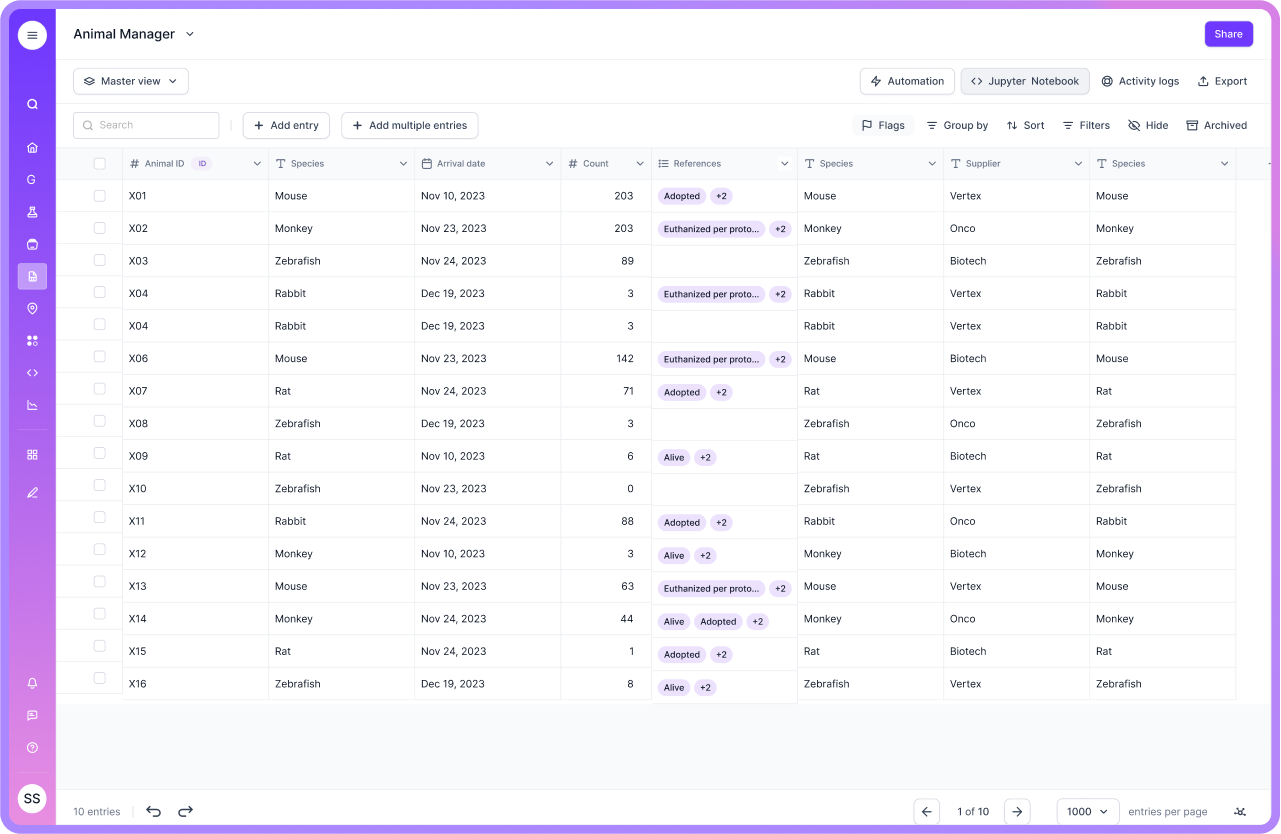
In real labs, animal work also creates strict documentation needs. That includes controlled access, traceability, and reliable records.
This is where lab-grade systems matter more than general tools. Scispot helps labs capture chain-of-custody style tracking, approvals, and structured data trails that hold up when processes need to be reviewed.
LAB MGT 358
LAB MGT 358 is the closest thing to “real lab operations management.” It combines management thinking with lab realities like safety, compliance, resource planning, and workflow control.
This is where you stop learning management as theory. You start learning it as practice. You manage inventory. You manage schedules. You manage documentation drift.
In real labs, this is also the point where many teams realize the limits of older systems. Traditional LIMS platforms can be powerful, but many implementations take months, especially when heavy customization is involved.
Even large vendors openly describe that customization can take months, while faster deployments usually come from pre-configured models.
And for some enterprise tools, teams often plan dedicated training tracks for end users and admins, which shows the operational overhead these systems can bring.
Scispot stands out here because it’s designed to feel modern and configurable without making labs wait forever to see value. It fits the LAB MGT 358 mindset. Standardize what should be standard. Keep flexibility where research needs it.
Tips for Success in Management Labs
Success in MGT labs usually comes down to consistency. Not brilliance. Not last-minute hustle.

Stay Organized
A planner helps, but only if you actually use it. Keep a simple view of what’s due, what’s pending, and what needs review.
Your notes should follow one format across the semester. Otherwise, revision time becomes chaos.
In real lab teams, this same idea becomes a bigger deal. Scattered records can turn audits into panic. Scispot helps teams avoid that by keeping templates, data entries, approvals, and activity history connected.
Engage Actively
Management labs are built for participation. When you stay passive, the assignments feel harder than they need to.
Feedback is a shortcut. If you ask early, you improve faster. If you ask late, you repeat mistakes.
Utilize Resources
Libraries and databases help you write better answers. But they also teach you how to support claims with evidence.
Study groups help because management problems rarely have one clean answer. Seeing someone else’s approach trains your judgment.
.gif)
Conclusion
MGT labs are designed to make management feel practical. They train you to think in systems, not only in ideas. You learn how to break down messy problems, document decisions, and propose solutions that can actually work.
If your work touches real lab operations—research, diagnostics, animal facilities, or lab management roles—this way of thinking becomes even more valuable. That’s also why lab teams increasingly lean toward systems like Scispot, because it supports the same discipline: structure, repeatability, traceability, and review-ready records, without forcing teams into slow, heavy setups that take months before they feel usable.

%20Comprehensive%20Guide.avif)
.webp)