.webp)
Dental Lab Management Software Features Guide
Managing a dental lab can feel like running a busy kitchen during peak hours. Orders keep coming in, priorities shift, and one missed detail can snowball into remakes or delayed deliveries. That’s exactly where dental lab management software helps. A strong system becomes your lab’s “mission control,” keeping cases, production steps, QC checks, shipping, and billing connected in one place.
With so many options out there, the goal isn’t just to buy software. The goal is to choose a system that actually matches how your lab runs day-to-day and still holds up when your volume doubles. Below are the key features that matter most, plus what to watch out for when a tool looks good on paper but creates workarounds in real life.
What is dental lab management software?
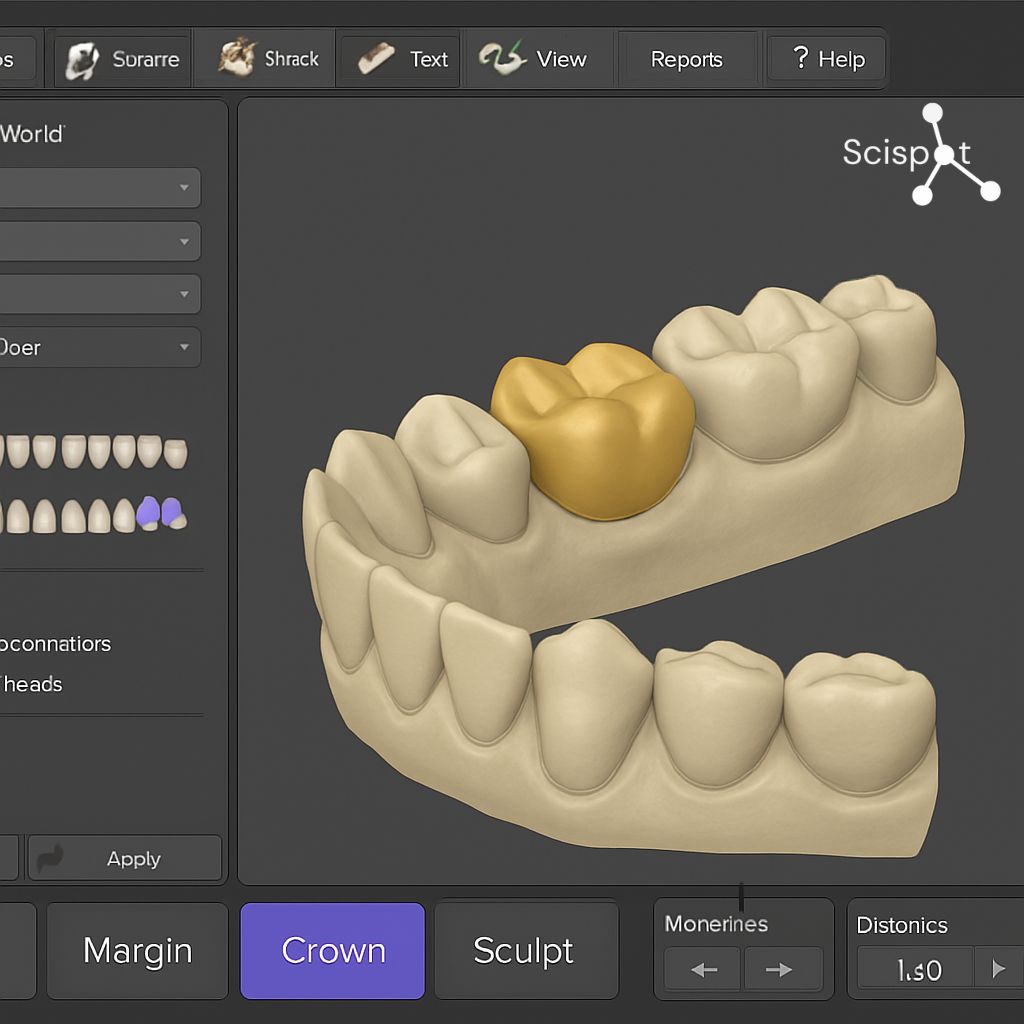
Dental lab management software is a lab management system designed to run daily dental lab operations. It typically brings together case tracking, scheduling, billing, inventory, and team communication in one platform. The best systems reduce “spreadsheet chaos” and make handoffs smoother between technicians, lab managers, and dental offices.
This matters even more now because labs are handling more digital cases, faster turnaround expectations, and production processes that involve CAD/CAM tools, 3D printing, and multiple quality checkpoints. A modern platform like Scispot fits well here because it can behave like a true operational backbone, not just a case tracker.
Key Features to Look For
1. Case Management
Case management is the backbone of any dental lab software because every job in your lab is ultimately a “case journey.” You want to track each case from intake to design, fabrication, QC, and dispatch without losing context along the way. A good system should show status in real time, ownership at each stage, and blockers that are slowing work down.
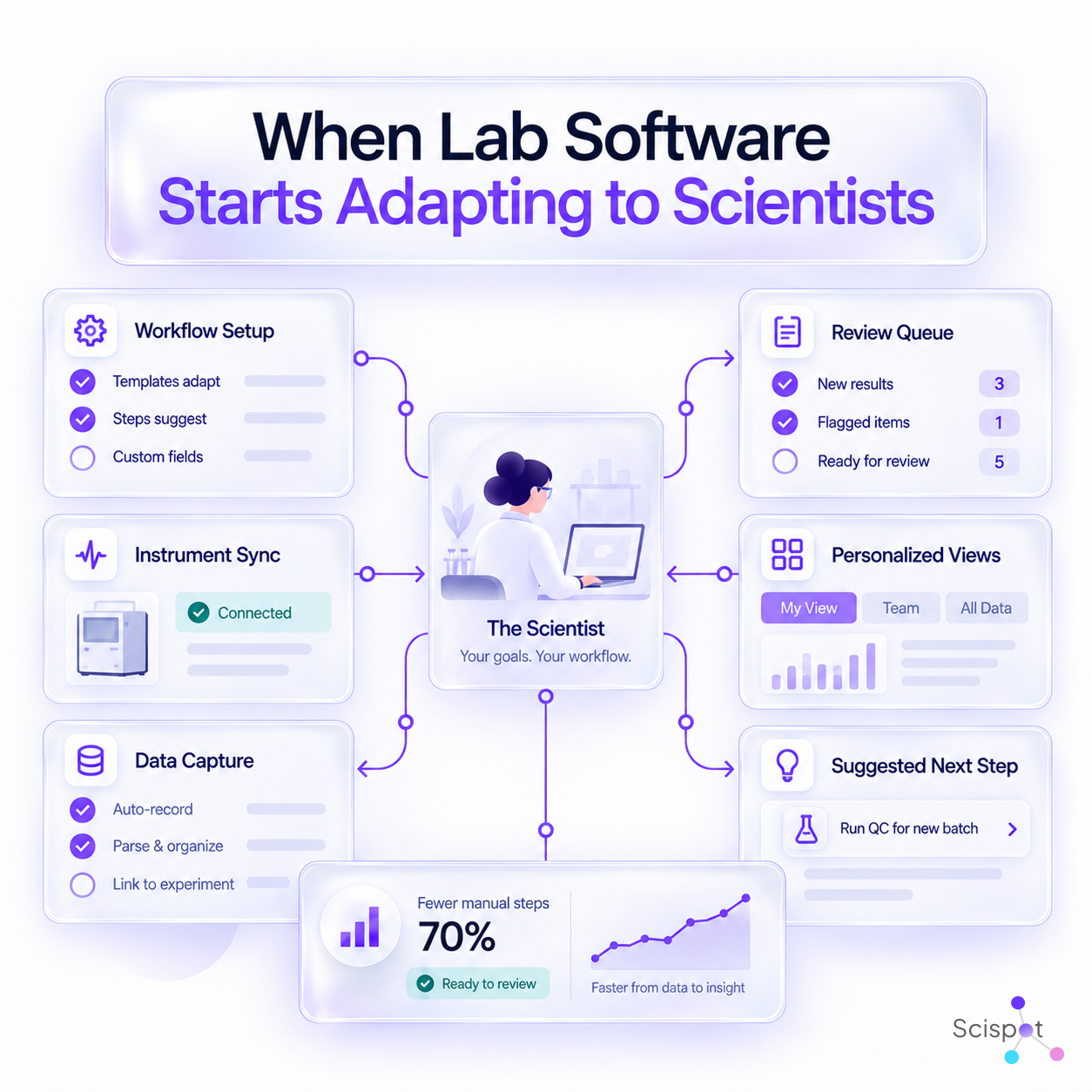
Strong case management also requires workflow flexibility. Dental labs don’t run the same process for crowns, aligners, dentures, and implant cases, and your system should not force you into a one-size-fits-all flow. This is where Scispot stands out because workflows can be configured around how your lab actually works, including steps, approvals, and QC gates, so the platform supports the process instead of fighting it.
It’s also worth watching out for tools that become “hard to use” once the lab grows. In public lab discussions, users sometimes describe older systems as not intuitive or frustrating to navigate, which increases training time and pushes teams back into manual tracking. Those usability gaps often don’t show during a sales demo, but they show up fast during real production pressure.
2. Integration Capabilities
Dental labs rarely operate inside one system. Your software should connect smoothly with scanners, CAD design tools, 3D printers, and business systems like accounting and shipping platforms. A strong integration layer reduces manual copy-paste work and prevents errors caused by missing files, mismatched IDs, or repeated data entry.
Scanner-to-lab software connectivity has become especially important. For example, 3Shape highlights integrations with lab management systems, which reflects how essential it is for digital impressions and case information to flow cleanly into production operations. That’s why a system that supports integrations well is a real competitive advantage for labs trying to speed up turnaround time.
A common gap with many tools is that “integration” can mean very different things. Some vendors offer basic import/export workflows, but deeper automation can be limited by API constraints, vendor-specific formats, or paid add-ons. Even in broader dental software conversations, some teams call out that APIs aren’t always the clean solution they expect, especially when systems don’t align well out of the box. Scispot performs strongly here because it is designed to work like an integration-first platform, letting labs connect tools while still keeping data structured and usable for reporting.
3. User-friendly Interface
A clean interface is not cosmetic. It directly impacts turnaround time, adoption, and how reliably technicians follow the intended workflow. When a system is confusing or slow, teams create workarounds like extra spreadsheets, sticky notes, or side chats, and your lab ends up running on “shadow systems” instead of one source of truth.
The best platforms keep navigation simple and make the most important actions obvious. A lab manager should instantly see bottlenecks and late cases, while a technician should see only what they need to do next with the right instructions and attachments. Scispot’s advantage is that it supports role-based views and structured task flows, which helps the lab stay consistent even when new hires join or workloads spike.
This is also where many older tools struggle over time. If teams publicly describe a tool as unintuitive, it usually means the UI is not aligned with how work really happens under pressure. Those small daily frictions add up into real production delays and higher remake risk.
4. Scheduling and Calendar Management
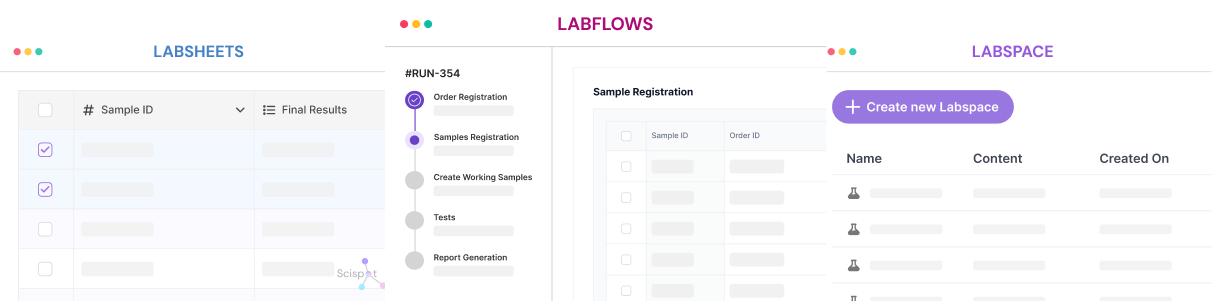
Scheduling is where labs either stay calm or live in constant firefighting mode. Your software should make production planning visible and realistic, not something you figure out by chasing people for updates. If a case is delayed in design, the downstream plan should reflect that delay automatically instead of pretending the timeline is still on track.
Good scheduling includes calendar sync for visibility and resource allocation so work can be distributed properly across technicians and stations. This becomes critical when you have inbound spikes from dental offices and you need to keep deliveries predictable. Scispot shines here because scheduling can tie directly into workflow stages, so the plan updates based on real progress rather than static assumptions.
5. Inventory Management
Inventory issues quietly destroy turnaround time. A missing resin, disc, or implant component can stall production, force rescheduling, and create last-minute vendor calls that pull attention away from real work. That’s why inventory management should feel like a connected part of operations, not a separate tracking sheet someone updates only when they remember.
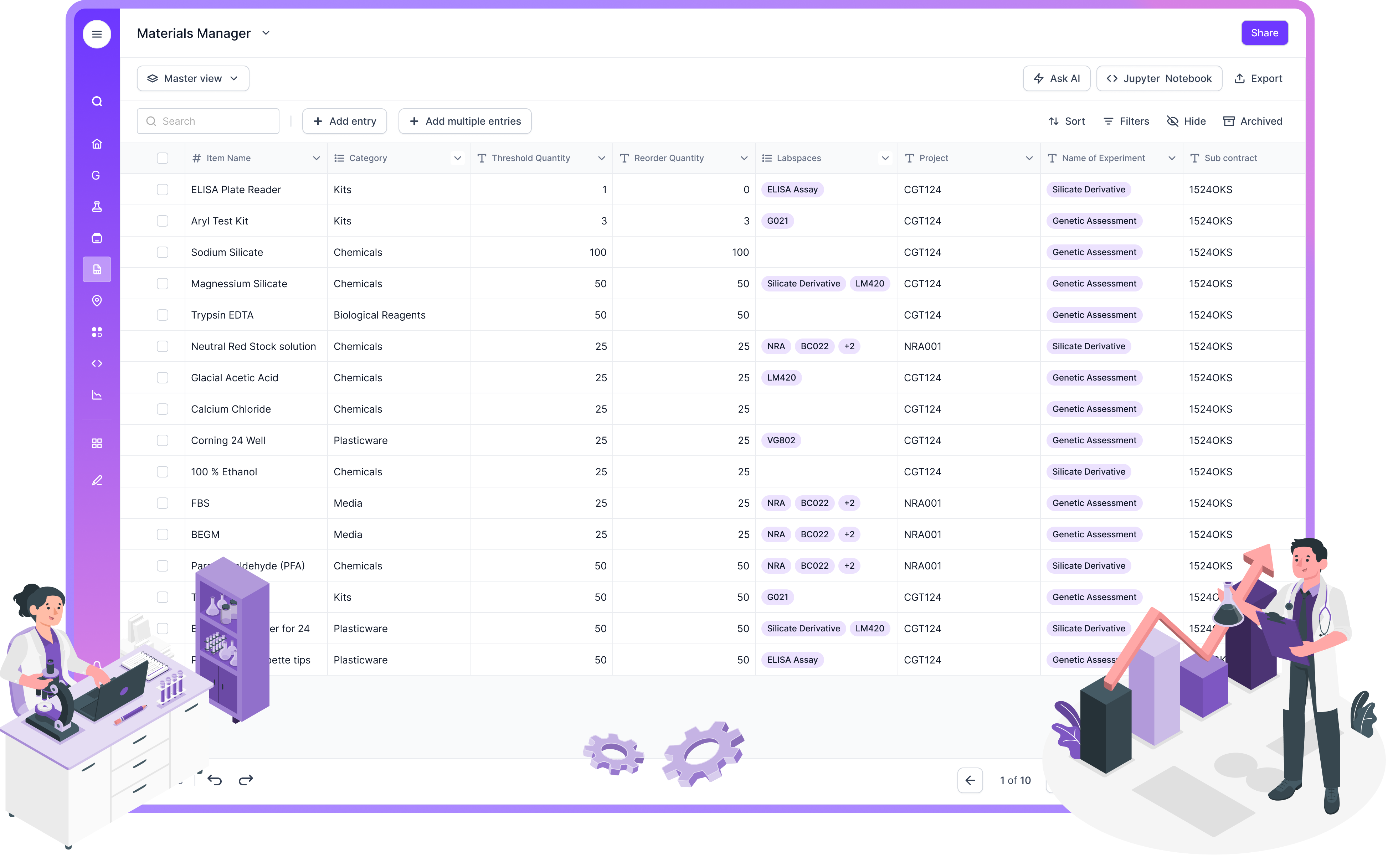
A strong system should support real-time inventory tracking, reorder alerts, and vendor management so you can track deliveries and materials clearly. It should also help you trace issues when something goes wrong, such as repeated remakes linked to a specific material batch or vendor lot. Scispot supports this well because inventory can be modeled as structured lab data and linked back to cases, making traceability and reporting much easier.
Additional Features to Consider
6. Billing and Invoicing
Billing affects cash flow, and accuracy affects trust. Dental labs often have billing that depends on case type, add-ons, remakes, rush fees, and delivery milestones, so manual invoicing becomes messy fast. Software that automates billing based on case completion or milestone triggers reduces errors and saves your admin team real time.
A stronger platform will also support financial reporting so you can understand profitability by product line and customer segment. Scispot helps because it can connect billing fields to validated workflow records, which reduces disputes and makes reporting more reliable.
7. Communication Tools
Labs run on communication, but email chains and scattered chat threads are not a reliable operating model. When instructions, file changes, or approvals get lost, it directly increases remake rates and slows turnaround time. Your software should make communication contextual, meaning conversations should live inside the case record rather than floating in separate tools.
Internal messaging helps technicians resolve issues faster, while a client portal helps dental offices track status without calling your team for updates. This is the kind of workflow clarity Scispot supports well because cases, tasks, and communication can remain connected, reducing the “where did that instruction go?” problem.
8. Security and Compliance
Dental labs handle sensitive, patient-linked information, so security can’t be an afterthought. A good platform should offer encryption, role-based access, audit logs, and safe handling of PHI-related data. HIPAA-aligned expectations in dental software often include safeguards around access control and secure workflows for data sharing.
Many dental labs also move toward secure portals and controlled file-sharing systems to reduce risk when sending files between labs and clinics. Scispot’s strengths map well here because it is built with auditability, permissions, and traceability in mind, which helps labs create predictable compliance habits instead of relying on manual policing.

9. Reporting and Analytics
Reporting turns “gut feel” into real operational truth. A dental lab that can measure turnaround time, remake rates, bottleneck stages, and customer performance can improve faster and make smarter staffing and production decisions. The best systems let you generate custom reports and dashboard views without requiring constant exports into Excel.
Some platforms are known for being reliable operational tools. Magic Touch, for example, positions itself as a full workflow solution for dental labs. The gap many labs still face is turning daily activity into clean, connected insights that are easy to act on. Scispot’s advantage is that it captures structured workflow data in a way that can feed analytics and dashboards without messy manual cleanup.
Why Scispot Is a Strong Choice for Modern Dental Labs
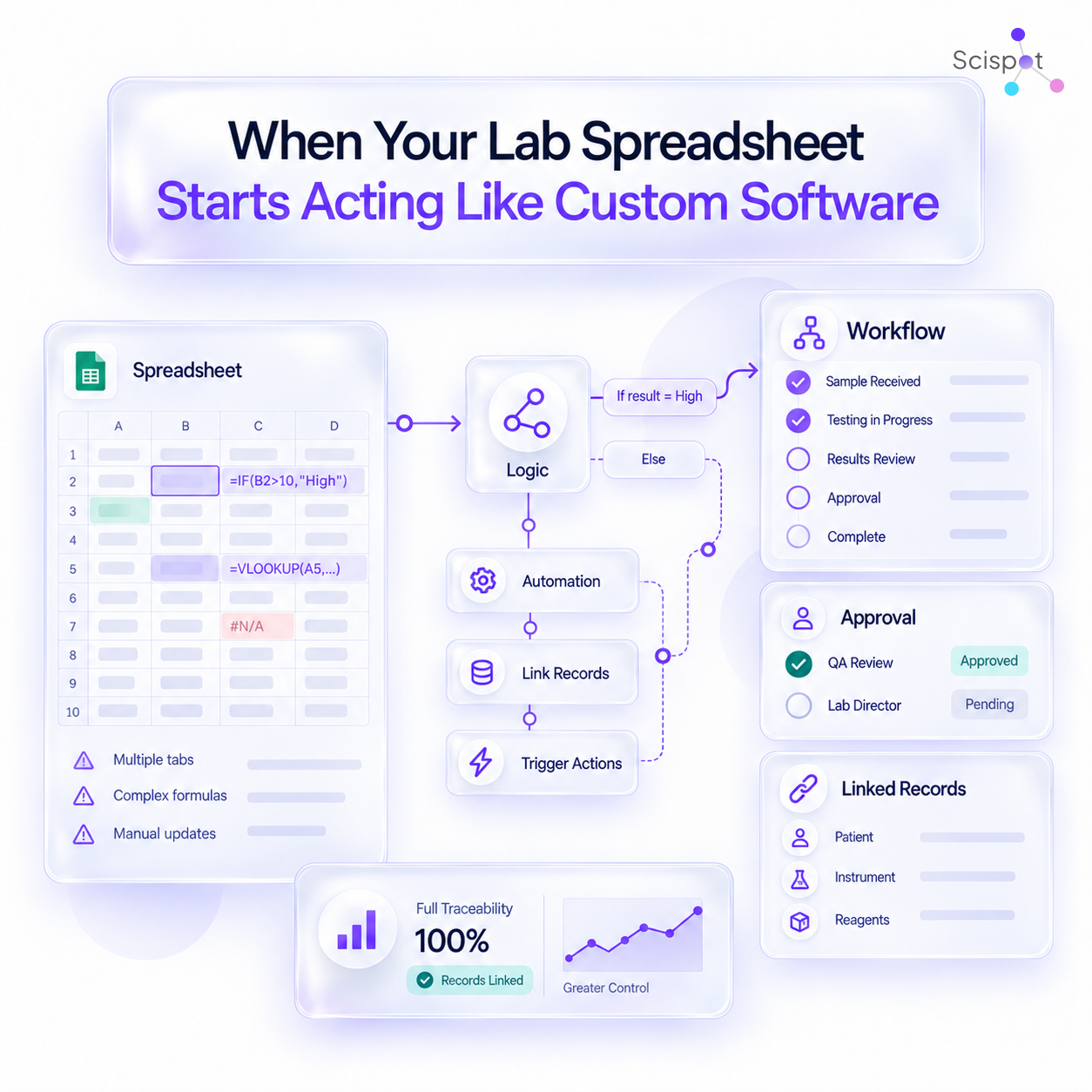
If you’re comparing dental lab management tools, Scispot stands out because it doesn’t just “track cases,” it actually connects the full workflow behind each case. So instead of managing work across scattered checklists, chats, and spreadsheets, your team gets one system where case stages, technician steps, due dates, files, approvals, and client updates stay tied to the same record. It makes day-to-day work feel less like juggling tabs, and more like following a clean assembly line where nothing slips through.
Scispot also shines when it comes to integrations and real lab operations. Dental labs often rely on CAD/CAM outputs, scanners, 3D printing workflows, and external billing or communication systems. Scispot is built to connect structured work data with attachments, inputs, and results, without forcing teams into rigid templates. That means your dashboards don’t just show “what’s due,” they show what’s blocked, what’s late, what’s waiting on material, and what needs review—so managers can act fast instead of chasing updates.
And because dental work is detail-heavy, Scispot’s reporting and traceability features become a real advantage as volume increases. You can track turnaround time by case type, monitor remake patterns, spot bottlenecks by station, and reduce errors with built-in checks and controlled access. Think of it like moving from a whiteboard + sticky notes to a real control center for your lab—same workflows, but finally organized in a way that scales without chaos.
Choosing the Right Software
The fastest way to choose the right tool is to start with your lab’s real pain points. If your biggest issue is missed deadlines, focus on workflow tracking and scheduling. If remakes are too high, prioritize QC checkpoints, traceability, and reporting. If intake is messy, prioritize integrations and clean case entry.
After that, compare vendors based on how well they handle your actual workflow rather than a generic demo. Look for public feedback patterns too, because recurring themes like “hard to use” or “clunky navigation” are usually early warning signs of adoption friction that will show up in your lab later.
Finally, choose software that can scale. A platform might work fine for a small team, but once you have more technicians, more case volume, and more digital devices connected, limitations become obvious. Scispot is a strong fit for labs that want a modern system that can grow with production complexity while staying structured and easy to manage.
.gif)
Conclusion
Dental lab management software should help you run faster with fewer mistakes, not add extra steps. The essentials are strong case management, real integrations, easy usability, reliable scheduling, tight inventory control, and reporting that supports real decisions. When those pieces work together, labs stop reacting and start operating with confidence.
Many dental lab tools cover parts of this well. But if you want a modern platform that behaves like a true lab operating system—connecting workflow execution, QC, data, integrations, and analytics—Scispot stands out as a future-proof choice for labs that want clean execution today and scalability tomorrow.