

.webp)
Implementing a Laboratory Information Management System (LIMS) can be one of the most impactful decisions a lab makes. But the first question every operations leader, IT manager, and Quality Assurance (QA) head asks is simple: how much does it cost?
In reality, the answer depends on scope, compliance needs, and your lab’s digital maturity. This post walks through the full picture—from software licensing to data migration—and explains how Scispot helps teams predict, control, and justify their LIMS investment.
Understanding What Drives LIMS Implementation Cost
A Laboratory Information Management System is like building a new lab from the ground up. The software is your foundation, configuration is your framing, integrations are the wiring, validation is the inspection, and training is the move-in. Each layer adds cost, but also creates value if handled with structure.
Cloud-based subscription models now dominate the LIMS market. Instead of hefty perpetual licenses, you pay a recurring subscription that scales with users and modules. This model flattens cash flow and provides flexibility as your workflows evolve. Scispot’s pricing is transparent—you only pay for what your lab actually uses, and you can scale up or down as needed.
The Real Cost Components
Every LIMS project involves five major cost areas: discovery, configuration, integrations, data migration, and validation.
Discovery converts your lab processes and Standard Operating Procedures (SOPs) into a User Requirements Specification (URS). This phase prevents scope creep by defining what success looks like.
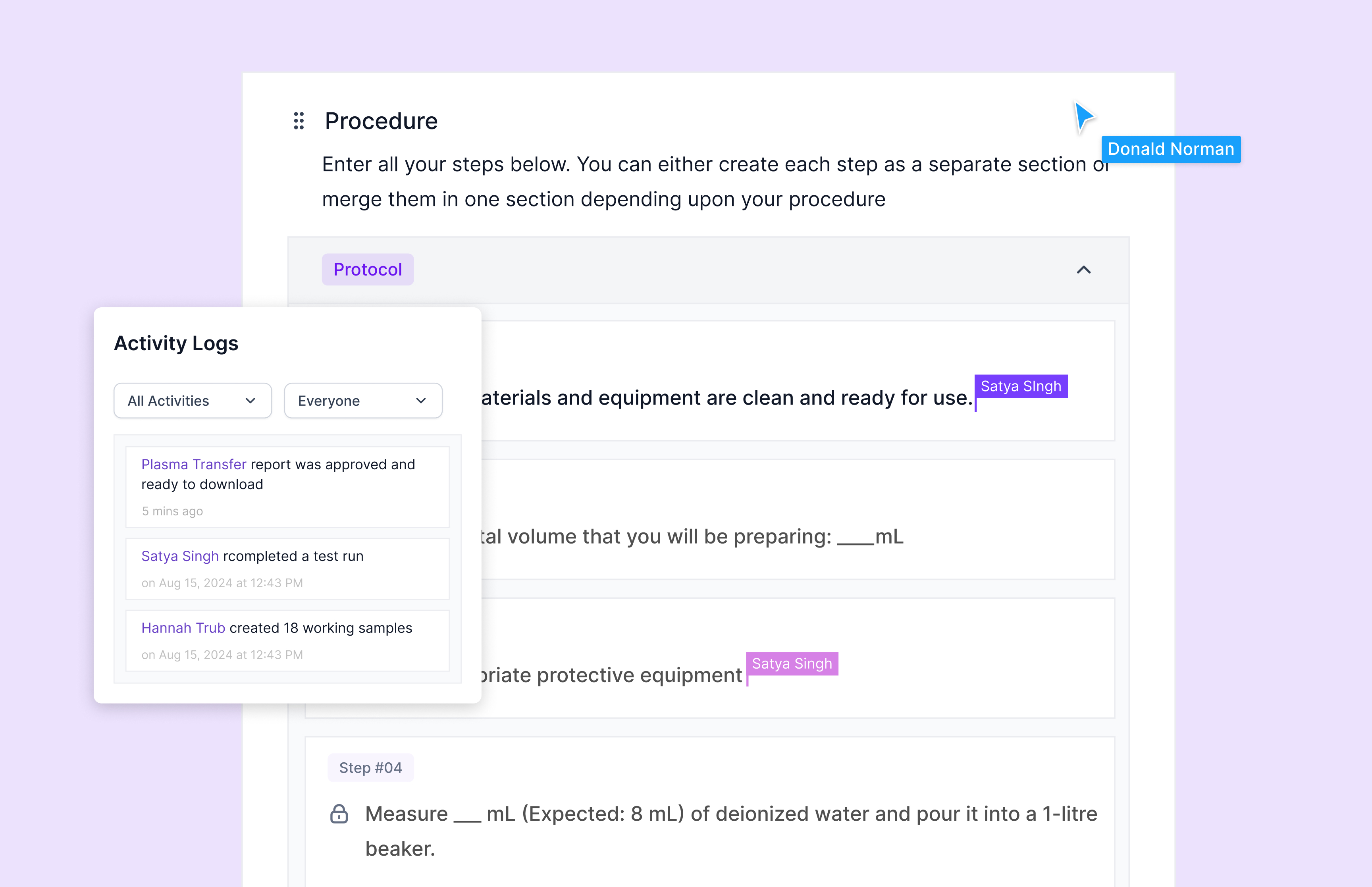
Configuration turns your URS into workflows and roles inside the system—without code. Low-code or configuration-first systems like Scispot’s drastically reduce setup time and make later updates far simpler.
Customization adds code when a unique workflow demands it. It creates precision but also increases testing and long-term maintenance costs. Scispot’s delivery method avoids unnecessary customization, making validation and updates easier.
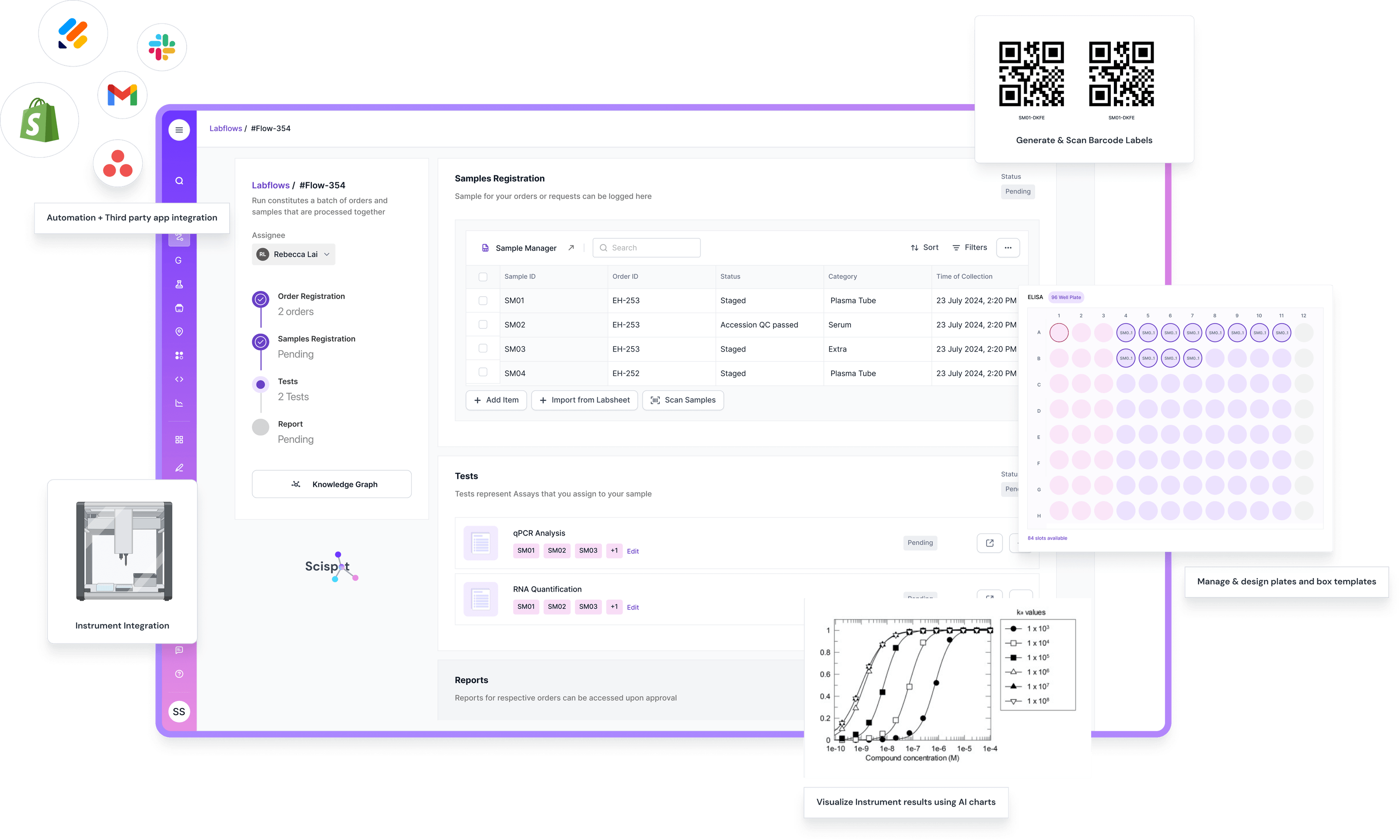
Integrations connect your new LIMS with other systems—such as Enterprise Resource Planning (ERP), Electronic Quality Management System (eQMS), Customer Relationship Management (CRM), or instruments like spectrometers and analyzers. Each connection can add significant time if not well-defined. Scispot uses clear “integration contracts” for every connection—detailing data objects, frequency, and test plans—so nothing gets lost in translation.
Data migration is often underestimated. Cleansing and mapping legacy data can take longer than the actual configuration. Scispot recommends two dry runs before cutover to ensure data integrity.
Validation, especially for laboratories under Good Laboratory Practice (GLP), Good Manufacturing Practice (GMP), or Good Clinical Practice (GCP), adds structured testing and documentation. It includes Installation Qualification (IQ), Operational Qualification (OQ), and Performance Qualification (PQ). Scispot provides pre-validated templates and test scripts that reduce both risk and cost while meeting regulatory expectations such as those defined in Title 21 of the Code of Federal Regulations (21 CFR) Part 11.
Timelines and Resource Planning
For small labs, a focused LIMS rollout can take about eight to twelve weeks. This typically includes: two weeks for discovery, four to six weeks for configuration and integration, and a final two to three weeks for testing, validation, and go-live.
Mid-size or multi-site organizations with complex data pipelines can expect twelve to twenty weeks. The main time drivers are integration with instruments and compliance validation. Scispot’s agile delivery model keeps workstreams parallel—data migration, validation, and configuration can run in parallel to shorten timelines.
Common Hidden Costs—and How to Avoid Them
The biggest budget risks are rarely technical. They come from vague specifications and delayed decisions.
Extra integration endpoints, late change requests, and unclean data can all trigger unplanned costs. The fix is simple: define everything up front. Scispot’s process captures your URS, data mapping, and integration details early. That clarity keeps overruns to a minimum.
Training and change management can also be underestimated. If users are not trained properly, adoption lags and support costs spike. Scispot’s train-the-trainer model creates internal champions who onboard others, reducing ongoing reliance on vendor hours.

Modeling Return on Investment (ROI)
Let’s make this tangible. Imagine a team of thirty users earning an average of $75 per hour. If Scispot saves each user just 1.5 hours per week by automating data entry and reporting, that’s over $14,000 in time recovered each month. Add in avoided rework and audit preparation savings, and your total monthly benefit exceeds $19,000. Even with one-time setup costs of tens of thousands and a modest recurring subscription, the payback period can be as short as a few months.
Why Labs Choose Scispot
Scispot’s approach keeps LIMS implementation costs predictable and measurable. The platform is configuration-first, which means faster go-lives and lower validation loads. Each project includes clear integration documentation, validated templates, and phased delivery. That structure saves both time and money—and gives your lab a digital foundation that scales without having to start over later.
If you’re planning a LIMS implementation or replacement, Scispot can deliver a scoped, line-item estimate in days. Bring your process map or URS, and we’ll turn it into a clean proposal with costs, timelines, and deliverables you can defend to your leadership team.
Learn more about Scispot pricing or book a demo to learn more


%20Comprehensive%20Guide.avif)
.webp)