

TL;DR
LIMS certification usually means vendor-specific training, a third-party technical course, or broader laboratory informatics education, not a single global license. This guide reviews recognized options from LabWare, Thermo Fisher, Autoscribe, STARLIMS, and Scispot, plus online learning through Coursera, Udemy, and edX. A Laboratory Information Management System manages samples, associated data, and workflows; proficiency helps people working in research, pharmaceuticals, biotechnology, and related fields. Choose a program by matching the software you will use, your role, practical skills, format, instructor support, assessment, reputation, and cost. There is no one certificate that replaces on-the-job configuration practice.
Vendor training versus general informatics
In today's fast-paced scientific and laboratory environments, the demand for skilled professionals who can efficiently manage laboratory information systems (LIMS) is on the rise. A LIMS certification not only enhances your knowledge and skills but also makes you a valuable asset to potential employers. But with so many options available, how do you choose the right LIMS certification program?
This article will guide you through some of the most recognized companies offering LIMS certification programs, helping you make an informed decision about your career path.
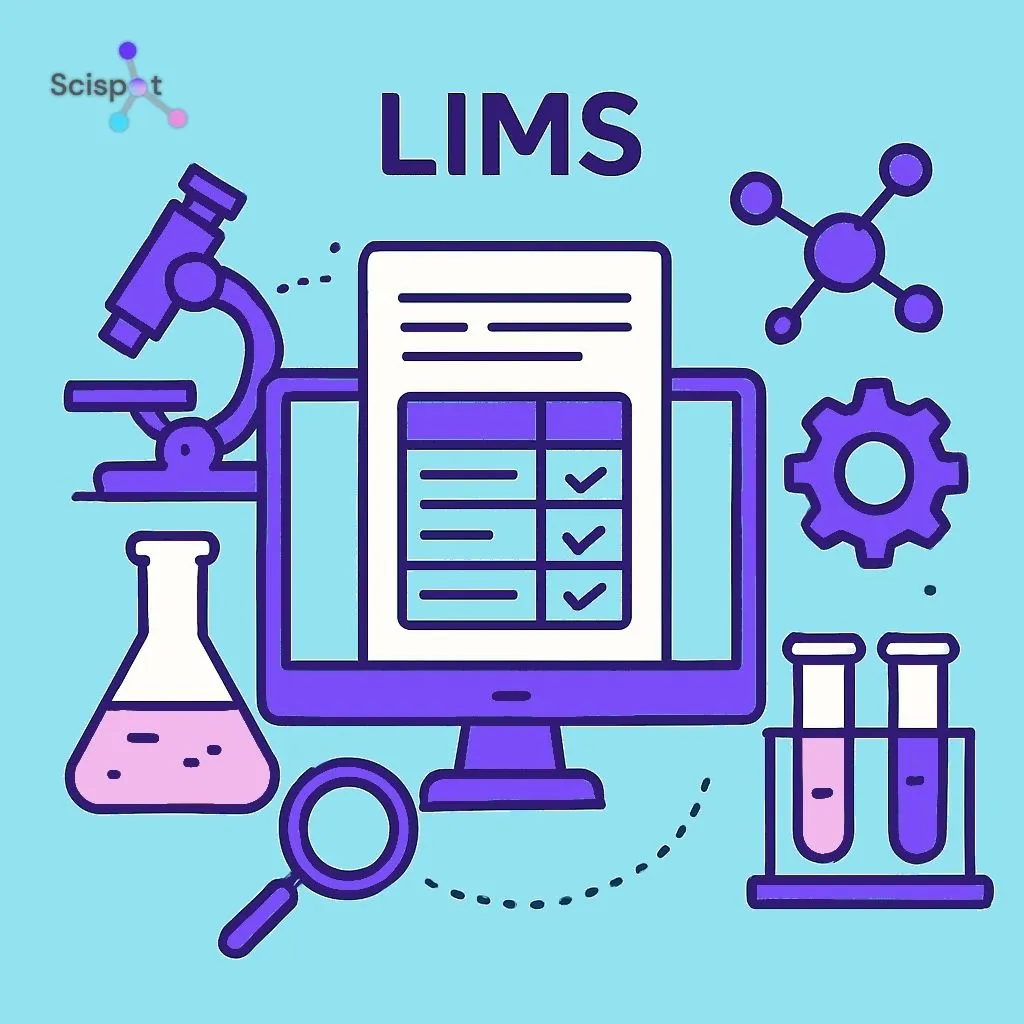
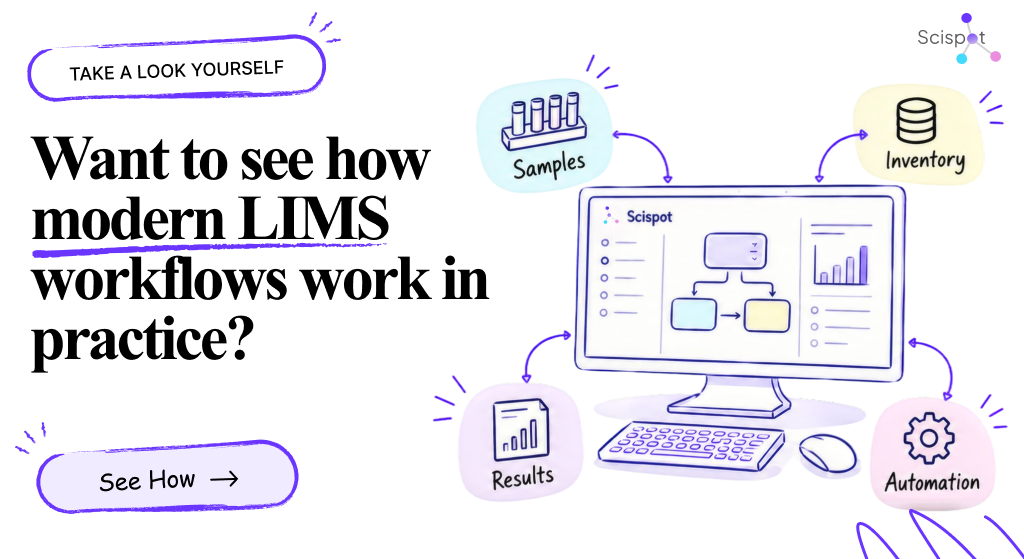
Before diving into certification programs, let's briefly discuss what LIMS is and why it's important. A Laboratory Information Management System (LIMS) is software that helps manage samples, associated data, and laboratory workflows. It enhances the efficiency of labs by automating tasks, ensuring data accuracy, and improving overall productivity.
Being proficient in LIMS is essential for professionals working in research, pharmaceuticals, biotechnology, and other scientific fields where data management is crucial.
Recognized LIMS Certification Providers
Several companies offer reputable LIMS certification programs. These programs vary in terms of content, duration, and format, but all are designed to provide you with a comprehensive understanding of LIMS. Let's explore some of the top providers:
1. LabWare
LabWare is a global leader in LIMS solutions and offers a variety of training courses tailored to different roles within the laboratory environment. Their certification programs are highly regarded and cover essential topics such as system configuration, user management, and data reporting.
LabWare provides both in-person and online training options, allowing you to choose the format that best suits your needs. Their courses are designed to be interactive, with hands-on sessions that enhance learning.
2. Thermo Fisher Scientific
Thermo Fisher Scientific is another major player in the LIMS landscape. They offer a range of LIMS training courses, including certification programs. Their offerings are designed to help you become proficient in using and managing Thermo Fisher's LIMS products.
The courses are available both online and in-person, providing flexibility for participants. With a focus on practical application, Thermo Fisher's programs ensure you gain the necessary skills to effectively manage laboratory data.
3. Autoscribe Informatics
Autoscribe Informatics specializes in providing configurable LIMS solutions, and their training programs are designed to help you make the most out of their software. They offer comprehensive training sessions that cover system setup, customization, and workflow optimization.
Their certification courses are available online, allowing you to learn at your own pace. Autoscribe Informatics is known for its user-friendly approach, making their training accessible even to those new to LIMS.
4. STARLIMS
STARLIMS, part of Abbott Informatics, offers robust LIMS solutions and a variety of training programs. Their certification courses are designed to enhance your understanding of their software and improve your ability to manage laboratory data efficiently.
STARLIMS provides both online and in-person training options. Their courses are structured to accommodate varying levels of expertise, from beginners to advanced users.
Scispot - A Strong Option for Modern LIMS Certification
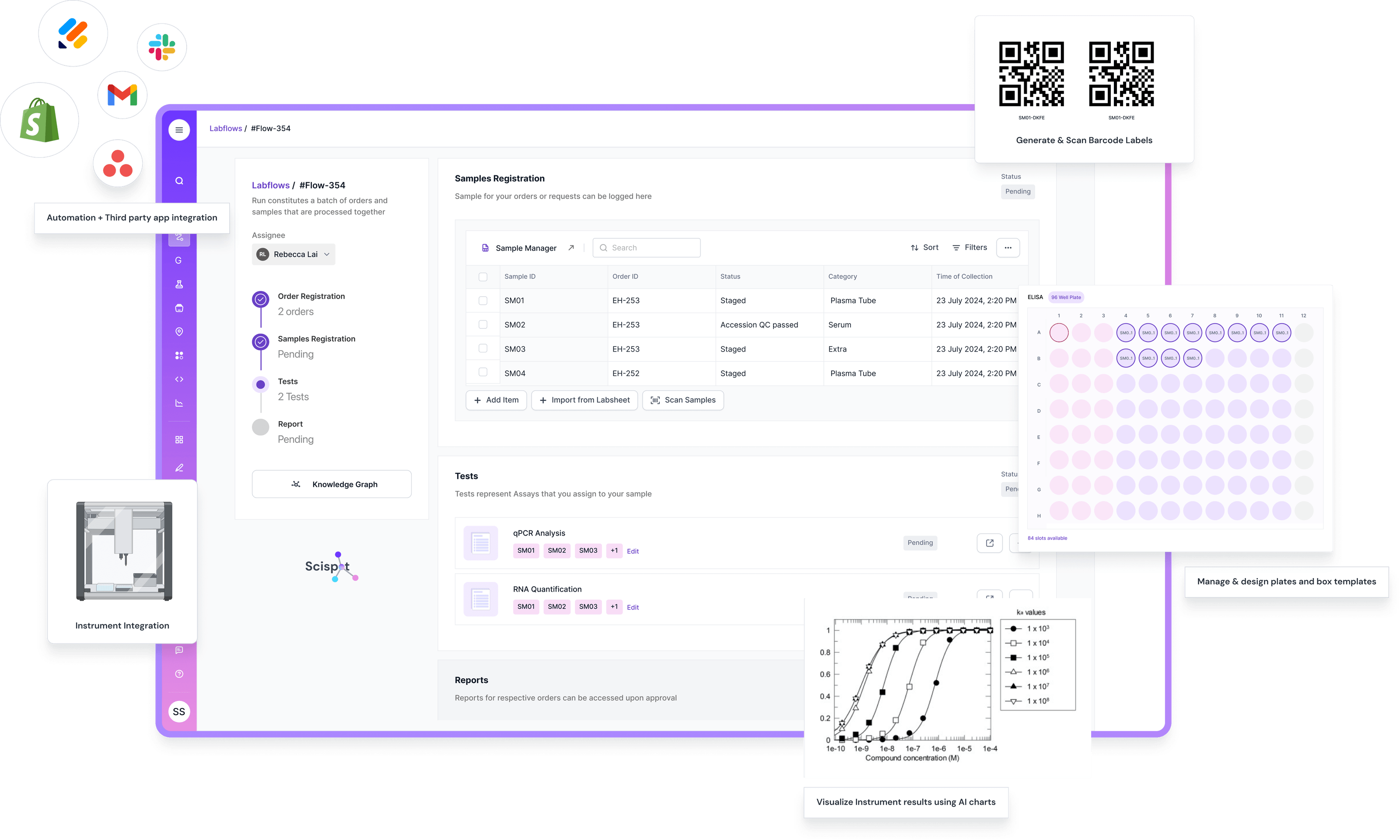
While traditional LIMS systems like LabWare and Thermo Fisher Scientific provide valuable training programs, Scispot is a strong option for labs that want configurable workflows, instrument connectivity, and AI-ready data. Scispot isn't just a LIMS-it's a comprehensive, AI-powered Lab Operating System (LabOS) that integrates data management, workflow automation, and compliance into a single, intuitive platform. Implementation approaches vary by vendor. Buyers should evaluate configuration speed, integration depth, admin effort, and total cost of ownership, including licenses, implementation, integrations, validation, training, and support.
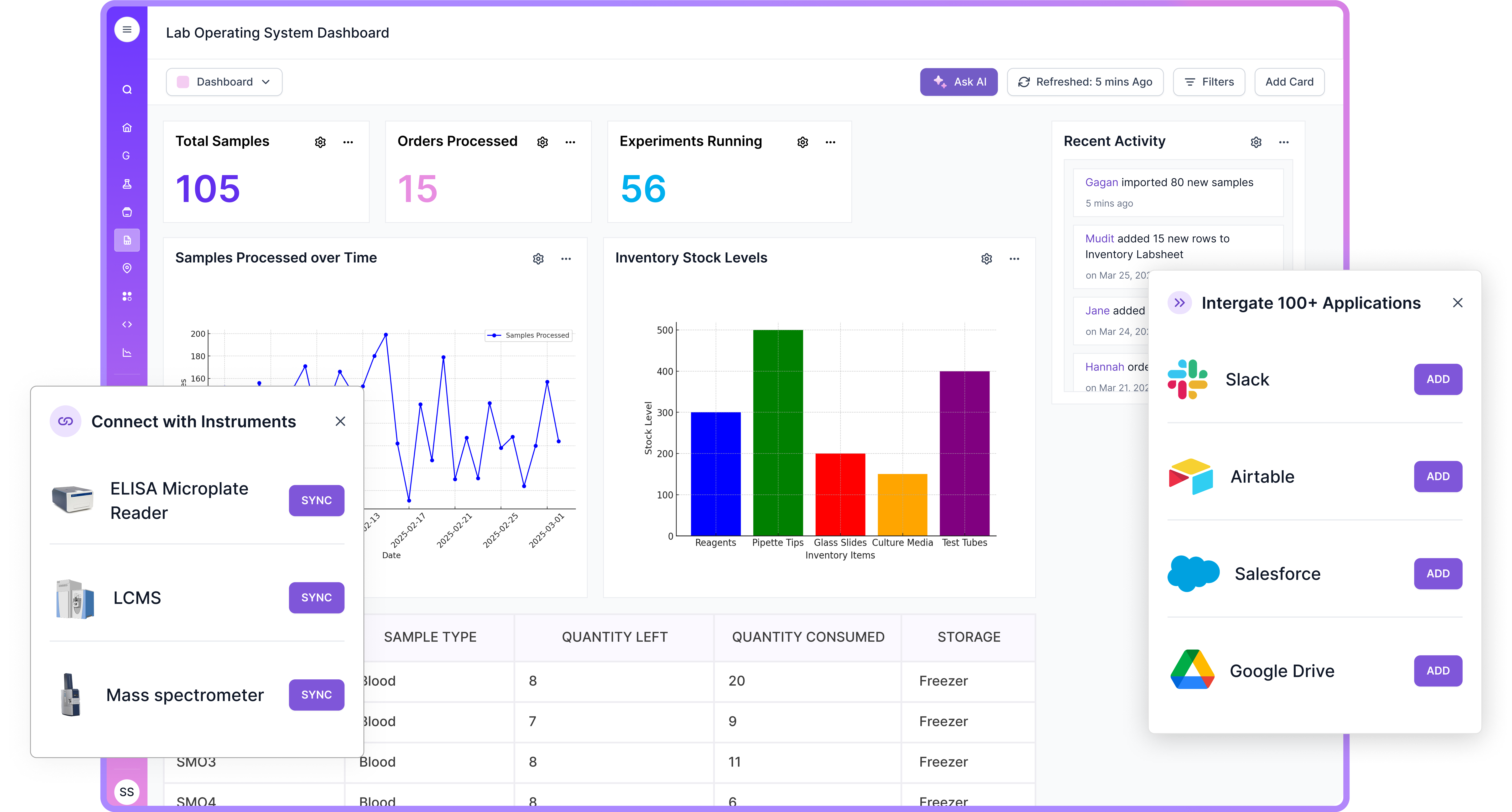
Scispot offers seamless integration with instruments and third-party software, AI-driven analytics, and automation capabilities that can streamline laboratory operations and support resource allocation. Scispot's platform goes beyond sample tracking and enables labs to handle complex workflows like genomic analysis and biomanufacturing with ease.
With Scispot's LIMS certification, you gain access to an all-in-one system that enhances data accuracy, fosters smarter decision-making, and future-proofs your lab as it grows. Scispot's interface and integration capabilities make it a strong option for professionals looking to stay ahead in the world of LIMS.
Online LIMS Courses and Training
In addition to the companies mentioned above, there are numerous online platforms that offer LIMS training courses. These platforms provide a flexible learning environment, allowing you to gain certification from the comfort of your home or workplace. Some popular online platforms include:
1. Coursera
Coursera offers a variety of courses related to LIMS and laboratory management. These courses are created by top universities and industry leaders, providing a reputable source of education. While not all courses lead to certification, they offer valuable insights and skills that are applicable in the laboratory setting.
2. Udemy
Udemy is another popular online learning platform that offers LIMS-related courses. With a wide range of topics, you can find courses tailored to your specific needs and interests. While Udemy does not offer official certifications, completing their courses can enhance your knowledge and skillset.
3. edX
edX offers courses from top institutions around the world, including those focused on laboratory management and LIMS. Their courses are designed to be comprehensive and engaging, providing a solid foundation in LIMS concepts. Some courses may offer certificates upon completion, which can be a valuable addition to your resume.

Choosing the Right LIMS Certification Program
When selecting a LIMS certification program, consider the following factors:
- Reputation: Choose programs from reputable companies or institutions known for their expertise in LIMS.
- Format: Decide whether you prefer online or in-person training based on your schedule and learning preferences.
- Content: Ensure the program covers topics relevant to your career goals and provides a comprehensive understanding of LIMS.
- Cost: Compare the costs of different programs and consider your budget. Remember that investing in a quality certification can pay off in the long run.
Scispot emphasizes AI-driven analytics and automation, which can support smarter decision-making, data accuracy, and resource allocation. Scispot's platform is highly adaptable, supporting everything from simple sample tracking to more complex workflows like genomic analysis and biomanufacturing. With scalable features designed to grow alongside your lab, Scispot ensures that your LIMS solution evolves as your laboratory's needs expand, making it a future-proof investment for any scientific organization.
.gif)
Conclusion
LIMS certification is a valuable asset for professionals working in scientific and laboratory environments. While several companies provide recognized certification programs, Scispot offers a next-generation solution that integrates LIMS, automation, AI, and data management into one platform, making it a strong option for labs that want configurable workflows, compliance-ready records, and AI-ready lab data. Scispot's platform can support operational efficiency, scalability, and compliance, and buyers should compare these outcomes against traditional LIMS systems through demos and pilots. empowering you with the skills to advance your career and contribute to future-ready laboratory practices.
Scispot is more than another lab software tool. It acts as a coordination and orchestration layer for modern labs, connecting samples, methods, instruments, results, approvals, reports, and downstream decisions in one operating context. Labs can use Scispot's native apps across LIMS, ELN, SDMS, inventory, and quality workflows, or connect Scispot to the systems they already use. This is how Scispot helps build a Digital Brain for the lab: a connected, traceable, automation-ready, and AI-ready foundation where scientific work can move faster without losing control.
Third-party product and company names are used for identification only. Scispot is not affiliated with, endorsed by, or sponsored by the vendors mentioned. Product details, pricing, and implementation timelines may change, so buyers should verify information directly with each vendor.