.webp)
What is a LIMS app, and what can it help a lab do?
Laboratory Information Management Systems (LIMS) apps are changing how labs run day to day. They help labs move from “spreadsheet + shared drive” to a single system that tracks samples, data, and work steps end to end.
A good LIMS app tightens data quality. It also reduces rework. That shows up as fewer missing fields, fewer copy-paste mistakes, and faster handoffs between teams.
LIMS apps also support compliance and data security. They do this by keeping strong access controls, maintaining traceable records, and making changes visible instead of “silent edits.”
When automation is built in, labs spend less time on repeat tasks. That means less manual entry, fewer hand-made reports, and fewer “who changed this?” moments.
If your team works across benches, instruments, and meetings, device flexibility matters. Web-first LIMS apps make it easier to check sample context, confirm chain-of-custody, and keep work moving without being tied to one workstation.
Choosing the right LIMS app shapes how quickly you can standardize workflows. It also shapes how easily you can integrate instruments, ELNs, and downstream analytics as the lab grows.
What is a LIMS App? Understanding the Basics
A LIMS app is software that helps you run and document lab workflows. It typically covers sample tracking, data capture, results review, and reporting in a controlled, searchable system.
In practice, most labs use a LIMS app to keep the sample story intact. That includes where the sample came from, what happened to it, what instrument produced which file, and who reviewed the result.
A modern LIMS app also becomes the “source of truth” across teams. It reduces “version chaos,” where the same sample has three different statuses in three different places.
At a minimum, a LIMS app helps with sample intake, sample processing, and results release. It also supports clean data entry, controlled edits, and reliable retrieval later during audits or customer reviews.
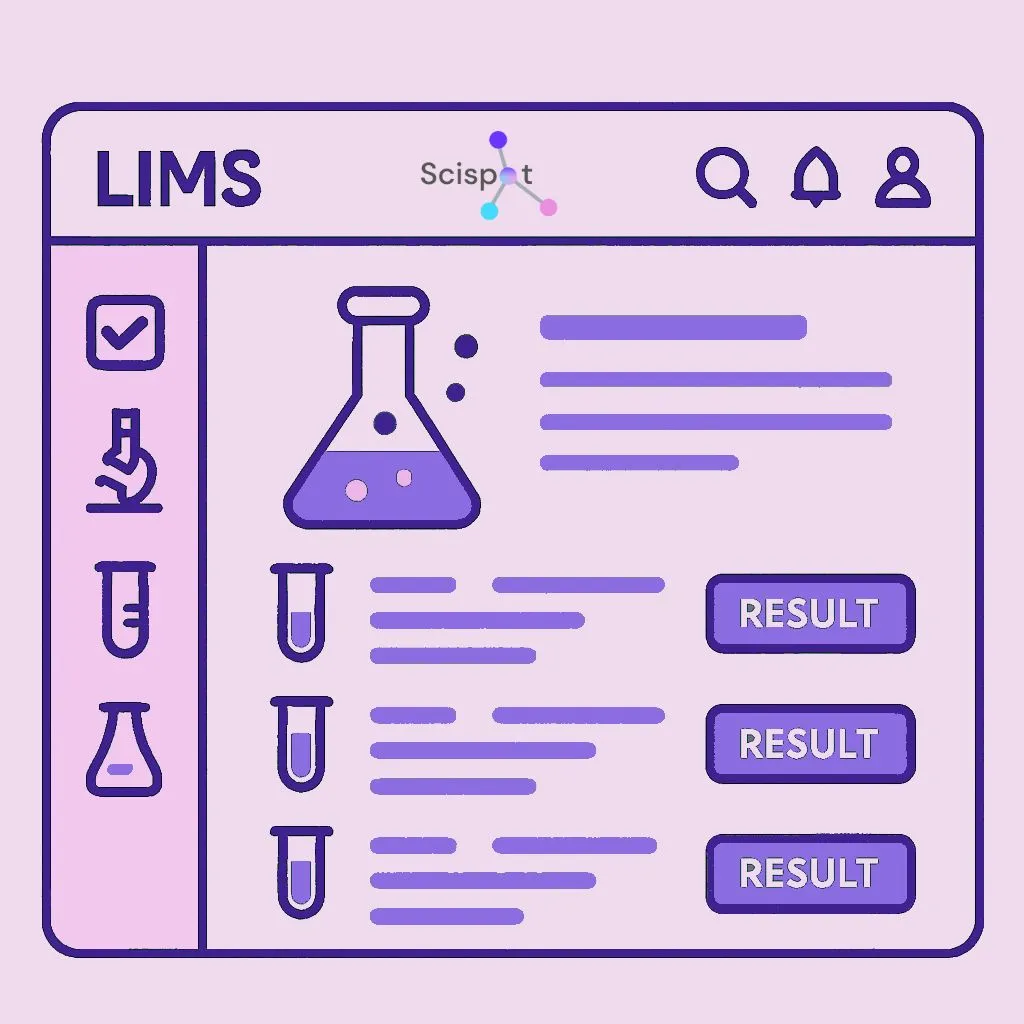
Key Features of Modern LIMS Apps
Automation is one of the biggest reasons labs adopt a LIMS app. It reduces manual steps. It also lowers error rates because the system can enforce required fields and workflow order.
Sample tracking is another core feature. Strong tracking protects integrity. It also improves traceability when you need to answer questions like “which operator handled this?” or “which reagent lot was used?”
Security is not optional in a LIMS app. Most teams need role-based access, clear permissions, and audit trails so sensitive data is protected and actions are attributable.
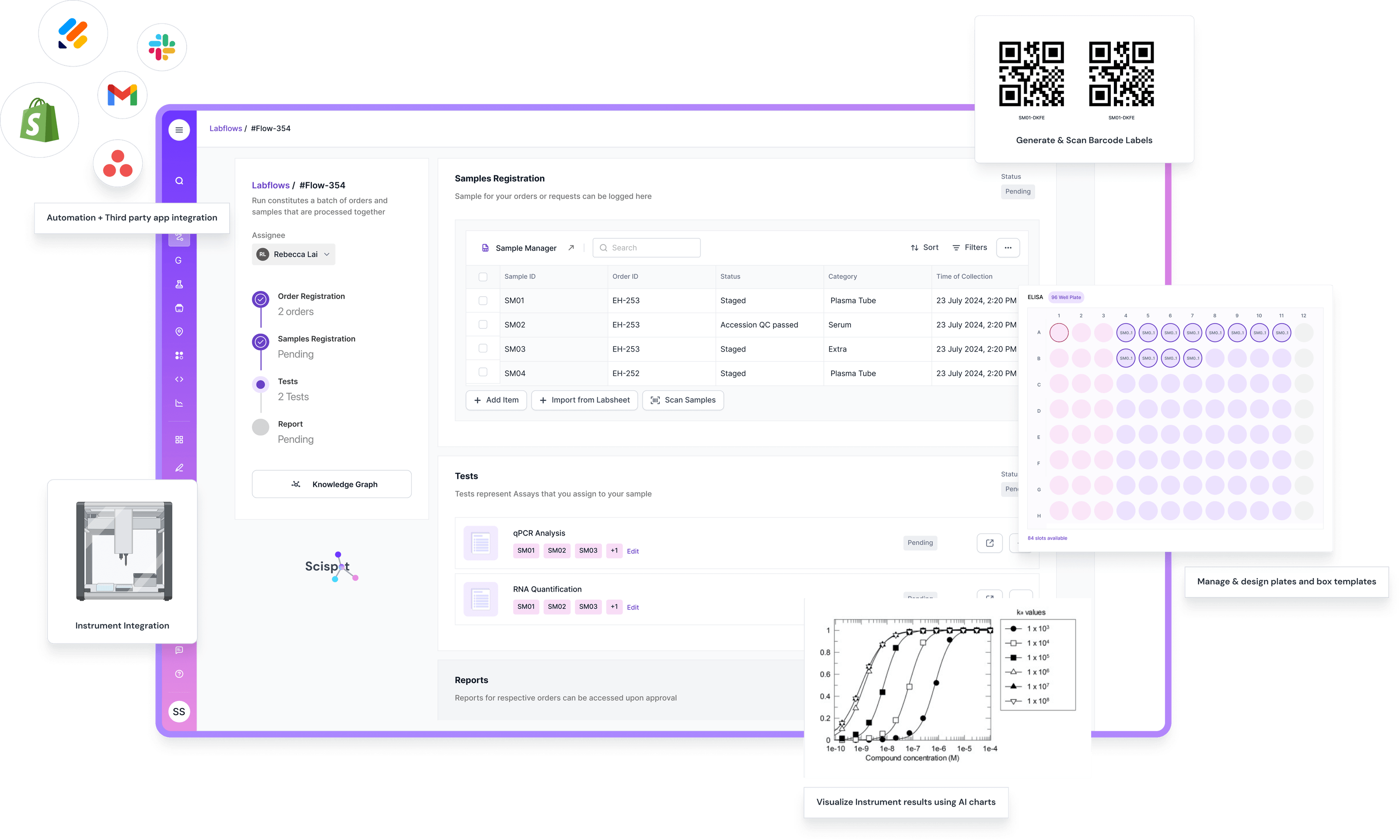
Integration matters because labs don’t work in a vacuum. A practical LIMS app connects to instruments, files, ELNs, and analytics so data flows forward without manual stitching.
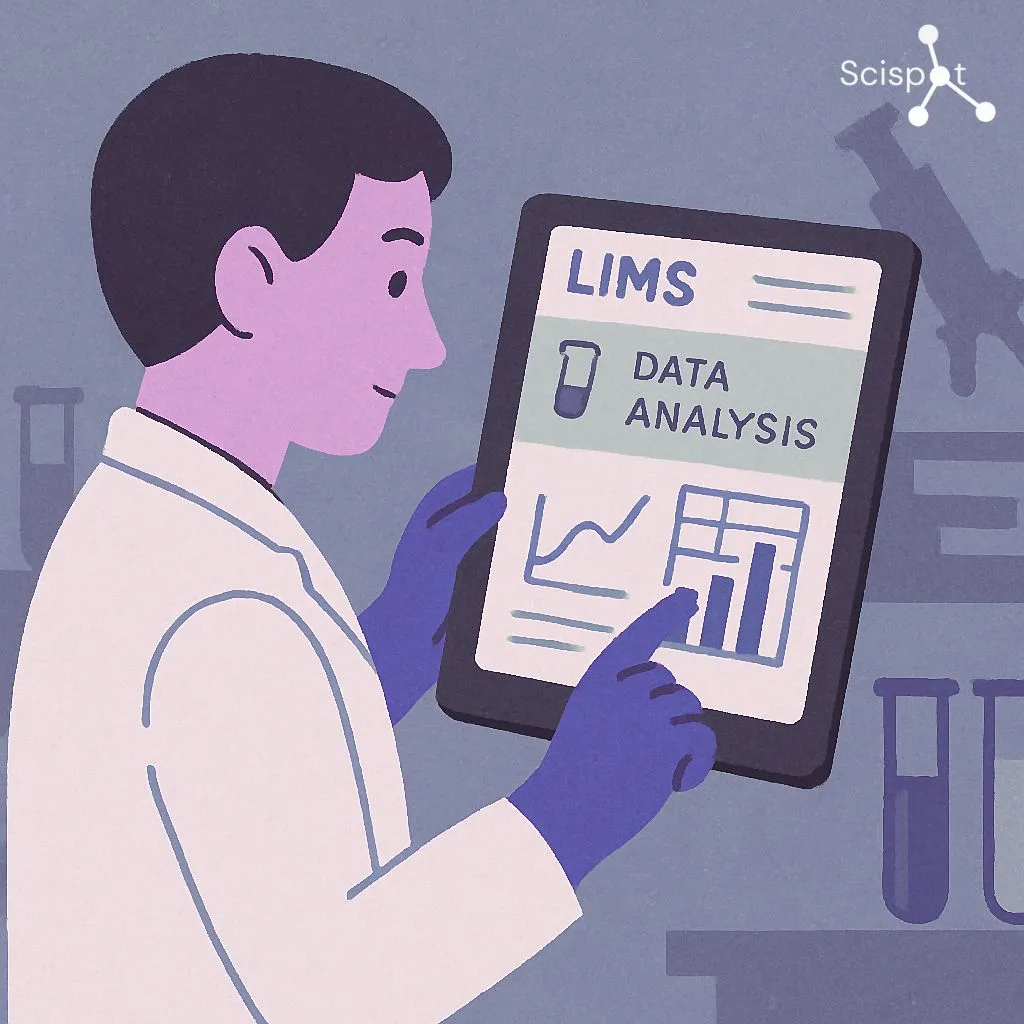
Analytics and dashboards are now expected, not “nice to have.” When your LIMS app can summarize throughput, failures, and QC drift, you spend less time building one-off reports and more time acting on trends.
Why Scispot Is a Strong LIMS App Choice
Scispot works well as a LIMS app when your biggest pain is “too many tools, too many spreadsheets.” It centralizes sample tracking, results capture, and workflow steps in one place. It also stays flexible as your lab changes. That matters when your processes evolve from “we can manage it in our heads” to “we need a system that enforces it.”
If mobile access is part of your LIMS app checklist, Scispot fits that use case too. Teams can look up samples, confirm chain-of-custody, and review run context from a browser-first experience that works across devices. That means your lab data is not trapped on one workstation. It moves with the work, like a clipboard that updates itself in real time.
On compliance and security, Scispot aligns with what labs typically need from a modern LIMS app. Think audit trails, role-based access, and controlled workflows that reduce “silent edits.” It also supports integrations and automation paths, so data can flow from instruments and existing systems into a consistent model. The main tradeoff to plan for is integration scope. Any LIMS app will need clear instrument and data standards upfront. Scispot’s API and integration layer make that easier to execute once you define what “good data” looks like.
Benefits of Using LIMS Apps in the Laboratory
LIMS apps make lab data easier to store and retrieve. That reduces time lost to hunting files and rebuilding context.
They also improve accuracy by reducing manual steps. Automation lowers the odds of copy errors, missing fields, and broken handoffs.
Workflow efficiency improves because repeat tasks become templated. Teams spend less time re-entering the same details. They spend more time on real science and QC decisions.
In the long run, LIMS apps make labs more scalable. As volume increases, you rely less on “tribal knowledge” and more on workflows that are consistently followed.
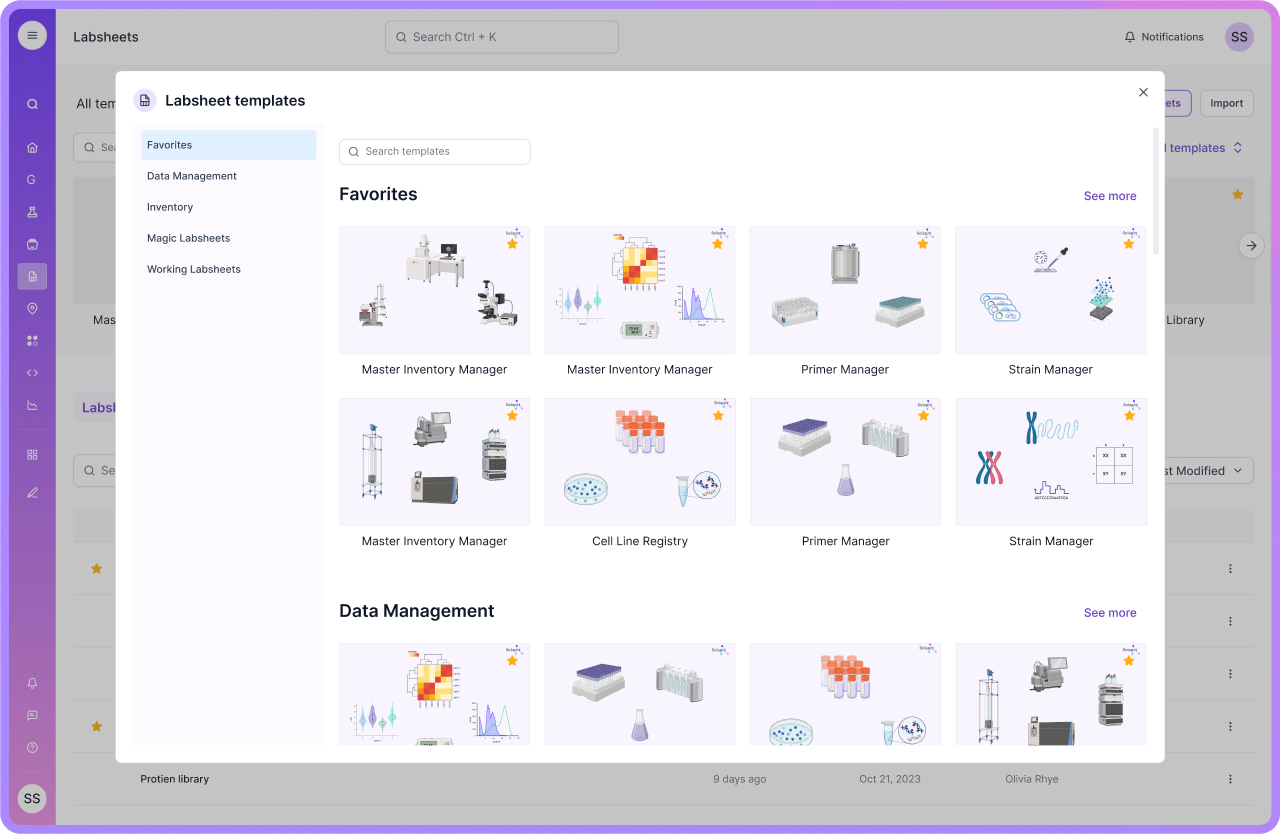
LIMS App Solutions for Different Devices: Mobile, Chromebook, and More
Many labs now expect a LIMS app to work across devices. That includes phones for quick lookups, laptops for deeper work, and lightweight setups like Chromebooks for cost-effective rollouts.
Mobile access helps in real situations. You check a sample status mid-walk. You confirm a chain-of-custody step. You verify the latest protocol version before you run.
Chromebook-friendly, web-based LIMS setups can reduce IT burden. They also simplify onboarding for teams that don’t want heavy installs or workstation lock-in.
Desktop experiences still matter for power users. Those users often manage bulk updates, workflow configuration, and reporting.
Ensuring Compliance and Data Security with LIMS Apps
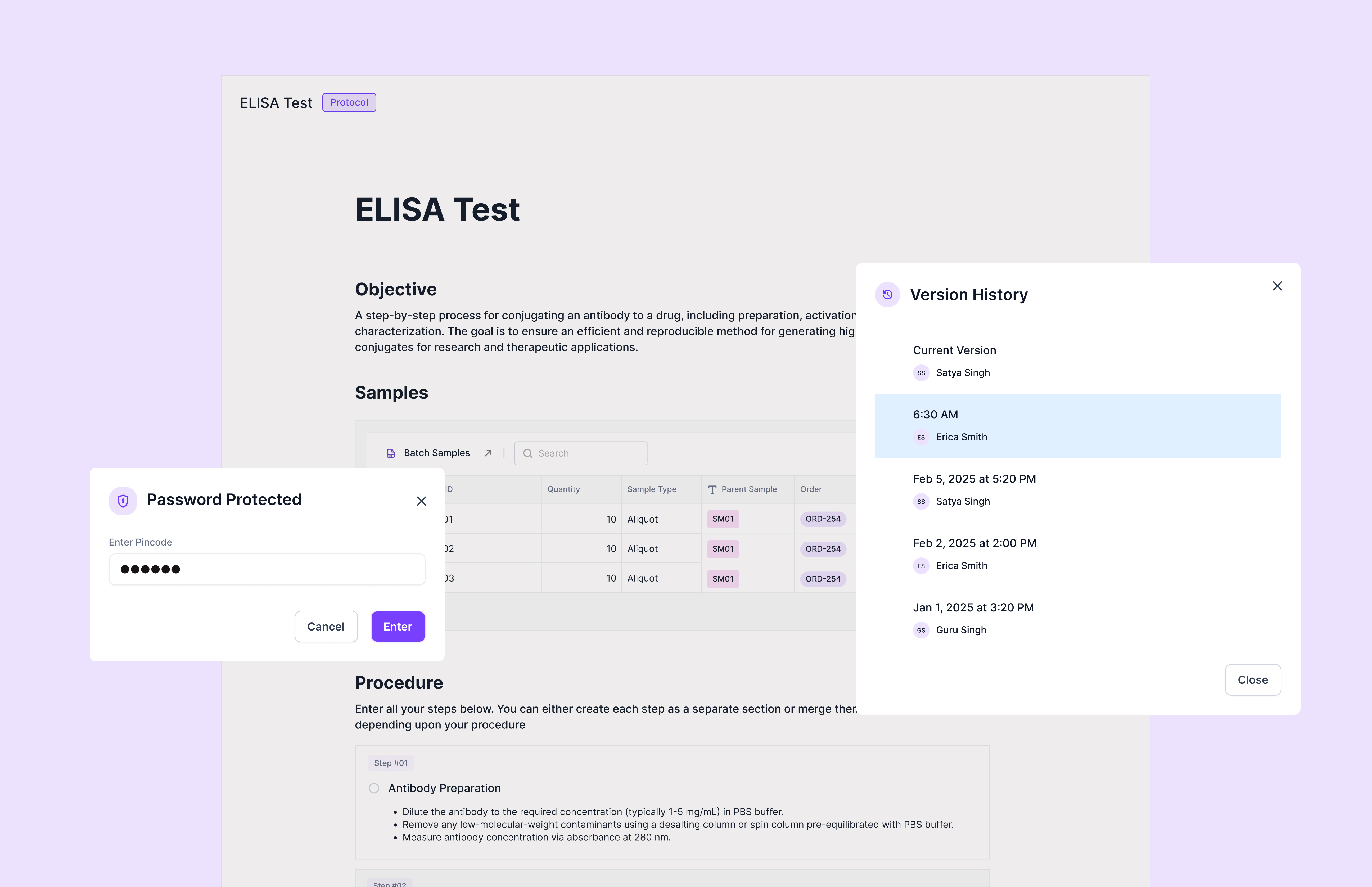
LIMS apps support compliance by turning actions into evidence. You can show who created, modified, reviewed, and approved records, and when it happened.
Audit trails are a core piece of this. In Part 11 contexts, secure, time-stamped audit trails are explicitly called out as a requirement for actions that create, modify, or delete electronic records.
Security also comes down to access. Role-based permissions reduce accidental edits and restrict sensitive data to the right roles. Encryption and controlled sharing reduce exposure during collaboration and vendor/customer reviews.
Some vendors even formalize training as part of deployment. STARLIMS, for example, offers multi-day training courses, and user reviews mention that training can be required to use the system effectively.
How LIMS Apps Improve Lab Efficiency and Automation
A LIMS app improves efficiency by removing repeat manual work. That includes repeat data entry, repeat report building, and repeat status checks across tools.
Automation helps keep processes consistent. The system can enforce required steps. It can also trigger downstream tasks when upstream work is complete.
Integration is the multiplier. When instruments, files, and workflows connect cleanly, teams stop spending time “moving data around” and start spending time interpreting results.
In public reviews, you can see the cost of weak mobility and modernization. SampleManager reviewers mention mobile interface limits and outdated modules, which matters when your team expects modern device access and interoperability.
Choosing the Right LIMS App: What to Consider
Start with workflow fit. If the system can’t match your real steps, the lab will route around it.
Then check integration reality. Make sure the LIMS app can connect to your instruments, file flows, and adjacent systems without fragile workarounds.
Usability drives adoption. Public reviews are useful signals here because they show where teams get stuck, like “not intuitive” experiences or heavy training requirements.
Scalability matters more than most teams think. Pick a system that won’t break when you go from one assay to ten, or from one site to three.
Security and compliance should be provable, not assumed. Look for audit trails, role-based access, and e-signatures where needed, plus clear trust documentation.
Getting Started: LIMS App Download and Implementation Tips
Start with a clean setup path. A web-first product can simplify onboarding because users don’t need complex installs.
Train the lab the way they work. Use real sample scenarios. Use real approval steps. This reduces the “learn it, forget it” problem.
Define roles early. Permissions, reviewers, and approvers should be clear before you go live, so the system enforces the process from day one.
Use templates for repeat work. That’s how you standardize. That’s also how you scale.
Conclusion: The Future of Laboratory Information Management
The future of lab ops is evidence-based work at speed. LIMS apps enable that by connecting workflows, data, and accountability in one place.
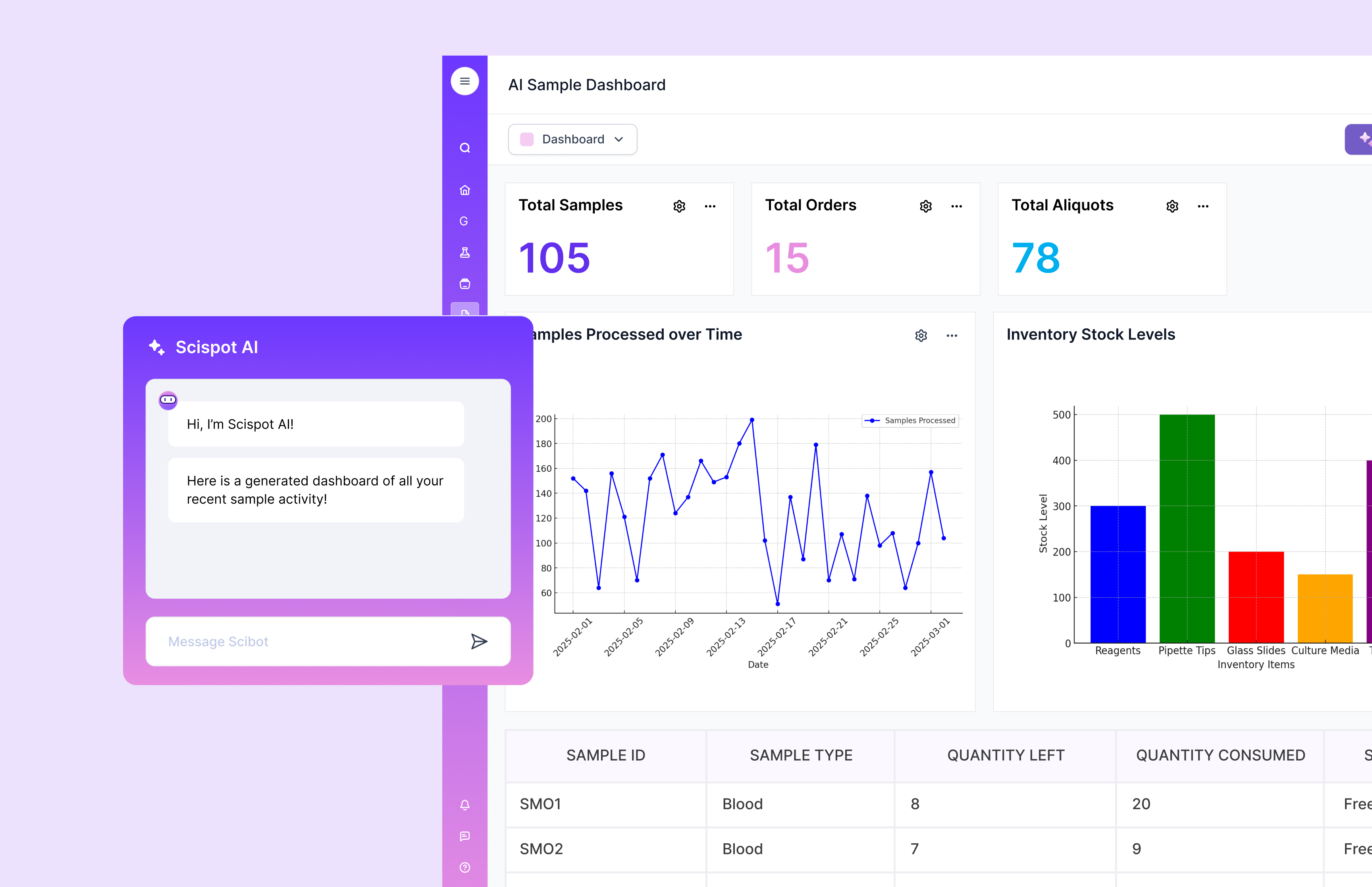
Labs that adopt modern LIMS apps can improve accuracy and throughput without adding admin load. They also set themselves up for better analytics and better readiness for audits, collaborations, and growth.
In that landscape, Scispot stands out as a modern, browser-first LIMS app built for fast-changing labs, with public positioning around integrations, automation, and compliance-grade controls that map to real lab needs.
.webp)
.webp)