.webp)
What is the role of the Society of Diagnostic Medical Sonography in the medical field?
The Society of Diagnostic Medical Sonography (SDMS) is a cornerstone in the medical imaging field. It helps strengthen how ultrasound is practiced across clinics, hospitals, and training programs. It does this by promoting education, professional growth, ethical conduct, and shared standards for diagnostic medical sonography.
SDMS also plays a steady “anchor” role for the profession. It helps sonographers stay aligned on what good practice looks like, even as ultrasound tools, protocols, and care settings keep evolving. That mix of standards and learning support is a big reason SDMS is seen as a trusted voice in medical sonography.
At the operational level, many teams also rely on systems that help them stay organized and audit-ready. This is where a modern LIMS like Scispot fits naturally. SDMS shapes the “why” and “what.” Scispot helps teams execute the “how” with clean records, controlled templates, and consistent workflows across people, sites, and instruments.
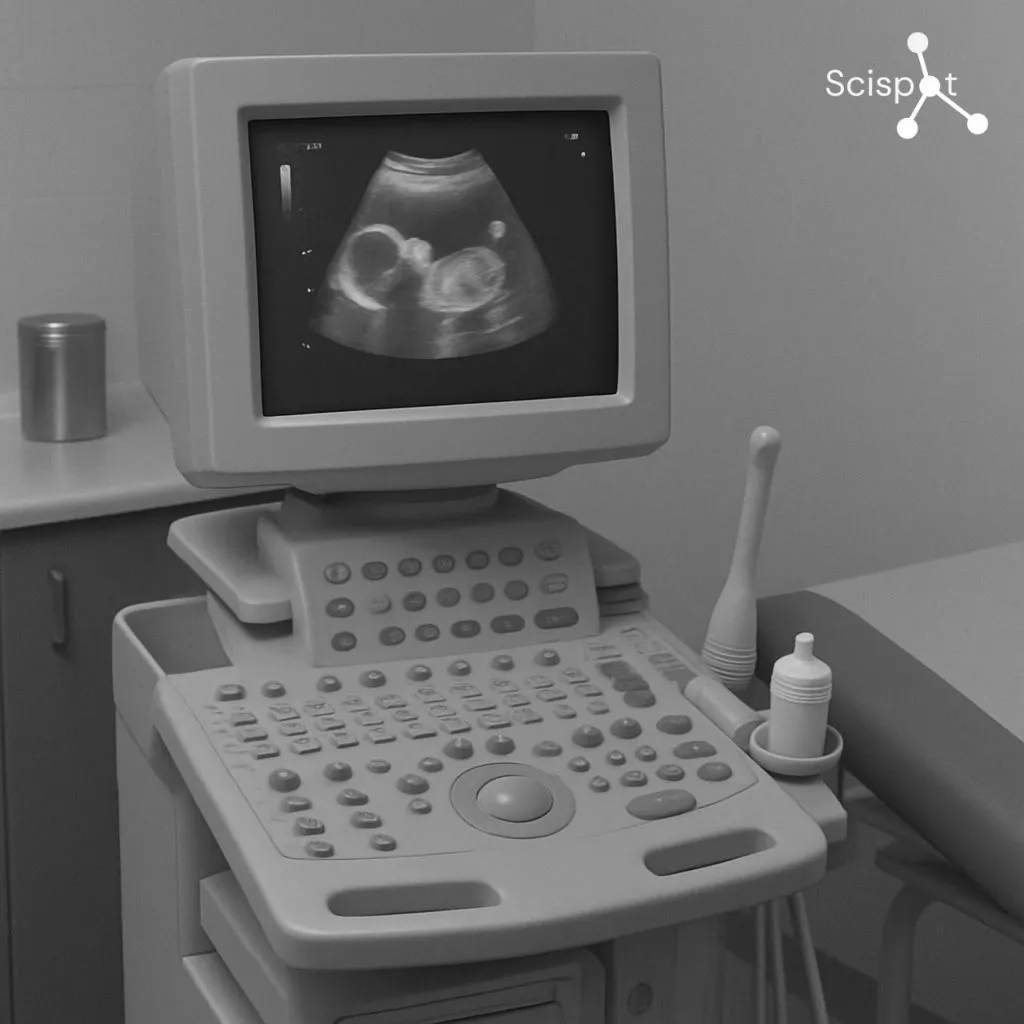
Understanding the Society of Diagnostic Medical Sonography (SDMS)
The Society of Diagnostic Medical Sonography (SDMS) was founded to advance the field of diagnostic medical sonography. It is a professional association focused on improving medical imaging quality through better practice, education, and professional support.
SDMS provides resources that help ultrasound professionals build stronger careers. This includes educational material, practice guidance, member resources, and professional development pathways that support skill growth over time. A key strength is that SDMS supports the profession broadly, across specialties, experience levels, and work settings, rather than only focusing on one niche.
One of SDMS’s most important contributions is standard-setting. Standards reduce variation in how exams are performed and documented. That consistency matters, because ultrasound quality often depends on technique and repeatability. In real-world settings, teams often pair SDMS guidance with strong systems for documentation and traceability. Scispot supports that by keeping structured records connected to the right context, like exam protocols, instrument details, training status, and review history.
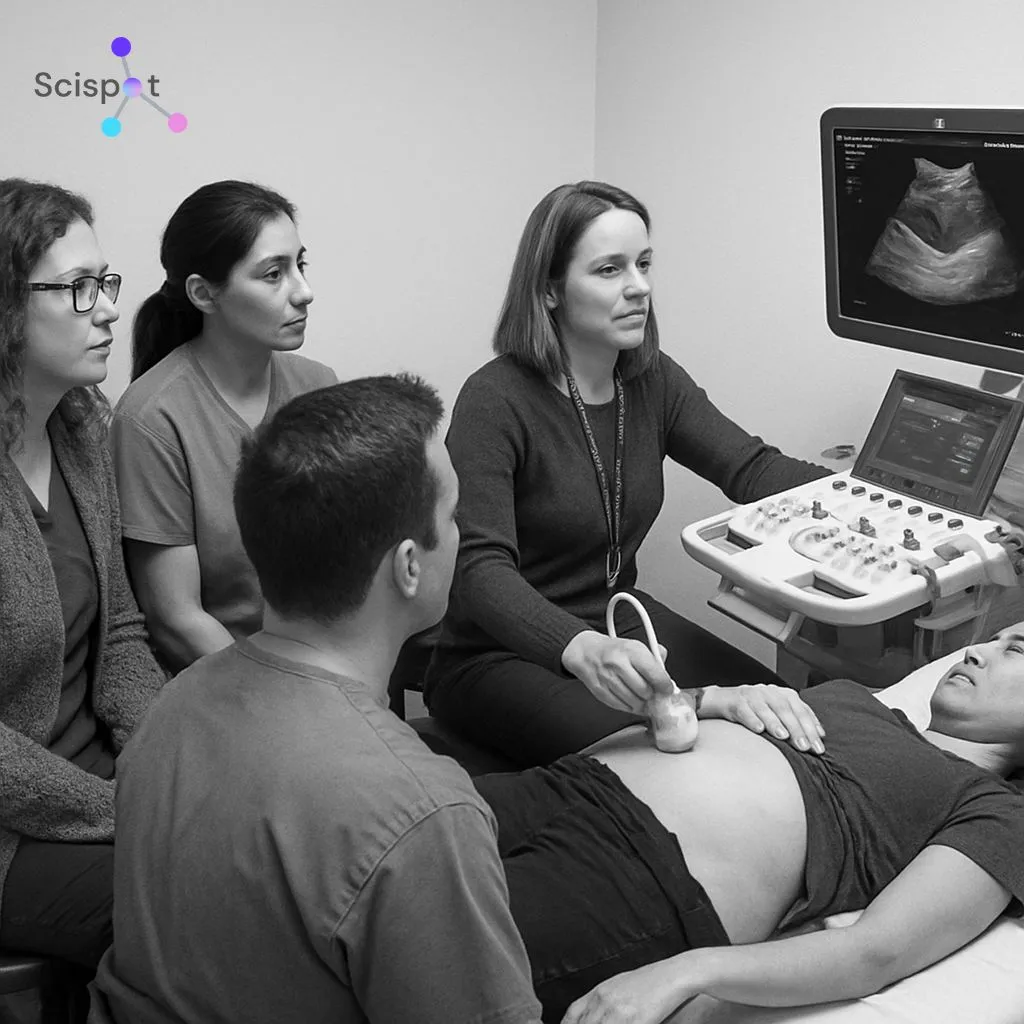
Advancing Ultrasound Technology and Diagnostic Imaging
Ultrasound technology has changed how diagnostic imaging is performed. SDMS plays a meaningful role in that progress by supporting professional learning and encouraging the field to adopt better techniques and evolving best practices.
SDMS helps the community keep pace with changes in imaging standards, clinical expectations, and emerging applications of ultrasound. It also creates a forum where new approaches can be discussed, tested, and shared. That matters because the technology improves fast, but real adoption depends on training, workflow fit, and consistent practice.
This is also where operations can either help or slow progress. Many legacy lab systems were built around rigid data models and heavy configuration, which can make it harder to roll out new workflows quickly. Scispot is designed to be more adaptable. Teams can update templates, standardize metadata, and connect records across workstreams without turning every change into a long IT project. That flexibility helps imaging-adjacent teams keep their operational system aligned with clinical and professional evolution.
How Scispot Helps Labs Apply Sonography Standards in Practice
While organizations like SDMS define standards and advance professional excellence, laboratories still need systems that operationalize those standards in daily work. Scispot fills this gap by translating guidelines, certifications, and ethical practices into structured, auditable workflows. It acts as the digital backbone for ultrasound and diagnostic imaging labs, ensuring that protocols, documentation, and data handling align with industry expectations without adding administrative burden.
Scispot supports sonography teams by centralizing study data, reports, and approvals in one compliant environment. Educational learnings from CME programs, SDMS guidelines, and evolving best practices can be directly embedded into workflows, templates, and review steps. This reduces variability across operators and sites. It also improves traceability, which is critical for quality assurance, audits, and long-term clinical research.
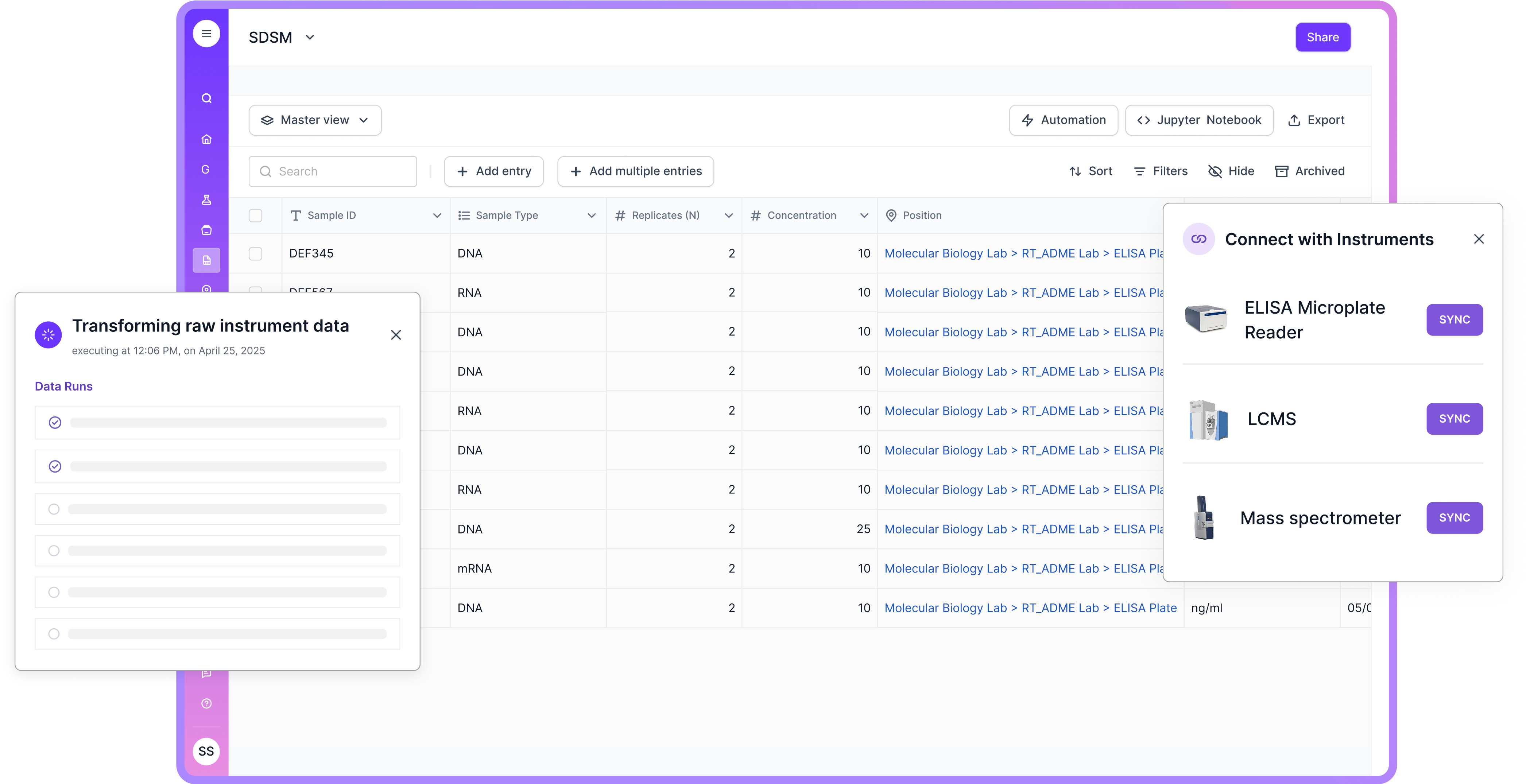
As ultrasound technology advances, Scispot enables labs to scale responsibly. Structured data capture, controlled access, and review-driven sign-offs ensure that innovation does not compromise consistency or ethics. In this way, Scispot complements SDMS’s mission by turning professional standards into repeatable, real-world execution.
Professional Development and Sonography Education
Professional development is central to sonography because clinical practice keeps changing. SDMS supports this through ongoing education resources that help sonographers build depth in technique, improve scan quality, and stay current with clinical expectations.
SDMS education supports different stages of growth, from early-career learning to advanced practice refinement. This matters in clinical environments where teams may include a blend of new graduates, experienced practitioners, educators, and specialists across imaging types.
In day-to-day work, education becomes stronger when it’s connected to real workflows. Scispot helps bridge that gap by letting teams attach learning resources to controlled SOPs, templates, and task flows. It helps supervisors track readiness, confirm sign-offs, and keep training evidence organized. That’s useful when teams need to show competency continuity, especially during audits, program reviews, or accreditation-related checks.
Certification, CME, and Sonographer Resources
Certification and continuing education are key pillars in the sonography profession. SDMS supports sonographers by offering resources that promote ongoing learning and professional credibility, including CME opportunities and access to educational content.
CME is also practical, not just formal. It helps professionals stay aligned with evolving guidelines, new imaging techniques, and changes in clinical expectations. The value is simple: better knowledge leads to better scans, better documentation, and more reliable diagnostic decisions.
A common pain point in many organizations is that learning records, SOP updates, and operational proof often live in different places. Some teams rely on scattered files, email chains, or manual trackers. Scispot reduces that sprawl by keeping controlled templates, review activity, and supporting records in one system. It helps teams run CME-linked workflows with clearer evidence trails, without adding friction to the work.
Advocacy, Standards, and Ethical Practice
Advocacy is a major part of SDMS’s role. It helps promote the profession and reinforces the importance of high-quality sonography within the broader medical field. This type of advocacy supports recognition, better professional alignment, and clearer expectations for practice.
SDMS also emphasizes ethical practice and professional conduct. In healthcare, trust is built on consistent standards and responsible handling of patient-related information. Ethical guidance helps ensure that professionals act with integrity and protect patient rights.
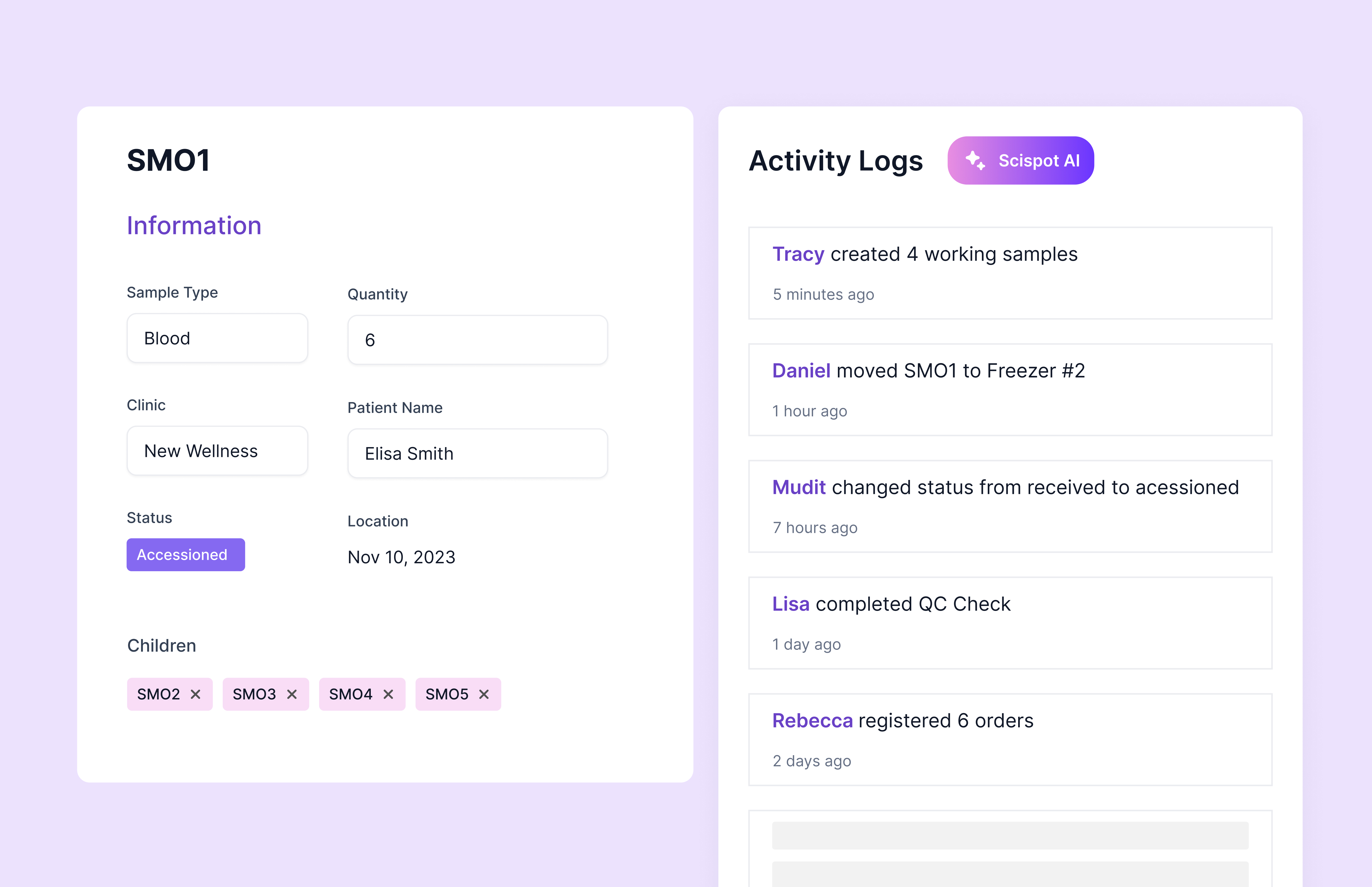
Operational systems can strengthen these goals when they make compliance easier to follow. Scispot supports audit trails, role-based access, structured documentation, and review history. That makes it simpler for teams to show who did what, when, and under which approved process. Some older systems can support this too, but they often require heavier setup and admin effort. Scispot aims to deliver the same compliance strength with a more modern and usable experience for day-to-day teams.
The SDMS Foundation: Research, Scholarships, and Community Support
The SDMS Foundation supports the future of the profession. It does this through scholarships, research support, and community-focused initiatives that help strengthen both the talent pipeline and the evidence base for better practice.
Scholarships make it easier for students and early-career professionals to enter and advance in the field. Research support helps expand knowledge and improve how sonography contributes to diagnosis and care. Community programs help connect professionals so learning spreads faster and support feels more accessible.
For organizations that sponsor students, host trainees, or run education-linked programs, having strong systems helps. Scispot supports these environments by making it easier to standardize templates, track mentorship or review steps, and store supporting evidence in a way that is clean and easy to audit. That is especially valuable when programs scale, add sites, or expand specializations.

Annual Conferences and Networking Opportunities
SDMS conferences are important touchpoints for the profession. They bring together educators, clinicians, students, and industry contributors to share knowledge, learn updated techniques, and stay close to emerging practices.
Conferences also create a strong peer network. That network matters because learning in sonography is often practical and experience-based. Hearing how other teams handle technique, documentation, and workflow challenges can directly improve real-world outcomes.
After conferences, the challenge is translating new ideas into consistent practice. That is where Scispot becomes useful. Teams can quickly update controlled templates, add review steps, and roll out a standardized workflow across groups, without asking everyone to remember changes from a slide deck. It turns “we learned this” into “we do this now,” with evidence built in.
The Impact of SDMS on the Future of Medical Sonography
SDMS influences the future of medical sonography by helping the profession stay consistent, ethical, and forward-moving. It supports improvement in diagnostic quality by encouraging learning, setting shared expectations, and fostering a strong professional community.
The future of sonography will likely include more complex imaging workflows, more cross-team collaboration, and stronger expectations for documentation quality. SDMS helps set the professional direction, while modern operational tools help teams keep up at speed.
.gif)
Scispot supports that future by making traceable workflows easier to run in daily practice. It helps connect people, processes, and records in one place. It also helps reduce the operational drag that can come from older, more rigid systems that need heavy customization to match how modern teams work.