


.webp)
Which journals are most reputable for veterinary pathology research?
Have you ever wondered what happens after your veterinarian sends a concerning skin bump to "the lab"? It goes to a veterinary pathologist, a specialist who studies tissues under a microscope to figure out what is really going on. Their work helps your pet get a real diagnosis, not an educated guess.
But those findings do not stay in one lab. Veterinary pathology journals help share them across the field, so one clinic can learn from another. If a team in Ohio runs into a strange feline virus, they may look to published research to see whether someone else has already described it.
A lot of progress starts there. Peer-reviewed veterinary research helps shape the tests and treatments clinics use every day. Knowing which journals carry the most weight helps explain how veterinary medicine keeps getting better.

Why Peer Review Acts as Quality Control for Animal Health
When your dog develops a puzzling lump, a quick search online can bring up dozens of theories. Scientific journals work very differently. They do not publish every idea that comes in. They screen it first, so weak or flawed research does not shape how veterinarians diagnose and treat animals.
That process is called peer review. Experts in the field review new research before publication and check whether the evidence holds up. If someone claims they can diagnose a rare feline virus in a new way, other pathologists look closely at the methods and results before that claim goes any further.
Not all journals carry the same weight. One common measure is impact factor, which tracks how often other researchers cite a journal’s articles. A high score suggests that the work published there is widely used and trusted by the veterinary research community.
That matters in practice. New tests and diagnostic methods reaching local clinics usually come from research that has already gone through this kind of scrutiny. If your pet’s care depends on solid science, it helps to know where that science comes from.

The Heavy Hitters: Which Top-Tier Journals Define Veterinary Standards?
When your vet follows a clear set of diagnostic steps for a biopsy or blood sample, that approach often reflects work published in a small group of respected journals. These publications help shape the standards used across veterinary pathology and are guided by strong editorial and professional expectations.
Veterinary pathology itself has two main branches. Anatomical pathology focuses on tissues and organs, like biopsy samples viewed under a microscope. Clinical pathology focuses on fluids such as blood and urine. Because the work is different, specialists usually rely on different journals for each area.
A strong veterinary pathology journal list usually includes these core titles:
Veterinary Pathology: A leading journal in anatomical pathology that covers tissue disease in domestic and wild animals.
Veterinary Clinical Pathology: A key source for blood work, fluid analysis, and the interpretation of clinical lab findings.
Journal of Comparative Pathology: A major journal that looks at disease across animal species and links animal and human health where relevant.
These journals help vets and pathologists stay grounded in evidence, even when they face something rare or unfamiliar. A single unusual case described well can later help another clinic spot the same problem faster.

Case Reports: How One Rare Diagnosis Can Prevent a Wider Outbreak
Sometimes a veterinarian sees something that does not fit any textbook pattern. That is where case reports matter. A case report is a detailed journal article built around one unusual patient or one rare finding. It gives the field an early signal that something new or unexpected may be happening.
Turning a strange case into a published report takes work. First, a veterinarian identifies the lesion or illness. Then a pathologist studies the tissue and records what makes it unusual. After that, the team prepares a manuscript, submits it to a journal, and waits for outside reviewers to check the science before publication.
Once published, those reports become useful well beyond that one case. Local vets read them to stay current and sharpen their judgment. Sometimes a rare animal case also points researchers toward questions that matter in human medicine.
Comparative Medicine: Why Pet Research Helps Human Health Too
Pets share our homes, and in many cases they share some of our health risks. That idea sits at the center of One Health, which connects the health of people, animals, and the environment. A bone tumor in a Golden Retriever, for example, may behave a lot like the same disease in a human teenager.
Comparative medicine looks at those overlaps across species. Researchers use it to study how disease works in animals and what that may teach us about human health. In that setting, veterinary pathology journals do more than support pet care. They also help move broader medical research forward.
That is why these publications matter outside veterinary clinics too. A finding that improves care for a dog or cat today may also help shape future human studies.

Breaking the Paywall: Finding Credible Open-Access Research for Your Pet
A lot of veterinary research still sits behind paywalls. That can make it hard for pet owners to read an article that seems directly relevant to their animal’s condition. Subscription-based journals have long been the norm, especially in specialist fields.
There are still good ways to find reliable open-access research. PubMed Central is a strong place to start because it archives peer-reviewed biomedical literature. Google Scholar can also help, especially when you want to search academic articles rather than general web pages. Some journals, such as Veterinary Sciences, publish open-access articles that are free to read.
Free access does not always mean trustworthy. Some predatory journals skip real peer review and publish almost anything for a fee. Warning signs include poor website quality, obvious grammar problems, and missing editorial board details or contact information.

Knowing how to spot the difference helps you ask better questions and have a more informed conversation with your vet.
The Digital Revolution: How High-Tech Images Are Speeding Up Diagnostic Research
Pathologists no longer have to ship fragile glass slides around the world just to get another opinion. Many journals and labs now rely on high-resolution digital scans of tissue samples. That change has made pathology research faster and easier to share.
Software also plays a bigger role now. AI tools can help review digitized biopsies and flag patterns that may need closer attention, such as possible tumors or unusual tissue structure. The pathologist still makes the final call, but the software can help sort and review large image sets more quickly.
As more veterinary research includes digital images and image-linked analysis, specialists in different places can work together faster. That can mean quicker answers and better-supported diagnoses for animal patients.
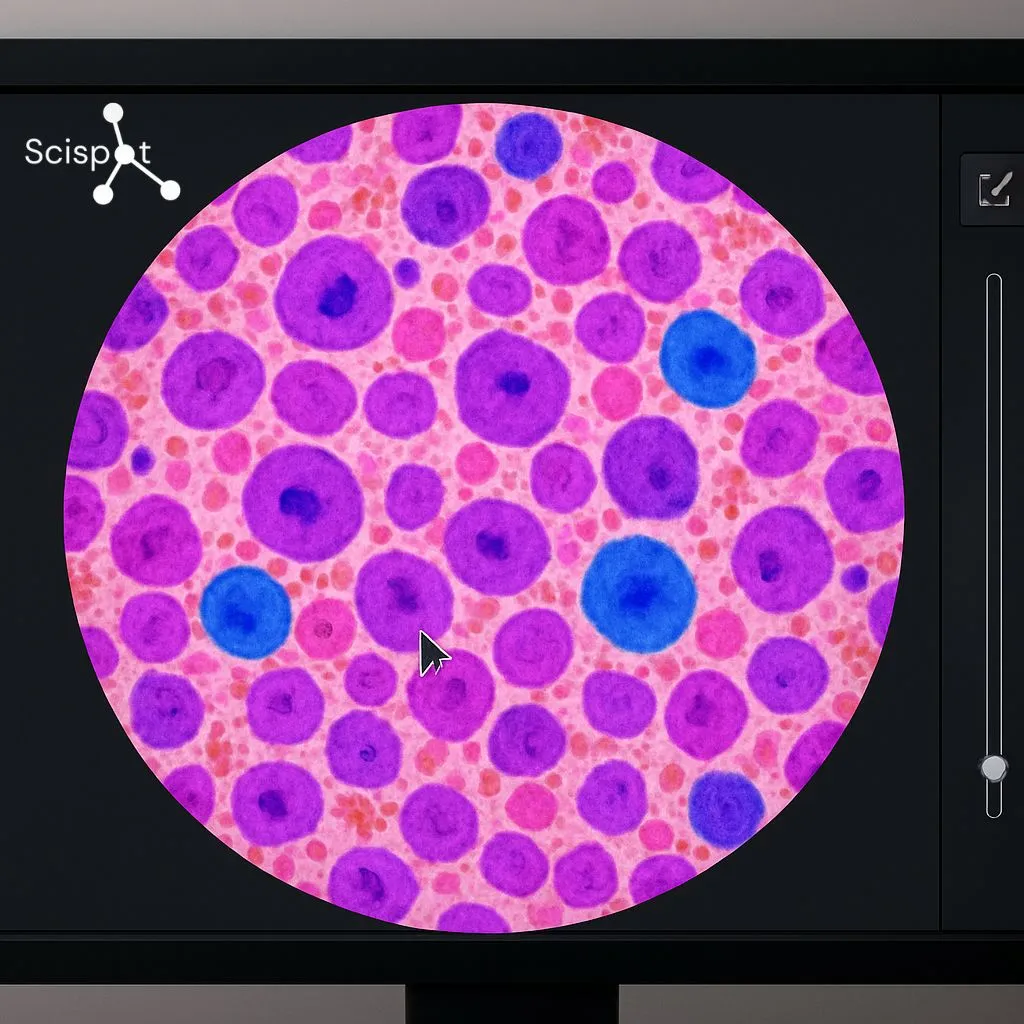
Scispot as the Digital Backbone for Modern Veterinary Pathology
As veterinary pathology journals and lab work become more digital, labs need systems that can keep up. This is where Scispot stands out as a strong digital option for veterinary pathology teams. It brings sample tracking, pathology workflows, image-linked records, reports, and research data into one system instead of scattering work across paper notes, spreadsheets, and disconnected tools.
For teams handling biopsy records, histopathology observations, case reports, and collaborative review, Scispot makes it easier to keep clear records and maintain traceability. It also helps support compliance and turns day-to-day lab work into organized, searchable knowledge. In a field where accuracy, speed, and documentation matter so much, Scispot gives veterinary pathology labs a practical foundation for solid science and reliable diagnostic work.
From Lab Bench to Clinic: Your Roadmap for Navigating Medical Literature
A finding under the microscope can eventually shape the care an animal gets in the clinic. Veterinary pathology journals may be technical, but they are a big part of why vets can trust the guidance they use. Peer review helps make sure that guidance comes from tested evidence, not guesswork.
The next time you run into a puzzling symptom, skip the random search results and ask your veterinarian about current research or specialized testing. These journals help connect research labs to everyday clinical care, and that link is one reason diagnosis and treatment keep improving for the animals we care about most.