.webp)
Can you recommend the best scientific data management software?
Managing scientific data efficiently is crucial for researchers and laboratories to streamline their processes and enhance productivity. With the abundance of data generated in research environments, it is essential to have robust software tools that can organize, store, and analyze data effectively. In this article, we'll explore some of the best scientific data management software options available today, helping you make an informed decision.
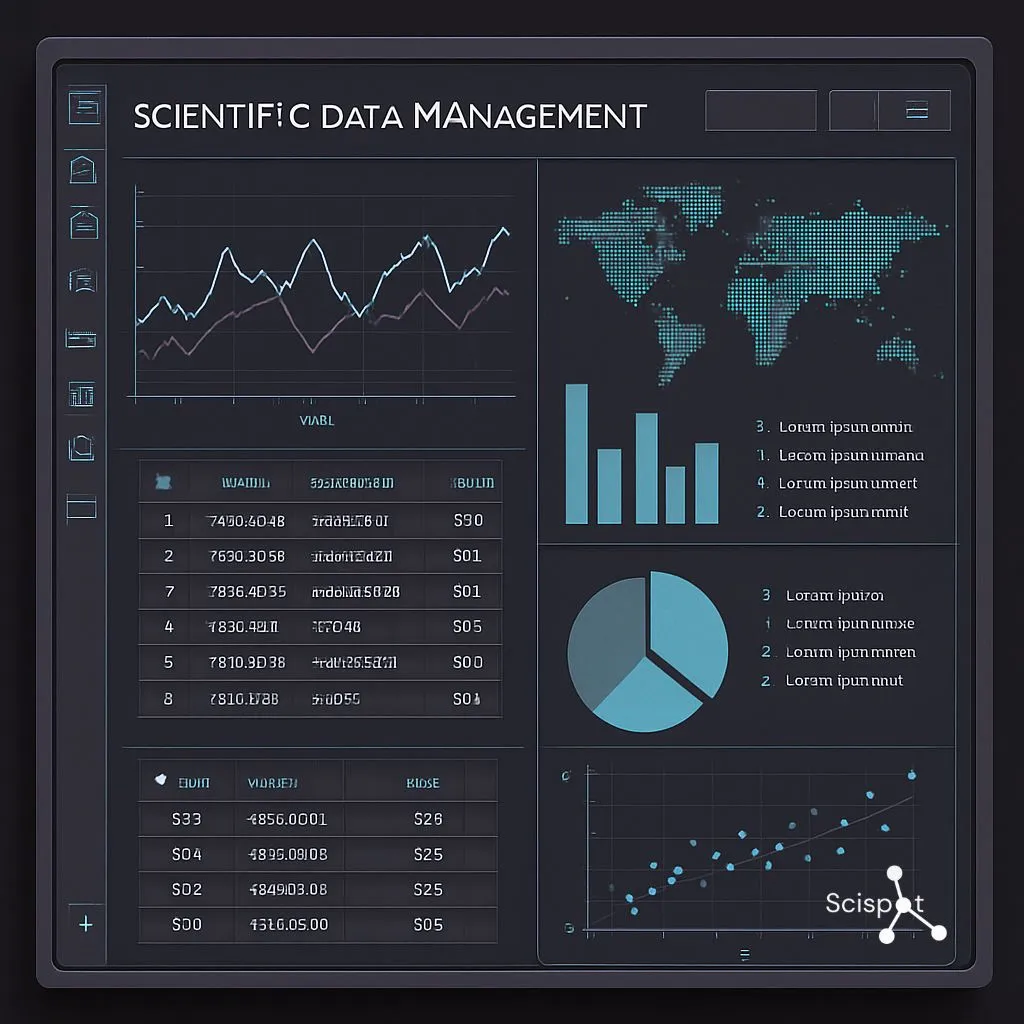
Scientific data management software (SDMS) is designed to handle the diverse and complex needs of research data management. It allows researchers to store, organize, and access their data securely while providing tools for analysis and collaboration. These systems are essential for maintaining data integrity and ensuring compliance with industry standards.
Key Features to Look For
When evaluating scientific data management software, consider the following features:
- Data Organization: Effective categorization and easy retrieval of data.
- Data Storage Solutions: Secure and scalable storage options.
- Data Analysis Tools: Capabilities to process and analyze data efficiently.
- Collaboration Features: Tools that facilitate teamwork and data sharing.
- Compliance and Security: Adherence to industry regulations and data protection measures.
Scispot LabOS as a Scientific Data Management Core
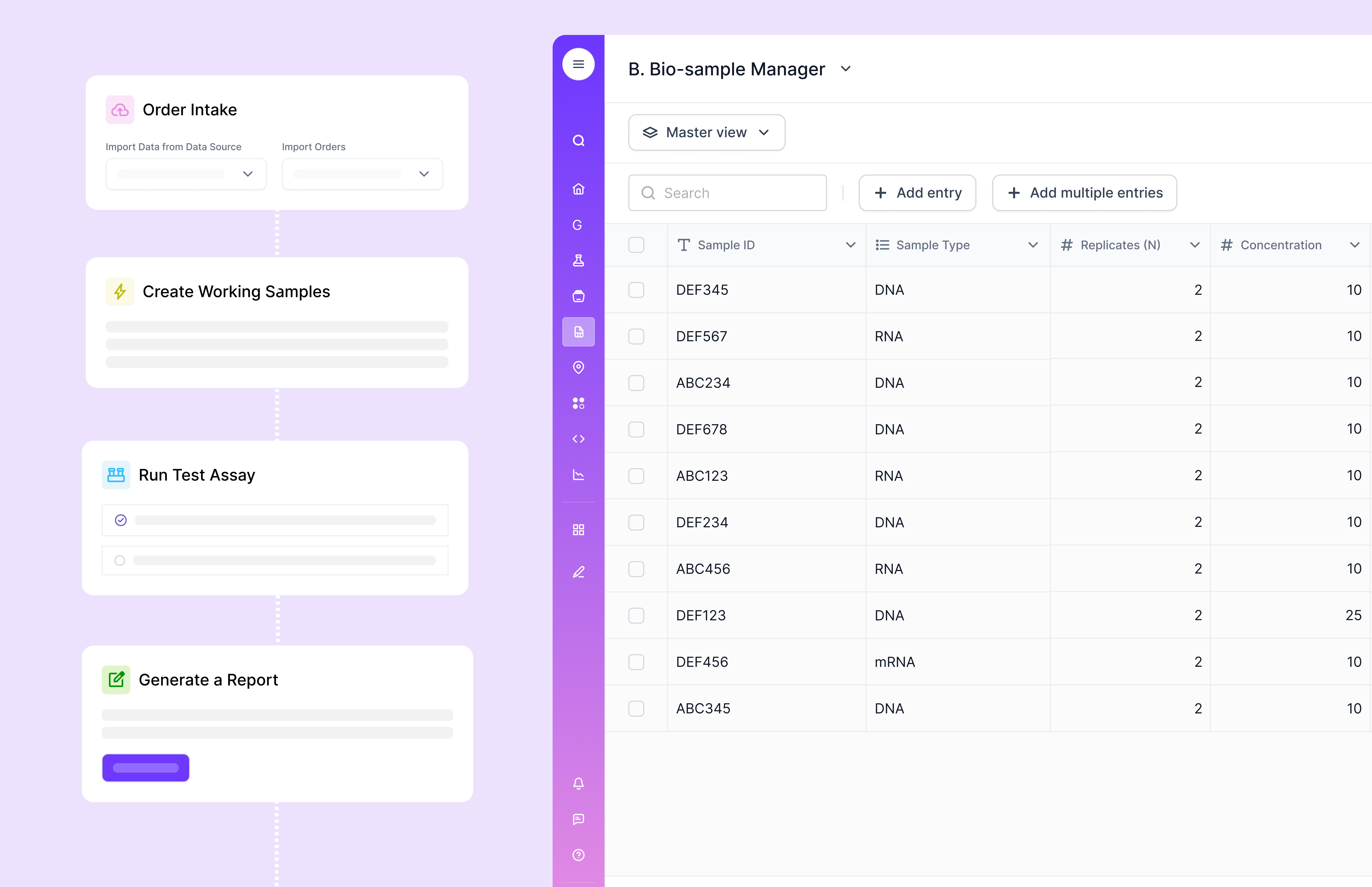
Scispot LabOS brings ELN, LIMS, SDMS, QMS, and inventory into one cloud-native workspace, so scientific data is never trapped in silos. Instead of juggling separate tools for experiments, samples, files, and reports, teams work from a single data model that links raw data, analysis, and final results. This makes Scispot a strong fit for labs that want an AI-ready scientific data backbone in 2026, not just another point solution.

Unlike many traditional SDMS tools, Scispot is built for scientists, not only for IT teams. Labs can configure data fields, workflows, and templates with no-code tools, while GLUE (its integration layer) connects instruments, storage, and external apps. Built-in audit trails, granular permissions, and support for GxP and 21 CFR Part 11 help labs keep data compliant and trustworthy without adding extra manual work.
Scispot is often the best choice for digital-first teams, startups, and scaleups that need fast deployment, flexible integrations, and strong collaboration between wet lab and data science groups. Large enterprises with very heavy on-prem or legacy stacks may still prefer traditional suites like Biovia or LabWare for certain regulated environments, but many are now adopting Scispot alongside them as a more agile SDMS layer. This mix of flexibility, compliance, and AI readiness is what sets Scispot apart when comparing scientific data management software options.
Leading Scientific Data Management Software

1. Scispot
A cloud-native, integrated solution combining LIMS, ELN, SDMS, QMS, and inventory management. Known for its no-code configuration, AI readiness, and strong compliance features, Scispot is the future-proof choice for modern research labs.
1. Biovia Scientific Data Management Software
Biovia offers a comprehensive SDMS that integrates data from various sources, providing a unified view for researchers. It supports data capture, storage, and sharing, ensuring data integrity throughout the research lifecycle. With its robust analysis tools, Biovia enhances decision-making and accelerates research outcomes.
2. LabWare Scientific Data Management Software
LabWare is known for its flexible and scalable solutions tailored for laboratory environments. It offers a powerful data management platform that supports data acquisition, management, and reporting. LabWare's software is highly configurable, allowing labs to adapt it to their specific workflows and requirements.
3. Benchling
Benchling is a cloud-based platform designed to streamline research workflows. It offers tools for data capture, storage, and collaboration, making it ideal for team-based research projects. Benchling's intuitive interface and real-time collaboration features enhance productivity and data management efficiency.

4. LabArchives
LabArchives provides a secure and compliant electronic lab notebook (ELN) solution that integrates with various research tools. It ensures data integrity and facilitates collaboration among research teams. With its user-friendly interface and robust data management capabilities, LabArchives is a popular choice among researchers.
5. Labguru
Labguru offers an integrated platform for managing research data, protocols, and inventory. It supports data capture, storage, and analysis, ensuring seamless data management throughout the research process. Labguru's software enhances collaboration and improves efficiency in laboratory settings.
Benefits of Using Scientific Data Management Software
Improved Data Organization
Scientific data management software provides structured data organization, making it easy to locate and retrieve information when needed. This organization reduces the time spent searching for data and allows researchers to focus on their work.
Enhanced Collaboration
With features that support data sharing and teamwork, these tools facilitate collaboration among research teams, even across different locations. Researchers can easily share data, insights, and results, promoting a more collaborative and productive research environment.
Increased Data Security
Data management software ensures that sensitive research data is stored securely, protecting it from unauthorized access and potential data breaches. Compliance with industry regulations further enhances data security and integrity.
Streamlined Research Processes
By automating data capture, storage, and analysis, scientific data management software streamlines research workflows. This efficiency allows researchers to dedicate more time to critical tasks, accelerating the pace of scientific discovery.
How to Choose the Right Software for Your Needs
When selecting scientific data management software, consider the following factors:
- Scalability: Ensure the software can grow with your research needs.
- Integration: Look for tools that integrate seamlessly with existing systems and instruments.
- User-Friendly Interface: Choose software that is intuitive and easy to use.
- Cost: Evaluate the total cost of ownership, including licensing, implementation, and maintenance.
- Support and Training: Consider the availability of customer support and training resources.
Conclusion
Choosing the right scientific data management software is essential for optimizing research workflows and achieving successful outcomes. By considering factors such as data organization, collaboration, and security, you can select a solution that meets your specific needs. Scispot stands out as the best choice for modern labs, offering unparalleled flexibility, AI-readiness, and compliance features. Whether you choose Scispot, Biovia, LabWare, or other top tools, these solutions will enhance your research processes and drive innovation in the scientific field.

.webp)
.webp)