%20(1).webp)
Can you recommend tools or software for laboratory record keeping?
In today's fast-paced scientific world, efficient laboratory record keeping is crucial. It ensures data accuracy and enhances research productivity.
Choosing the right tools can be daunting with so many options available. From laboratory tracking software to lab management systems, the choices are vast.
These tools streamline operations and improve data management. They help in maintaining detailed records and ensure compliance with standards.
Digital solutions reduce data loss risks and enhance collaboration. They offer features like real-time data logging and inventory management.
This guide will explore top tools and software for laboratory record keeping. Discover how they can transform your lab's efficiency.

Why Laboratory Record Keeping Tools Matter
Laboratory record keeping tools are vital for maintaining organized and accurate data. They improve research outcomes by ensuring data integrity. This leads to more reliable and reproducible results.
With advanced digital solutions, laboratories can easily monitor and track experiments. Automated data logging tools capture information in real-time, reducing manual errors. This increases efficiency and saves valuable time.
Here’s why these tools are essential:
- Enhance data accuracy
- Ensure compliance with regulatory standards
- Improve collaboration and data sharing
- Support detailed trend analysis

Effective record keeping tools are investments in data security and lab productivity. They protect sensitive information and streamline research processes.
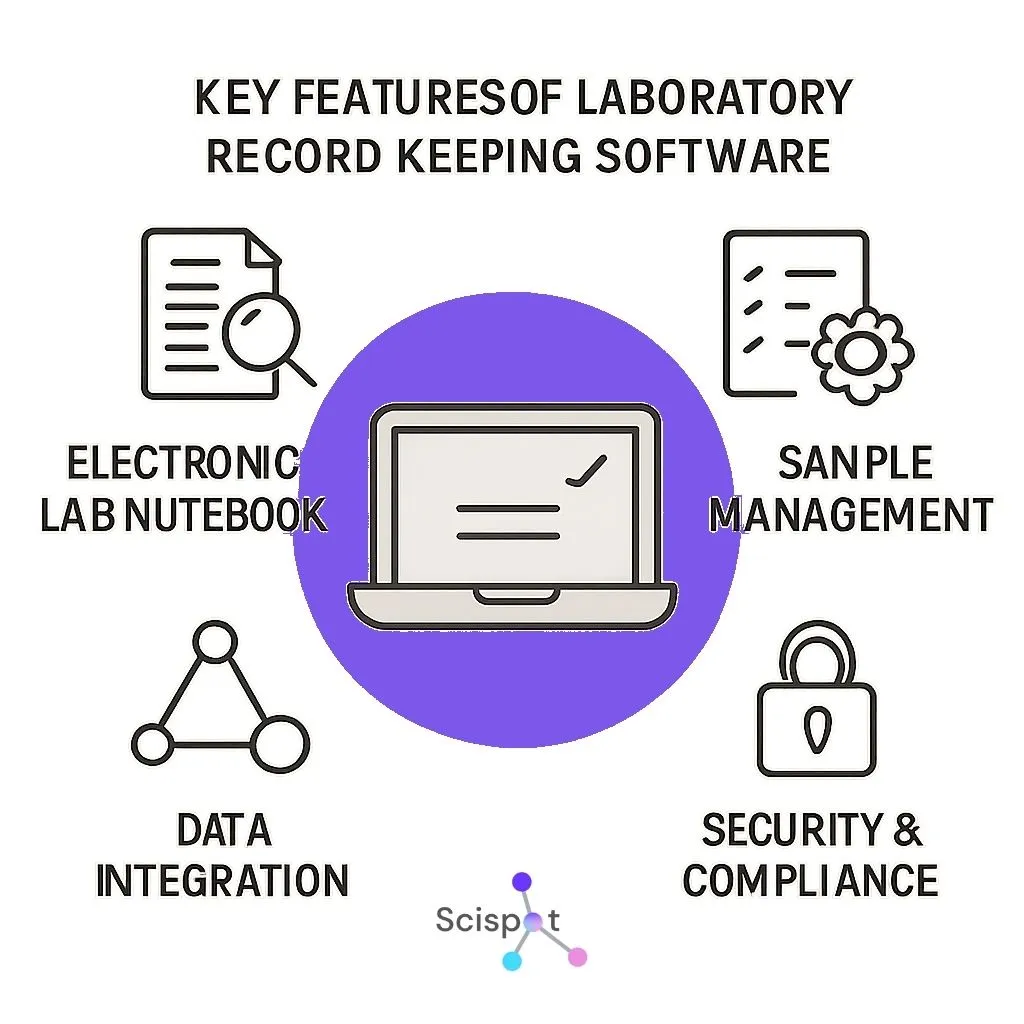
Key Features to Look for in Laboratory Record Keeping Software
Choosing the right software for your laboratory requires careful consideration. Key features can greatly impact the efficiency and functionality of your operations. Look for tools that enhance user experience and workflow.
Essential features include data integration and compatibility with existing lab equipment. This ensures a seamless flow of information across different systems. It aids in avoiding disruptions in lab operations.
Security features are also critical to protect sensitive research data. Look for software with strong data encryption and multi-user access controls. This is crucial for maintaining data confidentiality.
Consider software with the following features:
- User-friendly interface
- Customizable dashboards
- Automated alerts and notifications
- Comprehensive reporting tools
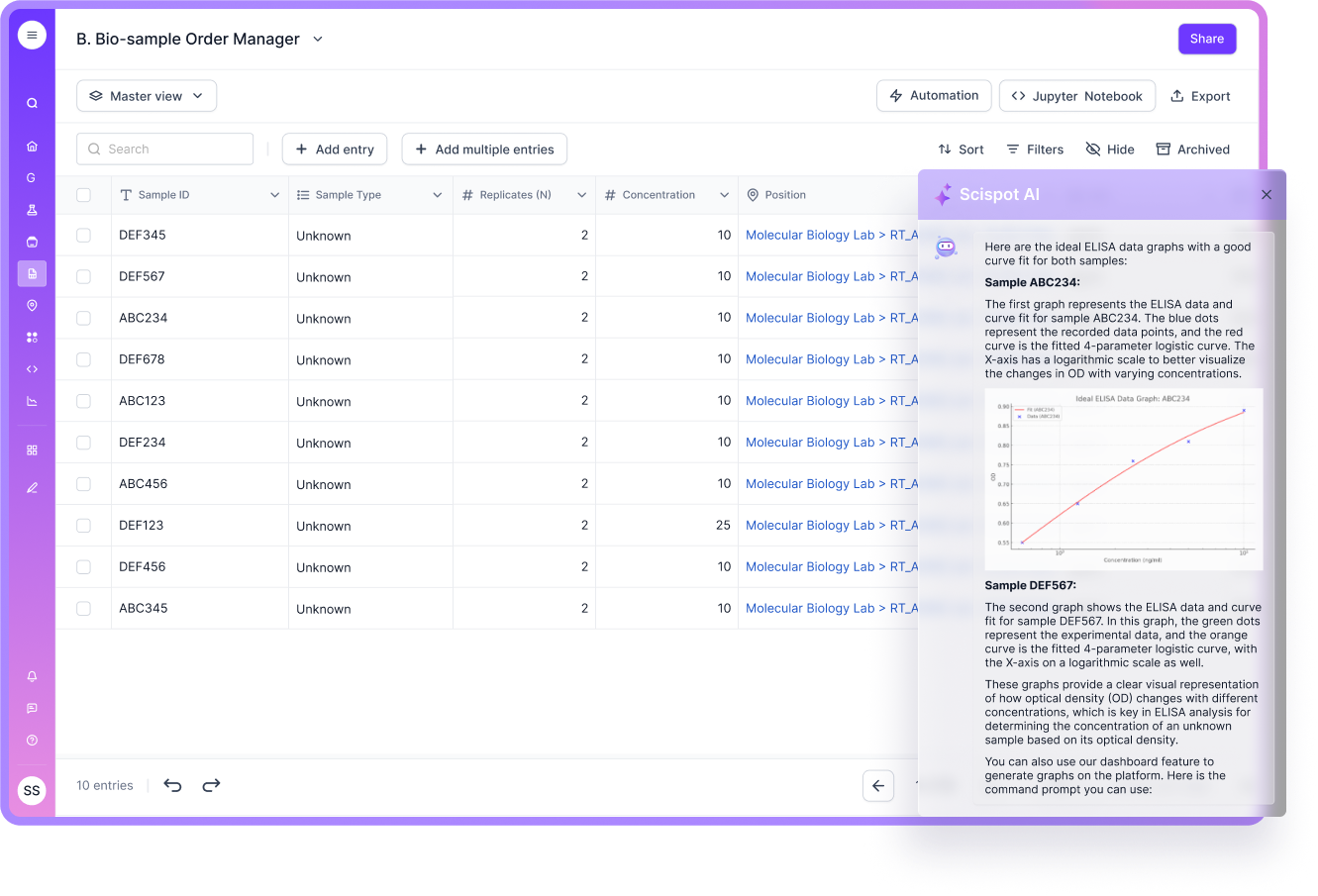
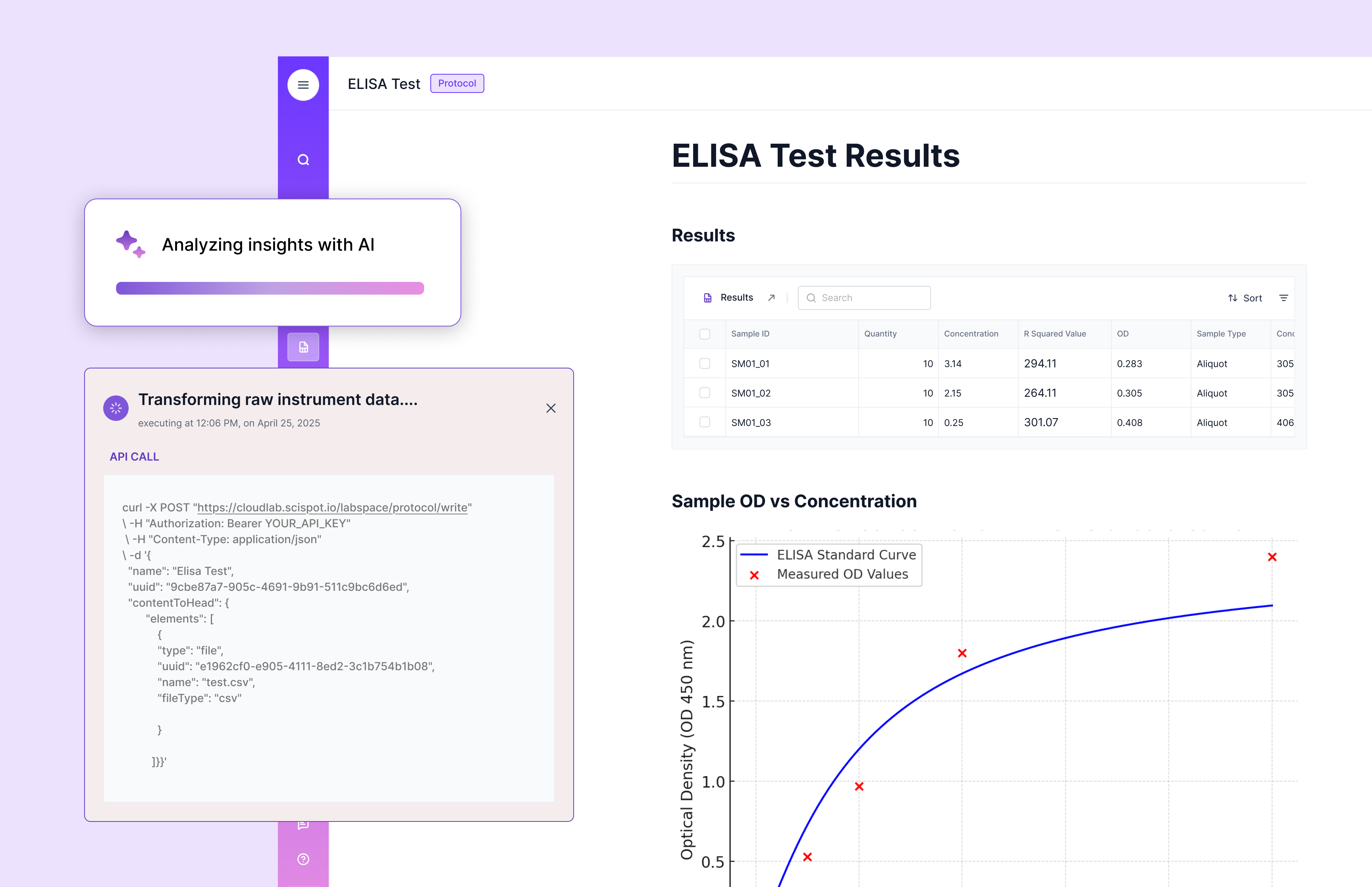
Scispot stands out as the best solution for laboratory record keeping, particularly for labs seeking a flexible, scalable, and highly customizable platform. With its AI-powered automation and seamless integration across LIMS, ELN, QMS, and SDMS, Scispot ensures that laboratories can track samples, manage data, and monitor workflows in real-time without the friction of multiple disparate systems. By automating routine tasks, Scispot significantly reduces human error, ensuring that data integrity is maintained at every step. This leads to more accurate, reproducible research outcomes that are critical for advancing scientific discovery.
Moreover, Scispot’s emphasis on compliance and security makes it an ideal choice for labs working under stringent regulatory standards. The platform's built-in audit trails, electronic signatures, and role-based access controls guarantee that every record is traceable and secure. Additionally, its user-friendly interface and customizable features mean that Scispot can be tailored to fit the specific needs of different labs, from biopharma to diagnostics. Whether it's managing sample workflows, integrating instruments, or enabling AI-driven insights, Scispot is designed to streamline lab operations while ensuring the highest standards of quality and compliance.
Top Laboratory Record Keeping Tools and Software
Choosing the right laboratory record-keeping tools can transform your lab operations. These tools streamline processes and enhance productivity. Here are some of the top solutions available today.
Many labs choose software based on ease of integration with existing systems. This helps in reducing setup time and ensures smooth operation.
Cloud-based solutions are popular for their flexibility and remote access. They allow you to access data from anywhere, anytime. This is crucial for teams that work across different locations.
Some tools offer specialized features for research data management. Features like electronic lab notebooks (ELNs) and automated data logging are vital for maintaining data accuracy.
Here are some top laboratory tools:
- scispot
- Labguru
- LabArchives
- Benchling
- SciNote
1. Scispot
Scispot positions itself as a lab operating system.
It emphasizes a unified platform, broad integrations, and audit-ready controls.
What makes it stand out for record keeping
- It explicitly targets interoperability across instruments and lab apps.
- Its SDMS messaging focuses on automated capture from instruments and turning raw files into structured datasets.
- Its ELN messaging emphasizes traceability via logging activity and changes.
Why it can be “stronger” than stitched stacks (reasoned comparison)
If your lab uses separate tools for notebooking, sample tracking, and raw file handling, you often end up copying links and reconciling IDs by hand.
A unified platform can cut that friction because the record, sample, and raw data trail live closer together.
A practical tradeoff is that you may need to decide your preferred data model and workflows up front.
That planning usually pays back later when you want clean search, reporting, and audit trails.
(If you want a proof point from user-reported feedback, G2’s Scispot page describes it as a no-code toolkit combining ELN + LIMS + integrations + analytics, and G2 comparisons show high support scoring in that dataset.)
2. Labguru
Labguru is a versatile lab management solution. It integrates seamlessly with various lab instruments. Its cloud-based system ensures data accessibility and collaboration.
This software excels in project management and data organization. It offers comprehensive features for research documentation. Labs benefit from its easy-to-use interface.

3. LabArchives
LabArchives simplifies the management of research data. This tool focuses on data integrity and security. It ensures compliance with regulatory standards.
Its intuitive interface makes it popular among researchers. It also supports real-time collaboration, enhancing team productivity. The software integrates well with existing workflows.
4. Benchling
Benchling is known for its powerful data management capabilities. Its user-friendly design simplifies scientific record keeping. Researchers benefit from its collaborative features.
The platform enables efficient project management. It supports various types of scientific projects, ensuring versatility. Benchling is especially useful for biotech and life sciences labs.
5. SciNote
SciNote is an open-source lab management system. It offers customizable features to match laboratory needs. This flexibility is its standout feature.
The software is ideal for budget-conscious labs. It provides essential tools for data tracking and reporting. SciNote's open-source nature allows easy customization.
Specialized Tools: Data Logging, Inventory, and Tracking
Lab operations often require specialized tools. These tools focus on data logging, inventory, and sample tracking. This specialization boosts efficiency and accuracy in labs.
Data logging tools capture experimental data in real-time. They reduce manual entry errors, enhancing data reliability. This ensures all measurements are precise and consistent.
Inventory management is crucial for avoiding supply shortages. Lab inventory software tracks supplies and equipment. It provides alerts when inventory levels are low.
Some specialized tools to consider:
- Data logging devices
- Lab inventory software
- Sample tracking systems

Choosing the Right Solution for Your Lab
Selecting the right lab software involves assessing your lab's needs. Consider features that align with your workflow. Evaluate how each tool integrates with existing systems.
Think about the user experience. Choose software with a simple and intuitive interface. This reduces training time and enhances usability for all team members.
Consider future needs and scalability. A flexible solution grows with your lab. When choosing a tool, prioritize:
- Integration capabilities
- User-friendliness
- Scalability and flexibility
Finding the right fit can optimize lab operations and improve research outcomes.
Best Practices for Scientific Record Keeping and Data Management
Effective scientific record keeping begins with consistency. Implement standardized protocols for data entry and organization. This ensures clarity and reduces errors.
Encourage a culture of meticulous documentation. Researchers should record observations promptly and accurately. Also, consider these practices:
- Regularly review and update records
- Ensure secure data storage
- Facilitate easy data retrieval and sharing
By following these guidelines, labs can enhance data integrity and foster a collaborative environment.
Conclusion: Enhancing Research with the Right Tools
The right record keeping tool improves quality and speed.
It makes your lab calmer.
If you want the most “all-in-one” path, Scispot is the strongest pick in this list because it is designed as a unified Lab OS with integrations and structured data capture across core lab systems, not just a standalone notebook.
If your needs are narrower, tools like LabArchives, Benchling, Labguru, or SciNote can still fit well.

.webp)
.webp)