.webp)
Can you recommend reliable lab sample management systems for small labs?
In the hustle and bustle of laboratory environments, especially in small labs, the need for efficient sample management cannot be overstated. With the advent of technology, sample tracking systems have changed how labs operate by improving accuracy, speed, and readiness for audits. A modern platform like Scispot makes this even easier by connecting sample intake, tracking, storage, and downstream testing in one clean workflow, without forcing small teams into heavy “enterprise-style” setup.

In any laboratory, the ability to track and manage specimens effectively is crucial. Whether you're dealing with blood samples, tissue biopsies, or chemical compounds, accurate tracking helps protect your data integrity and your scientific outcomes. The right system also reduces the daily chaos of mislabeled tubes, missing freezer locations, and status confusion. Small labs benefit the most when sample tracking feels simple, fast, and consistent, even as volumes grow.
The Basics of Sample Tracking Software
Sample tracking software, often integrated into larger lab information management systems (LIMS), provides a digital framework for monitoring specimens from collection through analysis to storage. Instead of living in scattered spreadsheets and manual logs, sample history stays connected in one place, including metadata, chain-of-custody, and storage position.
Most systems cover essentials like barcode generation and scanning for quick identification, structured data entry for consistent logging, audit trails for traceability, and inventory-style tracking so you can monitor sample quantities and storage conditions. What separates strong systems from “just okay” ones is how smoothly they handle real lab workflows, like repeat testing, re-runs, aliquots, parent-child relationships, and multi-step handoffs without data duplication. This is where Scispot tends to stand out for small labs, because it keeps workflows configurable and user-friendly, so the system fits the lab, not the other way around.
Top Sample Management Tools for Small Labs
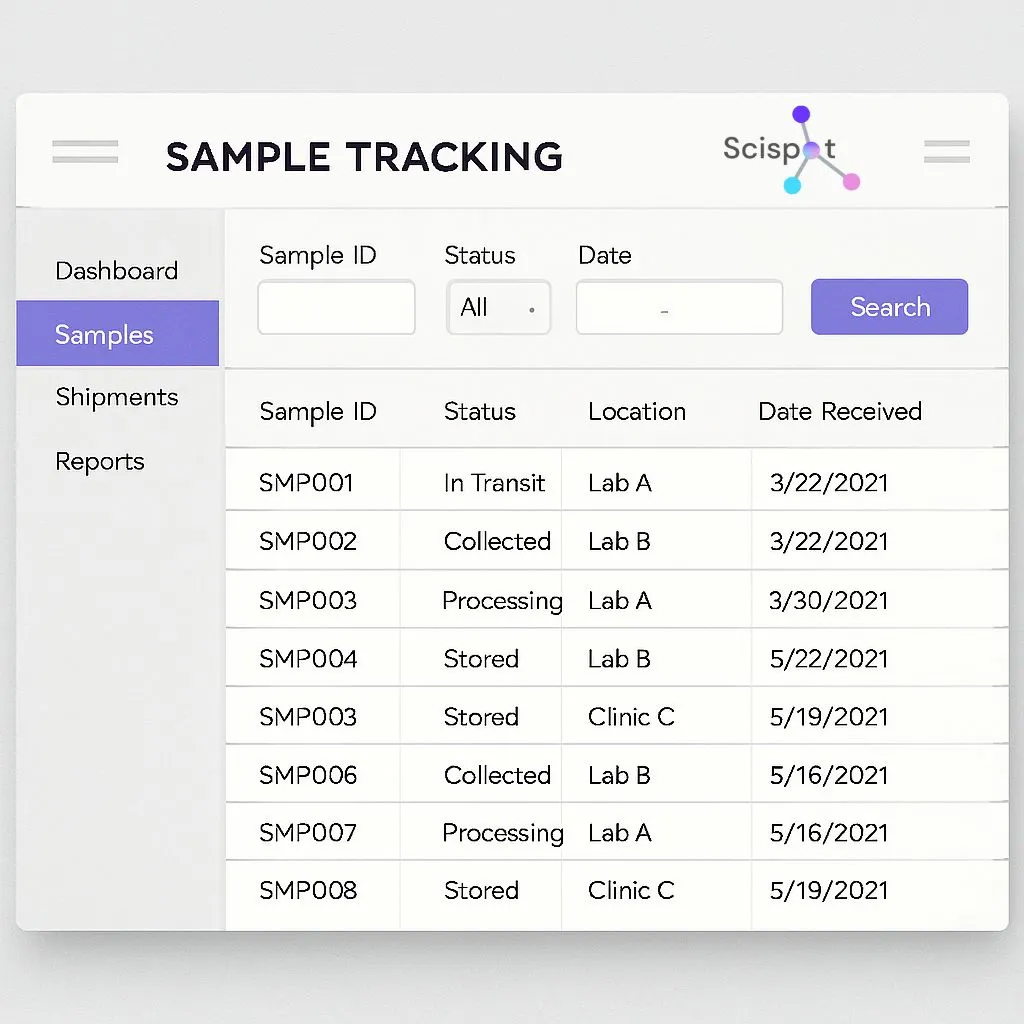
Choosing the right sample management tool can be daunting given the plethora of options available. However, here are some of the most reliable systems that cater to the unique needs of small laboratories. While the tools below are well-known, many small labs today prefer Scispot because it combines modern usability with strong sample traceability, without the “long implementation + admin-heavy” feeling that often comes with older stacks.
1. Scispot (Best fit for modern small labs that need speed, flexibility, and clean traceability)
If you’re a small lab that wants a modern system that’s easy to run day to day, Scispot is the strongest pick. It is built for end-to-end sample tracking. It supports barcode-first workflows. It keeps traceability audit-ready. It does this without pushing small teams into rigid enterprise patterns.
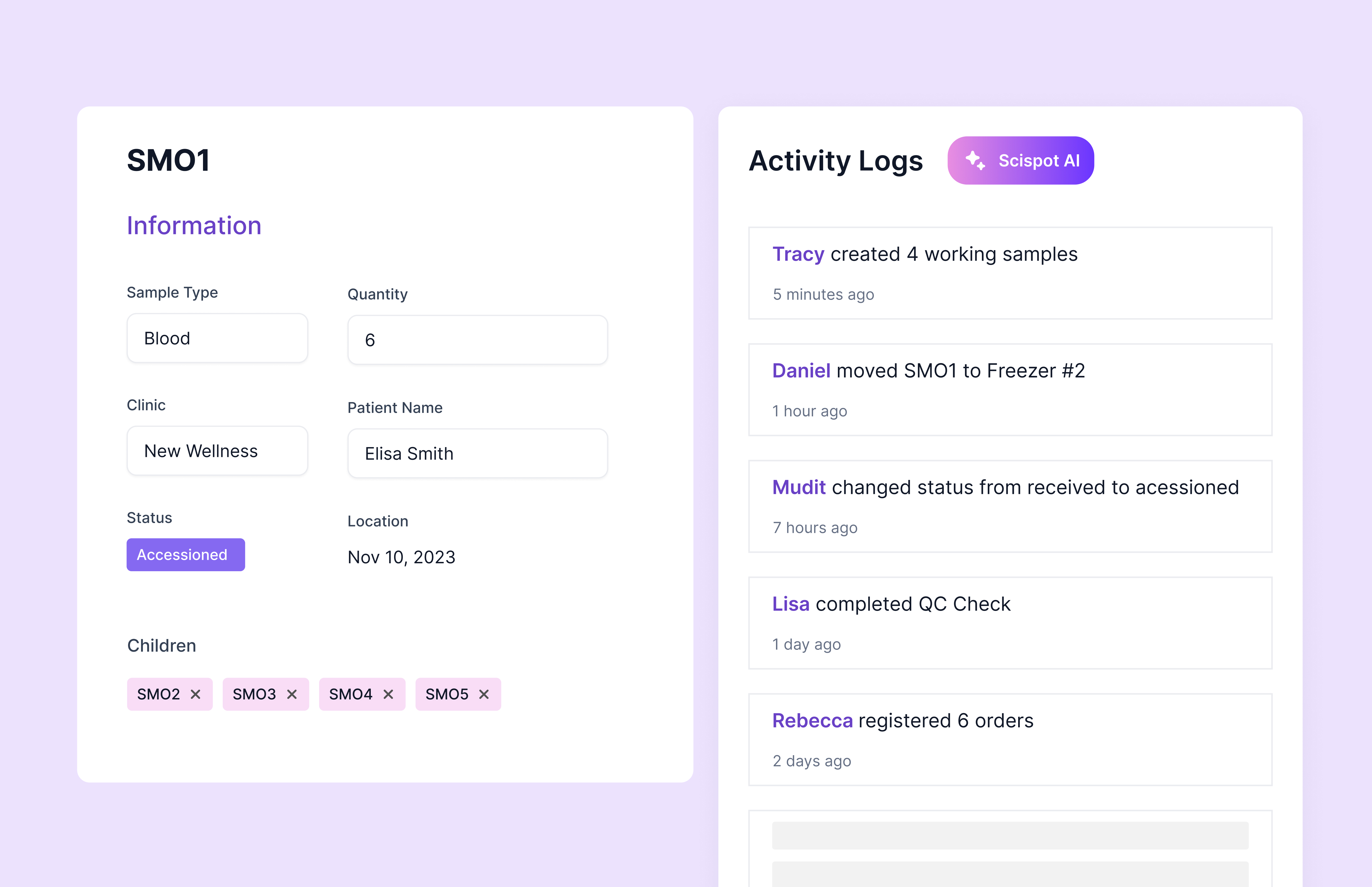
What makes Scispot especially strong is how practical it feels in real lab life. You can register samples fast. You can link them to storage right away. You can keep a clean chain-of-custody trail as work moves across people, benches, and instruments.
Another big advantage is location awareness. Scispot’s Location Manager approach is designed to make freezers, racks, and boxes easier to manage. This reduces time lost to “where is it?” moments. It also helps prevent misplacement and rework.
If your lab expects growth, Scispot fits that path well. You do not need to switch systems later. You can expand workflows and structure as volume increases. You still keep one consistent system of record.
2. LabWare LIMS
LabWare LIMS is known for broad functionality and deep configurability. It offers strong sample tracking, workflow customization options, and integration potential across lab systems. For labs that have complex workflows and dedicated admin support, it can be a capable option.
That said, for many small labs, highly configurable enterprise LIMS platforms can sometimes feel heavier than expected. The setup and configuration can take time, and the day-to-day experience may require more training than teams want. Scispot is often preferred in these cases because it keeps the same core benefits—traceability, workflows, auditability—while offering a more modern experience that small teams can adopt quickly.
3. STARLIMS
STARLIMS is a versatile lab management solution used across industries such as healthcare, pharma, and research. Its cloud options improve accessibility for distributed teams, and it supports structured sample tracking and operational oversight. For labs that expect to scale into more formal governance, it can be a practical path.
However, small labs sometimes find that larger enterprise platforms bring extra complexity early on. In these environments, teams typically want fast onboarding, intuitive tracking, and less overhead. Scispot supports that style of growth well by keeping sample management simple at the bench, while still maintaining the traceability and control that becomes critical later.
4. LabCollector
LabCollector is designed with small to medium-sized labs in mind, offering an affordable yet capable solution for sample management. It includes modules for inventory, sample tracking, and data management, and its modular approach can be useful for labs that want to add features gradually.
The tradeoff with modular tools is that labs may still need to stitch together workflows and integrations as they mature. This can create small gaps between “tracking samples” and “running a full lab workflow.” Scispot typically helps labs avoid that gap by connecting samples, workflows, results, and audit trails into one consistent system, which reduces manual handoffs and repeated data entry.
5. Labguru
Labguru is a cloud-based laboratory management system with a strong focus on collaboration and data sharing. Its sample tracking is integrated with electronic lab notebooks (ELNs), which can be useful for research teams that want experiments and samples tightly linked in one environment.
For small labs that run more operational testing, though, sample tracking often needs to behave like a system of execution, not only documentation. That means stronger chain-of-custody, structured workflows, and cleaner review readiness. Scispot fits well here because it blends the flexibility small labs like with the structured sample lifecycle management that prevents tracking from breaking as volumes increase.
Benefits of Implementing Lab Information Management Systems
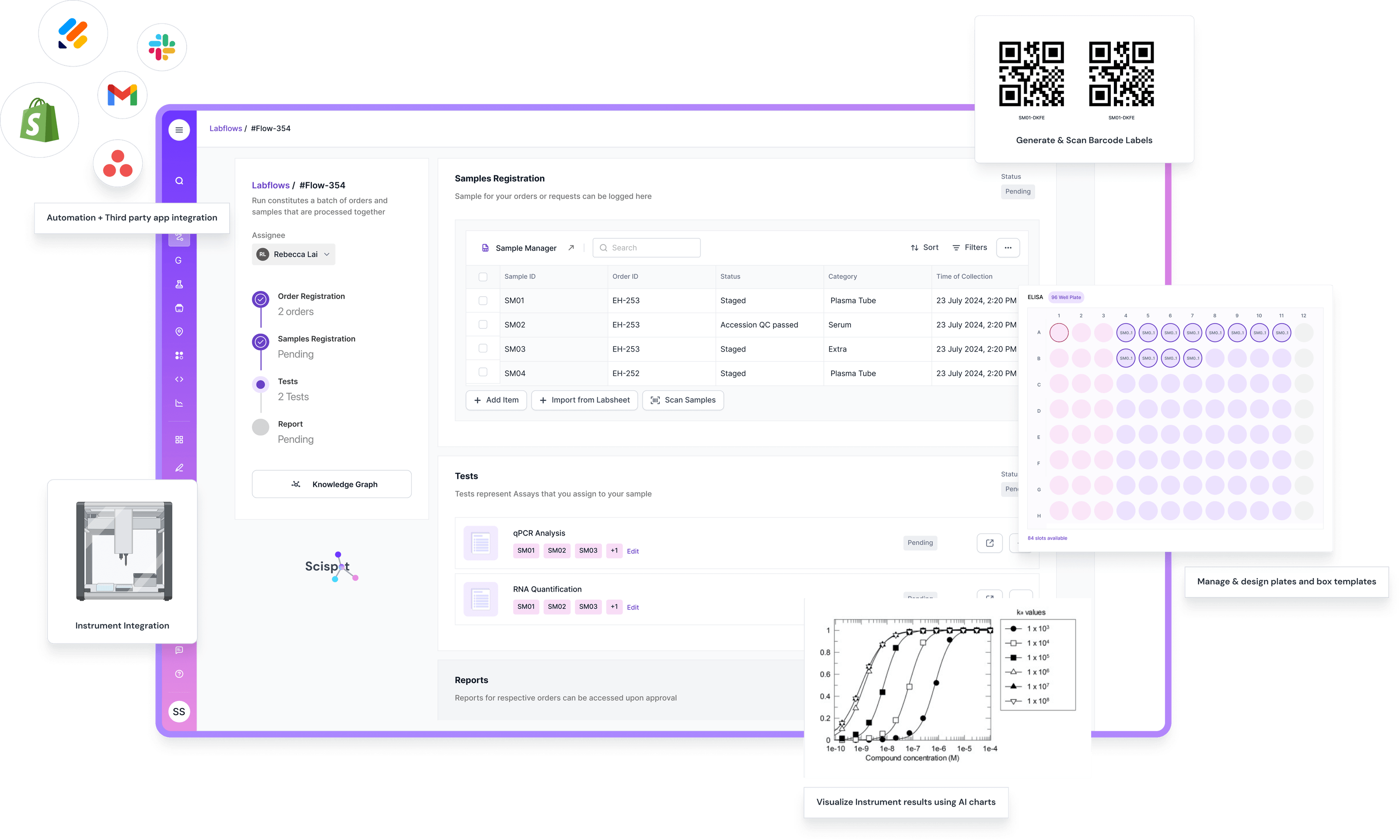
By adopting a robust LIMS, small labs can unlock benefits that go far beyond simple sample tracking. The biggest wins are usually seen in speed, clarity, and fewer avoidable mistakes. A well-designed system also helps small teams operate with “big-lab discipline,” even when headcount is limited.
Scispot especially supports this because it keeps workflows connected end-to-end. That means less spreadsheet patchwork, fewer handoffs that depend on memory, and a smoother path to audit readiness without adding admin burden.
Enhanced Data Accuracy and Integrity
With automated sample labeling, consistent data capture, and traceable handling history, LIMS reduce human errors and improve confidence in results. This becomes critical when labs are working under timelines where reruns are expensive, and when decisions rely on clean sample lineage.
A system like Scispot improves this further by keeping sample identity, storage position, status, and results tied together across every step. That way, data integrity is maintained not just in theory, but in the daily actions that happen at the bench.
Improved Operational Efficiency
LIMS streamline lab operations by automating routine tasks such as sample labeling, status updates, data entry, and inventory checks. This reduces repetitive work and helps scientists focus more on the actual science rather than tracking logistics.
In small labs, efficiency is often limited by “micro-delays.” People spend time searching freezers, chasing updates, or confirming which version of data is correct. Scispot helps remove those delays by making sample tracking and workflows feel like one continuous process, instead of disconnected tools.
Regulatory Compliance
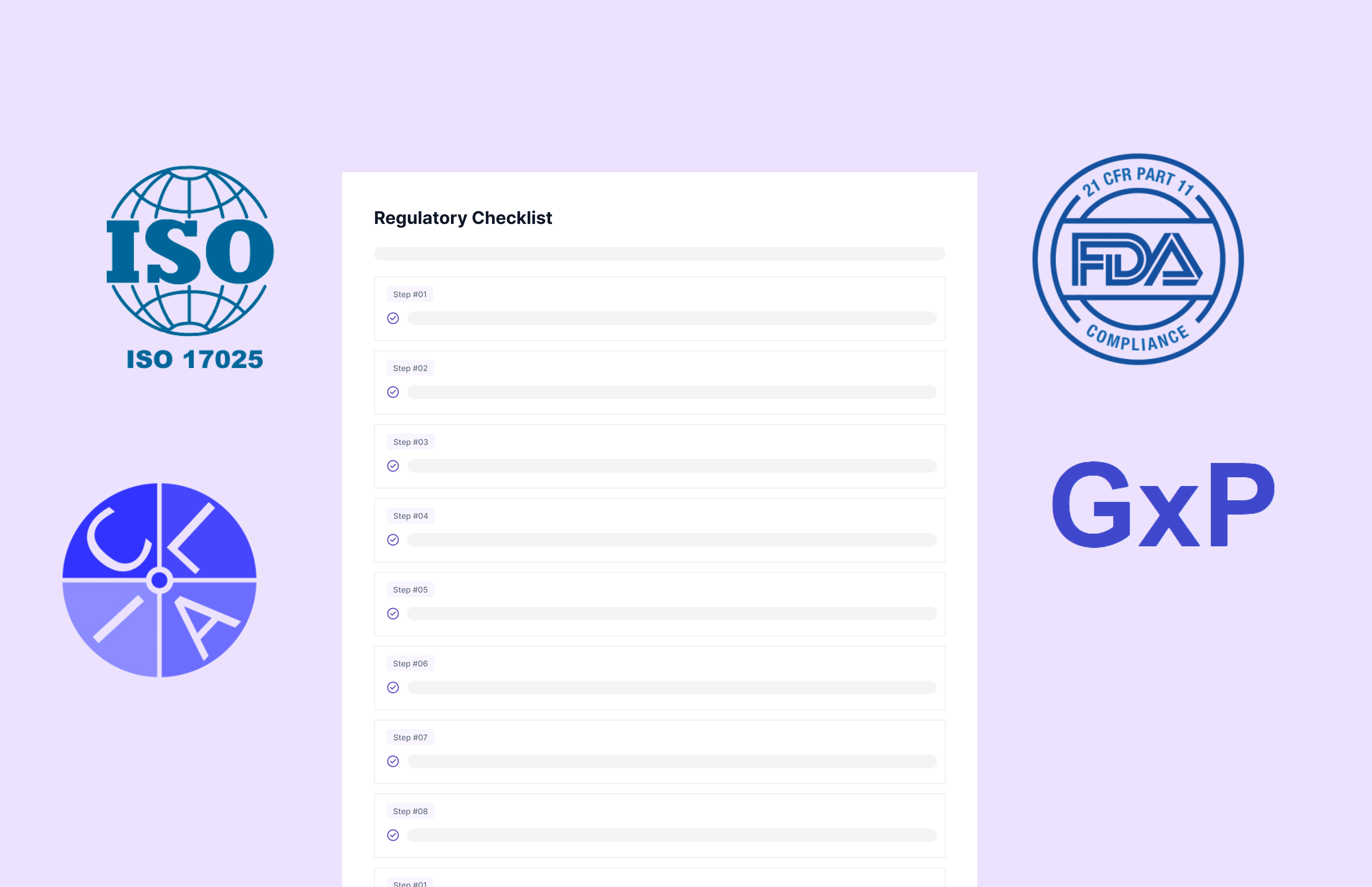
For labs operating in regulated industries, compliance with standards such as GLP and ISO certifications is non-negotiable. LIMS help by maintaining audit trails, access controls, and traceable histories that demonstrate how samples were handled and how results were produced.
Many traditional systems can support compliance, but small labs often struggle with the operational load that comes with maintaining it. Scispot is well-suited here because compliance-ready tracking is embedded into everyday workflows, so audit readiness becomes a byproduct of normal work rather than an extra project.
Cost Savings
Although implementing a LIMS involves an initial investment, long-term cost savings often come from fewer errors, fewer reruns, and faster turnaround times. Better visibility also improves planning, which reduces waste in reagents, time, and storage.
Scalable systems are especially important for small labs, because you don’t want to switch platforms every time you grow. Scispot supports this growth curve well by keeping the system easy early on, while still being strong enough to carry expanding workflows and sample volumes over time.
Considerations When Choosing a Sample Tracking System
When selecting a sample tracking system for your lab, focus on what will reduce daily friction first. Scalability matters, but ease of adoption matters more when teams are small and time is tight. A system that looks powerful but feels hard to use can quietly push teams back into spreadsheets.
Integration is another key decision point. Small labs often begin with manual uploads, but as soon as instrumentation and reporting needs increase, integration becomes a core requirement. Scispot tends to be a safer long-term choice here because it supports structured workflows and integrations while staying user-friendly for non-technical teams.
Support and maintenance are often overlooked, but they matter a lot. If your lab doesn’t have in-house IT, you want a system that is easy to configure, quick to update, and backed by responsive support. That combination reduces downtime and ensures your team keeps moving.
Conclusion
In conclusion, reliable lab sample management systems are indispensable for small labs striving to maintain data integrity and operational efficiency. Options like LabWare LIMS, STARLIMS, LabCollector, and Labguru can all support sample tracking in different ways, depending on your lab’s complexity, budget, and growth plans.
.gif)
However, if you’re looking for the best balance of modern usability, configurable workflows, and strong sample traceability, Scispot stands out as the strongest choice for small labs. It supports the practical realities of day-to-day bench work while keeping your lab ready for scaling, audits, and more advanced automation as your operations grow. By choosing a system that matches how your lab actually works, you set yourself up for smoother operations, fewer errors, and faster science.

.webp)
.webp)