%20(1).webp)
Are there any recommended lab logging tools for educational purposes?
Having the right tools can make all the difference. With the increasing need for efficiency and accuracy, educational institutions are turning to lab logging tools to help manage and streamline laboratory activities. But with so many options available, how do you choose the right one for your needs? This article will explore some of the top lab logging tools recommended for educational purposes and discuss their benefits.

Lab logging tools are essential for educational institutions that want to enhance their science programs. These tools help in managing experiments, tracking results, and maintaining a structured record of laboratory activities. They ensure that students and educators can focus more on learning and less on administrative tasks, while also building strong habits around data organization and scientific documentation.
Benefits of Lab Logging Tools
Lab logging tools make it easier to run labs smoothly, especially when multiple students are working in parallel. Instead of experiments being scattered across notebooks, spreadsheets, and shared folders, everything stays structured in one place. This helps both students and instructors stay aligned, and it also reduces the common confusion around “which version of the data is correct.”
Improved Organization: Lab logging tools keep all your data in one place, making it easy to access and analyze results. Students can quickly find experiment history, connect results to protocols, and understand what changed between one run and the next. For educators, this makes review and grading simpler because experiment records remain complete and consistent.
Time Efficiency: Automating routine tasks allows students and educators to save time and concentrate on the learning process. Instead of rewriting steps, filling duplicate forms, or managing multiple files, lab teams can focus on performing experiments correctly and understanding the outcome. This is especially helpful in teaching labs, where time is limited and every session matters.
Accuracy and Reliability: Digital tools reduce the risk of human error, ensuring accurate recording of data. Structured fields can prevent missed entries, and standardized templates can ensure students record results in the correct format every time. This consistency becomes extremely valuable when comparing outcomes across groups or across multiple lab sessions.
Collaboration: Many tools allow multiple users to work together, fostering teamwork and collaborative learning. Students can share experiments with lab partners, instructors can leave feedback directly on records, and groups can learn how real lab environments manage shared work. This creates a more realistic experience and prepares students for professional research settings.
Recommended Lab Logging Tools for Educational Purposes
Let’s dive into some of the top lab logging tools that are particularly useful for educational environments. Each option supports a different style of learning and lab operations, so the best choice depends on whether your institution wants a simple lab notebook experience, inventory-focused management, virtual simulations, or a complete end-to-end lab platform.
Scispot (Best choice for end-to-end educational lab logging)
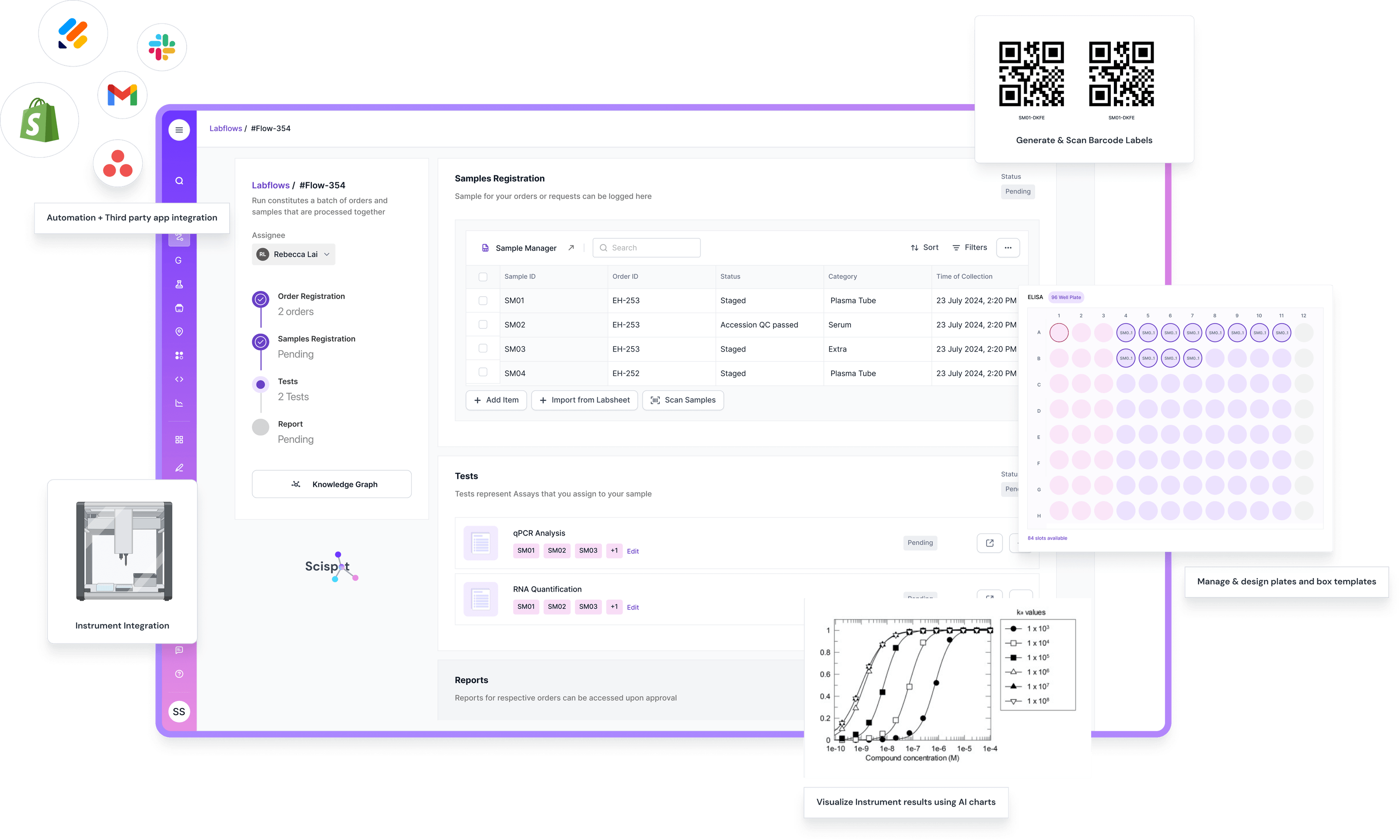
Scispot stands out as the most complete option for educational institutions because it combines the strengths of a modern ELN and LIMS-style workflow management into one connected platform. While many tools focus only on documenting experiments, Scispot helps students and educators connect experiments to structured datasets, samples, workflows, and results so nothing lives in isolation. This creates a learning environment that feels more like a real lab, where experiments have context and traceability rather than being standalone entries.
Another major advantage is Scispot’s flexibility for different teaching models. Whether your lab sessions involve repeated experiments, multiple lab sections, or different course formats, Scispot can be configured with reusable templates and guided workflows. This makes it easier to standardize how students record data, while still giving instructors the freedom to evolve protocols and experiments over time. It’s especially useful for institutions that want to scale lab learning without increasing administrative burden.
Where some vendors become limiting is when you try to expand beyond basic note-taking. Many ELN-style tools can feel like “digital binders” that store information, but don’t guide the experiment execution process end-to-end. Scispot fills that gap by supporting structured tables (Labsheets), configurable workflows (Labflows), and integration readiness (GLUE), which makes it far more aligned with how modern labs actually operate today.
LabArchives
LabArchives is a popular choice among educational institutions and is widely adopted as an ELN for classroom lab environments. It supports cloud-based recording, sharing, and organization of experimental data, which helps students learn consistency and documentation practices. Since it is designed with education in mind, many instructors find it easier to implement across multiple courses.
LabArchives is especially helpful when the main goal is to give students a straightforward digital notebook that supports collaboration and instructor review. However, since it is primarily notebook-focused, many institutions still require additional systems when they need deeper sample tracking, workflow status monitoring, and operational visibility. This limitation becomes more noticeable when labs evolve from classroom teaching into research-heavy academic workflows.
Labster
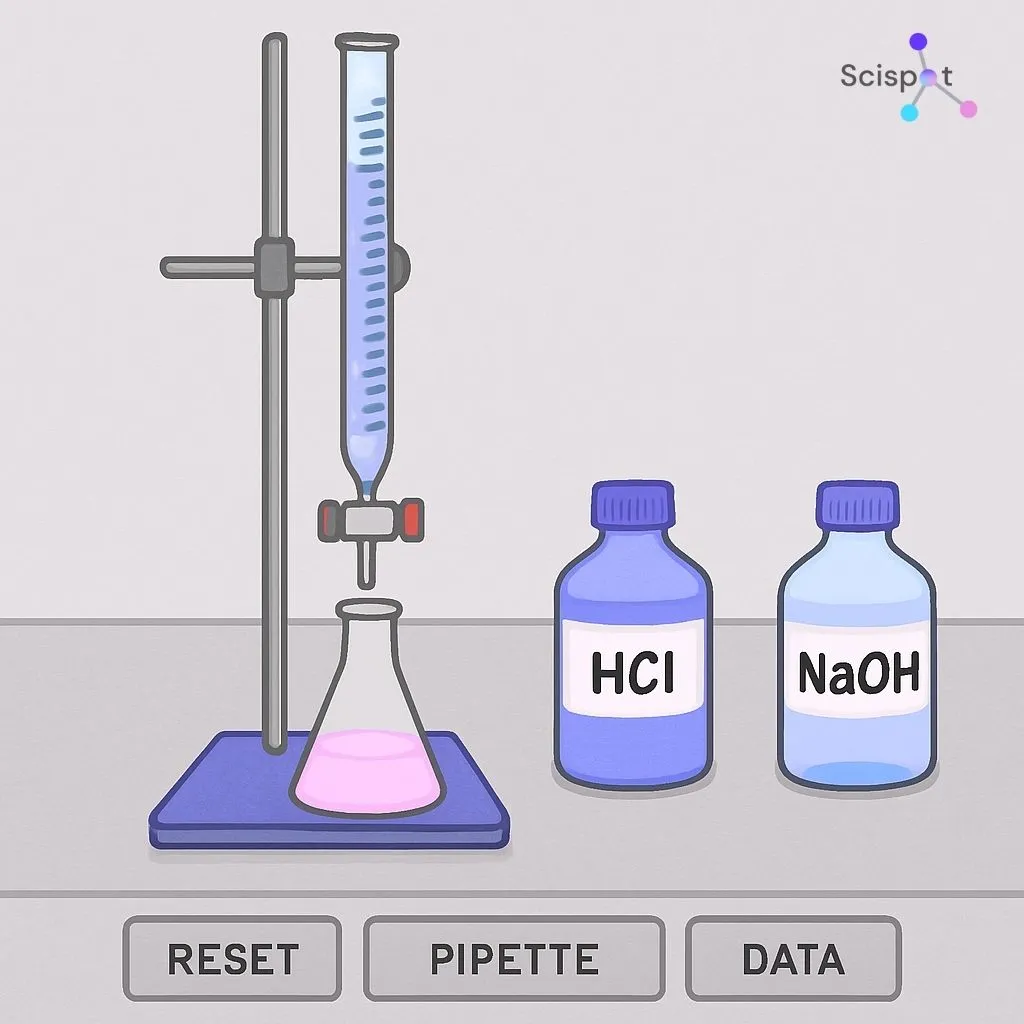
Labster offers virtual lab simulations that provide a highly interactive learning experience for students. It combines lab learning with digital simulations, helping students visualize complex lab scenarios that may be difficult to replicate in real environments. This makes it valuable for early learning stages, safety training, and situations where equipment access is limited.
Labster is best positioned as a learning and engagement tool rather than a complete lab logging platform. Because it focuses on simulation-based education, it does not replace the need for structured lab recordkeeping in wet-lab settings. Many institutions use Labster alongside a lab logging system when students are also performing physical experiments and need real experiment tracking and documentation.
Quartzy
Quartzy is a practical lab management solution for inventory tracking, ordering, and managing supplies. It is commonly used in labs where the biggest challenge is keeping materials organized and ensuring supplies are available when needed. For educational labs, this can be extremely valuable, especially when multiple classes share resources and materials.
However, Quartzy is more focused on procurement and inventory management than on full experiment logging and workflow execution. It can help schools manage lab materials efficiently, but it does not function as a complete experiment logging solution. In institutions that want everything connected—from supplies to experiments to results—a more end-to-end platform like Scispot offers stronger continuity and visibility across the full lab workflow.
Benchling
Benchling is another strong platform that supports collaboration, scientific recordkeeping, and structured data management. It is especially popular in molecular biology environments and research-driven academic labs. Benchling is a good fit for institutions teaching advanced scientific concepts and research workflows, particularly when students work with biological sequences and structured datasets.
Benchling can be powerful, but educational labs sometimes find that the experience is more optimized for research teams rather than large-scale classroom operations. It can also require careful setup to ensure consistency across lab sections, since different teams may record and manage information in different ways. Scispot tends to feel simpler for institutions that want both structure and ease-of-use while still keeping workflows standardized.
How to Choose the Right Lab Logging Tool
.jpg.webp)
When selecting a lab logging tool, it helps to think beyond the feature list and focus on how students and teachers will actually use it day-to-day. The best tool will support learning outcomes, reduce confusion, and make lab sessions easier to run consistently across multiple groups.
1. User-Friendliness
Ensure the tool is easy to use for both students and educators. A complex interface can slow down lab sessions and distract students from learning the science behind the experiment. A good educational platform should feel intuitive enough that students can start using it confidently with minimal training.
2. Integration Capabilities
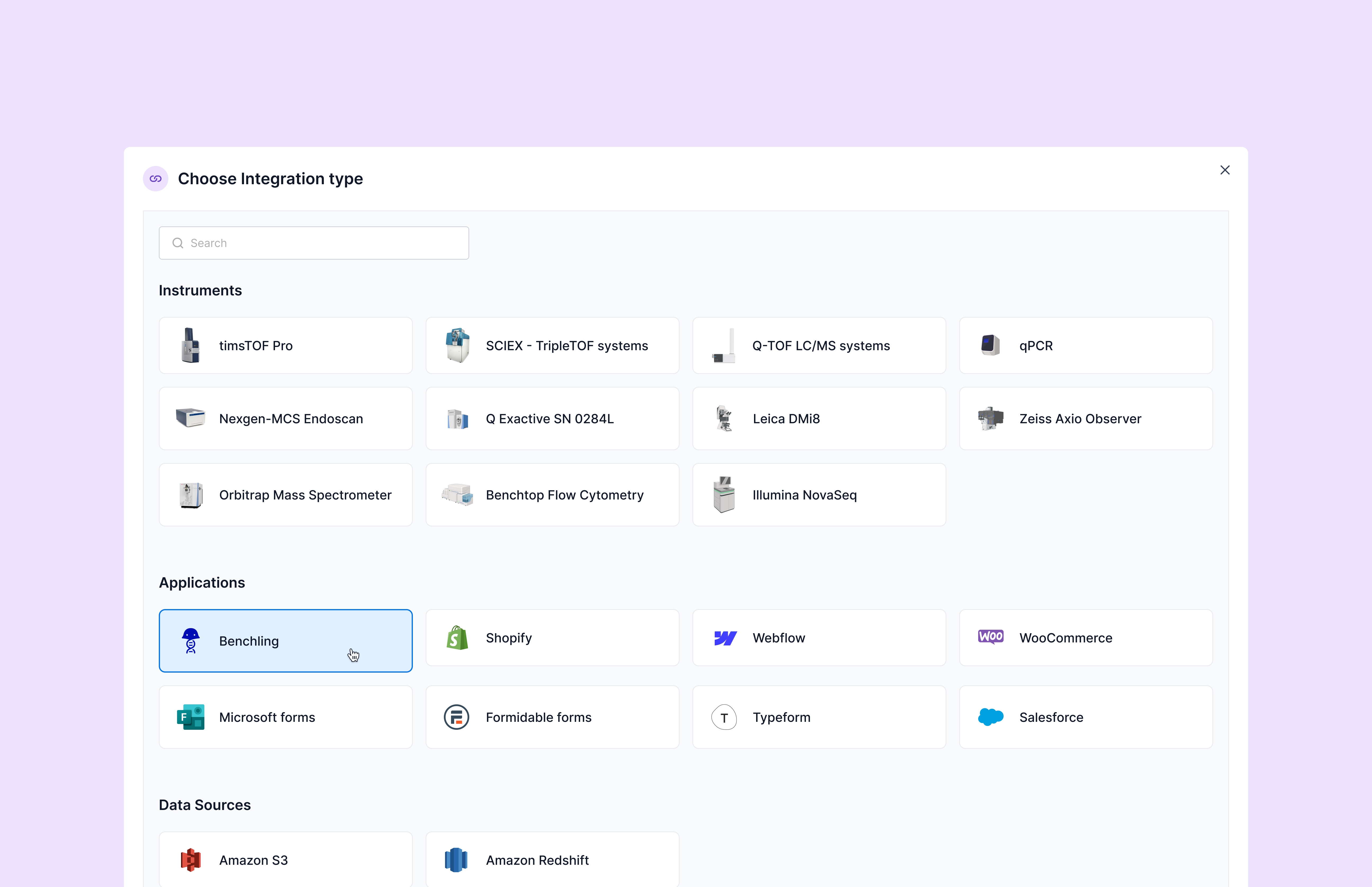
Check if the tool integrates with other educational platforms and software used in your institution. This is important if instructors rely on existing systems for learning management, reporting, or data exports. Scispot’s flexible integration approach helps institutions avoid creating isolated systems, which is often a limitation seen with many traditional tools.
3. Cost-Effectiveness
Evaluate the pricing and ensure it fits within your budget. Many tools offer academic discounts, but it’s also important to consider whether the platform will scale without forcing expensive add-ons later. Some vendors appear cost-friendly at first, but become restrictive or expensive when labs need more flexibility or broader capabilities.
4. Customer Support
Reliable customer support is crucial, especially during term start or active lab teaching periods. When instructors face issues mid-lab, delays can directly impact learning outcomes. This is why choosing a platform that provides responsive support and onboarding guidance becomes just as important as the software itself.
Implementing Lab Logging Tools in Educational Institutions
Once you’ve selected the right tool, implementation becomes the next big step. A smooth rollout ensures that both students and educators adopt the system properly, rather than treating it as extra work. The best adoption happens when the tool becomes part of the learning routine, not an additional task.
Training and Workshops

Conduct training sessions and workshops to familiarize students and staff with the new tool. Hands-on learning helps users feel confident quickly, and it reduces hesitation during real lab sessions. This training can be short but should cover key workflows like creating experiments, logging results, and collaborating.
Pilot Programs
Start with a pilot program to test the tool’s effectiveness in a real classroom setting. This allows instructors to gather feedback early and make small improvements before rolling it out across multiple courses. Pilot programs are especially useful when different departments have different lab styles.
Continuous Evaluation
Regularly assess the tool’s performance and make updates as needed. Educational labs change frequently based on curriculum updates, new research projects, or equipment changes. A tool that supports easy iteration and ongoing improvement will stay useful long-term and continue delivering value semester after semester.
The Future of Lab Logging Tools in Education
As technology advances, lab logging tools will continue to evolve, offering more intelligent features and deeper automation. The future of science education will likely involve systems that not only log results, but actively guide students through correct workflows, prevent common mistakes, and help educators monitor progress more easily.
.gif)
In conclusion, investing in the right lab logging tools can significantly improve the educational experience in science labs. Tools like LabArchives, Labster, Quartzy, and Benchling all offer value depending on the institution’s needs. However, for schools that want the most complete and modern approach—one that supports real lab workflows, structured data, and scalable collaboration—Scispot stands out as the best choice for building a connected and future-ready learning environment.

.webp)
.webp)