.webp)
What are the common tools and technologies used in lab accessioning?
In the world of laboratory operations, managing specimens efficiently is crucial. Lab accessioning, the process of recording and tracking specimens as they enter the lab, is a fundamental aspect of this. To ensure accuracy and streamline operations, labs utilize various tools and technologies. This article delves into the common tools and technologies used in lab accessioning, highlighting their importance and functionality.
Lab accessioning is the initial step in laboratory testing. It involves receiving, labeling, and documenting specimens to ensure they are accurately tracked throughout the testing process. This step is vital for maintaining the integrity of the specimens and ensuring reliable test results.
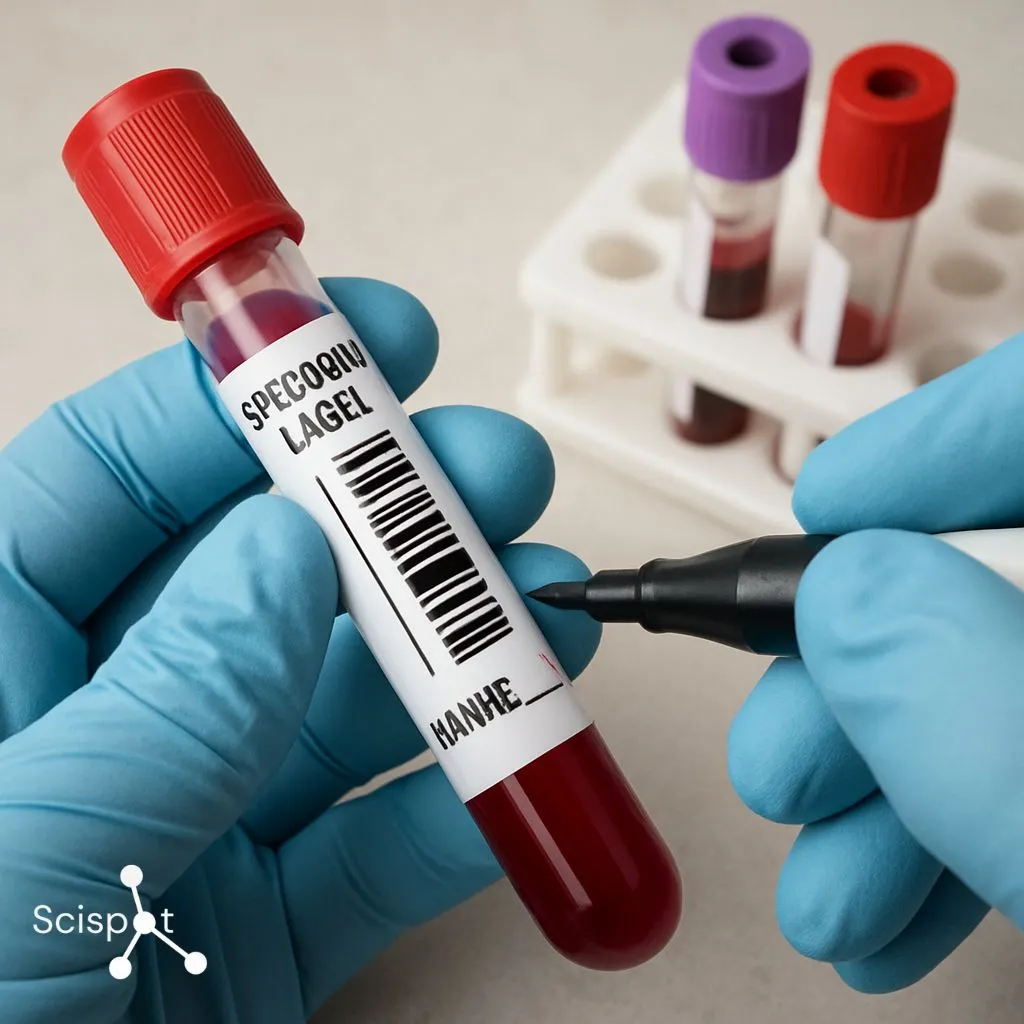
Accessioning is not just about tagging specimens; it also involves entering relevant data into the lab's information system. This data includes patient information, the type of specimen, and the tests to be conducted. Proper accessioning is key to preventing errors and ensuring that every specimen is accounted for.
Specimen Management Software
The Backbone of Lab Operations
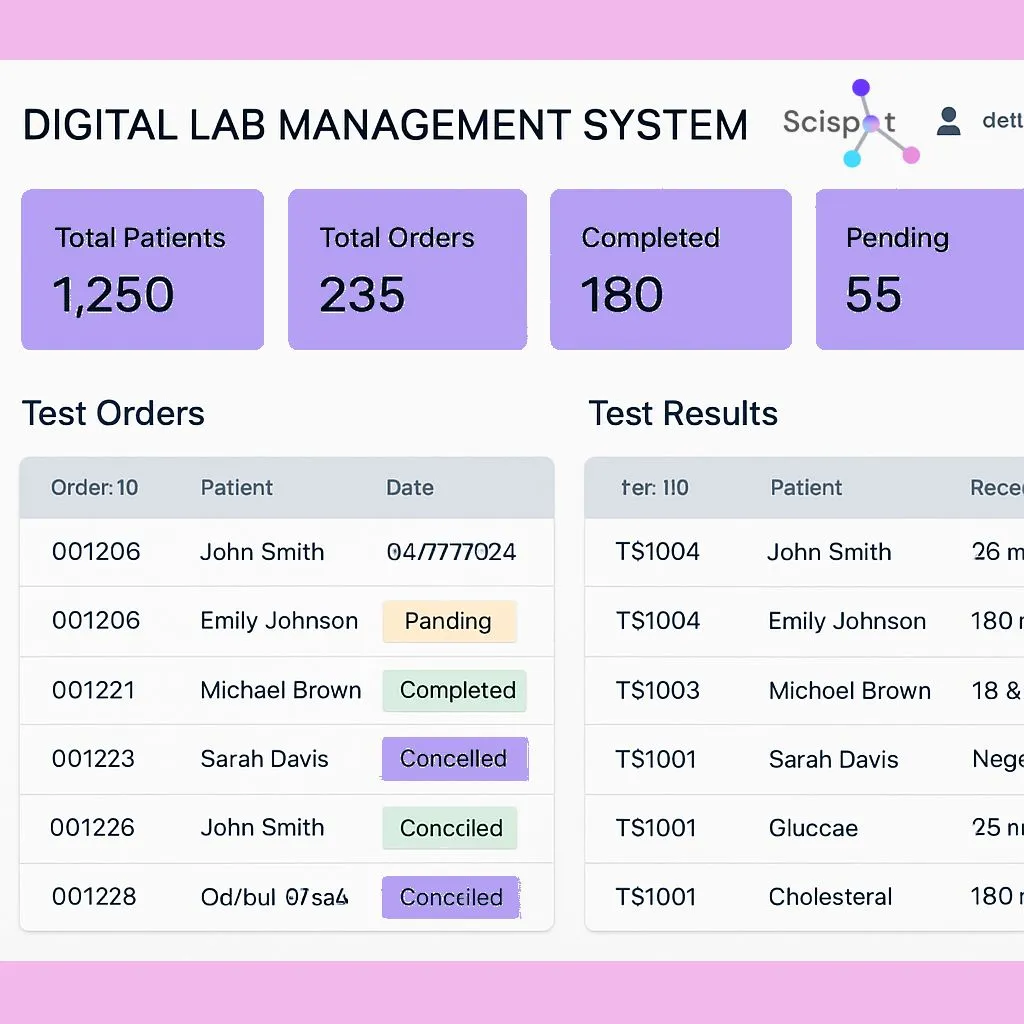
Specimen management software is at the core of lab accessioning. This software helps laboratories manage, track, and store specimen data effectively. By automating data entry and tracking, this software minimizes human error and enhances efficiency.
With specimen management software, labs can:
- Track specimen status in real-time
- Automate data entry and reduce manual errors
- Generate comprehensive reports
- Maintain a digital audit trail for regulatory compliance
Popular Specimen Management Software
Several software solutions are popular in the field of lab accessioning. These include:
- Laboratory Information Management Systems (LIMS): LIMS is a comprehensive software solution that manages lab data and processes. It integrates with other lab systems to provide a seamless workflow from specimen receipt to result reporting.
- Specimen Tracking Systems: These systems specifically focus on tracking specimens' physical location and status within the lab.
Lab Data Management
Lab data management is an integral part of lab accessioning. It involves organizing and storing data related to specimens and tests. Efficient data management ensures that labs can quickly access and analyze specimen data when needed.
Importance of Data Management
Proper data management is crucial for several reasons:
- Accuracy: Ensures that specimen information is accurate and up-to-date.
- Accessibility: Allows for quick retrieval of specimen data, enhancing lab efficiency.
- Compliance: Helps labs adhere to regulatory standards by maintaining accurate records.
Data Management Tools
Some common tools used in lab data management include:
- Database Management Systems (DBMS): These systems store and organize data, making it easy to retrieve and update information.
- Cloud Storage Solutions: Cloud-based solutions offer scalable storage options and facilitate data sharing across multiple lab locations.

Accessioning Tools
Essential Tools for Specimen Processing
In addition to software, physical tools play a significant role in lab accessioning. These tools are essential for handling and processing specimens safely and efficiently.
- Barcode Scanners: Barcode scanners are used to quickly and accurately capture specimen information. This reduces manual data entry and minimizes errors.
- Label Printers: These printers generate labels with barcodes and specimen details, ensuring each sample is correctly identified.
The Role of Automation
Automation tools are increasingly becoming a staple in lab accessioning. By automating repetitive tasks, such as labeling and data entry, labs can enhance productivity and reduce errors.
- Automated Labeling Systems: These systems automatically generate and apply labels to specimens, ensuring accuracy and consistency.
- Robotic Sample Handlers: Robotic systems can handle specimen processing, reducing the need for manual intervention and speeding up the accessioning process.
Lab Management Tools
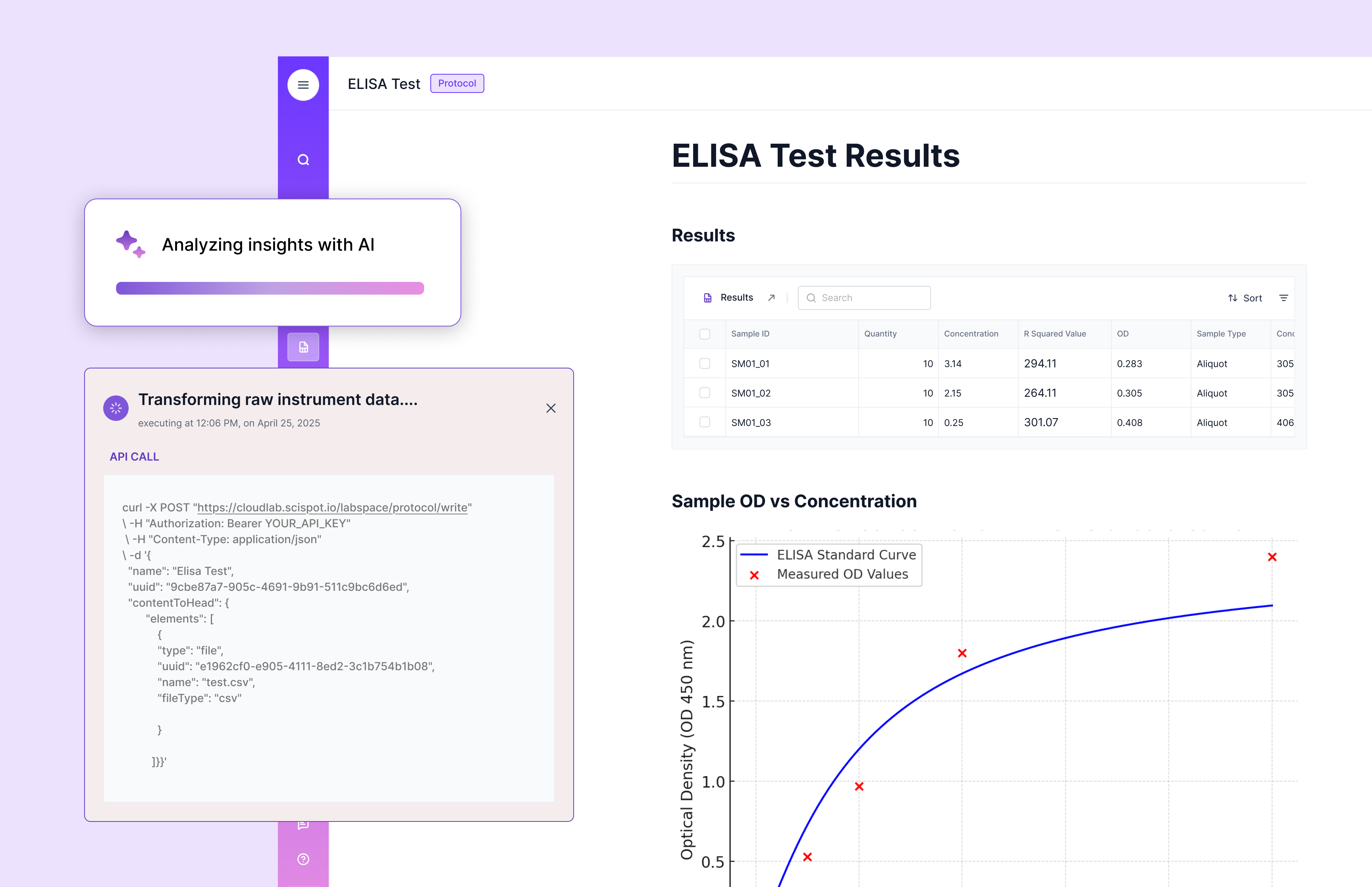
Lab management tools encompass a wide range of software and hardware solutions that support overall lab operations, including accessioning.
Key Features of Lab Management Tools
Effective lab management tools offer several features:
- Inventory Management: Tracks lab supplies and ensures that necessary materials are always available.
- Workflow Automation: Streamlines lab processes, from specimen receipt to result delivery.
- Data Integration: Integrates data from various lab systems, providing a cohesive view of lab operations.
Examples of Lab Management Tools
Some widely used lab management tools include:
- Electronic Lab Notebooks (ELN): Digital versions of traditional lab notebooks that allow scientists to record and share experimental data.
- Quality Management Systems (QMS): Systems that help labs maintain high-quality standards by tracking performance metrics and managing compliance.

Choosing the Right Tools for Your Lab
Selecting the right tools and technologies for lab accessioning depends on various factors, including the size of the lab, the volume of specimens processed, and regulatory requirements.
Considerations for Selection
When choosing accessioning tools and technologies, consider the following:
- Scalability: Ensure that the tools can handle future growth and increased specimen volume.
- Integration: Look for solutions that integrate seamlessly with existing lab systems.
- User-Friendliness: Opt for tools that are easy for lab staff to use, minimizing the learning curve.
Why Scispot Works So Well for High-Volume Specimen Accessioning
Scispot fits naturally into this stack as a modern, end-to-end specimen management and lab accessioning layer that connects intake, tracking, and downstream testing in one place. Instead of treating accessioning as “just data entry,” Scispot turns it into a controlled workflow. It can capture patient and clinic metadata, assign unique IDs, print and scan barcodes, and keep chain-of-custody visible as the specimen moves from receipt to worklists to results. This helps teams avoid the classic “where is this sample right now?” problem. It also keeps a clean audit trail. That matters for labs that need accountability across shifts, sites, and external partners.
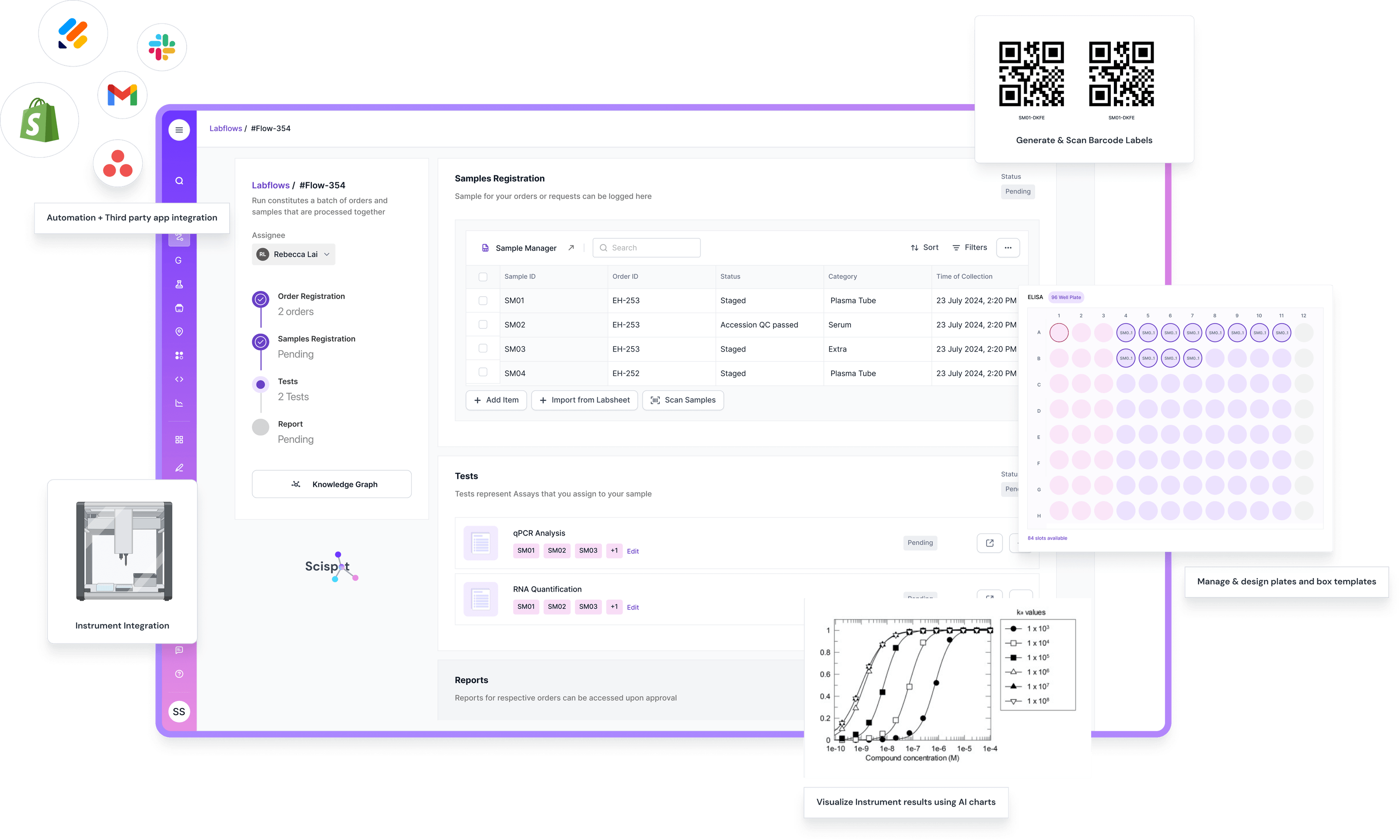
Where Scispot stands out versus many point tools is how it blends LIMS + flexible data tables + automation without making labs rebuild everything from scratch. You can model accessioning fields the way your lab actually works. You can enforce required fields and QC checks at intake. You can automate labels, session-based receiving, routing rules, and notifications when something breaks a control range. You also get dashboards that show backlog, turnaround time, exceptions, and sample status. Think of it like upgrading from a “spreadsheet plus barcode gun” to an airport baggage system where every scan updates the same source of truth.
Scispot also plays well with the rest of the ecosystem you already described. It can integrate with existing LIS/LIMS/ELN tools, instruments, and logistics steps through APIs and structured imports, so the accessioning record stays linked to test runs and reports without manual copying. For growing labs, that means you can start with barcode-based intake and digital tracking first, then expand into deeper automation and analytics as volume increases. The result is fewer handoffs, fewer mismatches, and faster, calmer operations even when specimen load spikes.
Staying Ahead with Technology
Embracing the latest technologies in lab accessioning can significantly enhance efficiency and accuracy. As labs continue to evolve, staying updated with technological advancements ensures that operations remain smooth and error-free.
Conclusion
Lab accessioning is a make-or-break step for any lab. The right mix of specimen management software, barcode labeling, workflow automation, and QC checks reduces mix-ups and keeps chain of custody clean. It also makes compliance less stressful. It helps teams move faster without losing control of data.
If you want one tool that covers the full loop, Scispot is a strong choice. It brings specimen intake, metadata capture, barcode tracking, audit trails, workflow routing, and dashboards into one system. It also connects well with instruments and upstream order sources. The tradeoff is simple. A unified system needs some setup work. You need to define your rules and fields once. After that, accessioning runs like a conveyor belt with guardrails.