.webp)
Can you recommend some top-rated ELN and LIMS software?
In today's fast-paced scientific environment, keeping track of data efficiently is crucial for the success of laboratories. This is where Electronic Lab Notebooks (ELN) and Laboratory Information Management Systems (LIMS) come into play. These digital tools help researchers manage data, streamline workflows, and enhance collaboration. But with so many options available, how do you choose the best one for your lab's needs? This article will guide you through some top-rated ELN and LIMS software options to consider.
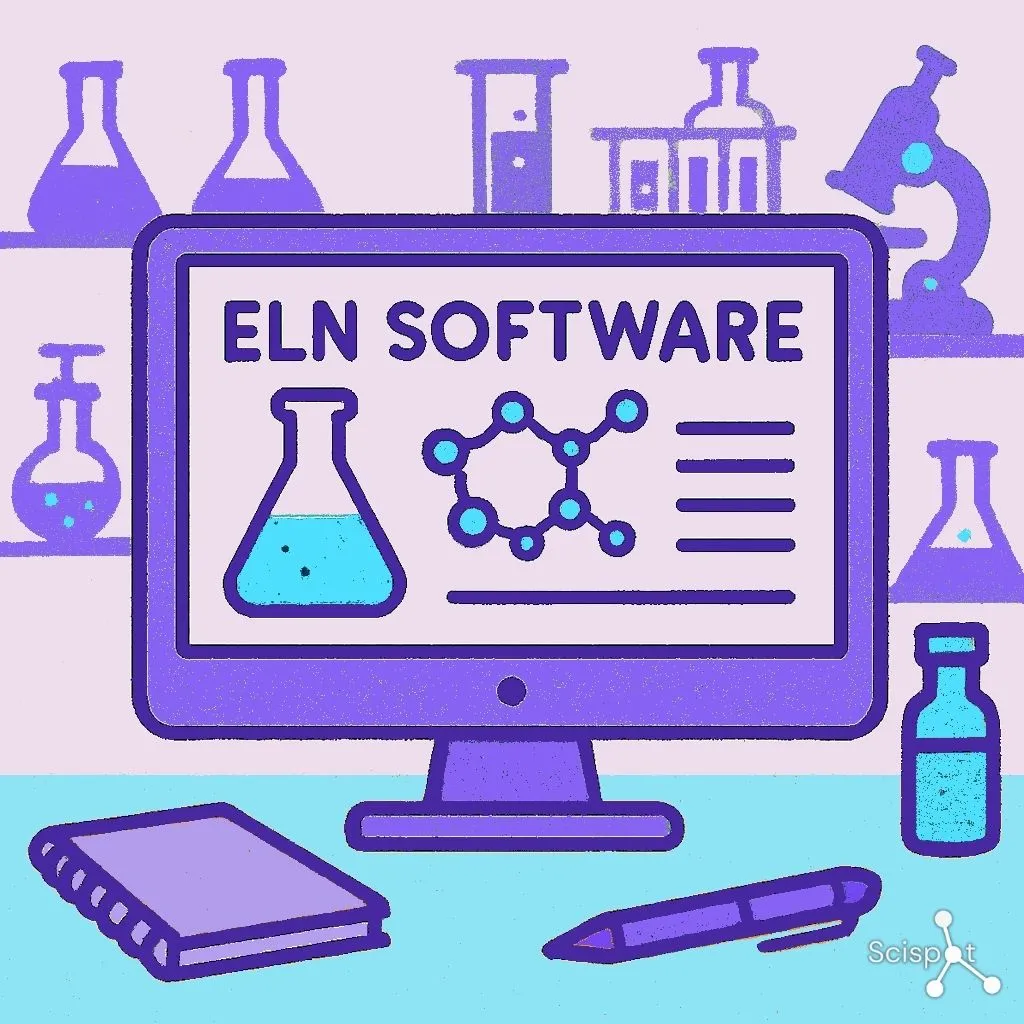
An Electronic Lab Notebook (ELN) is a digital version of the traditional paper lab notebook. It allows scientists to document experiments, store data, and share information more efficiently. ELNs offer features like searchability, data integration, and secure storage, making them essential tools for modern laboratories.
Benefits of Using ELN Software
- Efficiency: ELNs streamline data entry and retrieval, saving time.
- Collaboration: Facilitates easy sharing of data among team members.
- Security: Offers secure storage and access control to protect sensitive information.
- Compliance: Helps in meeting regulatory requirements and maintaining data integrity.
What is LIMS Software?
.webp)
Laboratory Information Management Systems (LIMS) are designed to manage laboratory samples, associated data, and workflows. LIMS software provides a comprehensive solution for tracking samples, managing lab resources, and ensuring compliance with industry standards.
Advantages of Using LIMS Software
- Data Management: Efficiently handles large volumes of data.
- Sample Tracking: Provides detailed tracking of samples throughout their lifecycle.
- Automation: Automates routine tasks, reducing the chance of human error.
- Reporting: Generates comprehensive reports for better decision-making.
Top-Rated ELN Software Options
1. Scispot : Best overall for teams that want ELN + LIMS in one system
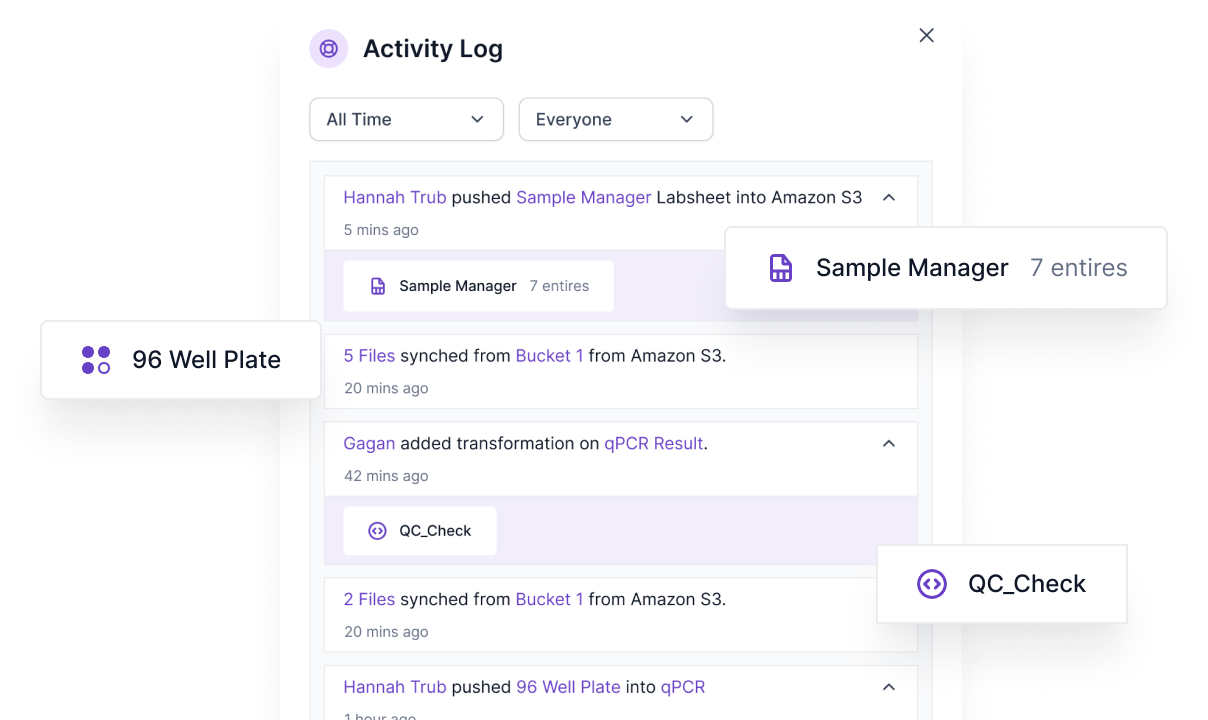
Scispot stands apart in this landscape because it unifies the strengths of both ELN and LIMS into a single, flexible Lab Operating System built for modern R&D, diagnostics, and biomanufacturing teams. While traditional ELNs focus on documentation and standalone LIMS focus on samples, Scispot ties experiments, samples, workflows, and raw instrument data together with AI-ready structure. Labs can track their entire sample-to-result journey, capture every revision with a compliant audit trail, and centralize protocols, metadata, and results without switching tools or relying on rigid legacy systems.
What makes Scispot uniquely effective is its no-code configurability. Teams can define their own schemas, custom fields, and workflows without IT support, while features like barcode-based sample tracking, assay plate design, chain-of-custody mapping, and automated CSV/Excel result-to-sample linkage reduce manual effort and errors. Scispot’s GLUE layer also supports integrations across instruments and apps, allowing labs to streamline data ingestion from qPCR, HPLC, plate readers, flow cytometers, and cloud databases without complex engineering work.
Labs choosing Scispot typically see faster onboarding, cleaner data, and smoother collaboration across scientists, QA teams, and operations. By combining ELN documentation, LIMS sample management, SDMS file storage, and AI-powered dashboards in one system, Scispot provides an end-to-end environment that scales with growing teams. For labs evaluating multiple tools, Scispot offers the advantage of replacing several disconnected systems with one cohesive, compliant, and automation-ready platform.
2. LabArchives
LabArchives is a popular ELN software known for its user-friendly interface and robust features. It offers cloud-based storage, real-time collaboration, and secure data sharing. LabArchives is ideal for academic and research institutions looking for a reliable and scalable solution.
3. Benchling
Benchling is another top-rated ELN software that provides a comprehensive suite of tools for life sciences research. It features powerful data management capabilities, collaborative workspaces, and integration with various lab instruments. Benchling is especially popular among biotech and pharmaceutical companies.
4. RSpace
RSpace is an ELN software designed for academic research labs. It offers an intuitive interface, flexible data entry options, and seamless integration with other lab tools. RSpace is known for its affordability and is a great choice for smaller labs with limited budgets.
Top-Rated LIMS Software Options
1. LabWare LIMS
LabWare LIMS is one of the most widely used LIMS solutions globally. It offers a customizable platform that can be tailored to fit the specific needs of any laboratory. LabWare LIMS is known for its robust data management capabilities and comprehensive compliance features.
2. STARLIMS
STARLIMS is a leading LIMS software that provides a complete solution for laboratory data management. It offers advanced analytics, sample tracking, and workflow automation. STARLIMS is suitable for labs of all sizes and industries, including healthcare and environmental testing.
3. LabVantage
LabVantage is a powerful LIMS software that offers end-to-end lab management solutions. It provides features like sample management, data analytics, and regulatory compliance. LabVantage is ideal for large-scale laboratories looking for a comprehensive and scalable solution.
Free ELN Software Options

For labs with tight budgets, free ELN software options can be a great starting point. While they may not offer all the advanced features of paid versions, they can still provide valuable functionality for basic data management.
1. SciNote
SciNote is a free, open-source ELN software designed for academic and non-profit research labs. It offers basic data entry, collaboration tools, and integration with third-party apps. SciNote is a cost-effective solution for labs looking to transition from paper to digital records.
2. LabArchives Free Edition
LabArchives offers a free edition of its ELN software for individual use. It provides basic data storage, sharing, and collaboration features. The free edition is perfect for students or researchers who want to try out ELN software before committing to a paid plan.
Choosing the Right Software for Your Lab
Selecting the right ELN or LIMS software depends on various factors, including your lab's size, budget, and specific needs. Here are some tips to help you make the right choice:
- Assess Your Needs: Identify the key features and functionalities your lab requires.
- Consider Your Budget: Determine how much you're willing to invest in ELN or LIMS software.
- Evaluate Integration: Ensure the software can integrate with your existing lab instruments and systems.
- Check User Reviews: Look for feedback and reviews from other users in your industry.
- Request a Demo: Test the software with a free trial or demo to see if it meets your needs.

Final Thoughts
If you want one pick that covers the widest ground, put Scispot first. It brings ELN + LIMS into one connected system, so experiments, samples, results, and workflows stay linked instead of living in separate tools. That usually means fewer handoffs, less copying between systems, and cleaner traceability when you need to answer, “Which sample produced this result, and who changed what, when?” For most teams, that “single source of truth” is why Scispot is the best choice.

.webp)
.webp)