.webp)
Can you recommend the best digital lab platforms for collaborative projects?
In today’s fast-paced scientific environment, collaboration is key. Researchers and lab teams are increasingly turning to digital lab platforms to streamline their projects and enhance productivity. These platforms offer a range of features from lab automation software to cloud lab services, making them indispensable in modern research settings. But with so many options available, how do you choose the best one for your collaborative projects? In this article, we’ll explore some of the top digital lab platforms that can take your research to the next level.

Digital lab platforms have revolutionized the way scientists work. They provide virtual lab environments where teams can access lab management software and remote lab access features. This transformation is driven by the need for efficiency, accuracy, and real-time collaboration.
Why Digital Labs?
The main advantage of digital lab platforms is their ability to facilitate collaboration across different locations. Researchers can share data, automate experiments, and manage resources without being physically present in the lab. This flexibility is especially crucial for global teams or when access to physical labs is restricted.

Top Digital Lab Platforms for Collaboration
When it comes to choosing a digital lab platform, there are several factors to consider, such as ease of use, features, and scalability. Here are some of the best options available:
1. Scispot LabOS
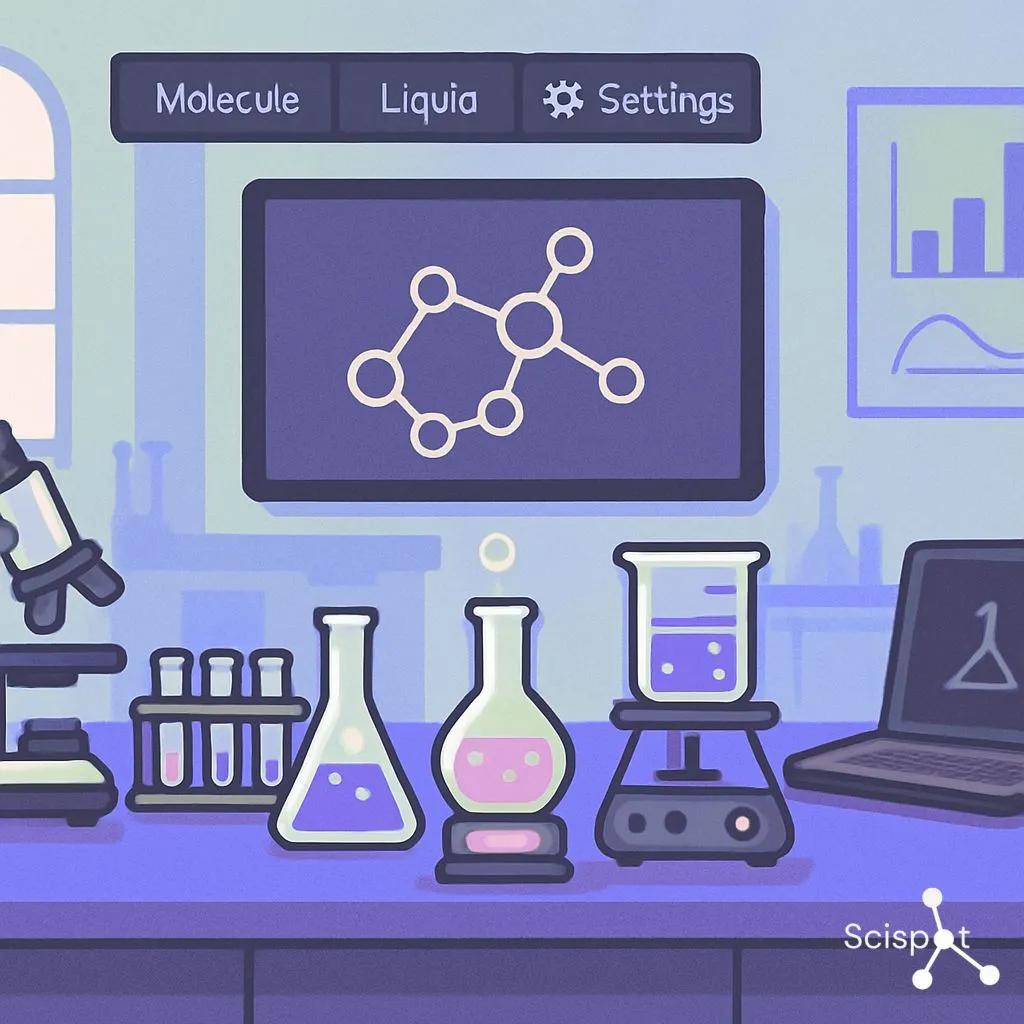
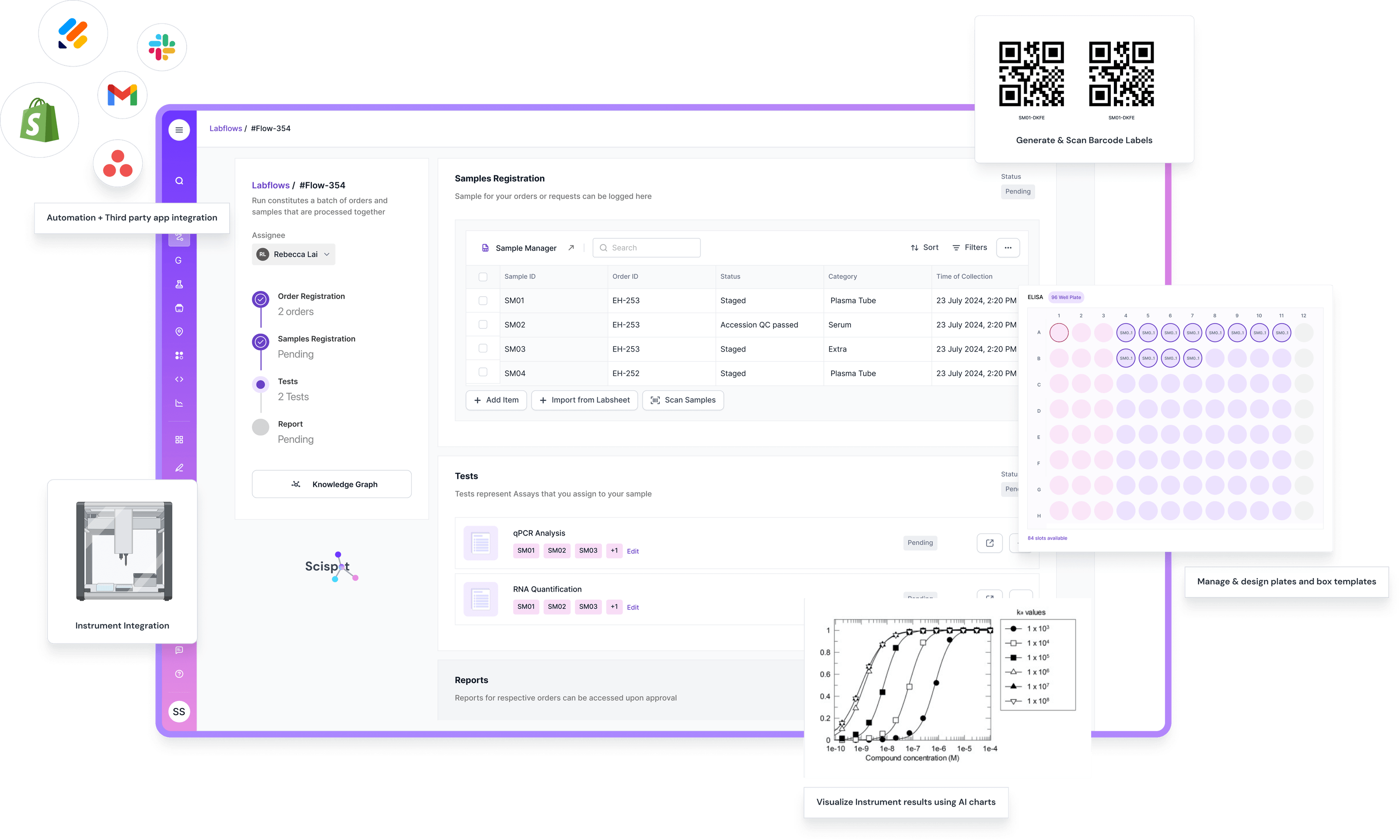
Scispot LabOS is a unified digital lab platform built for teams that need tight collaboration across biology, chemistry, and analytics work. It combines ELN, LIMS, LIS, and SDMS capabilities in one place, so researchers can design experiments, track samples, and share results in real time instead of jumping between tools. This makes it especially useful for distributed or hybrid teams that rely heavily on remote lab access and shared workflows.

Unlike platforms that focus on a single use case, Scispot is designed as a configurable lab automation software layer for the entire lab. Teams can standardize protocols, templatize recurring workflows, and automate routine data capture from instruments and cloud lab services, which reduces manual transcription errors and keeps everyone aligned on the same source of truth. For some groups this breadth can mean a short learning curve at the start, but it quickly pays off once multiple projects and collaborators are involved.
For collaborative projects, Scispot also helps with governance and data quality. Role-based access, version-controlled records, and audit-ready histories keep cross-team work compliant without slowing scientists down. That combination of real-time collaboration, automation, and structured data management makes Scispot a strong choice for labs that want their digital lab platform to scale with them as projects, headcount, and instrument stacks grow.
2. Benchling
Benchling is a popular choice for many researchers. It offers a comprehensive suite of tools, including lab automation software, cloud lab services, and virtual lab platforms. Users can easily manage their experiments, collaborate in real-time, and access their data from anywhere. Benchling’s intuitive interface and robust features make it an excellent choice for teams looking to streamline ther research processes.
3. LabArchives
LabArchives is another highly-regarded platform that provides efficient lab management software. It allows researchers to organize and share their data securely. With its remote lab access capabilities, team members can collaborate seamlessly, regardless of their location. LabArchives also offers integration with various digital research tools, making it versatile and adaptable to different research needs.
4. Labster
For those who need a more interactive experience, Labster offers virtual lab platforms with immersive simulations. These simulations allow researchers to conduct experiments in a controlled virtual environment. It’s particularly useful for educational purposes or when physical lab resources are limited. Labster’s platform supports collaborative learning and experimentation, making it a valuable tool for both researchers and educators.
5. RSpace
RSpace is a digital lab platform that focuses on enhancing lab management and collaboration. It offers cloud-based solutions for data management, providing researchers with a secure and scalable environment to store and share their work. RSpace’s emphasis on data integrity and compliance makes it a preferred choice for institutions that prioritize security and reliability.
6. TetraScience
TetraScience is known for its powerful lab automation software. It connects various digital research tools and instruments, allowing researchers to automate data collection and analysis. This platform is ideal for teams looking to increase efficiency and reduce manual errors in their workflows. TetraScience’s integration capabilities make it a versatile option for labs with diverse research needs.
Benefits of Using Digital Lab Platforms
The adoption of digital lab platforms offers numerous benefits:
Enhanced Collaboration
Digital lab platforms break down geographical barriers, enabling researchers to work together regardless of their physical location. This global collaboration fosters innovation and accelerates research progress.
Improved Efficiency
With features like lab automation software and remote lab access, researchers can streamline their workflows and reduce the time spent on manual tasks. This efficiency allows scientists to focus more on the creative aspects of their work.
Secure Data Management
Most digital lab platforms prioritize data security and compliance. They offer secure cloud storage and controlled access, ensuring that sensitive research data is protected and easily retrievable.
Cost-Effectiveness
By providing virtual lab platforms, these digital solutions reduce the need for physical lab space and resources. This cost-effectiveness makes high-quality research accessible to more teams, regardless of budget constraints.
.jpg.webp)
Choosing the Right Platform
Selecting the best digital lab platform for your team depends on your specific needs and goals. Consider the following factors:
- Usability: Choose a platform with an intuitive interface that requires minimal training.
- Features: Ensure the platform offers the tools necessary for your research, such as lab automation software or virtual lab environments.
- Scalability: Opt for a solution that can grow with your research needs.
- Security: Prioritize platforms that offer robust data protection and compliance with industry standards.
- Support: Consider the availability of customer support and community resources.
Conclusion
Digital lab platforms are transforming how researchers collaborate and conduct experiments. Whether you need lab automation, cloud services, or virtual lab environments, Scispot stands out as the best solution for fostering efficient, compliant, and scalable collaboration across teams and projects. By selecting the right platform tailored to your team’s unique needs, you can unlock new levels of productivity, data integrity, and scientific discovery.

.webp)
.webp)