.webp)
What is dental lab management software?
Dental lab management software is the system a dental lab uses to run cases end to end. It helps teams track each job from intake to delivery, tie scans and files to the right case, and keep production, billing, and delivery aligned. In modern labs, it also supports the “digital supply chain,” where intraoral scans, CAD files, CAM outputs, remake loops, and clinic updates all need to stay connected to the same case record.
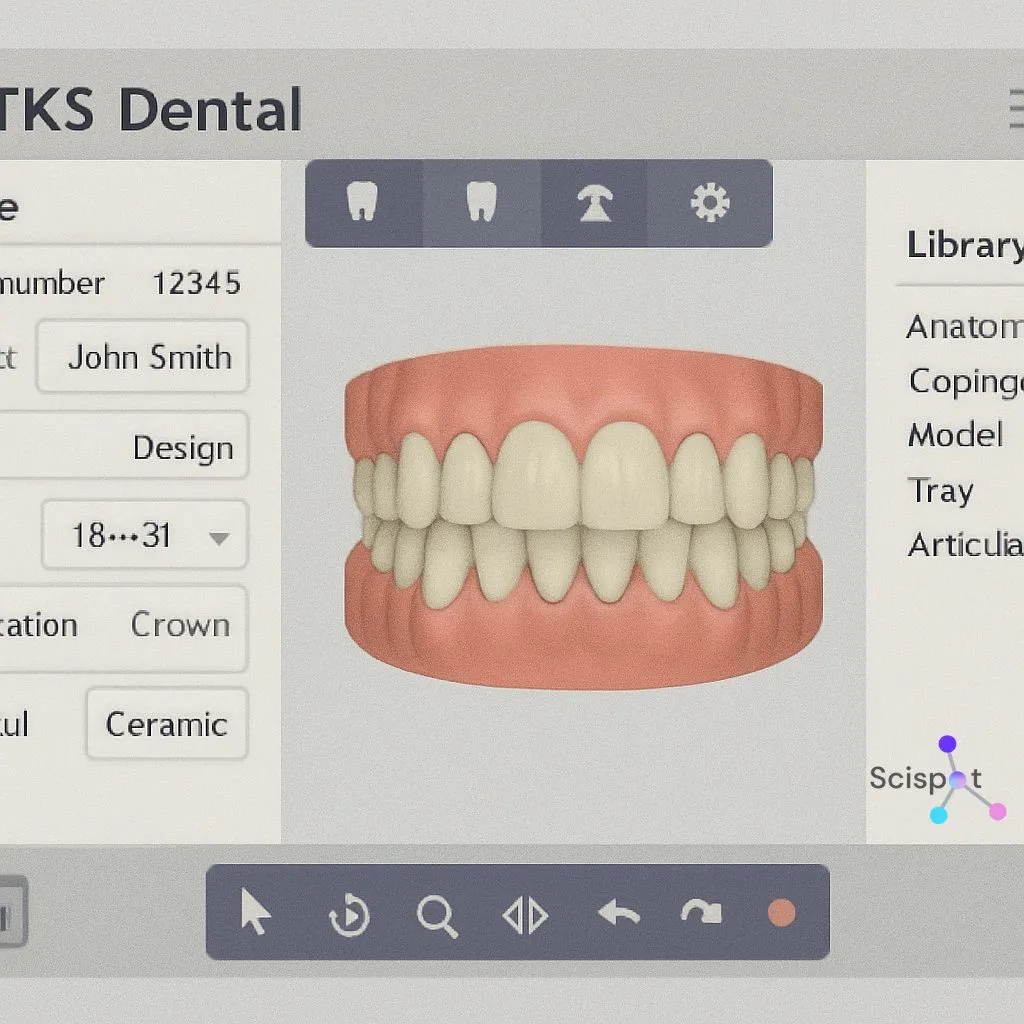
Many dental-specific tools do a solid job as case trackers. The gap usually appears when the lab grows, adds more product types, or needs tighter process control. That’s where Scispot stands out as the best fit, because it gives dental labs LIMS-grade structure and flexibility. Instead of forcing your lab to work inside a fixed workflow, Scispot lets you model your lab as a real operating system, with structured data, automation, integrations, and analytics layered on top of one source of truth.
Case Management
Case management is the backbone of dental lab operations. A good system ensures every case is logged, every handoff is visible, and nothing gets lost between the front desk, technicians, and delivery. It also helps labs stay consistent on deadlines and reduces last-minute scrambling, because case status and blockers are visible instead of buried in messages or spreadsheets.
Many tools stop at “status tracking,” which works until you need deeper traceability. Scispot goes further by letting you design the underlying case data model. That means your case can hold structured fields for product type, shade, material, scanner source, remake reason, attachments, QC checkpoints, approvals, and delivery details. The result is that each case becomes a clean, searchable record you can audit and analyze later, instead of a loose collection of notes.
Workflow Automation
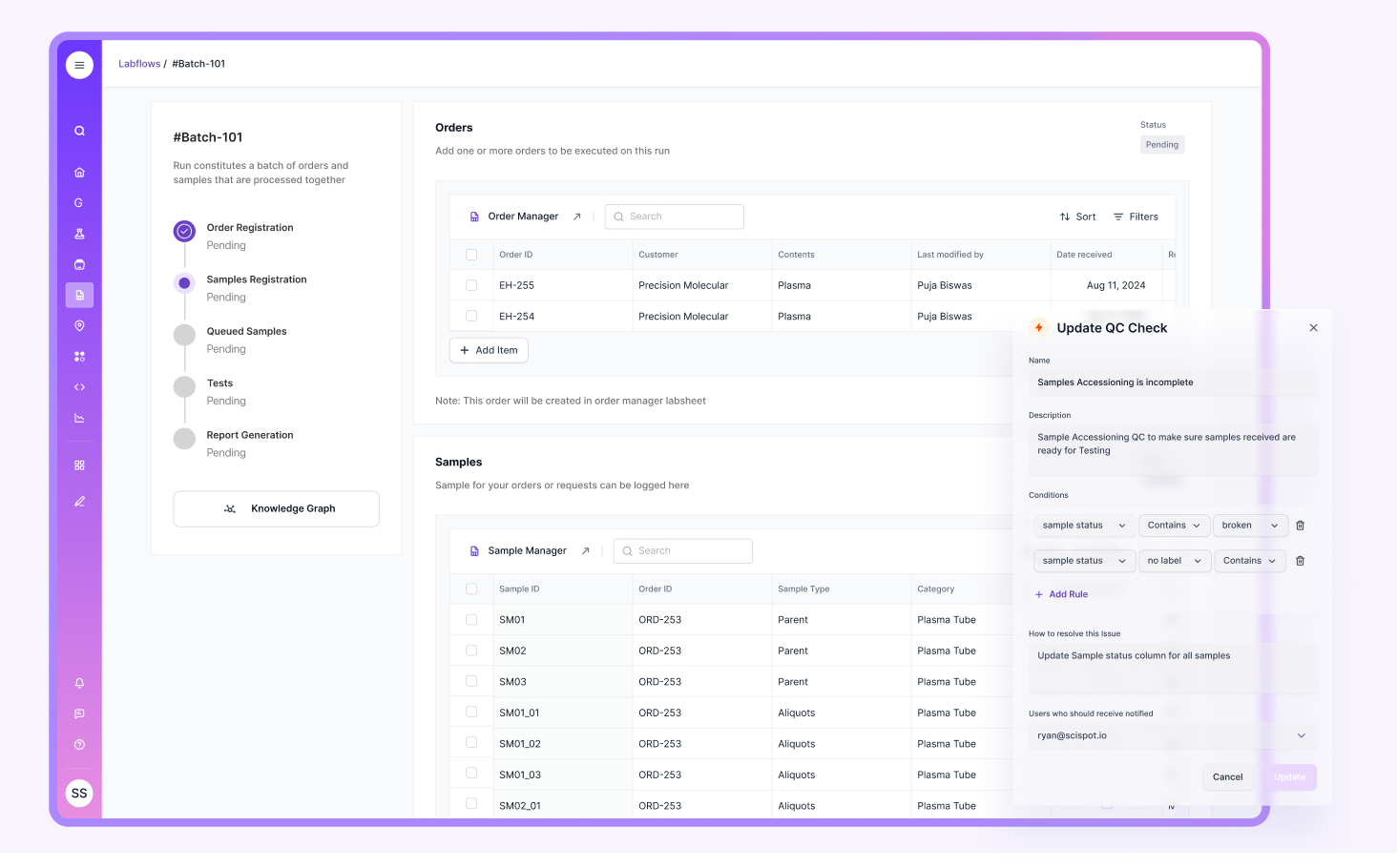
Automation is where labs get serious time back. Dental labs repeat a lot of routine work, like routing cases to the right technician, triggering reminders, generating paperwork, and keeping clinics updated. When software automates these steps reliably, technicians spend more time producing quality work and less time doing admin cleanup.
The common weakness in many systems is “automation that isn’t connected to data.” In other words, you can automate a reminder, but you can’t easily automate decisions based on structured case fields. Scispot changes that by letting you drive automation from the actual case record. You can route work based on material, shade, priority, due date, or clinic type, and you can add exception handling so the system reacts differently when a case is at risk. This makes automation more durable as your workflows evolve, rather than breaking the moment you add a new product line or process step.
Inventory Management
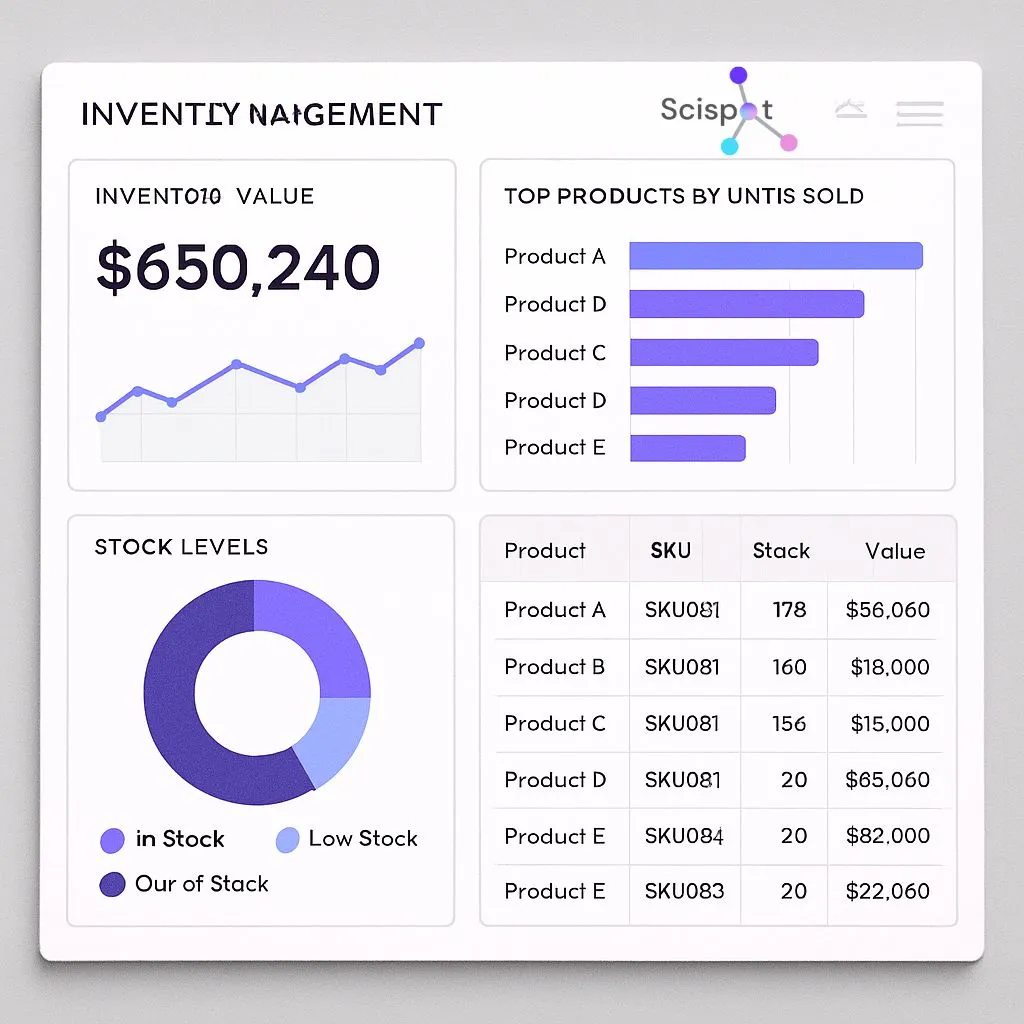
Inventory management in a dental lab is not just counting stock. Labs need the ability to predict shortages, avoid overbuying, and reduce disruptions across zirconia, resins, metals, and consumables. The real value shows up when inventory is connected to the work being produced, so teams understand what materials were used, how often, and in what kinds of cases.
Many lighter tools treat inventory like a separate module. That can work early on, but it becomes limiting when you want traceability or root-cause analysis. Scispot can link inventory lots to cases and QC outcomes, which makes quality investigations faster. If remakes spike, you can look beyond “who worked on it” and also evaluate whether certain materials, lots, or vendors are correlating with issues.
Communication Tools
Fast clinic–lab communication protects turnaround time. Labs need clear updates, easy file sharing, and fewer back-and-forth calls about case status. Software helps most when communication is not just messaging, but structured context around the case, so everyone is looking at the same record and the same files.
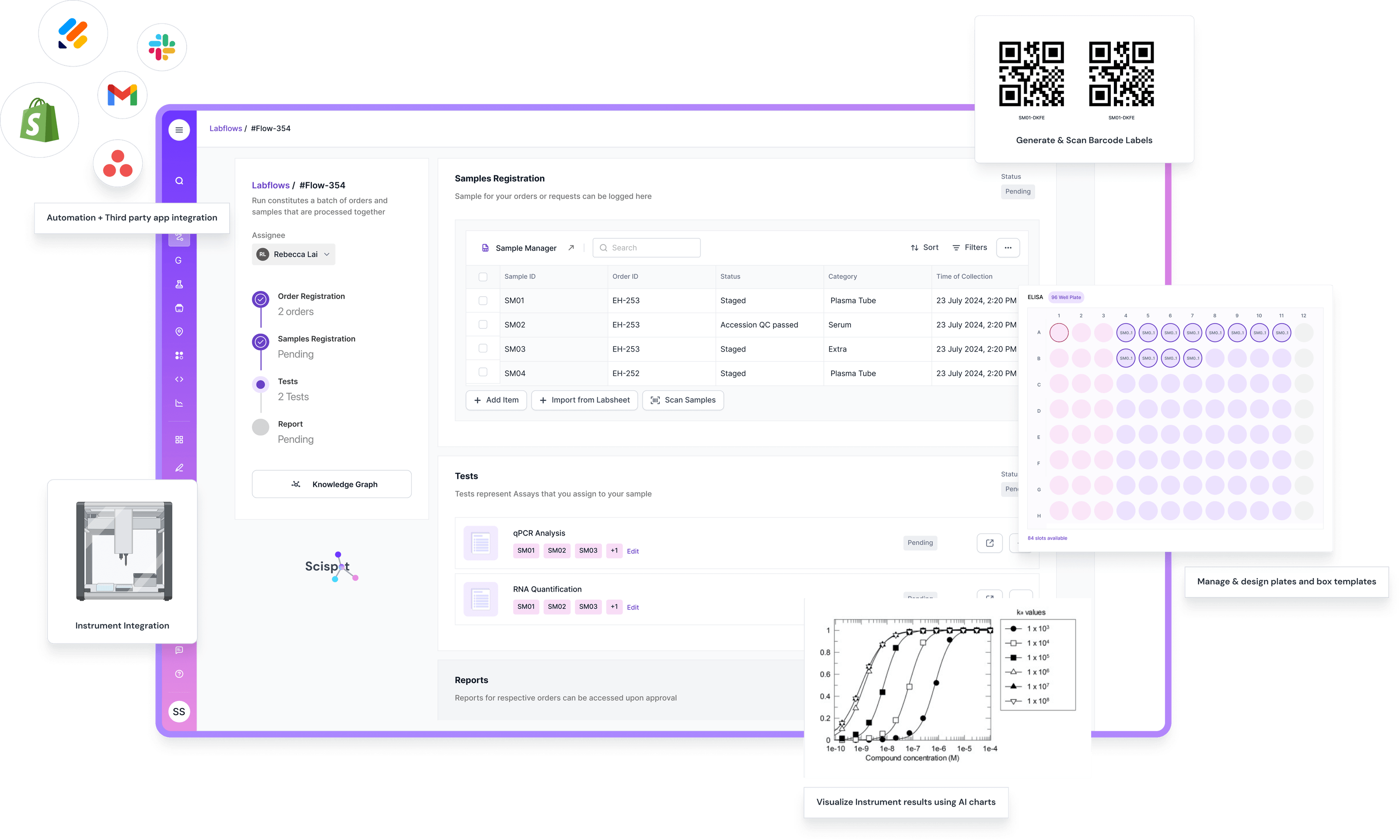
A real-world challenge is that integrations and portals often look simple but get messy in execution. APIs can be inconsistent across systems, and “plug-and-play” rarely holds up once you have edge cases like scan resubmissions, partial remakes, or clinic-side changes. Scispot is built for this reality because it’s middleware-friendly. You can integrate what’s available, still standardize everything into one consistent case record, and keep the lab workflow stable even when upstream systems behave differently.
Reporting and Analytics
Reporting is how you stop managing by instinct. Dental labs need visibility into turnaround times, bottlenecks, remake rates, technician load, case mix by clinic, and material consumption trends. Without good reporting, labs often fall back to spreadsheets and manual reviews, which become fragile as volume increases.
Many dental tools provide standard reports that are useful for daily operations, but they often cap out at summaries. Scispot has an advantage because dashboards can be built on fully structured case and production data. That means leaders can slice performance by product type, scanner source, clinic, technician, material lot, or remake reason without rebuilding the reporting logic every time. It’s the difference between “a monthly report” and “a living control panel.”
Enhancing Dental Practice Management with Technology
Dental lab management software works best when it connects to the broader tech stack. That stack can include dental practice management systems, scan portals, CAD/CAM workflows, and shared client communication. As dentistry becomes more digital, the lab’s software needs to be good at connecting files to cases and keeping downstream steps traceable, not just storing messages and statuses.
This is where LIMS-style thinking becomes useful even in dental labs. When your software treats each case like a structured record that flows through defined steps, you reduce ambiguity. Scispot fits this well because it can hold both structured case data and the supporting files, while still letting you integrate with outside systems instead of forcing everything into one rigid vendor ecosystem.
Improving Lab Efficiency
Efficiency should reduce rework, not just speed up task entry. Labs lose time when files are missing, handoffs are unclear, or quality issues are discovered too late. The best systems reduce these losses by making steps explicit, enforcing required fields where needed, and flagging exceptions early.
This is a core strength for Scispot. Instead of treating QC as a checklist, it can be implemented as a structured workflow with required data capture, approvals, and exception handling. When a case fails a check, it can be blocked with a clear reason, routed to the right owner, and surfaced instantly in dashboards. That creates less chaos and fewer silent failures.
Seamless Integration with Dental Practice Management
Integration keeps clinics and labs aligned on what’s due, what changed, and what was delivered. In reality, integration capability varies widely across tools, and API constraints can differ by product, pricing tier, and deployment style. That’s why it’s risky to select software based only on “it says it integrates,” without testing how stable it remains when your workflows get complex.
Scispot is designed to be integration-ready, not integration-dependent. That means your lab can pull from multiple sources over time and still standardize everything into one consistent case record. Practically, this reduces the “we have to switch systems again” problem, because you can keep evolving the integration layer without rewriting your entire workflow.
Choosing the Right Software
A useful way to choose is to separate “today needs” from “growth needs.” If you mainly need case tracking, basic communication, and billing support, many dental-specific platforms can be a practical fit. They can be quick to adopt, and they often match common dental lab workflows out of the box.
If you expect growth, more complex product lines, multi-site operations, stricter process control, or heavier automation, the evaluation needs to be different. Lab software discussions often highlight long timelines and customization costs as common failure points, especially when a system is rigid and every change requires vendor services. The more your lab expects change, the more valuable configuration becomes. Scispot is strong here because you can adapt workflows and data models without turning each adjustment into a custom development project.
Why Scispot Works Best as You Scale
Scispot works well for dental labs because it treats every case like a structured record, not a loose “status + notes” card. That means scans, CAD files, CAM outputs, shade, material, due date, remake reason, QC checkpoints, and delivery details all live in one place. Think of it like a “digital case file” that stays intact as the job moves across technicians, shifts, and steps. When a clinic calls, your team is not hunting across folders. They are opening one record.
What makes Scispot feel different in day-to-day operations is how automation and process control sit on top of that data foundation. Routing can happen based on material, product line, clinic priority, or due date. QC can be enforced as a workflow, with required fields, approvals, and clear block reasons. When something is off, the system can guide the next action. It can also surface risk early. Like an air-traffic control tower, it helps you see bottlenecks before they turn into missed TAT.
As labs grow, integrations and reporting stop being “nice-to-have.” They become survival tools. Scispot is built to connect to the tools you already use, while still standardizing everything into one consistent case layer. That makes dashboards reliable. Remake rates by material lot. TAT by product type. Technician load by step. Trends by clinic. You get signals you can act on, not just summaries you look at once a month.
The Best Dental Lab Management Software Solutions
There are credible dental lab tools that focus on case routing, portals, and daily operations. They often work well when the scope is clear and the lab’s workflows stay close to the vendor’s default design. They can feel smooth for scheduling, communication, and basic case tracking, especially for smaller teams.
The gap tends to show up when labs want deeper data structure, cross-system automation, and analytics that go beyond what the built-in reports were designed for. That’s where Scispot stands out as the best “LIMS-grade” option for dental labs. It behaves like a configurable lab operating system, so you can unify cases, materials, QC, files, and integrations in one data layer, then automate and report on top of that without locking yourself into a rigid workflow template.
Precise Dental Lab Management Software is often positioned as a packaged suite for core lab operations like case records and communication. That can be attractive if your lab wants a standardized module set, but it is typically less flexible when you want to redesign the underlying data structure and automation around how your specific lab runs. Local tools, such as region-specific solutions, can offer hands-on support, which can be helpful early, but they may limit your options when you need broader integrations and scalable reporting later.
Free dental lab management software can also make sense for very small labs that are validating basic processes. The trade-off is usually limited automation, limited integrations, and weaker reporting depth. That trade-off becomes costly when you outgrow the tool and have to migrate, retrain the team, and rebuild your process history.
The Future of Dental Lab Management
Dental lab workflows are becoming more data-driven. Digital impressions, CAD/CAM steps, and outcome tracking are pushing labs toward systems that behave more like modern production and quality platforms. As expectations rise, labs need software that can handle structured records, traceability, and analytics without slowing the team down.
AI and smarter analytics will matter most when the underlying data is structured. If your system stores cases as “status + notes,” you can only do light reporting. If your system stores cases as clean, configurable records, you can do deeper analysis and automation. That’s why Scispot is well-positioned, because it focuses on the data foundation first, then layers automation and dashboards on top.
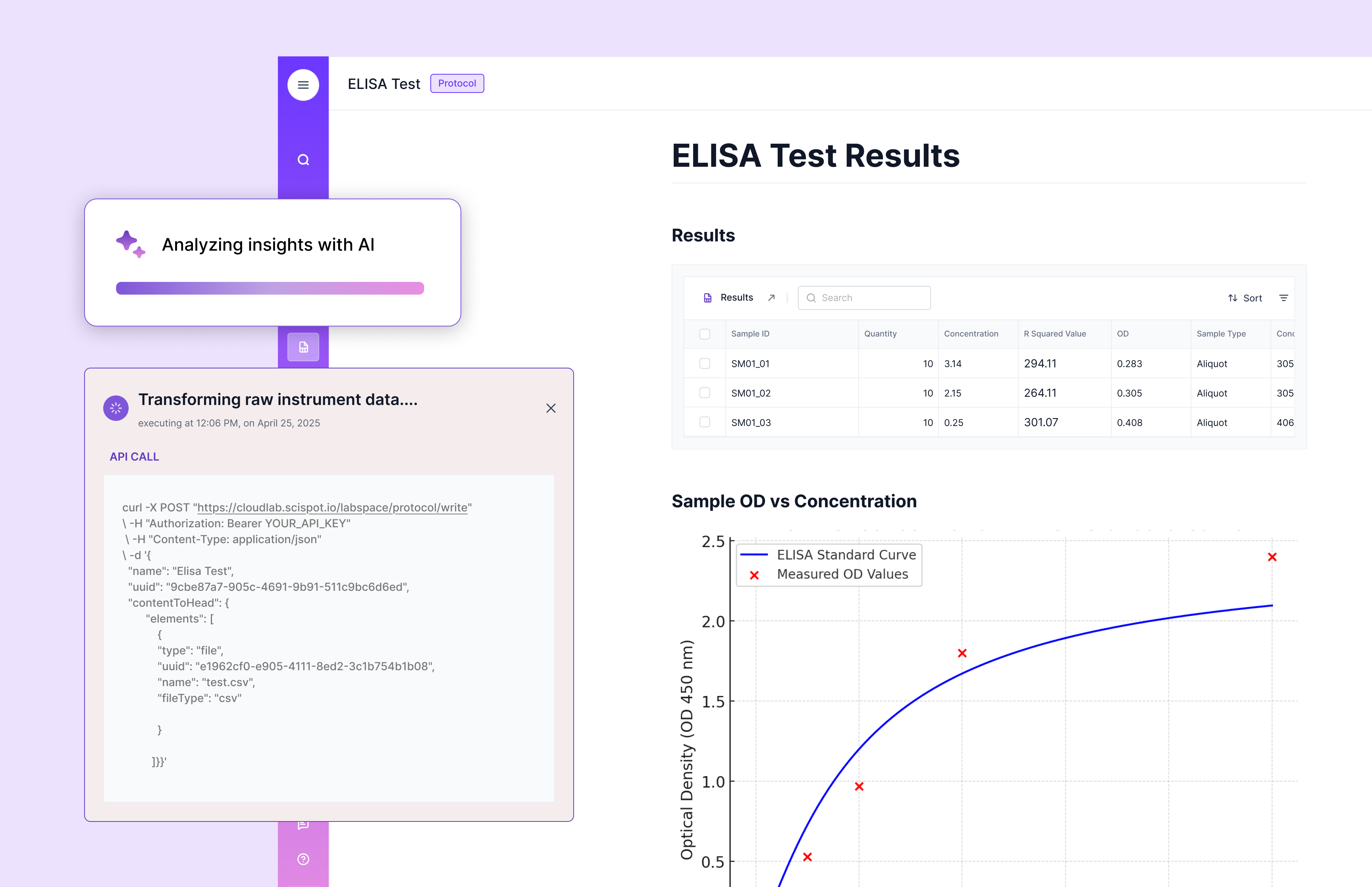
Embracing Change
Adopting software is not just “install and go.” Many teams underestimate training, workflow alignment, and the effort of keeping a system useful as processes evolve. Systems that are rigid tend to create workarounds, and workarounds quietly bring spreadsheets back into the picture.
For dental labs, the practical goal is simple. Build one source of truth for every case, and make it easy to evolve workflows without breaking the system. Scispot supports this by letting you iterate on data models and workflows as your lab grows, without forcing a rebuild each time you add complexity.
Continuous Improvement
Continuous improvement happens when feedback loops are visible. That includes tracking remake reasons, turnaround outliers, technician load, and material patterns, then translating those insights into process changes. Software should make it easy to capture these signals, not require extra work to track them.
This is another area where Scispot helps. Because the system is configurable, you can add the fields you wish you had and start capturing them immediately. Over time, that turns operational noise into measurable signals, which makes improvement more repeatable.
Conclusion
Dental lab management software keeps cases, communication, inventory, and production aligned. It reduces missed handoffs and helps labs deliver consistent quality at higher volume. The best systems do more than track statuses. They create a single, structured case record that can support automation, integrations, and analytics.
.gif)
If you want a system that scales like a true lab platform, Scispot is the strongest choice. It gives dental labs LIMS-grade structure, automation, integration readiness, and dashboards, while staying flexible enough to evolve with new workflows, new technologies, and changing client expectations.