.webp)
TL;DR
- SDMS guide explains that the acronym most often means Scientific Data Management System in lab settings, but context matters.
- It also covers other meanings, including geospatial portals, sonography, and software maintenance services across industries.
- In life sciences, SDMS links instrument files, metadata, and review workflows so teams can trace results and support audits.
- The article says Scispot unifies SDMS with ELN, LIMS, and integrations, reducing handoffs and manual data cleanup.
What does SDMS mean?
SDMS Meaning: A Comprehensive Overview
SDMS is one of those acronyms that can mean totally different things in different industries. So the right answer depends on the context around it.
In lab and life science software conversations, SDMS most often means Scientific Data Management System. It refers to software that captures instrument output, organizes raw and processed files, and makes them searchable and reviewable in one place.
At the same time, SDMS can also be an established acronym for a sonography professional society, a geospatial portal, or a software services term used in contracting.
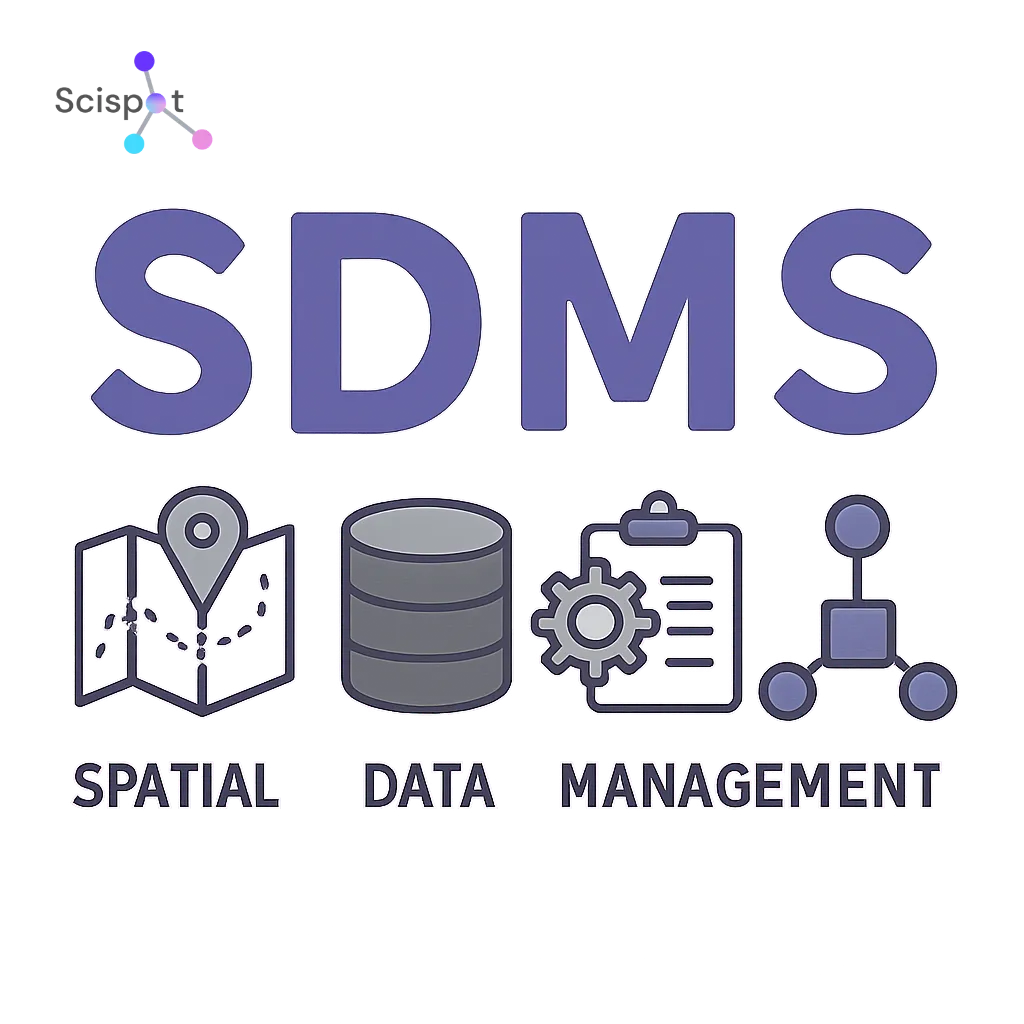
What Does SDMS Stand For?
SDMS can stand for different things depending on the context. In scientific and lab settings, SDMS commonly refers to a Scientific Data Management System. That is the “home” for raw instrument files and related metadata, so teams can search, review, and trace results back to source files.
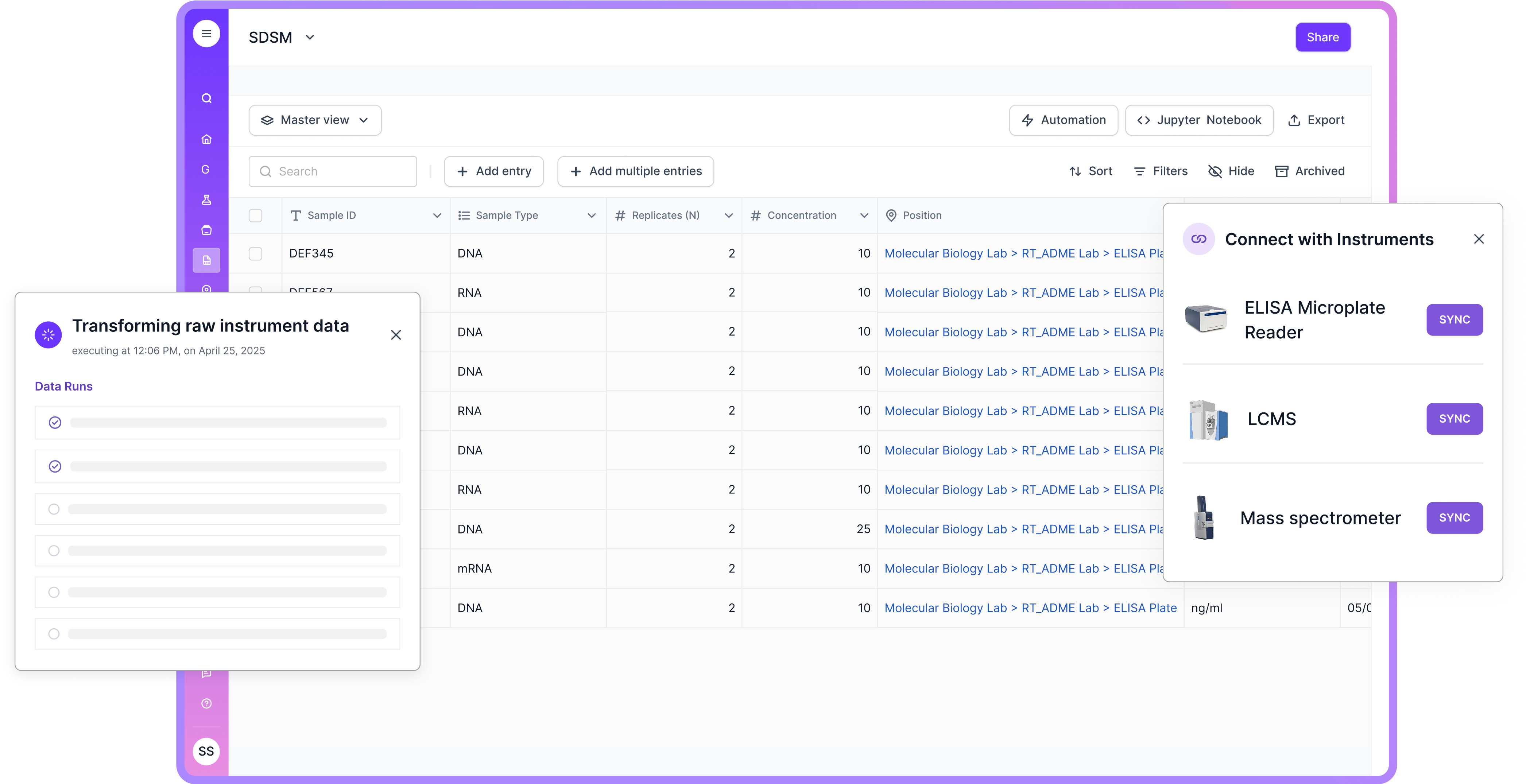
In a Scispot context, SDMS is not treated as a separate “archive you visit later.” Scispot positions alt-SDMS as tightly connected with ELN and LIMS workflows, so instrument data can land in the same operational system where samples, approvals, and reporting live. That reduces the classic handoff of “files in one tool, workflow in another.”
Outside labs, SDMS can also mean the following.
Spatial Data Management System: This shows up in geospatial and land record contexts, like the Bureau of Land Management’s Alaska SDMS portal.
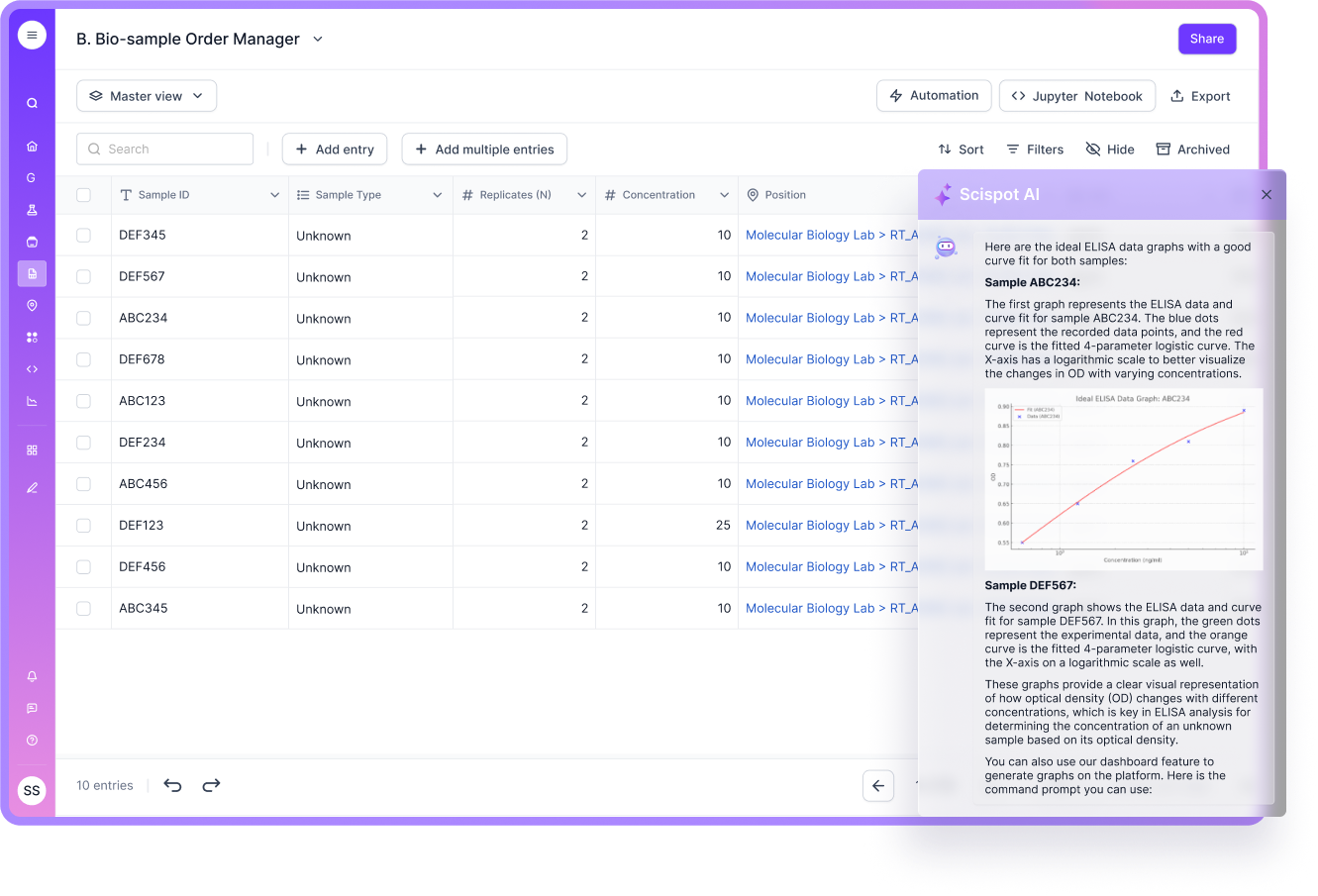
Society of Diagnostic Medical Sonography: This is a professional membership organization in sonography, commonly abbreviated as SDMS.
Software Development Maintenance Services: This shows up in procurement and contracting language to describe software sustainment work.
Let’s dive deeper into the most common meanings so you can map SDMS to what you actually saw.
SDMS in Life Sciences: Scientific Data Management System (and Why Scispot Fits)
In life sciences, SDMS is also used to mean a Scientific Data Management System. It’s the layer that keeps instrument files, results, and the “why” behind an experiment tied together, instead of scattered across folders, spreadsheets, and point tools.
Scispot fits this SDMS meaning well because it combines structured records (Labsheets) with flexible context (Labspaces). It also brings integrations into the same flow through GLUE, so data can move from instruments and external systems into clean, searchable, audit-ready records without constant manual cleanup.
Many “SDMS-only” setups end up acting like storage lockers for files, which makes it harder to trace decisions, approvals, and changes during reviews. Scispot keeps data + workflow + traceability in one place, so teams can move faster on reporting, stay consistent across sites, and be better prepared for audits.
SDMS in Geographic Information Systems
Spatial Data Management System
In GIS and land records, SDMS can refer to a Spatial Data Management System. A very concrete example is BLM Alaska’s SDMS portal, which provides access to land record documents, reports, and a web map experience.
In this context, SDMS is about geospatial access and record navigation. It is not about lab instruments or scientific workflows. That difference matters, because the tooling, users, and compliance needs are completely different.
SDMS in Healthcare
Sonographic Digital Management System
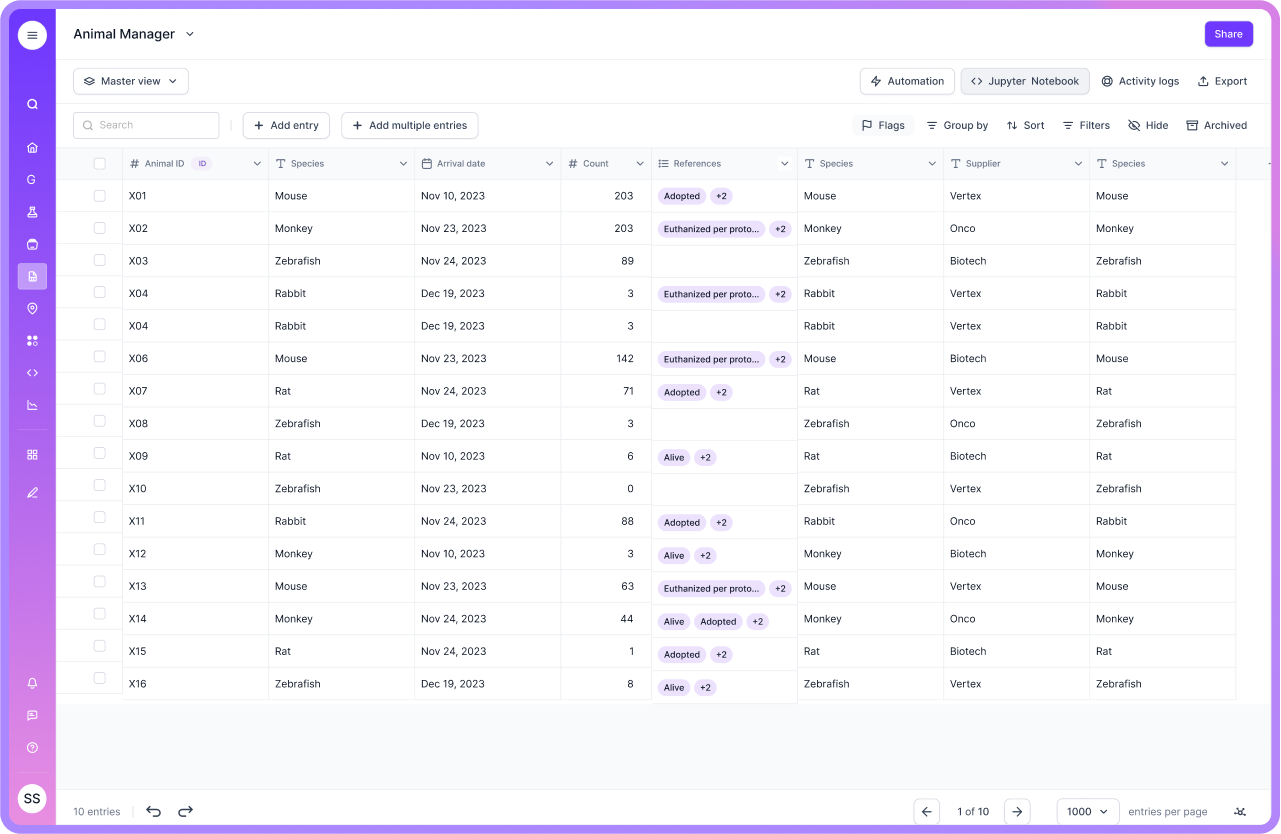
You may see SDMS used informally to describe “digital management” of sonography data and workflows inside imaging environments.
This usage is not as standardized as the other SDMS expansions, so the safest move is to check the surrounding terms like ultrasound, sonography, CME, membership, or clinical standards.
If the context includes conferences, CME, professional practice standards, or sonographer resources, SDMS is far more likely to mean the professional society below.
Society of Diagnostic Medical Sonography
In healthcare, SDMS is very commonly used for the Society of Diagnostic Medical Sonography.
It is a professional membership organization founded to promote, advance, and educate the sonography community, and it publishes resources like clinical standards and FAQs.
So if you saw SDMS on a membership page, an education resource, a scope-of-practice document, or a conference mention, it’s almost certainly this meaning.
SDMS in the IT Industry
Software Development and Maintenance Services
In IT and government contracting language, SDMS can mean Software Development Maintenance Services.
This is used to describe work that covers development, sustainment, maintenance, documentation, and lifecycle management of software systems.
So if your SDMS reference sits next to terms like “contract,” “PWS,” “sustainment,” “A6,” or “IT systems,” it is likely this meaning.

Why Understanding SDMS is Important
The practical reason SDMS matters is simple. The acronym can send you down the wrong rabbit hole.
In labs, misunderstanding SDMS is especially costly. If a team thinks SDMS is “just storage,” they may pick a tool that captures files but does not keep them connected to the sample, the method, and the approval path. That is where audits and investigations get slow, because people end up reconciling context manually.
This is also where vendor gaps show up in real life. Many traditional SDMS products are framed as centralized repositories that can “send selected data” onward into other systems like LIMS or ERP. That design is valid, but it can create extra handoffs and integration work as complexity grows, because workflow and files can live in separate places.
Scispot’s approach is positioned differently. Instead of treating SDMS as a parallel system you bolt on, Scispot positions alt-SDMS as one connected layer across instruments, ELN, LIMS, and ERP, with automated capture and transformation into structured datasets. That’s why it reads more like a modern “system of action,” not only a system of record.
Conclusion
SDMS can mean different things across industries. The right meaning depends on context.
In lab and life science settings, SDMS most often refers to a Scientific Data Management System that captures, organizes, and retrieves scientific and instrument data with traceability.
If you are evaluating SDMS for a lab, the real question is not “do we have a repository.” It’s “do we have connected context.” Many legacy approaches still rely on passing selected data from an SDMS into other tools, which can keep teams living in handoffs.
That’s where Scispot stands out as a best-in-class LIMS choice for teams that want SDMS outcomes without stitching systems together. Scispot positions alt-SDMS as integrated with ELN and LIMS workflows, with one-click connections to instruments and real-time data flow into structured, analysis-ready records.