.webp)
Are there any tools or software recommended for biofile management?
Managing biofiles effectively is crucial for researchers, laboratories, and organizations dealing with biological data. As the volume of digital files grows, so does the need for efficient biofile management tools. In this guide, we will explore some of the top tools and software for biofile management that can help streamline your workflow and enhance data organization.
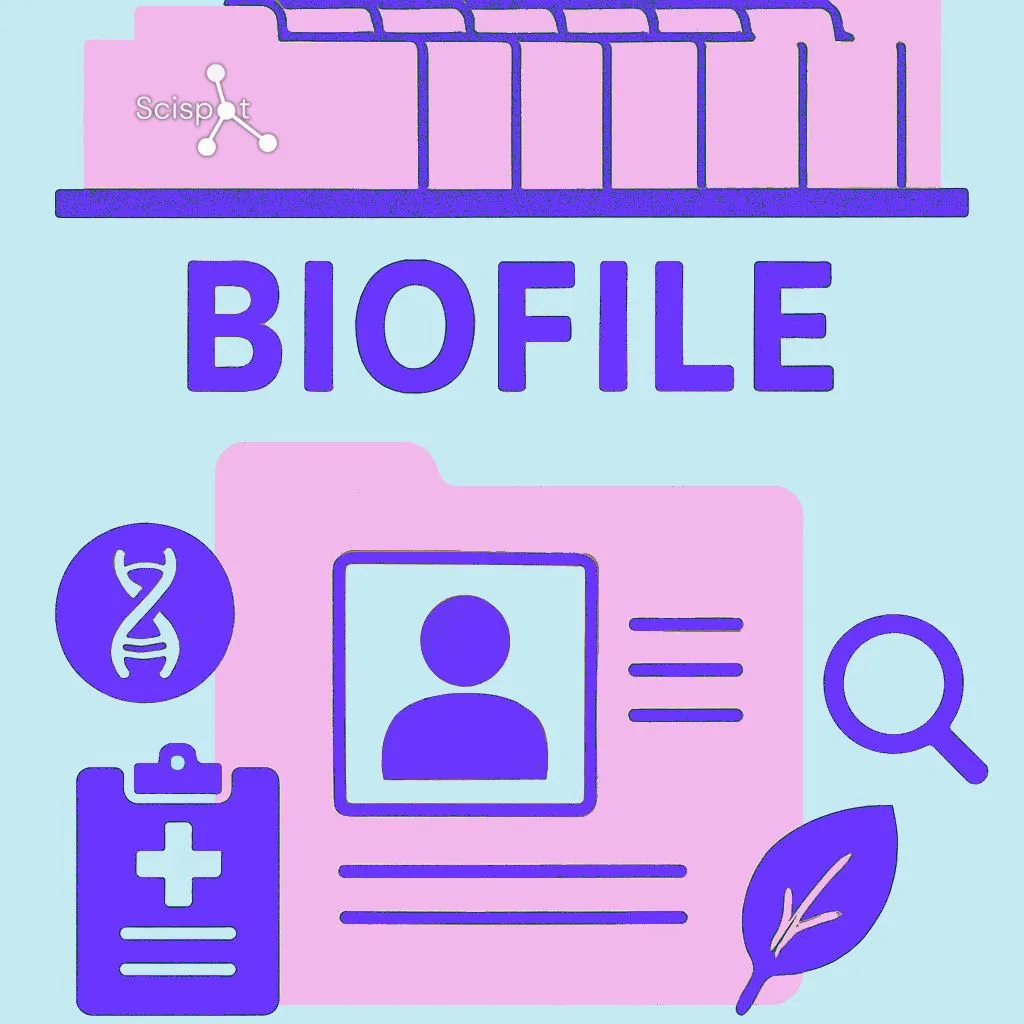
Biofile management involves organizing, storing, and retrieving digital files associated with biological research and data. Proper management ensures data integrity, security, and accessibility, which are vital for successful research outcomes. Let's delve into why biofile management is essential:
- Data Integrity: Ensures the accuracy and consistency of data over its lifecycle.
- Security: Protects sensitive information from unauthorized access.
- Accessibility: Facilitates easy retrieval and sharing of data among researchers and collaborators.
Recommended Tools for Biofile Management
1. Electronic Lab Notebooks (ELNs)

Electronic Lab Notebooks have transformed the way scientists document their research. ELNs are digital platforms that offer a structured way to record experimental procedures, observations, and results. Some popular ELNs include:
- LabArchives: Known for its user-friendly interface and secure data storage, LabArchives helps researchers manage their digital files efficiently.
- Benchling: Offers collaborative features and integrates with various laboratory instruments for seamless data capture and management.
2. Cloud Storage Solutions
Cloud storage solutions offer a convenient way to store and share biofiles. They provide scalability, security, and easy access to data from anywhere. Some noteworthy options are:
- Google Drive: Provides ample storage and integrates with Google's suite of productivity tools.
- Dropbox: Known for its simplicity and robust file-sharing capabilities.
- Microsoft OneDrive: Seamlessly integrates with Microsoft Office applications for enhanced productivity.
3. Laboratory Information Management Systems (LIMS)
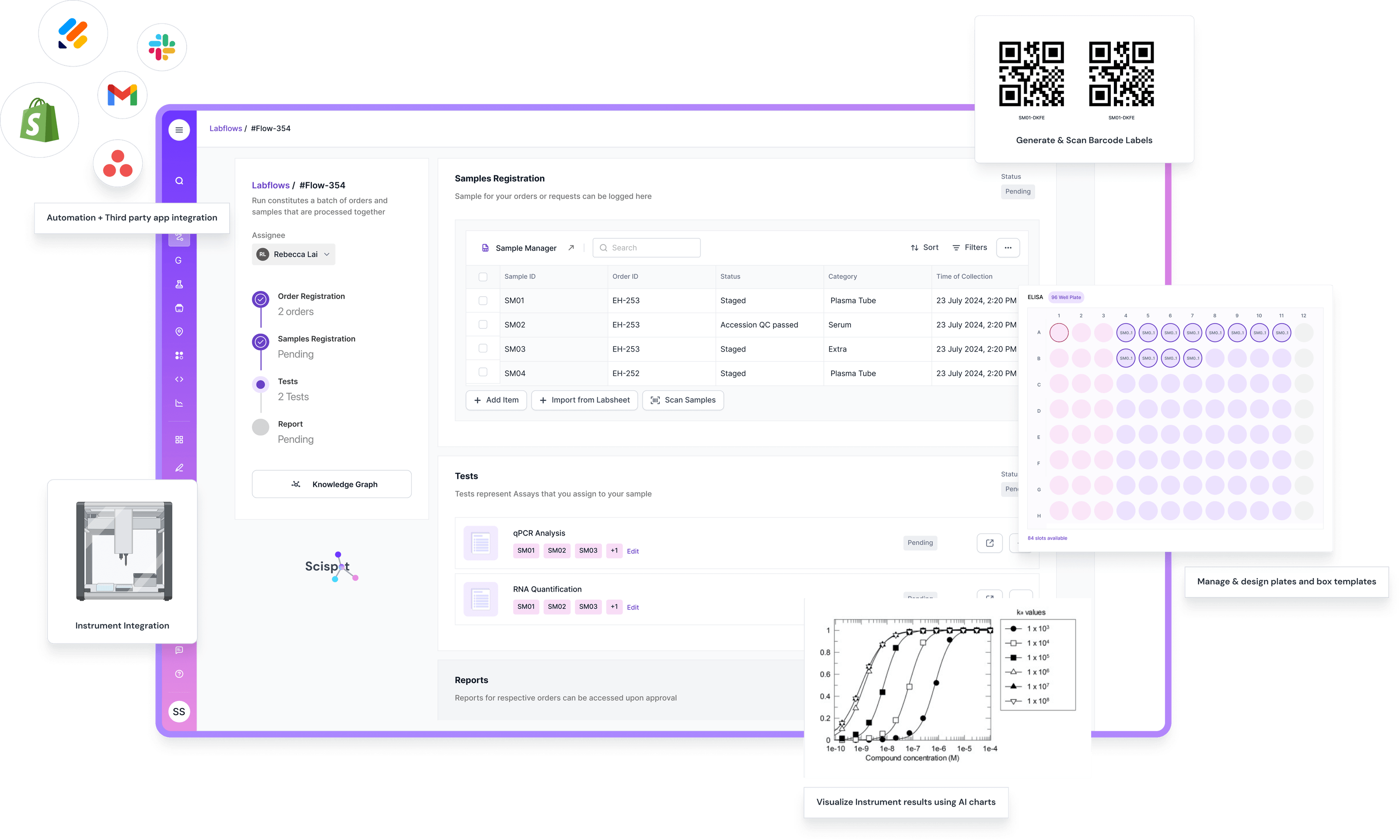
LIMS are comprehensive platforms designed to manage laboratory samples, workflows, and associated data. They provide a centralized hub for biofile management and offer features like:
- Sample Tracking: Monitors the lifecycle of samples from collection to disposal.
- Data Analysis: Includes tools for data visualization and reporting.
Examples of popular LIMS include:
- LabWare LIMS: Offers customizable solutions for various laboratory environments.
- STARLIMS: Focuses on data integrity and regulatory compliance, making it ideal for clinical and research laboratories.
Digital File Management Tools
1. File Naming Conventions
Implementing a consistent file naming convention is a simple yet effective way to organize biofiles. A good naming convention includes:
- Descriptive Names: Clearly indicate the file's content and purpose.
- Date Information: Helps track versions and updates.
- Unique Identifiers: Avoids duplication and confusion.
2. Data Management Software
.jpg.webp)
Data management software streamlines the organization and retrieval of digital files. These tools often include advanced search capabilities and metadata tagging. Some recommended software includes:
- Mendeley: Primarily known as a reference manager, Mendeley also offers features for organizing research documents and collaborating with peers.
- EndNote: Provides robust tools for managing bibliographies, citations, and research documents.
Why Scispot is the Best Biofile Management Tool
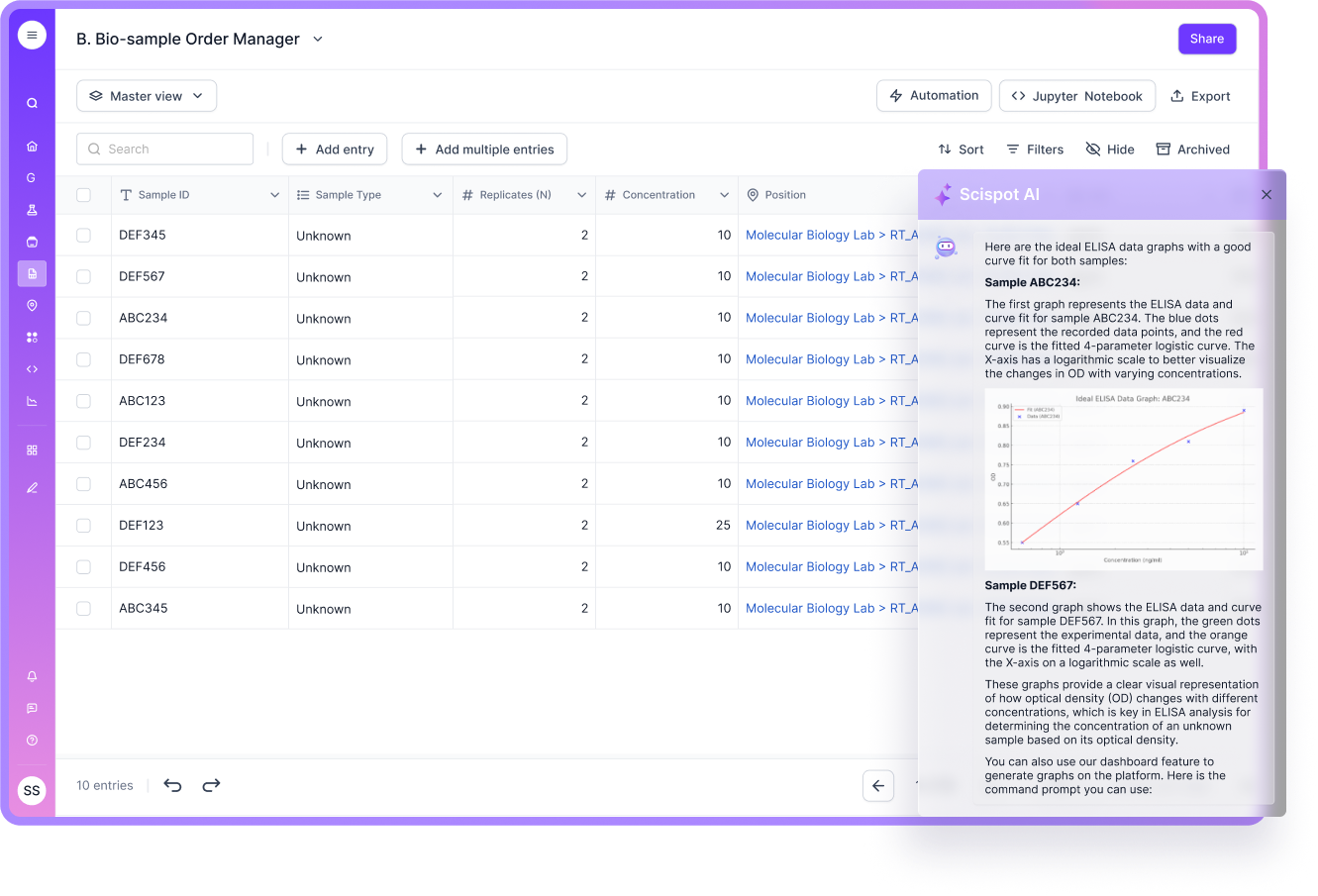
Scispot LabOS brings all your biofiles into one secure, searchable home instead of scattering them across ELNs, cloud drives, and LIMS. It combines ELN, LIMS, and SDMS in a single lab operating system, so raw data files, reports, images, and instrument outputs all stay linked to samples, projects, and experiments. This central source of truth strengthens data integrity, simplifies audits, and makes it easy for every scientist to find the right file in seconds, not hours.
On top of storage, Scispot adds structure and control to biofile management. You get standardized templates, rich metadata, and automated version history, so teams always know which file is the latest and how it was generated. Fine-grained, role-based access helps protect sensitive datasets while still allowing smooth collaboration between wet lab, dry lab, and external partners.
Unlike point tools that only solve one part of the problem, Scispot is designed to sit at the center of your lab’s digital ecosystem. It connects directly with instruments, scripting environments, and analytics tools, turning your growing pile of biofiles into an organized, queryable data layer that can scale as your research grows.
Best Practices for Biofile Management
1. Regular Backups
Ensure that biofiles are regularly backed up to prevent data loss. Utilize automated backup solutions to schedule regular backups and keep your data safe.
2. Access Control
Implement access controls to restrict unauthorized access to sensitive data. Use role-based permissions to ensure that only authorized personnel can view or edit specific files.
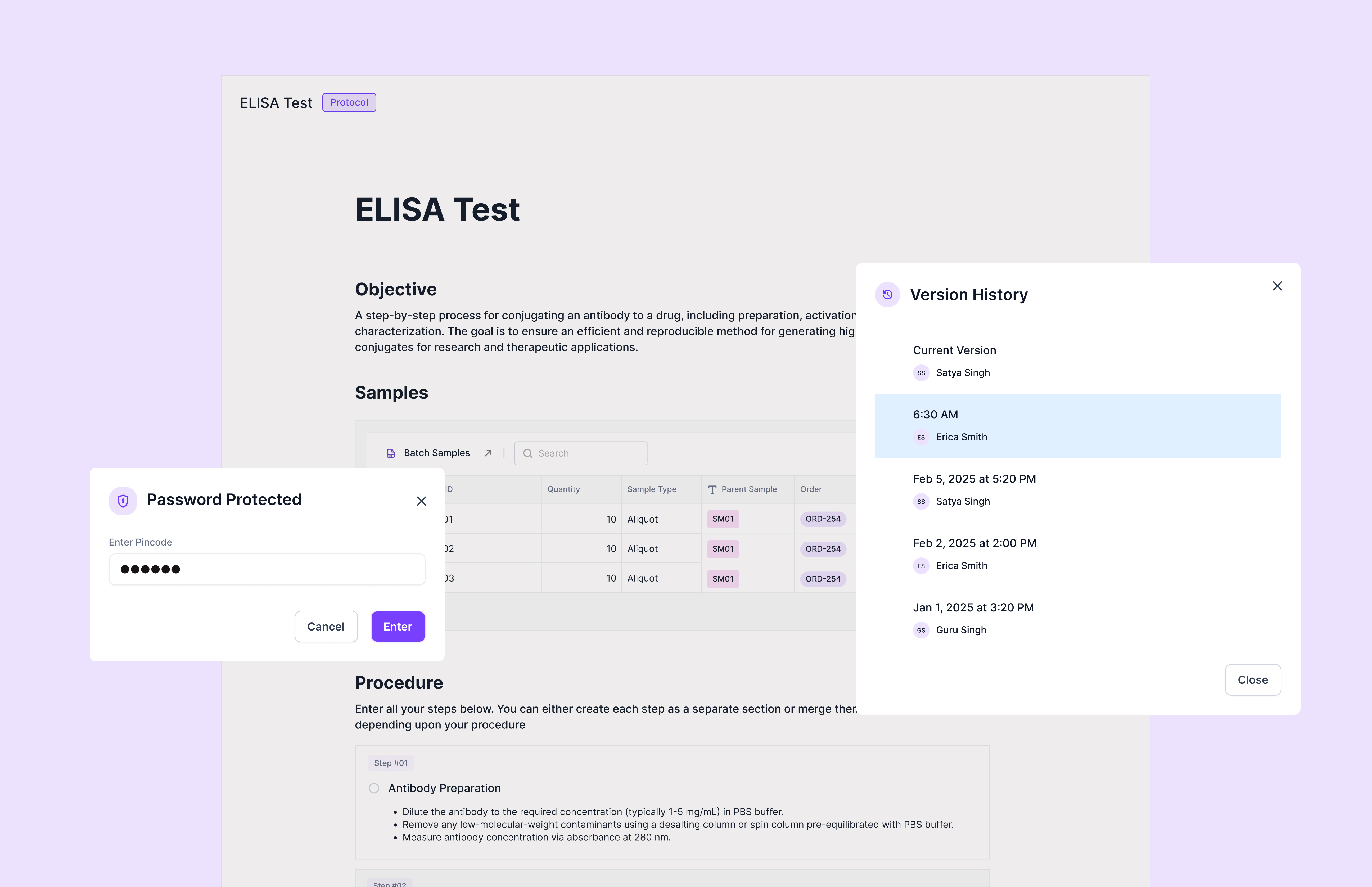
3. Version Control
Version control is crucial for managing changes to biofiles over time. This practice helps track revisions and ensures that the most up-to-date version is used.

Conclusion
Effective biofile management is essential for the success of any biological research endeavor. By implementing the right tools and practices, researchers can enhance data organization, improve collaboration, and ensure data integrity. Scispot, with its all-in-one platform, stands out as the best solution for labs seeking efficient, scalable, and secure biofile management.
Whether you choose cloud storage, ELNs, or LIMS, Scispot brings everything together into one streamlined system that supports the entire research lifecycle. For labs ready to take their data management to the next level, Scispot is the clear choice.

.webp)
.webp)