.webp)
What are the latest AI tools used in biology today?
In recent years, the integration of artificial intelligence (AI) into the field of biology has opened up new possibilities for research and discovery. AI tools are revolutionizing how biologists understand complex biological data, leading to breakthroughs in biotechnology, bioinformatics, and life sciences.
In this article, we will explore some of the latest AI tools used in biology today, providing insights into how they are transforming research and offering new opportunities for biologists.
AI is making waves in biology by enabling researchers to analyze vast amounts of data more efficiently than ever before. This advancement allows biologists to glean insights that would be impossible or time-consuming through traditional methods.
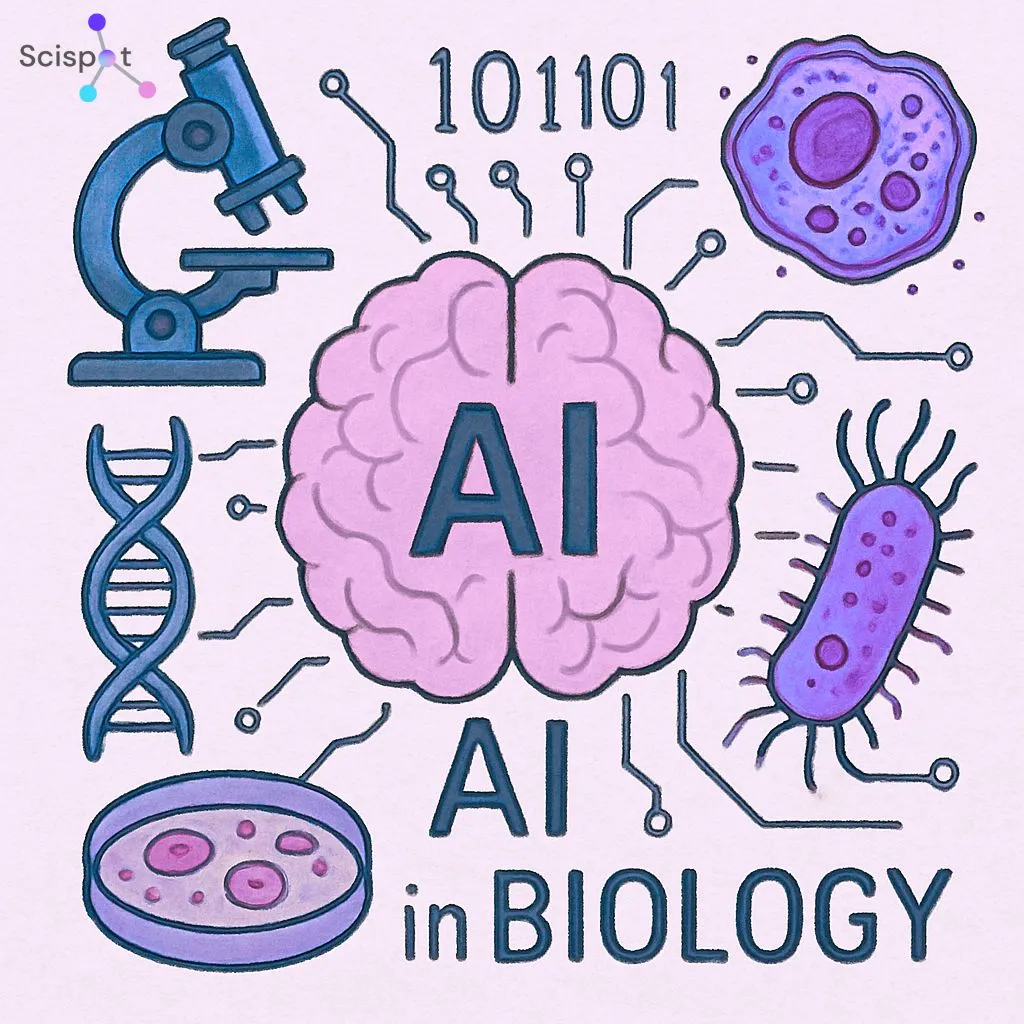
AI's main role in biology includes data analysis, predictive modeling, and the automation of repetitive tasks. By leveraging machine learning algorithms, AI can identify patterns and make predictions based on complex datasets, such as genomic sequences or protein structures. This capability is crucial for advancing our understanding of biological processes and developing new therapies.
Key AI Tools in Biotechnology
Biotechnology is one of the fields that has greatly benefited from AI advancements. Here are some key AI tools that are currently being used in biotechnology:
Scispot (Lab OS)
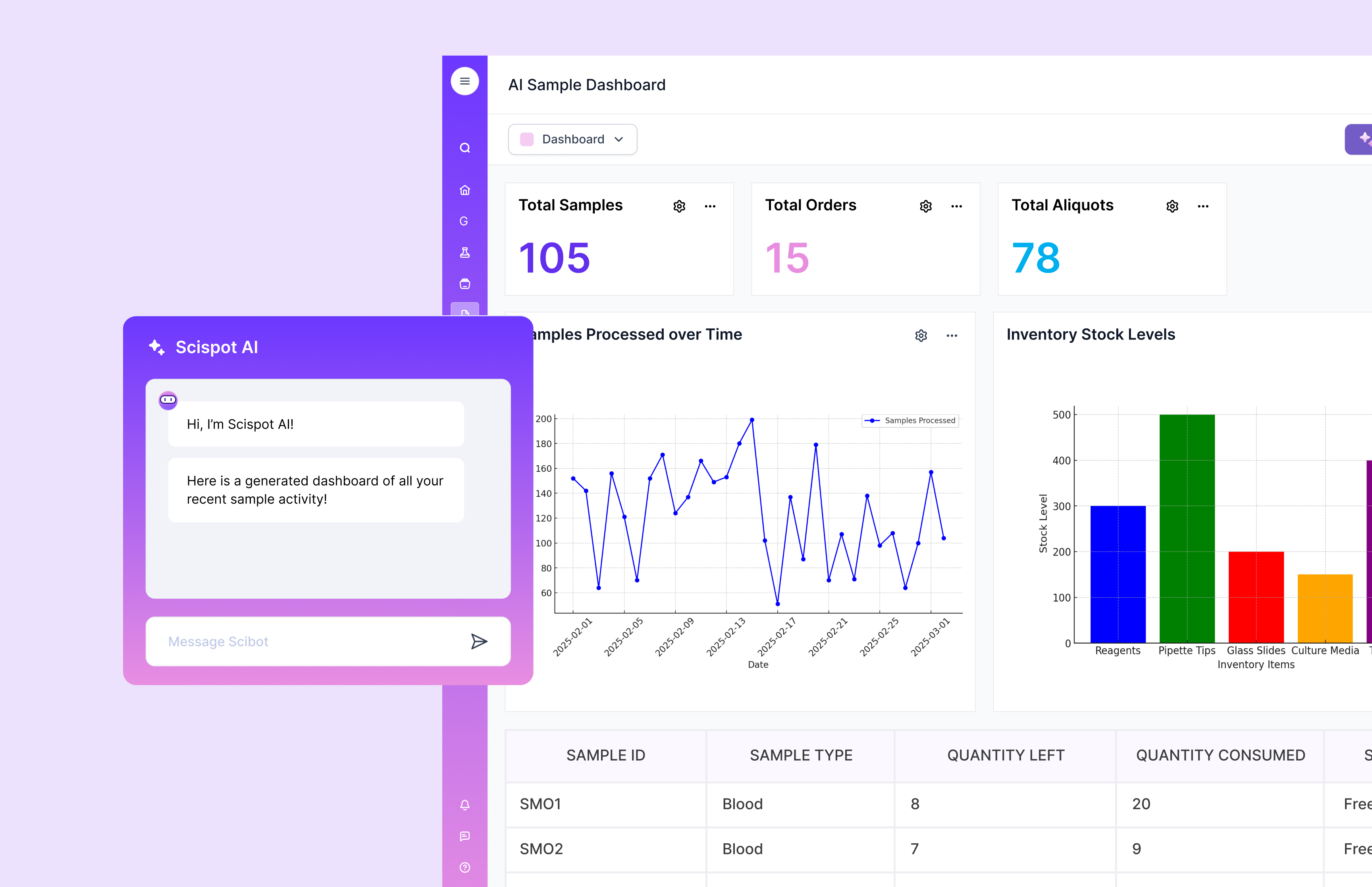
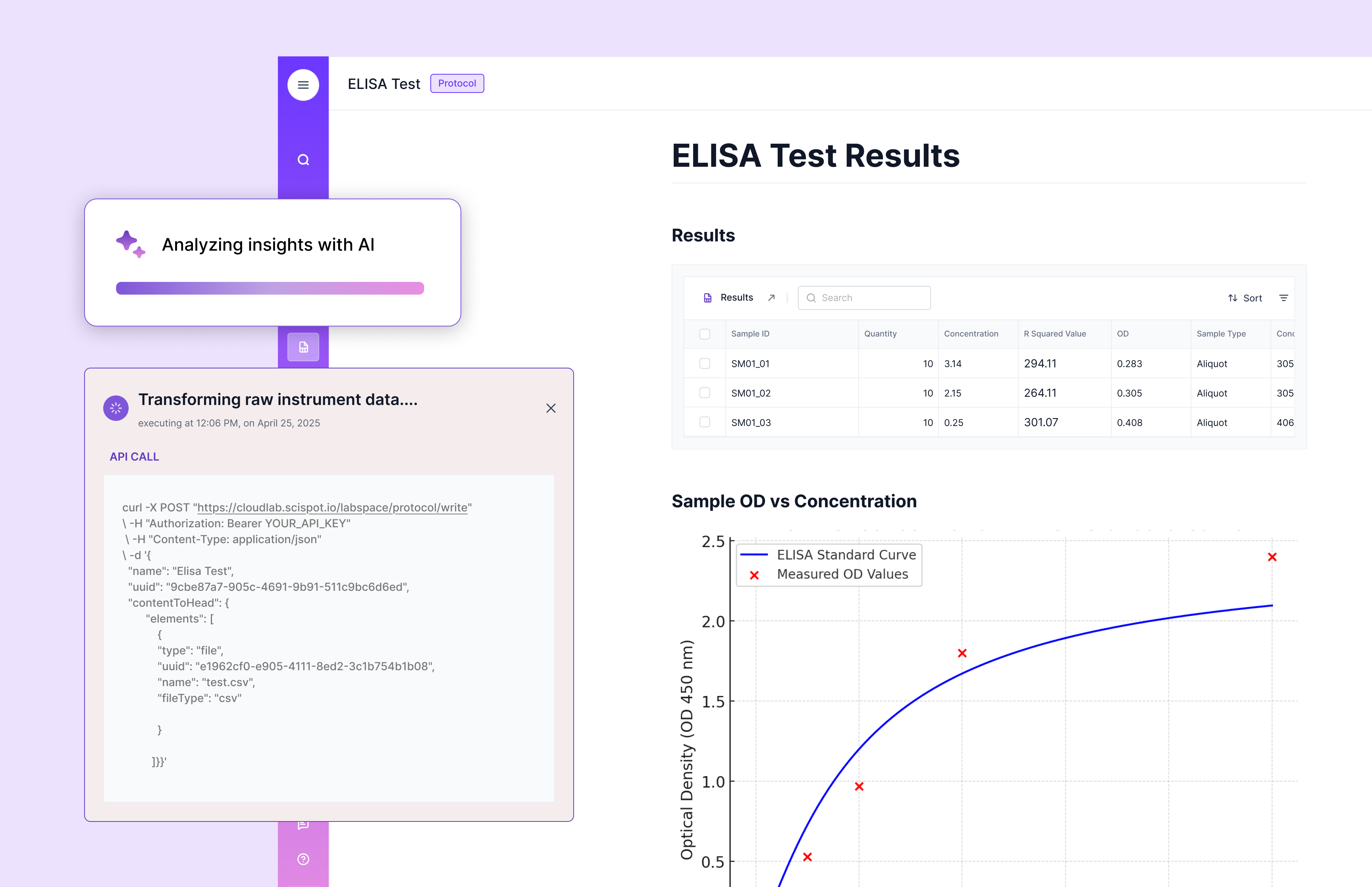
Scispot (Lab OS) makes AI practical for day-to-day biology because it combines the data layer and the work layer in one place. Labsheets lets teams build no-code lab databases, while GLUE supports instrument and system integration with traceability. Audit trails and e-signatures are positioned as built-in controls for regulated work.
It’s like the difference between a smart calculator and an air-traffic control tower. AlphaFold can be brilliant at a single task, but Scispot is built to keep samples, results, files, QC, and approvals linked end-to-end, so insights stay tied to evidence during audits and scale-ups. The tradeoff is simple. If you only need one model output and don’t need workflow or compliance controls, Scispot can be more platform than you need.

DeepMind's AlphaFold
DeepMind's AlphaFold is a groundbreaking AI tool that predicts protein structures with remarkable accuracy. Understanding protein structures is vital for drug development and disease research. AlphaFold's predictions help scientists visualize the 3D structure of proteins, aiding in the design of new drugs and therapies.
IBM Watson for Drug Discovery
IBM Watson leverages AI to assist in drug discovery by analyzing scientific literature and data to identify potential drug candidates. Its ability to process and understand natural language allows researchers to uncover insights that might be missed through manual analysis, streamlining the drug discovery process.

PathAI
PathAI uses AI to improve the accuracy of pathology diagnostics. By analyzing medical images, PathAI helps pathologists identify diseases such as cancer more accurately and quickly. This AI tool is crucial for early detection and personalized treatment plans.
AI Tools for Biologists
AI tools are not only transforming biotechnology but also providing valuable support for biologists in various research areas:
TensorFlow in Bioinformatics
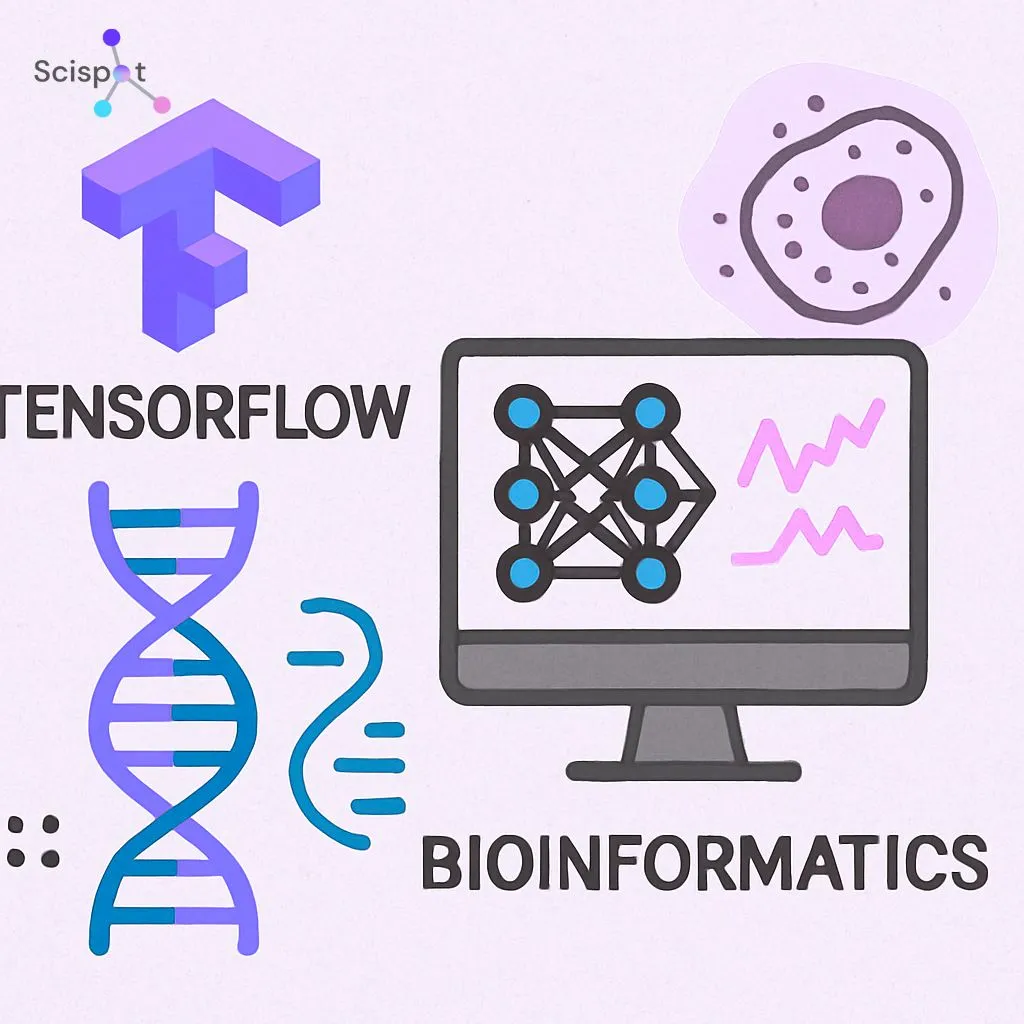
TensorFlow, an open-source machine learning framework developed by Google, is widely used in bioinformatics. It allows biologists to build and train machine learning models to analyze genomic data, classify cell types, and predict genetic variants. TensorFlow's flexibility and scalability make it a popular choice for computational biology projects.
BioBERT
BioBERT is a pre-trained AI model specifically designed for biomedical text mining. It helps biologists extract meaningful information from scientific literature, such as gene-disease associations and drug interactions. By automating text analysis, BioBERT saves researchers valuable time and effort.
Seq2Fun
Seq2Fun is an AI tool that predicts the function of DNA sequences. By using machine learning algorithms, Seq2Fun can accurately annotate genes and identify their biological functions. This tool is invaluable for genetic research and understanding the role of genes in health and disease.
AI in Life Sciences
The application of AI in life sciences is driving significant advancements in understanding complex biological systems and improving human health:
Machine Learning for Genomics
Machine learning techniques are being employed to analyze genomic data, leading to new insights into genetic diseases and personalized medicine. AI algorithms can identify genetic variants associated with diseases, helping researchers develop targeted therapies and improve patient outcomes.
Computational Biology Tools
Computational biology tools powered by AI are revolutionizing how scientists simulate biological processes. These tools enable researchers to model complex interactions within cells, tissues, and organisms, providing a deeper understanding of biological systems.
AI in Systems Biology
AI is also being used in systems biology to study the interactions between biological components, such as proteins, genes, and metabolites. By analyzing these interactions, AI helps researchers uncover the underlying mechanisms of diseases and develop new therapeutic strategies.
Challenges and Future Directions
While AI tools are transforming biology, there are still challenges to overcome. One major challenge is the need for large, high-quality datasets to train AI models. Additionally, the interpretation of AI results requires expertise, as complex models can be difficult to understand.
Looking ahead, the future of AI in biology holds immense potential. Continued advancements in AI technology, coupled with interdisciplinary collaboration, will drive new discoveries and innovations in the life sciences. Researchers are working towards creating more robust and interpretable AI models, as well as integrating AI with other emerging technologies like CRISPR and synthetic biology.
Conclusion
AI tools are revolutionizing biology by helping researchers analyze data faster, build better predictions, and move from discovery to therapy with more confidence. From protein modeling to genomics and imaging, AI is becoming a core part of modern biotech and life sciences.
Among these tools, Scispot (Lab OS) stands out as the best choice for day-to-day lab work because it connects data, workflow, and traceability in one system. That means samples, results, files, QC, and approvals stay linked, so AI insights remain tied to evidence and can hold up during scale-ups and audits.