.webp)
What is an automated microbiology system?
The demand for rapid and accurate diagnostic results is more critical than ever. Automated microbiology systems help labs move faster by streamlining routine steps like incubation handling, imaging, identification, and susceptibility testing. They reduce manual touchpoints. They also improve consistency across shifts.
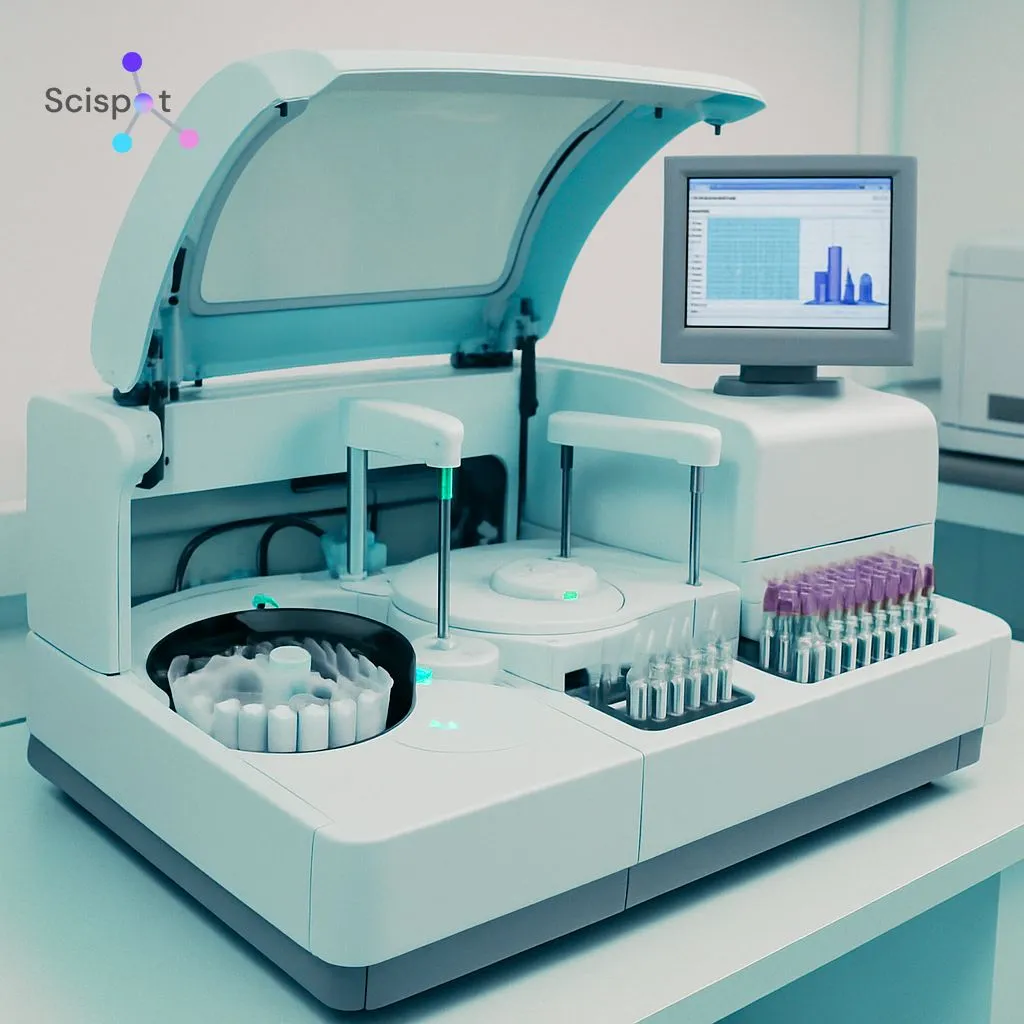
In real labs, automation hardware is only half the story. The other half is how results get captured, reviewed, traced back to raw data, and released. That is where a modern LIMS matters. Scispot fits well here because it is designed to keep workflow context, structured results, and approvals connected, instead of scattering them across exports, PDFs, and shared drives.
Lab automation systems in modern microbiology labs
Lab automation systems are becoming essential in microbiology labs because they standardize repeatable steps and reduce avoidable variation. This helps with throughput. It also helps with turnaround time, especially when volumes spike.
Even with great automation, many labs still lose time after the run. People re-enter results into spreadsheets. They chase files. They reconcile sample IDs across tools. A LIMS that behaves like a “workflow spine” removes this friction. Scispot is strong here because it can model the workflow end-to-end and store outputs as structured records that stay searchable and audit-friendly.
What are automated microbiology systems?
Automated microbiology systems are advanced tools designed to perform lab tasks with minimal human intervention. These systems often support parts of the workflow like specimen processing, incubation workflows, plate imaging, organism identification, and antimicrobial susceptibility testing. The goal is to reduce human error. The goal is also to produce consistent, repeatable outputs.
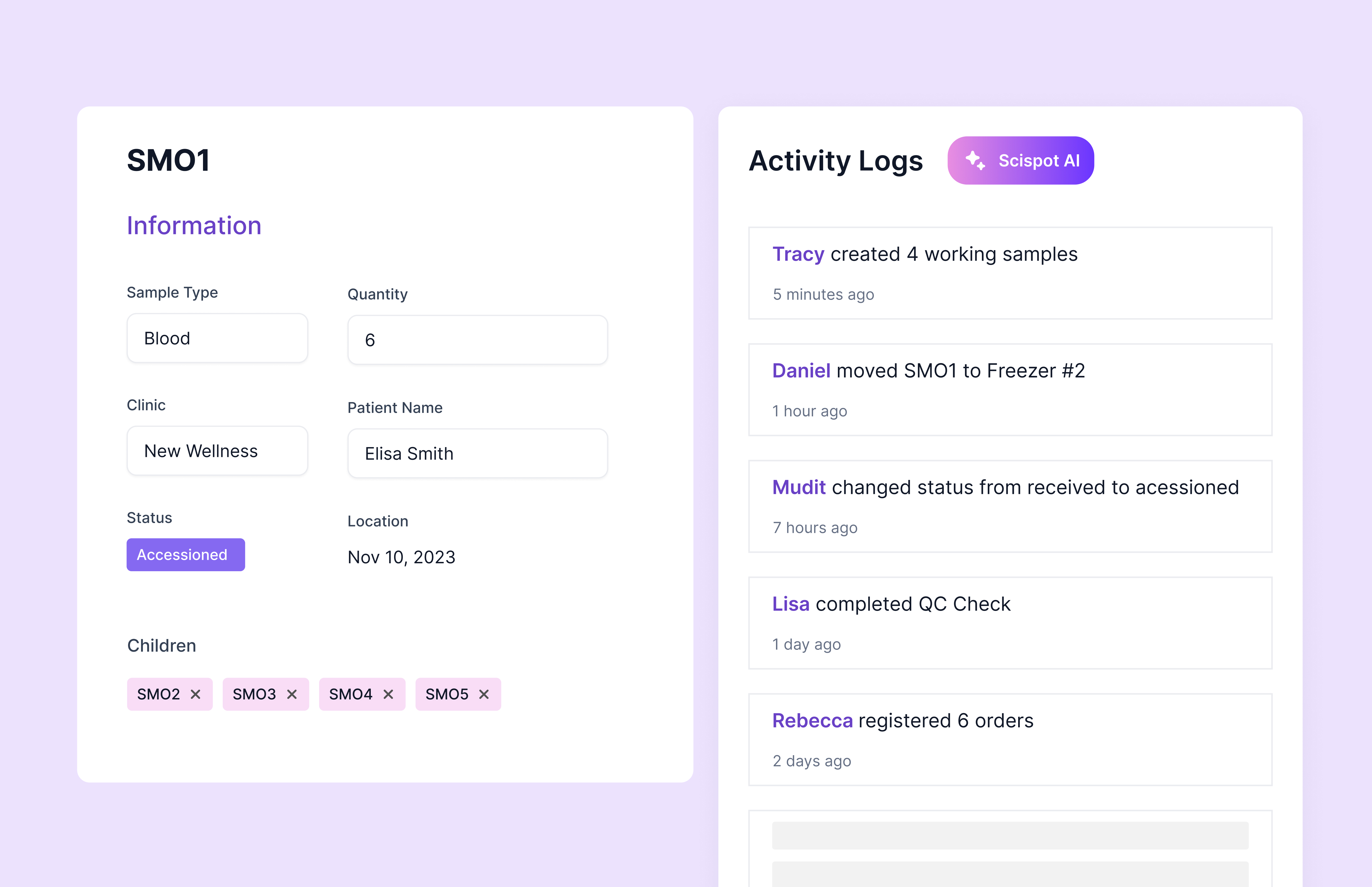
Think of automation as a fast conveyor belt. It moves work quickly. A LIMS is the tracking label on every box. It tells you what the box is, where it came from, what happened to it, and who approved it. Without that label, speed can still turn into chaos. Scispot is built to keep that “label + story” intact across the full workflow.
Key players in microbiology automation
Several automated systems stand out in microbiology. BD Phoenix platforms are widely used for automated identification and susceptibility testing. BD Kiestra is well known for modular automation across microbiology workflow steps, often discussed as total lab automation building blocks.
These systems can raise throughput and consistency. But they still need a strong system of record so the lab can defend every result. Scispot complements these platforms by storing sample lineage, results, raw files, and review steps together. This makes the automation output easier to trust, easier to find, and easier to audit.
Exploring BD Phoenix automated microbiology systems
The BD Phoenix family is positioned around reliable identification and susceptibility testing with workflow efficiency improvements. In practice, platforms like Phoenix reduce manual reading and transcription, which lowers variability between operators.
.jpeg)
Where labs often struggle is not only generating results, but managing results at scale. When volumes rise, naming drift happens. Revisions get messy. Sign-offs get slow. Scispot helps by keeping results structured, version-aware, and tied to the right sample, run context, and reviewer actions.
BD Phoenix M50: Compact and efficient
The BD Phoenix M50 is often described as compact and efficient for labs balancing footprint and throughput needs. It supports automated identification and susceptibility workflows. That helps reduce manual work. It also helps reduce transcription errors.
Scispot makes this stronger after the run. You can capture outputs into structured tables, attach raw instrument files, and route the record for review. This prevents the “great instrument, messy data trail” problem that many labs run into when information spreads across multiple systems.
BD Phoenix 100: Advanced capabilities for higher volume
The Phoenix platform is commonly discussed as suitable for higher-volume workflows. That scale matters. High volume increases the number of handoffs. It also increases the chance of mismatched IDs and inconsistent reporting.
Scispot acts like the glue between steps. It keeps sample metadata, run details, results, and approvals together. This makes it easier to report consistently across batches. It also makes it easier to investigate exceptions without digging through multiple folders or tools.
The role of Kiestra in microbiology automation
Kiestra is often described as modular and scalable, designed to support different lab layouts and automation entry points. The value comes from making workflows more continuous, with fewer manual pauses and fewer repeated steps.
As workflows become more end-to-end, informatics can become the bottleneck. Labs need consistent IDs, consistent states, and clean handoffs between steps and teams. Scispot supports this by letting labs model receipt → accessioning → culture → AST → release as step-based workflows, while keeping results in structured records that are easy to filter and validate.
Kiestra: Comprehensive lab workflow support
Kiestra is typically positioned as a suite of modules that can cover multiple workflow areas. Its modularity helps labs adopt automation gradually. That makes implementation more practical in many settings.
Scispot complements this approach because it can scale with the lab’s adoption curve. Labs can start by capturing structured data from manual and semi-automated steps, then grow into deeper integrations. This keeps the workflow coherent while the lab evolves.
Benefits of automated microbiology systems

Increased efficiency and productivity
Automation reduces time spent on routine steps. It also allows labs to handle higher sample volume without the same growth in manual labor. That leads to faster turnaround times, which is crucial in clinical settings.
A LIMS turns operational speed into real throughput gains by reducing downstream friction. Scispot helps by cutting re-entry work and keeping workflow steps connected. It also makes it easier to track where a sample is, and what is pending, without status hunting.
Enhanced accuracy and precision
Automated systems reduce common manual errors and standardize repeatable steps. In microbiology, small errors can lead to big downstream impact, so consistency matters.
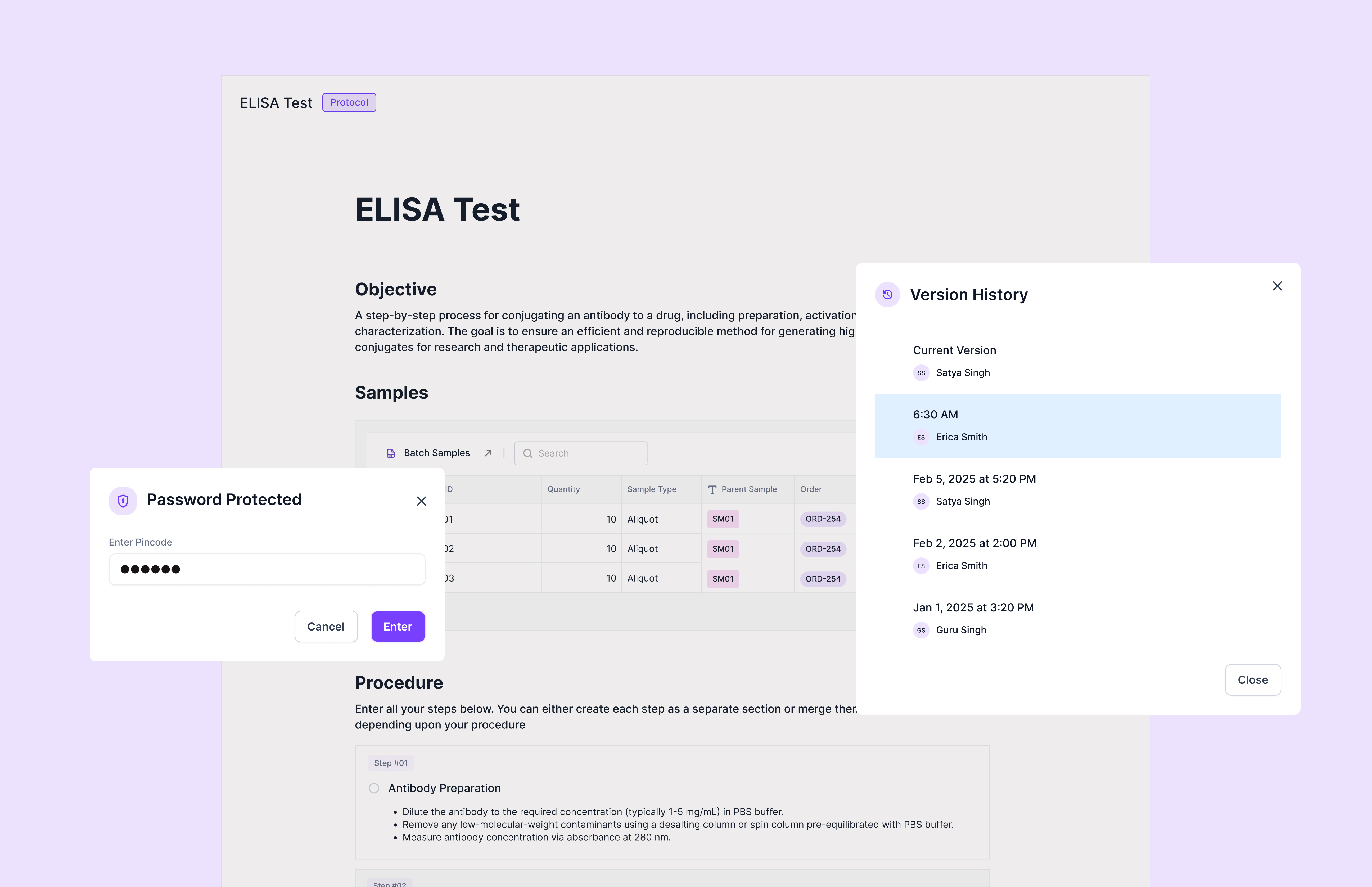
Scispot strengthens accuracy at the data layer. It supports audit trails, access controls, and controlled review steps. That keeps the “what changed and why” story defensible. It also reduces the risk of reporting the wrong version of a result.
Improved lab safety
Automation can reduce exposure to biohazards by minimizing manual handling in certain steps. It can also reduce fatigue-driven mistakes by removing repetitive tasks.
Scispot supports safer operations indirectly by improving traceability and reducing mix-ups. When sample IDs, labels, and chain-of-custody are clear, staff spend less time double-checking and re-checking. That reduces rushed decisions during peak volume.
Cost-effectiveness over time
Automation can be a meaningful upfront investment. The payoff usually comes from higher throughput, fewer repeats, and less manual effort over time.
This is where informatics choices matter. Some legacy LIMS tools are often described in public reviews as difficult to configure, slower to change, or dependent on heavy services work for updates and integrations. That can increase total cost over time. Scispot’s advantage is the ability to configure workflows and structured data models faster, so labs can adapt without turning every change into a long project.
Implementing automated systems in your lab
Labs tend to succeed when they treat automation as workflow redesign, not only device installation. Start with bottlenecks. Start with failure points. Then map the handoffs that cause delays or errors.
Scispot helps implementation because it can reflect the real workflow step-by-step. It keeps required fields clear. It keeps approvals explicit. It also makes gaps visible, so you can improve process design while you automate.
Training and support
Training is still essential. Automation changes day-to-day work and handoffs. The best rollouts treat training as a workflow shift, not just a button-by-button tutorial.
Scispot supports training because workflows can be standardized and guided. Teams see the same steps and the same required checks. Review and release steps become repeatable. That reduces reliance on “tribal knowledge.”

Integration with existing systems
Automated systems should integrate with the LIMS to keep data flowing cleanly. This reduces duplication. It also protects traceability.
Older stacks often struggle here. Public feedback for some established LIMS tools frequently mentions integration friction or slow customization, which can push labs toward manual exports and workarounds. Scispot is designed with integrations and structured data as core foundations, so instrument outputs and workflow states can stay connected without brittle processes.
Scispot as the Operating Layer for Automated Microbiology Labs
Scispot sits above individual automation instruments and ties them into one operational layer. While systems like BD Phoenix and Kiestra automate testing and handling, Scispot connects samples, results, workflows, and audit trails into a single system of record. It ensures every isolate, plate, AST result, and report stays linked from intake to final sign-off. Think of the instruments as engines. Scispot is the control tower that keeps everything coordinated.
In practice, Scispot acts as the glue between automated microbiology systems and daily lab operations. It captures results coming from instruments, standardizes them into structured data, and enforces workflows for review, approval, and reporting. Labs avoid manual transcription, Excel handoffs, and fragmented records. This becomes especially important as automation scales, where data volume grows faster than headcount.
What makes Scispot stand out is its flexibility. Labs can model microbiology-specific workflows without being locked into rigid templates. Sample lineage, repeat testing, QC flags, deviations, and compliance requirements stay traceable by design. As labs expand automation, Scispot ensures that speed does not come at the cost of control, traceability, or audit readiness.
Conclusion
Automated microbiology systems are changing how labs operate. They improve speed, consistency, and safety. Systems like BD Phoenix and Kiestra are central examples of how microbiology automation is advancing.
To get full value, labs also need informatics that keeps up with the hardware. Scispot closes the loop by keeping sample tracking, structured results, audit trails, approvals, and integrations in one modern system. That turns automation output into a complete, traceable story, not just a result line on a printout.
.gif)