


.webp)
science data management
In today’s information-driven era, the role of science data management has become increasingly significant. The ability to efficiently manage, analyze, and utilize data is pivotal for research, decision-making, and project success across various fields, including data science risk management, construction management, and sports management. This article delves into the importance of managing scientific data effectively, offering insights and strategies to harness the power of data.

Understanding Science Data Management
Science data management involves the organization, storage, and sharing of data generated during scientific research. It encompasses a range of activities from data collection to data governance, ensuring that data remains accessible and usable for future research.
Importance of Data Management in Research
Managing research data efficiently is crucial for several reasons:
- Data Quality and Integrity: Proper data management ensures the accuracy and reliability of research data, which is essential for credible scientific findings.
- Facilitating Collaboration: Well-organized data fosters collaboration among researchers, enabling data sharing and integration across different studies and disciplines.
- Compliance and Accountability: Adhering to data governance and management practices ensures compliance with regulations and ethical standards, enhancing accountability.
The Role of Data Science in Risk Management
Data science plays a vital role in risk management by utilizing data analysis to identify, assess, and mitigate risks. By employing advanced analytics, organizations can make informed decisions and minimize potential threats.
.jpeg)
Key Applications in Risk Management
- Predictive Analysis: Data science uses historical data to forecast potential risks, allowing organizations to take proactive measures.
- Real-time Monitoring: Continuous data analysis enables real-time risk assessment, facilitating swift responses to emerging threats.
- Risk Assessment Models: Data science provides tools to develop risk assessment models that can simulate various scenarios and outcomes.
Data Management in Construction Management
In construction management, data plays a critical role in project planning, execution, and completion. Effective data management ensures that project data is organized, accessible, and actionable.
Benefits of Data Management in Construction
- Project Efficiency: Streamlined data processes enhance project efficiency by reducing delays and minimizing errors.
- Resource Allocation: Data analysis aids in optimal resource allocation, ensuring that materials, labor, and equipment are utilized effectively.
- Safety and Compliance: Proper data management helps maintain safety standards and compliance with regulations through accurate record-keeping and reporting.

Data Science in Sports Management
The data science of sports management, as explored by experts like Barton Poulson, highlights how data-driven insights can revolutionize sports strategies and performance.
Transformative Impact of Data Science
- Performance Analysis: Data analysis provides insights into player performance, helping coaches and managers make informed decisions.
- Injury Prevention: Predictive models identify potential injury risks, allowing for preventive measures to be implemented.
- Fan Engagement: Data-driven strategies enhance fan engagement by personalizing experiences and optimizing marketing efforts.

Effective Data Storage and Organization
Data storage and organization are fundamental components of science data management, ensuring that data remains secure and accessible.
Best Practices for Data Storage
- Centralized Storage Solutions: Utilize centralized databases and cloud storage solutions to maintain data integrity and facilitate easy access.
- Regular Backups: Implement regular data backup protocols to prevent data loss and ensure data recovery in case of system failures.
- Data Security Measures: Protect sensitive data through encryption, access controls, and cybersecurity measures to prevent unauthorized access.
Organizing Data for Maximum Utility
- Standardized Naming Conventions: Use consistent naming conventions for files and folders to enhance data organization and retrieval.
- Metadata Utilization: Incorporate metadata to provide context and improve data discoverability and usability.
- Data Lifecycle Management: Implement data lifecycle management practices to ensure data remains relevant and is archived or deleted when no longer needed.
.jpg.webp)
Data Governance and Sharing
Data governance involves the management of data availability, usability, integrity, and security, ensuring that data is handled responsibly.
Principles of Data Governance
- Data Stewardship: Assign data stewards to oversee data management and ensure compliance with policies and standards.
- Policy Development: Develop comprehensive data governance policies that outline roles, responsibilities, and procedures for data management.
- Ethical Considerations: Address ethical considerations in data sharing and usage to protect privacy and intellectual property rights.
Facilitating Data Sharing
- Open Data Initiatives: Encourage open data initiatives to promote transparency and collaboration among researchers and institutions.
- Interoperability Standards: Adopt interoperability standards to enable seamless data integration and sharing across different platforms and systems.
- Collaboration Platforms: Utilize collaboration platforms to facilitate data sharing and communication among research teams and stakeholders.
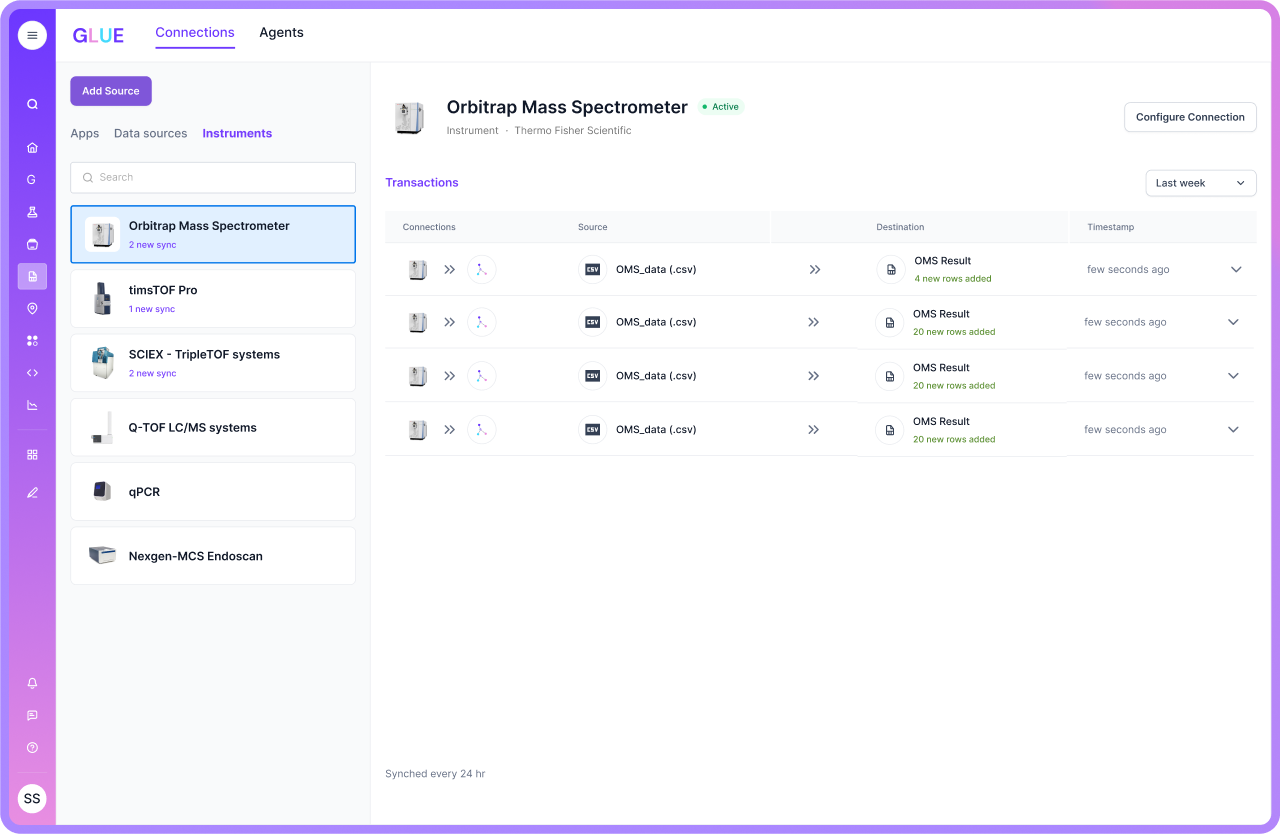
Why Scispot Is the Premier Tool for Science Data Management
Scispot offers an AI-powered Lab Operating System (LabOS) that optimizes science data management, specifically designed to streamline data collection, analysis, and collaboration. Unlike traditional solutions, Scispot integrates ELN, LIMS, SDMS, and QMS into a unified system, ensuring researchers have a central, accessible hub for all their data. This approach not only improves data accuracy but also accelerates decision-making, enabling faster and more effective scientific advancements. Whether it’s handling massive datasets or ensuring compliance with industry regulations, Scispot’s data management system offers unparalleled flexibility and scalability for research teams.
With Scispot, collaboration is seamless. The system fosters cross-disciplinary teamwork by allowing users to easily share, analyze, and visualize data through advanced AI-driven analytics and customizable dashboards. From predictive analytics in risk management to real-time data monitoring in clinical trials, Scispot’s capabilities empower teams to make data-driven decisions that significantly enhance research outcomes. By leveraging Scispot’s tools, research teams can manage data efficiently, stay compliant, and ultimately accelerate scientific discoveries.

Conclusion
Science data management is the cornerstone of successful research and innovation. By leveraging the power of tools like Scispot, organizations can unlock the full potential of their data, driving smarter decision-making, faster results, and more impactful discoveries. With its AI-driven capabilities and seamless integrations, Scispot stands out as the best tool for labs aiming to optimize their data management practices.


%20Comprehensive%20Guide.avif)
.webp)