

.webp)
What should I consider when choosing a mechanical testing lab?
Think about a bicycle pedal snapping just as a rider pushes uphill. You may know the metal can hold static weight. That does not tell you how it will hold up after years of repeated force. Material strength and real-world durability are not the same thing.
A cheap testing quote may look good at first. But fixing a recall later can cost far more than testing well at the start. When you hire a mechanical testing lab, you are not just paying for numbers in a spreadsheet. You are paying for risk control and proof you can stand behind.
That is why lab selection takes more than a glance at shiny equipment. You need reports that will hold up if a product fails in the field. You need people who can turn complex test data into clear answers about product safety and performance. Here is what to look at before you trust an outside lab with your reputation.

Decoding the language of strength: what common tests actually tell you
A list of mechanical tests can feel like a lot when all you want to know is whether your product will survive normal use. It helps to think of these tests as controlled ways to mimic worst-case stress. Once you know what each one measures, it gets much easier to judge whether a lab fits your project.
To match the right test to the way your product is used, start with these three common checks:
Tensile strength (the tug-of-war): This measures how much force a material can take when pulled from both ends before it stretches for good or breaks. It matters for weight-bearing products like tow ropes or shelving.
Hardness testing (the dent test): Think about pressing your thumb into a peach versus a block of wood. This test measures how well a material resists surface damage and scratching. That matters for things like car door handles or metal gears.
Impact testing (the sudden drop): This shows how a product handles a sudden hit. It helps answer whether a plastic housing will crack or shatter when dropped on concrete.
When you see a part pushed to failure, the point of the test becomes very clear. A good lab does more than break the sample. It records when the failure happened, where it happened, and why.
Knowing which test to ask for is only part of the job. Labs work under strict global standards. That is where ASTM and ISO rules matter. They help make sure a test done in one city matches a test done somewhere else. The next question is simple: how do you know the lab can follow those rules the right way?
Why ISO 17025 is the driver’s license for laboratories
Hiring a driver because they keep a clean car makes no sense. Choosing a lab with the wrong credential is a lot like that. When you compare testing labs, you will often see ISO 9001. That standard shows a company has organized processes and basic management systems. It does not prove technical testing skill. For that, the standard that matters is ISO 17025.
ISO 17025 is the benchmark for testing labs. It shows that an outside body has checked the lab’s equipment, methods, and technical ability. In simple terms, it is the lab’s driver’s license.
Still, the logo alone is not enough. You need to check the lab’s accreditation scope. A lab may be accredited to test rubber parts but not steel hardware. If you ask for a test outside that approved scope, the result may carry no weight in an audit or a liability case. Saving a little money there can create a much bigger legal problem later.
The smart move is to ask for the official scope document before you send samples. Once you know the lab is approved to run the tests you need, then you can look at the rest of the experience. Technical accuracy is the floor, not the ceiling. The lab also has to fit your timeline and the way your team works.
The professional vetting checklist: moving beyond the price tag
A long delay in results can hold up a major product launch. In many cases, turnaround time matters more than the test fee itself because the real cost sits in the schedule slip. It also helps to check how easy the lab is to work with. Can you call and talk to the engineer who handled your sample, or do you get pushed into a generic inbox?
If you want a smoother certification process, set clear criteria before you sign anything. These five questions are a good place to start:
- Do you guarantee a turnaround time for standard tests?
- Can our team speak directly with your technical staff?
- Do your reports include a plain-English summary?
- Will we have a dedicated project manager?
- How fast will you notify us if a sample fails unexpectedly?
A strong lab gives you useful answers, not just raw data with no context. The report should help you decide what to do next. If the lab cannot explain what the results mean for product safety or performance, the low quote may not be a bargain at all. That is often where the cheapest outsourced testing starts to lose value.
Avoiding the cheap lab trap: common pitfalls in outsourced characterization
A low quote feels good in the moment. But very cheap labs often cut corners where it matters most. The real issue is data integrity. You need to trust that the results are accurate, controlled, and untouched.
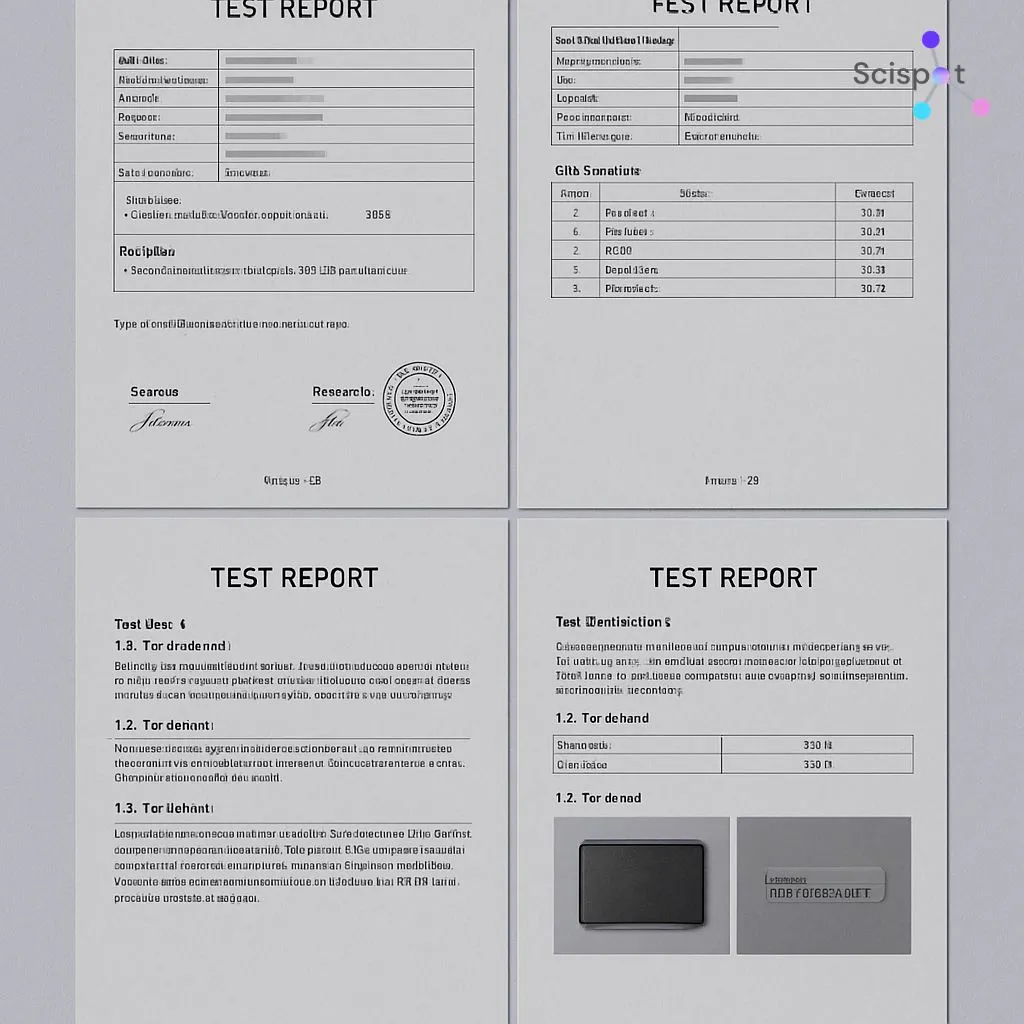
One early warning sign is vague paperwork. Another is missing or outdated calibration records. Those records prove the equipment measures correctly, much like a store scale that has been checked and reset. If a lab gives you broad statements instead of clear and calibrated values, it becomes hard to trust the result.
Good documentation is also what protects you if a product liability issue comes up later. It gives you proof that your safety testing can stand up to an audit or a court review. A discounted report that leaves out method details may fall apart as soon as someone questions it. That is why many companies end up asking whether it makes more sense to build testing in-house or work with a third party.
How Scispot supports modern mechanical testing labs
Scispot is a strong digital fit for mechanical testing labs that have outgrown scattered spreadsheets, email threads, and PDF reports. It helps bring sample intake, test requests, method tracking, instrument data, result review, approvals, and final reporting into one connected system.
That gives teams clear traceability across every sample, test condition, revision, and result. That kind of record matters when labs need defensible data for audits, client reviews, or failure investigations. For growing mechanical testing labs, Scispot also helps standardize workflows, reduce manual errors, improve visibility into turnaround times, and give both technical teams and business stakeholders a clearer view of lab work.
Third-party vs. in-house: when does outsourcing make financial sense?
The choice between building your own lab and hiring one often comes down to cost. Equipment is expensive. Calibration costs money. Skilled technicians cost money too. If you only need testing now and then, outsourcing usually makes more financial sense because you pay only for the data you need.
There is also a trust factor. An outside lab adds credibility because it has no stake in your product succeeding. For regulatory work, that neutrality can matter a lot. Third-party data can help remove questions about internal bias and make approvals easier.
You should also think about the kind of parts you test. If you work with costly prototypes, destructive testing may not always be the best fit. Non-destructive testing, or NDT, uses methods like ultrasound to inspect a part without breaking it. That can protect valuable prototypes and reduce waste. The best testing path is the one that gives you reliable answers without creating extra cost.
Your roadmap to a reliable testing partnership
At this point, the process should feel a lot less abstract. The goal is not just to buy one report. The goal is to build a testing process that protects your product and your business.
Use this framework to decide:
Shortlist by proof: Focus on labs with the right ISO accreditation, a valid scope, and good communication.
Run a pilot test: Send one sample first. Check their turnaround time, report quality, and how easy they are to work with.
Build the relationship: Once you find a lab that works, keep the partnership going. That makes future compliance and product updates much easier.
Ask yourself one simple question. Does your current testing setup give you real confidence before launch? If not, review your options and run a pilot with a strong lab candidate. You are not just testing a product. You are building trust in what you put into the market.