.webp)
What challenges might I face during LIMS implementation and how can I overcome them?
Implementing a Laboratory Information Management System (LIMS) can be a transformative move for laboratories, enhancing data management, streamlining workflows, and improving overall efficiency. However, like any significant change, it comes with its own set of challenges. Understanding these potential hurdles and knowing how to address them can be key to a successful LIMS implementation. In this article, we'll explore common challenges you might encounter and provide practical solutions to overcome them.
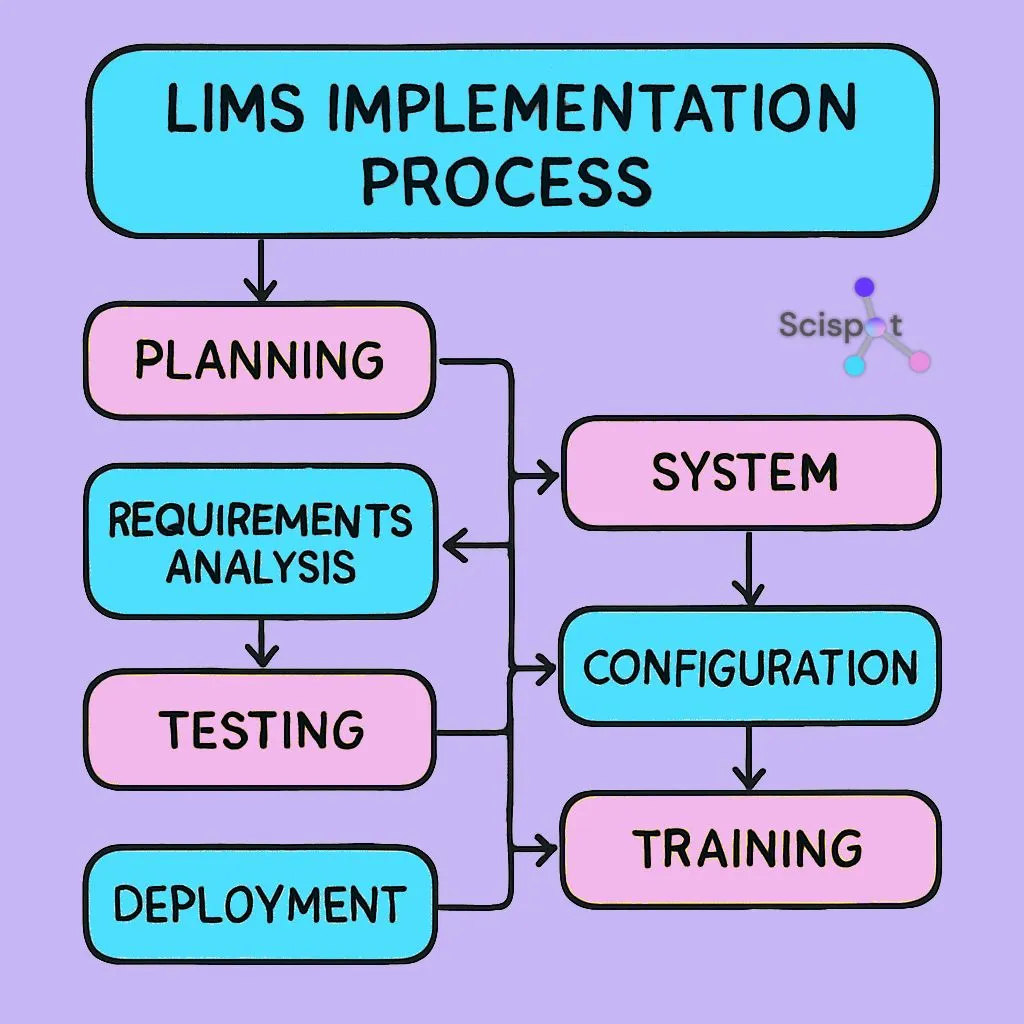
Understanding LIMS and Its Importance
Before diving into the challenges, it's essential to understand what a LIMS is and why it's important. A LIMS is a software system designed to manage laboratory data and optimize laboratory operations. It helps in tracking samples, managing associated data, and ensuring compliance with industry standards.
The Benefits of LIMS
LIMS offers numerous benefits, including improved data accuracy, better sample tracking, enhanced efficiency, and the ability to easily share and access data. These advantages make it an invaluable tool for laboratories of all sizes.
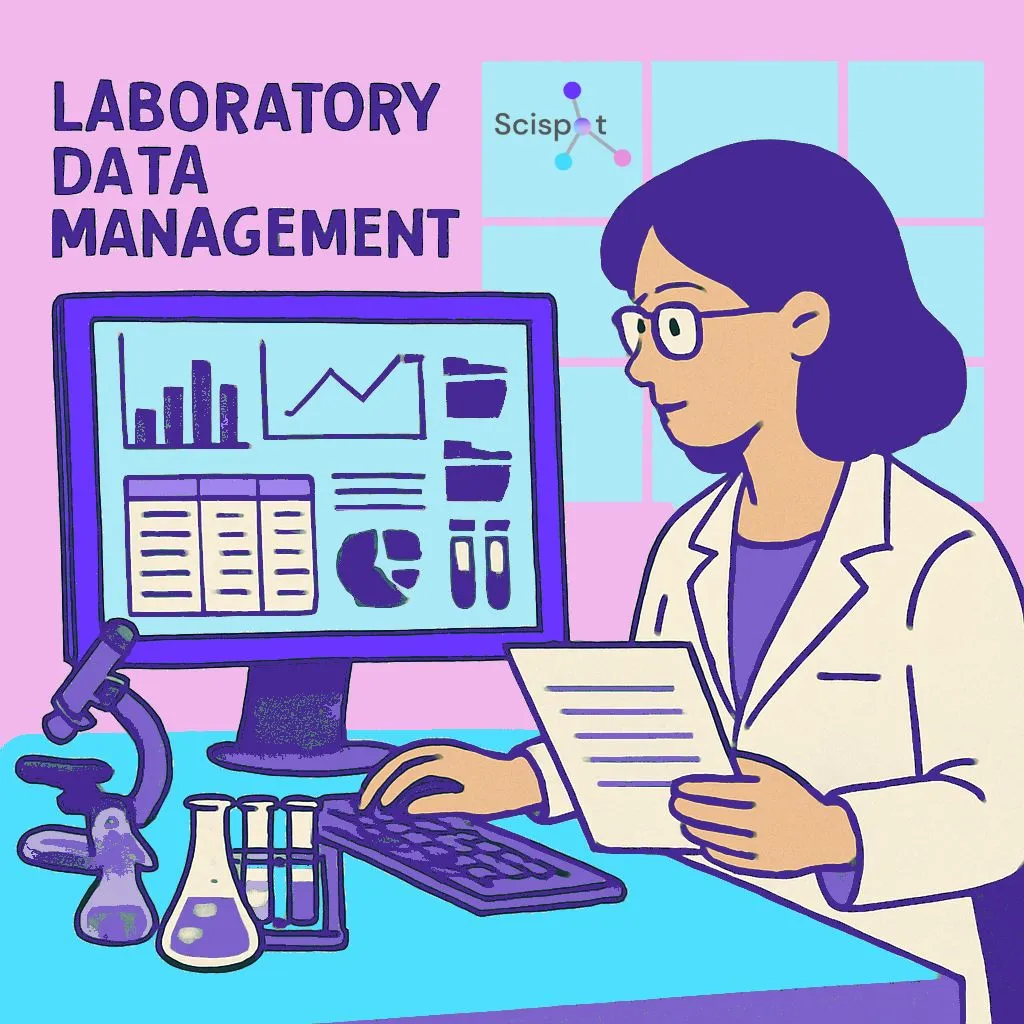
Common Challenges in LIMS Implementation
While the benefits of LIMS are clear, the path to implementation can be fraught with challenges. Here are some common issues you might face:
1. Resistance to Change
One of the most common challenges is resistance to change. Laboratory staff may be accustomed to existing processes and hesitant to adopt new systems.
Solution
To overcome resistance, involve staff early in the process. Educate them about the benefits of LIMS and how it will make their work easier. Provide comprehensive training and support to ensure they feel comfortable with the new system.
2. Data Migration Issues
Migrating existing data to a new LIMS can be complicated. There's a risk of data loss or corruption if not done correctly.
Solution
Plan your data migration carefully. Conduct a thorough audit of existing data and develop a detailed migration strategy. Consider hiring experts if necessary, and always back up data before beginning the migration process.

3. System Integration Challenges
Integrating LIMS with existing systems and instruments can be another significant challenge. Compatibility issues can arise, leading to disruptions in operations.
Solution
Choose a LIMS that offers flexibility and compatibility with your current systems. Work closely with your LIMS provider to ensure seamless integration. Test the integration thoroughly before full-scale implementation to identify and resolve any issues.
4. Customization Needs
Each laboratory has unique processes and requirements, which means a one-size-fits-all LIMS may not meet all your needs.
Solution
Work with your LIMS provider to customize the system according to your specific requirements. Prioritize essential customizations that align with your laboratory's goals and workflows. Keep in mind that excessive customization can complicate future upgrades.
5. Budget Constraints
Implementing a LIMS can be costly, and budget constraints might pose a challenge.
Solution
Develop a clear budget plan from the outset. Consider the total cost of ownership, including initial setup, training, and ongoing maintenance. Look for a LIMS provider that offers a scalable solution to match your budgetary constraints.

Scispot: The Best Solution for Overcoming LIMS Implementation Challenges
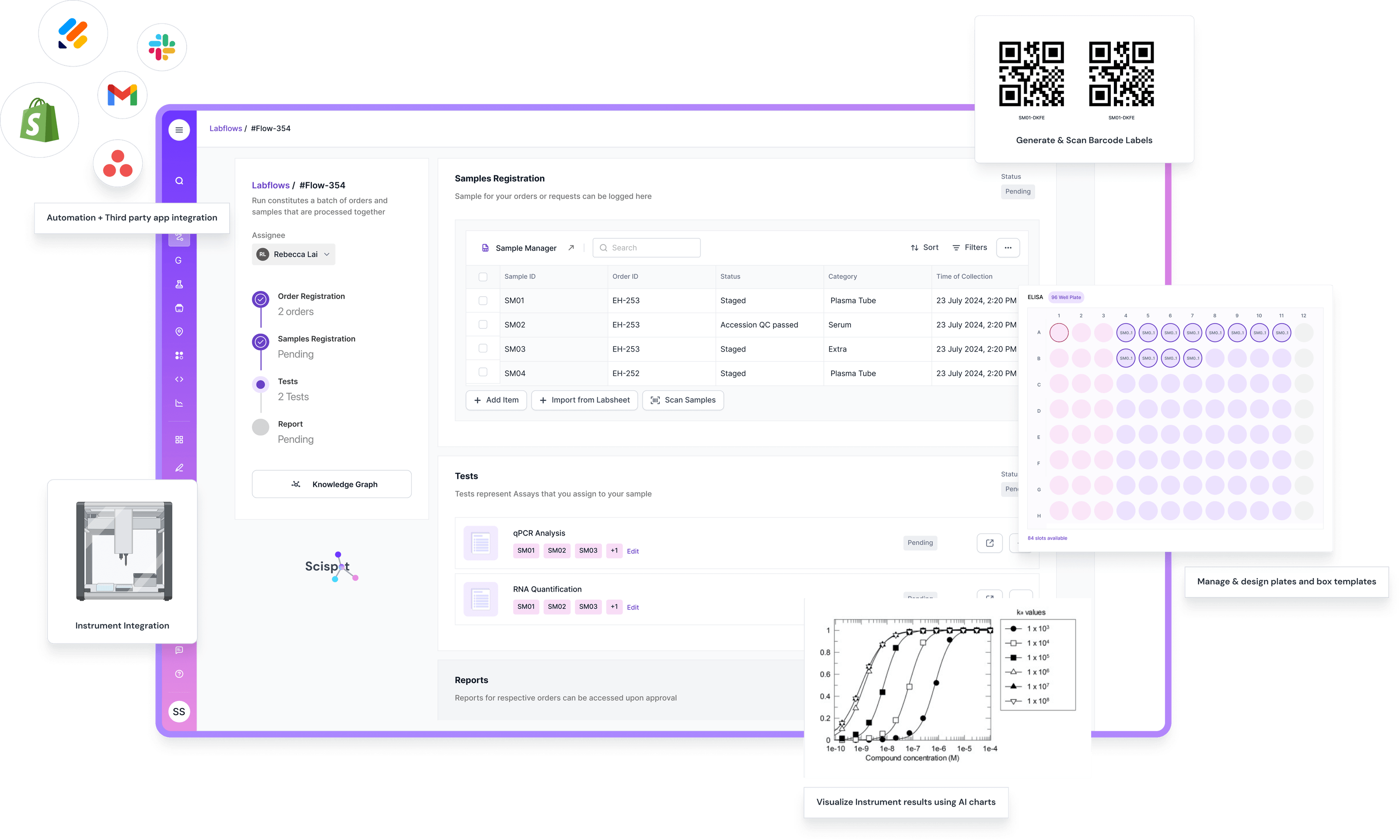
Scispot stands out as the best solution for addressing the common challenges faced during LIMS implementation. One key advantage of Scispot is its flexibility and ease of integration with existing systems and instruments, which tackles the issue of system compatibility. Many labs struggle with integrating new LIMS solutions into their established workflows, but Scispot is designed to integrate seamlessly, ensuring minimal disruption. Additionally, its customization capabilities make it an ideal choice for laboratories with unique processes, as it can be tailored to meet specific needs without excessive complexity or hindrance to future upgrades.
Another major challenge in LIMS implementation is data migration. Migrating legacy data without corruption or loss can be a daunting task, and Scispot offers robust data migration strategies, supported by a detailed audit process and expert assistance. By ensuring smooth data transfers and comprehensive backup protocols, Scispot minimizes the risk of errors during this critical phase. With a scalable pricing model, Scispot also helps labs stay within budgetary constraints, offering a cost-effective solution that grows with your lab’s needs, all while maintaining top-notch customer support throughout the implementation journey.
Steps to Ensure a Successful LIMS Implementation
With these challenges in mind, here are some steps to ensure a successful LIMS implementation:
1. Conduct a Needs Assessment
Before selecting a LIMS, conduct a thorough needs assessment. Identify the specific features and functionalities your laboratory requires. This will help you choose a system that aligns with your goals.
2. Choose the Right Vendor
Selecting the right LIMS vendor is crucial. Look for vendors with a proven track record, excellent customer support, and the ability to offer customizable solutions.
3. Develop a Detailed Implementation Plan
Create a comprehensive implementation plan that outlines each step of the process. Include timelines, resource allocation, and responsibilities. A clear plan will help keep the project on track and within budget.
4. Train Your Team
Training is a critical component of LIMS implementation. Ensure that all users receive adequate training on the system's functionalities. Consider ongoing training sessions to keep staff updated on new features and best practices.
5. Monitor and Evaluate
Once the LIMS is implemented, continuously monitor its performance. Evaluate its impact on laboratory operations and make necessary adjustments. Regular assessments will help you identify areas for improvement and ensure the system remains effective.

Conclusion
Implementing a LIMS can bring significant benefits to your laboratory, but it's not without challenges. By understanding potential issues and planning accordingly, you can navigate the implementation process smoothly. Remember, the key to success lies in careful planning, effective communication, and ongoing support. With Scispot, your laboratory can enjoy the full advantages of a well-implemented LIMS, backed by superior integration, customization, and data management capabilities.