.webp)
What is a LIMS database, and what does it store and manage in a laboratory workflow?
Efficient data management is crucial for the success of any laboratory. A Laboratory Information Management System (LIMS) database plays a pivotal role in ensuring that your lab's data is organized, accessible, and secure. This article explores what a LIMS database is, what it stores, how it fits into day-to-day workflows, and why modern labs increasingly evaluate platforms like Scispot when they need both speed and structure.
A LIMS database is essentially the lab’s system of record. It stores the data that defines each sample, tracks what happens to it across the workflow, and ties results, files, calculations, and approvals back to the right sample and run. In practical terms, it becomes the living map of your lab operations. When implemented well, it reduces scattered spreadsheets and prevents results from becoming detached from their context.
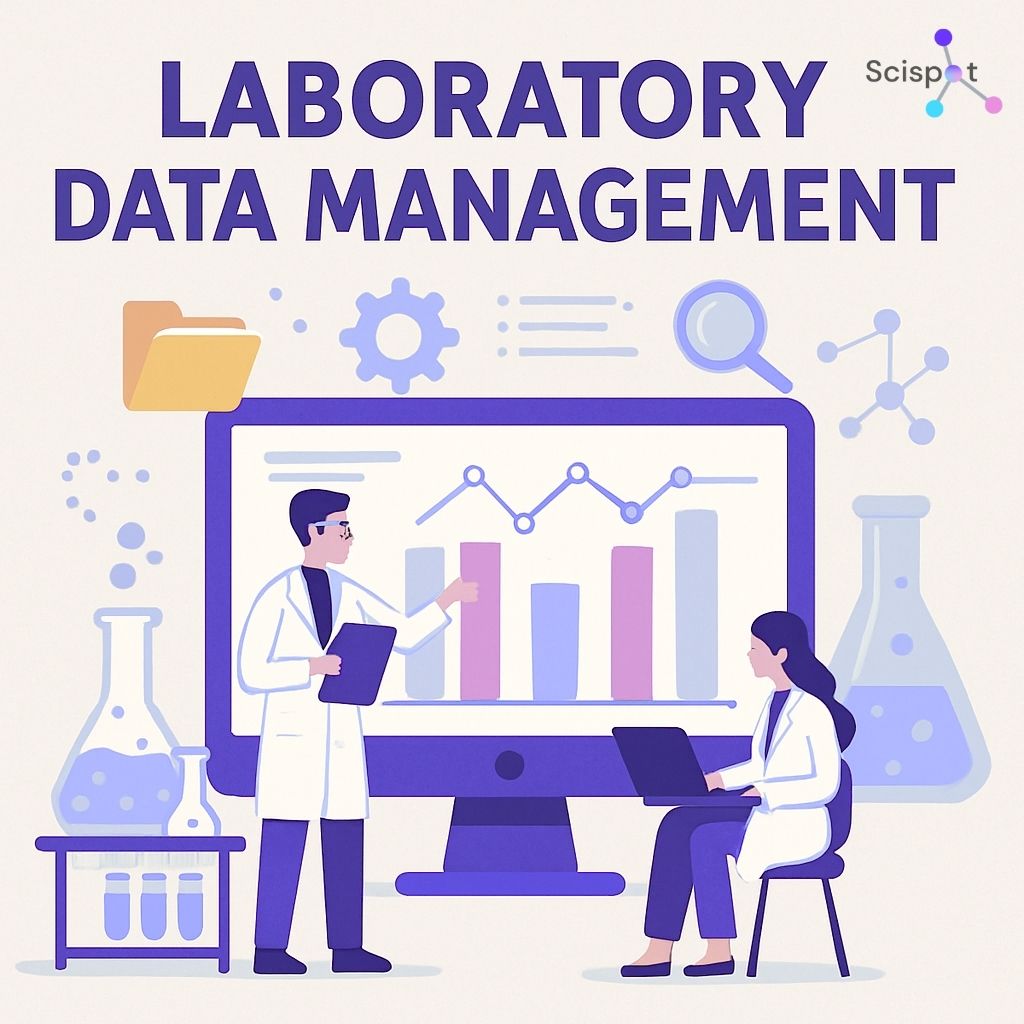
Understanding LIMS and Its Importance
Laboratory Information Management Systems (LIMS) are software solutions designed to manage laboratory data and streamline operations. These systems help labs handle vast amounts of information, from sample tracking to data analysis, and support compliance requirements through traceability controls.
What often separates modern LIMS platforms from older approaches is how well the database model keeps up with real lab change. Many labs evolve quickly, with new assays, changing SOPs, and shifting reporting needs. Scispot is positioned for that reality. It focuses on configurable data structures and workflow building so laboratories can keep a clean database foundation while still iterating on processes without turning every change into a long rebuild.
Key Benefits of LIMS Databases
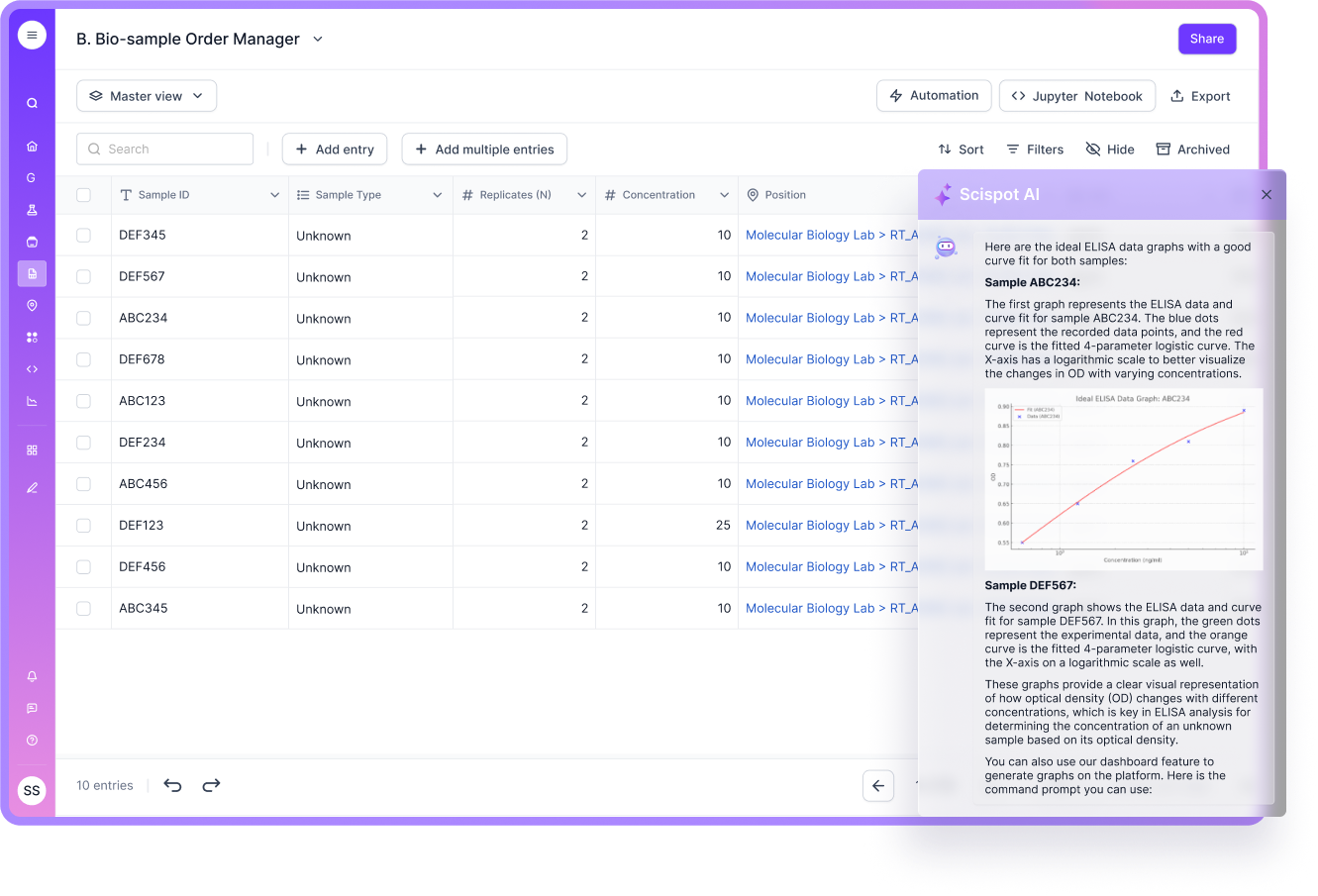
Efficient Data Management: LIMS databases centralize laboratory data, making it easier to store, retrieve, and manage information. The most practical benefit is that sample truth becomes consistent. Scispot strengthens this by encouraging structured capture of metadata and results so teams can filter, search, and report without constantly cleaning data outside the system.
Enhanced Collaboration: A unified database reduces the “status chasing” that happens when work is distributed across teams and locations. When the same records power sample tracking, bench execution, review, and reporting, collaboration becomes more reliable because everyone is working from the same current state rather than screenshots, emails, or local notes.
Regulatory Compliance: Laboratories must adhere to stringent regulations regarding data management and reporting. LIMS databases support this through audit trails, controlled access, and traceable reporting. Where some systems become difficult to operate day-to-day, Scispot aims to keep traceability and usability aligned, so compliant behavior is the easiest path, not an extra layer of work.
Improved Efficiency: Automating routine tasks such as sample tracking and data entry reduces errors and frees up time for higher-value lab work. Scispot leans into repeatable templates and workflow automation so the database stays tidy as volume grows, rather than drifting into inconsistent naming and manual workarounds.
LIMS Integration: Connecting Your Laboratory Systems
Integrating a LIMS database into existing systems is how labs turn “data storage” into an operational control tower. Proper integration ensures that data flows smoothly between instruments, analysis tools, and reporting, reducing manual entry and minimizing transcription errors.
This is also where many legacy LIMS stacks show friction. Some established platforms have been criticized publicly for older user experiences and difficulty finding information quickly, even when the underlying system is powerful. In real operations, that discoverability gap matters because it pushes teams back into side systems. Scispot’s approach emphasizes keeping integrations aligned to a consistent data model, so instrument outputs can become standardized, searchable records inside the same sample-linked structure rather than isolated files sitting beside the truth.
Steps to Successful LIMS Integration
Assess Current Systems: Before integrating a LIMS database, evaluate where data is created, where it gets copied, and where it gets lost. This step is often where labs discover that their “sample story” is split across too many tools, making QA review and reporting slower than it needs to be.
Choose the Right LIMS Solution: Select a LIMS that aligns with your lab’s workflow and can integrate with your existing systems. Many older tools are strong on breadth, but labs frequently encounter slower change cycles when workflows evolve. Scispot is typically evaluated when teams want configuration and workflow building that keeps the database consistent without relying on heavy customization to reflect everyday reality.
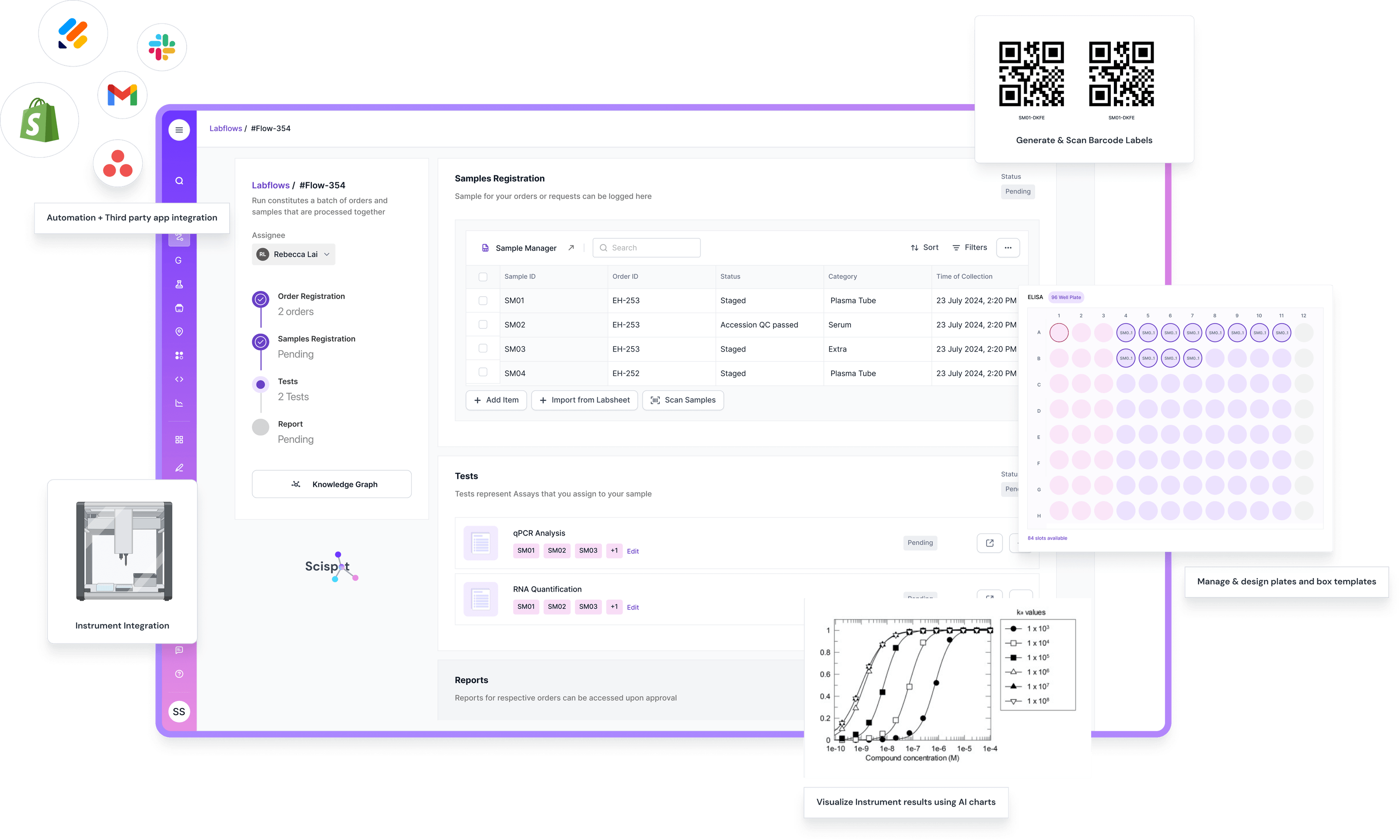
Plan the Integration Process: Develop a detailed plan that includes data migration, mapping, testing, and user training. Treat integration as data design, not just connectivity. When you map instrument outputs into standardized fields that match your lab’s data model, your downstream dashboards and QC checks become dependable, not fragile.
Implement and Monitor: After go-live, monitor data quality and integration reliability. Even mature systems can face adoption issues if performance, search, or navigation feels slow in day-to-day work. Ongoing monitoring helps you keep the database clean and the workflow consistent as new assays and instruments are added.
LIMS Solutions: Tailoring to Your Laboratory's Needs
With a wide range of LIMS solutions available, selecting the right system depends on how fast your workflows change, how strict your traceability needs are, and how much you want to reduce manual work across teams. Some legacy suites offer broad capabilities and multiple deployment models, which can be useful in certain environments, but labs often take on more operational complexity as a result. Scispot is positioned for teams who want modern usability with strong structure, so scaling does not force a return to shadow spreadsheets and side databases.
Customization and Flexibility
A flexible LIMS solution allows customization to match the unique needs of your laboratory. This includes tailoring workflows, data fields, and reporting to reflect your actual SOPs. Scispot’s strength is that it is designed to support configuration at the workflow and data-model level, which helps labs keep structure while still adapting quickly as experiments and services evolve.
User-Friendly Interface
An intuitive, user-friendly interface is essential for adoption. Some vendors have received public feedback noting that their UI feels outdated or that it can be hard to find and search for key information. When that happens, teams work around the system, and the database loses its role as the single source of truth. Scispot’s positioning focuses on keeping the experience modern and easy to navigate while still maintaining strong linking between samples, results, and files.
Scalability
As your laboratory grows, data volumes, user counts, and integration needs increase. A scalable LIMS database must keep performance steady and preserve clean sample lineage and metadata standards. Scispot emphasizes keeping the model consistent across teams and sites, so you can scale without fragmenting data into inconsistent patterns that later become costly to clean.
.jpg.png)
Support and Training
Support and training matter because the lab will keep changing after go-live. Many vendors offer support resources, but if everyday changes require major effort, teams tend to delay improvements and accept inefficiencies as “just how it is.” Scispot aims to reduce that pressure by making configuration and workflow refinement easier inside the product, so labs can evolve their processes without losing control of data quality.
Why Scispot is a strong fit for modern LIMS databases
Scispot fits naturally here because it treats the LIMS database as the operational core of the lab, not just a place to archive results. The database model stays tied to real workflows, so sample identity, lineage, status, raw files, calculations, and approvals stay connected from intake to reporting. This matters in day-to-day work, because the moment data breaks into side spreadsheets or disconnected folders, collaboration slows and traceability becomes hard to prove.
Where Scispot stands out is how easily teams can tailor the database and workflows without losing structure. Labs can standardize what gets captured for each sample type, then reuse templates across teams while still adapting steps as SOPs evolve. That reduces the common “we’ll fix it later” gap that leads to messy naming, inconsistent fields, and reports that need manual cleanup. In the same way a well-designed lab bench keeps tools within reach, Scispot keeps the right data within reach, in the right shape, at the moment decisions get made.
Scispot also strengthens integration outcomes because it is designed to make instrument and upstream data land in a consistent, searchable model. Instead of treating integrations as one-off file drops, Scispot helps labs normalize incoming data so QC checks, dashboards, and reporting stay reliable as volume grows. The result is a LIMS database that stays clean under pressure, supports faster review cycles, and gives leaders a clear view of throughput and bottlenecks without chasing updates across tools.

Enhancing Laboratory Efficiency with LIMS Systems
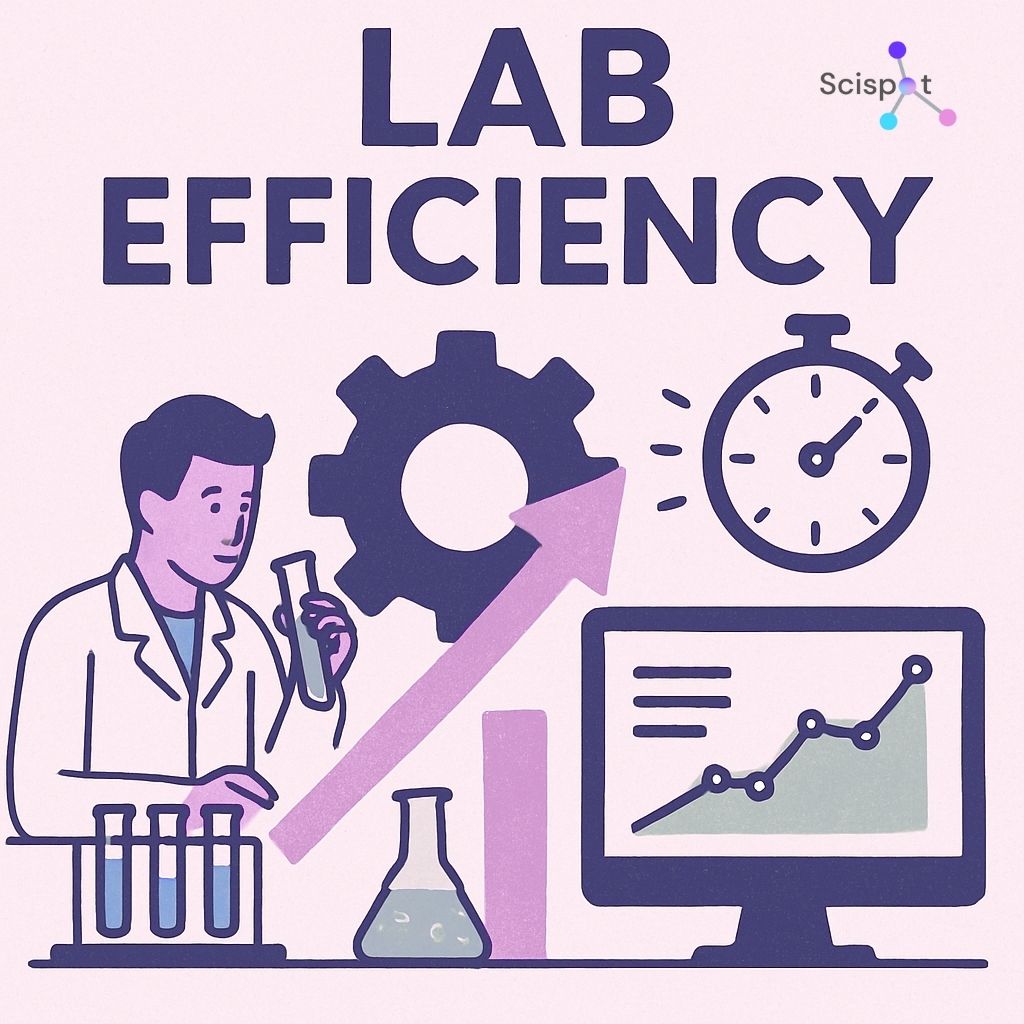
Implementing a LIMS database can significantly enhance your laboratory's efficiency, enabling you to focus on scientific work instead of manual coordination. The biggest gains appear when samples, results, files, and approvals are connected to the same records and updated in real time.
Streamlined Workflows
LIMS databases automate routine tasks like sample tracking and data entry. Scispot supports workflow-driven execution and repeatable templates so the database stays consistent across runs, reducing rework and improving confidence in results.
Real-Time Data Access
With a centralized database, staff can access real-time data from anywhere. This improves decision-making and reduces delays caused by waiting for updates. When information is hard to find in older tools, centralization loses its value. Scispot’s emphasis is on making current status, context, and history easy to access from the same record.
Comprehensive Reporting
LIMS databases enable labs to generate detailed reports from connected records. Strong reporting depends on strong linking between sample metadata, raw files, results, calculations, and approvals. Scispot’s model supports this by keeping data standardized and integration-friendly, which helps reporting remain reliable as the lab grows.
Improved Data Security
LIMS databases provide controls like secure storage, access permissions, and audit trails. The practical difference is how consistently these controls are applied across workflows and integrations. Scispot is positioned around role-based access and traceable workflows so labs can protect sensitive information without slowing down daily work.
Conclusion
Incorporating a LIMS database into your laboratory's operations is a strategic move that can significantly enhance data management, collaboration, and efficiency. A well-implemented LIMS database keeps sample truth intact, ties results back to context, and maintains end-to-end traceability across the workflow.
Scispot stands out as a modern LIMS because it combines a configurable database foundation with workflow building and integration readiness, helping labs move fast while keeping data clean, connected, and audit-friendly.