


Can you explain the role of life science dynamics in biotech innovation?
In the rapidly evolving world of biotechnology, life science dynamics play a crucial role in fostering innovation. But what exactly are life science dynamics, and how do they contribute to breakthroughs in biotech? Let's delve into this topic to understand the intersection of biological systems, dynamic ecosystems, and the cutting-edge advancements that are shaping the future of life sciences.
Life science dynamics refer to the complex interactions and processes that occur within biological systems. These dynamics encompass everything from the molecular level, such as DNA replication, to the broader ecosystem level, including species interactions and environmental changes.

Biological Systems and Their Interactions
Biological systems are composed of various interacting components, such as cells, tissues, and organs, that work together to maintain life. Understanding these systems and their interactions is vital for life science research. By studying how these components interact, scientists can uncover the underlying principles governing life processes and develop innovative solutions to address biological challenges.
Dynamic Ecosystems and Their Impact
Dynamic ecosystems are constantly changing environments where organisms interact with each other and their surroundings. These ecosystems are crucial for maintaining biodiversity and supporting life on Earth. Researchers study these dynamic systems to understand how changes in the environment, such as climate change or habitat destruction, impact biological interactions and ecosystems as a whole.
The Role of Computational Fluid Dynamics in Life Sciences
Computational fluid dynamics (CFD) is a powerful tool used in life sciences to simulate and analyze the behavior of fluids within biological systems. By applying CFD techniques, researchers can model complex biological processes, such as blood flow in arteries or air circulation in the lungs, to gain insights into how these systems function and how they can be improved.

Cutting-Edge Innovations in Computational Fluid Dynamics
Recent advancements in computational fluid dynamics have opened new avenues for research and innovation in life sciences. These innovations enable scientists to create more accurate models of biological systems, leading to better predictions and more effective solutions for healthcare and biotechnology applications.
Life Science Research and Trends
Life science research is constantly evolving, driven by emerging trends and technological advancements. Let's explore some of the current trends shaping the future of life sciences.
Life Science Innovations
Innovation is at the heart of life sciences, with researchers continually pushing the boundaries of what's possible. From gene editing technologies like CRISPR to personalized medicine, life science innovations are transforming the way we approach healthcare and disease treatment.
Life Science Evolution
The field of life sciences is not static; it evolves as new discoveries are made and technologies advance. This evolution is driven by a deeper understanding of biological dynamics and the ability to harness these insights for practical applications.

Exploring Glencoe Science Biology: The Dynamics of Life
"Glencoe Science Biology: The Dynamics of Life" is a widely used textbook that provides an in-depth exploration of biological concepts and their real-world applications. This resource offers valuable insights into the principles of biology and the dynamic nature of life processes.
Key Concepts from Glencoe Science Biology
The textbook covers a range of topics, including cellular biology, genetics, ecology, and evolution. By studying these concepts, students gain a comprehensive understanding of the dynamic systems that govern life and the factors that influence biological interactions.
The Importance of Life Science Dynamics in Biotech Innovation
Life science dynamics are essential for driving innovation in biotechnology. By understanding the complex interactions and processes within biological systems, researchers can develop new technologies and solutions that address pressing challenges in healthcare, agriculture, and environmental conservation.

Scispot: The Leading Solution for Life Science Dynamics
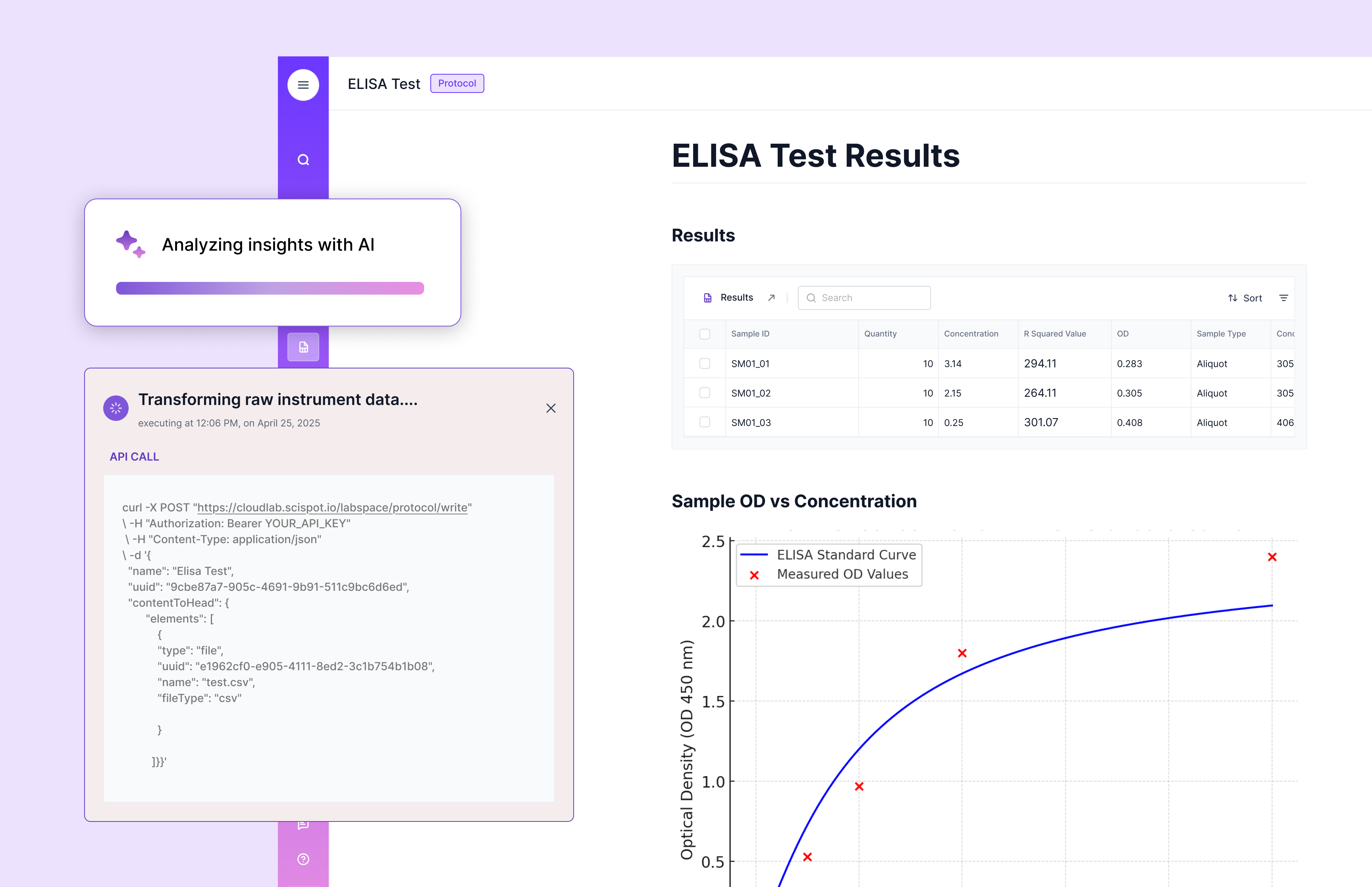
Scispot stands out as the ideal solution for navigating the complexities of life science dynamics in biotech innovation. By providing a unified platform for laboratory management, data integration, and advanced analytics, Scispot empowers researchers to efficiently manage dynamic biological systems. Whether it’s tracking samples, automating workflows, or enabling real-time data insights, Scispot ensures that scientists can focus on their core research without the distractions of fragmented systems or outdated tools. This enables faster, more accurate decisions, ultimately accelerating biotech breakthroughs.
With Scispot’s ability to integrate cutting-edge technologies, including AI-powered analytics and seamless instrument connections, the platform serves as a catalyst for innovation in life sciences. The integration of computational tools like GLUE and Labsheets further enhances the depth of research by enabling effortless data structuring and analysis. As biotech organizations face increasing data complexity, Scispot’s flexible solutions streamline operations, ensuring that the intersection of biological systems and dynamic ecosystems is captured and leveraged for cutting-edge innovations in healthcare, agriculture, and environmental conservation.
Biological Dynamics and Their Applications
Biological dynamics provide a framework for understanding how living organisms function and interact with their environment. This knowledge is crucial for developing innovative solutions that improve human health, enhance agricultural productivity, and protect ecosystems.
The Future of Life Science Dynamics
As life science research continues to advance, the role of biological dynamics in biotech innovation will only grow more significant. Researchers will continue to explore new frontiers, uncovering insights that drive the development of cutting-edge technologies and solutions.
Conclusion
Life science dynamics are at the core of biotech innovation, providing the foundation for understanding and improving biological systems. As we continue to explore the dynamic nature of life, the potential for groundbreaking discoveries and advancements in biotechnology is limitless. With Scispot leading the charge, the future of life sciences looks brighter than ever.


%20Comprehensive%20Guide.avif)
.webp)