

.webp)
What are the latest advancements in molecular diagnostics technology?
Molecular diagnostics is changing healthcare. It gives labs faster, more precise, and more personalized ways to detect disease. The field keeps moving quickly.
Recent advances have improved both speed and accuracy. That matters for earlier detection, better disease management, and stronger patient outcomes.
Precision diagnostics also helps match treatment to a person’s genetic profile. That makes care more targeted and often more effective.
Technologies like branched DNA and LAMP are pushing this forward. They offer sensitive, cost-effective options and make testing easier to access.
AI and machine learning are adding another layer. They help with data analysis and interpretation, which makes these tools more useful in real-world settings. Molecular diagnostics is set to keep growing.
Understanding molecular diagnostics technology
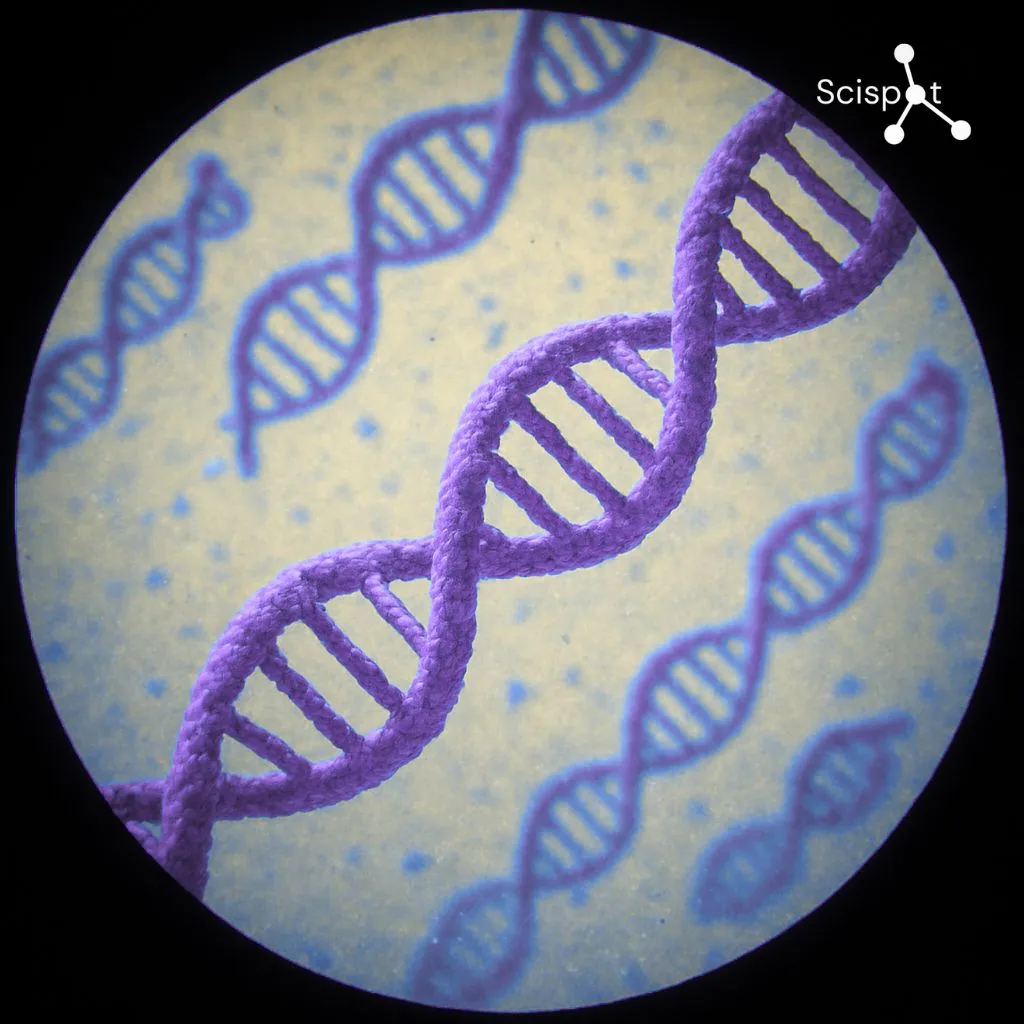
Molecular diagnostics focuses on biological markers in the genome and proteome. In simple terms, it looks at DNA, RNA, and proteins to help diagnose disease and guide treatment.
Core parts of molecular diagnostics include:
- DNA analysis and sequencing
- RNA detection
- Protein analysis
The field covers a wide range of use cases. It supports genetic testing, infectious disease detection, and more. That broad reach makes it a key part of modern medicine.
As the technology improves, the impact gets bigger. Tests are getting faster and more accurate, which helps healthcare teams make decisions sooner and with more confidence.
Molecular diagnostics also connects with other fields. It supports medical diagnosis, but it also has uses in forensic science and environmental monitoring. The room for growth is still large.
Key technologies in modern molecular diagnostics
Modern molecular diagnostics depends on a few core technologies. These tools have changed how disease is detected and tracked.
Some of the main ones are:
- PCR and Real-Time PCR
- LAMP technology
- Branched DNA technology
Each has its own strengths. PCR is known for precision and exact DNA amplification. LAMP is valued for speed and ease of use. Branched DNA improves sensitivity when detecting nucleic acids.
These advances do more than improve detection. They also cut analysis time, which helps both patients and clinicians. When labs use these tools well, they can also improve efficiency and lower costs.
These technologies matter because they improve healthcare outcomes. As they keep developing, they will keep improving how molecular testing works in practice.
PCR and Real-Time PCR
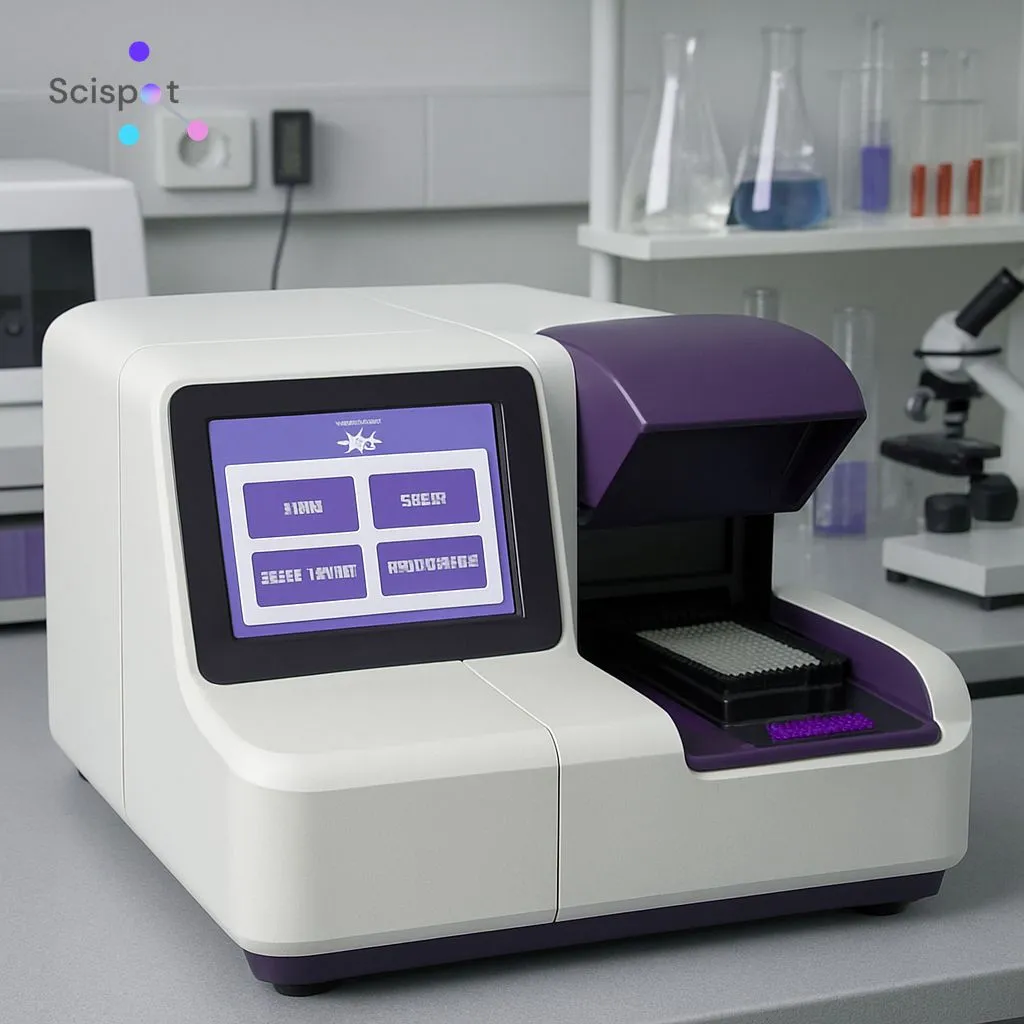
Polymerase Chain Reaction, or PCR, is one of the foundations of molecular diagnostics. It can amplify very small DNA samples until there is enough material to analyze. That made precise DNA analysis far more practical.
Real-Time PCR builds on that. It tracks amplification as it happens, so users can collect data during the process itself. That makes it easier to spot issues right away.
Benefits of PCR technologies include:
- High precision in DNA replication
- Real-time data collection
- Better detection of DNA targets
These technologies are now common in clinical labs. They have made genetic diagnostics faster and more reliable.
LAMP technology in molecular diagnostics
Loop-mediated isothermal amplification, or LAMP, is another important tool. It offers rapid and cost-effective DNA amplification at a constant temperature. That makes the process simpler than many conventional methods.
Its main strengths include:
- Speed: Faster results than many conventional methods
- Cost-effectiveness: Lower operating costs
- Simplicity: Easier to use in different settings
LAMP is especially useful where advanced lab infrastructure is limited. Because it is simpler to run, it can expand access to molecular testing. That makes it valuable for rapid infection diagnosis and quick clinical decisions.
Branched DNA technology in molecular diagnostics
Branched DNA, or bDNA, takes a different approach. Instead of amplifying DNA, it amplifies the signal. That makes it useful for measuring nucleic acids without the bias that can come with amplification.
Advantages of bDNA technology include:
- High sensitivity and specificity
- Accurate quantification of DNA and RNA
- Lower risk of contamination
This makes bDNA especially useful when labs need to measure very small amounts of nucleic acids. Its precision is one reason it is becoming more common in genetic testing workflows.
It marks a real step forward in testing quality and reliability, which matters when results need to be both accurate and repeatable.
Next-generation sequencing and DNA analysis
Next-generation sequencing, or NGS, has changed genetic diagnostics in a major way. It can analyze complex genomes quickly and with high accuracy. That gives researchers and clinicians a much deeper view of genetic disorders.
NGS brings several clear benefits:
- High throughput: It can process millions of sequences at once
- Cost-effectiveness: It lowers the cost per base analyzed
- Broad application: It works in both research and clinical diagnostics
NGS also helps detect rare mutations that were harder to find before. That is a big gain for precision diagnostics and personalized medicine.
Healthcare teams use NGS for disease prediction, monitoring, and prenatal testing, among other use cases. As the technology improves, it keeps expanding what is possible in diagnosis and treatment.
Its role in routine diagnostics will likely keep growing. The ability to analyze DNA at this scale is now central to many targeted therapy strategies.

Precision diagnostics and genetic testing
Precision diagnostics aims to match treatment to the individual patient. It does that by using genetic information to guide care. This has changed how many conditions are diagnosed and treated.
Genetic testing is central to that work. It looks closely at genes to find mutations linked to disease.
The main benefits include:
- Personalized treatment plans
- Early detection of genetic risk
- Better fit for targeted therapies
Genetic testing is now much more accessible in clinical care. It is already used in oncology, cardiology, neurology, and other specialties. The information it provides helps teams build more tailored care plans.
Costs have also fallen over time, which has helped bring these tests into more routine medical use. As more genetic data becomes available, precision diagnostics will likely play an even larger role in care.
AI, machine learning, and bioinformatics in diagnostics
AI and machine learning are improving molecular diagnostics by making data interpretation faster and more accurate. They help spot patterns in genetic data that would be hard to catch manually.
Bioinformatics is just as important. It combines computing with molecular biology to handle and analyze large datasets.
Some key benefits are:
- Better data accuracy
- Faster processing
- Stronger pattern recognition
Machine learning can also help predict disease outcomes from genetic data. That gives healthcare providers more useful information when planning treatment.
Bioinformatics tools support biomarker discovery as well, which can help with earlier detection. Together, these tools are helping diagnostics become more accurate and more personalized.
Point-of-care and portable diagnostic technology
Point-of-care diagnostics is making molecular testing more accessible. Portable tools can deliver results where the patient is, without depending on a central lab for every step.
Examples include:
- Handheld PCR devices
- Rapid antigen tests
- Portable sequencers
Fast results support faster treatment decisions. This is especially useful in remote or underserved areas where full lab infrastructure may not be available.
Portable tools also help during outbreaks by making testing and tracking easier to manage in real time. As these technologies improve, they will likely become an even bigger part of global health strategy.
Non-invasive and home-based molecular testing
Molecular testing is also moving toward less invasive methods. Saliva and urine samples now support some kinds of genetic testing and disease screening.
These methods offer a few clear benefits:
- Less discomfort than blood draws
- Easier sample collection
- Lower infection risk
Home-based tests take that a step further. They let people perform some kinds of DNA analysis without going to a clinic.
That convenience can help with chronic disease monitoring and improve adherence to testing schedules. As at-home options expand, more people will have direct access to their own health data.
Applications: infectious diseases, cancer, and beyond
Molecular diagnostics has had a major impact on infectious disease care. Fast testing helps identify pathogens sooner, which is critical during outbreaks like COVID-19 and influenza.
Cancer care has also changed because of these tools. Precision diagnostics can profile tumors at the genetic level, which helps guide more personalized treatment plans.
The reach goes well beyond those two areas. Molecular diagnostics is also used in prenatal testing, rare disease detection, and inherited condition analysis.
Key applications include:
- Monitoring antibiotic resistance
- Diagnosing neurodegenerative diseases
- Studying microbial shifts in the gut
The field keeps expanding, and that growth is opening up new discoveries across medicine and related areas.
Challenges and future directions in molecular diagnostics
Molecular diagnostics still faces a few major barriers. Cost remains high in some settings. Regulations can be complex. Skilled professionals are still essential to run and interpret many of these systems.
The next phase will likely focus on more automation and better integration. That should make workflows simpler and help reduce cost over time.
Important future priorities include:
- Improving diagnostic accuracy
- Expanding non-invasive testing
- Strengthening AI-based data interpretation
How well the field addresses these issues will shape how far it can go next.
Conclusion: the impact of advancements in molecular diagnostics
Advances in molecular diagnostics are changing how healthcare works. They support earlier detection, more precise diagnosis, and more personalized treatment.
As the technology continues to improve, it will likely become a more routine part of everyday medical care. The path ahead points to testing that is faster, more accurate, and easier to access. That shift is changing how we understand disease and how we treat it.