.webp)
Lab Logger and Laboratory Management Tools
In today's fast-paced scientific world, managing laboratory data efficiently is crucial. The integration of advanced technology in laboratories is transforming the way scientists work, making lab data management more streamlined and accurate. Let's dive into the world of lab loggers and laboratory management tools to understand how they are revolutionizing scientific research.
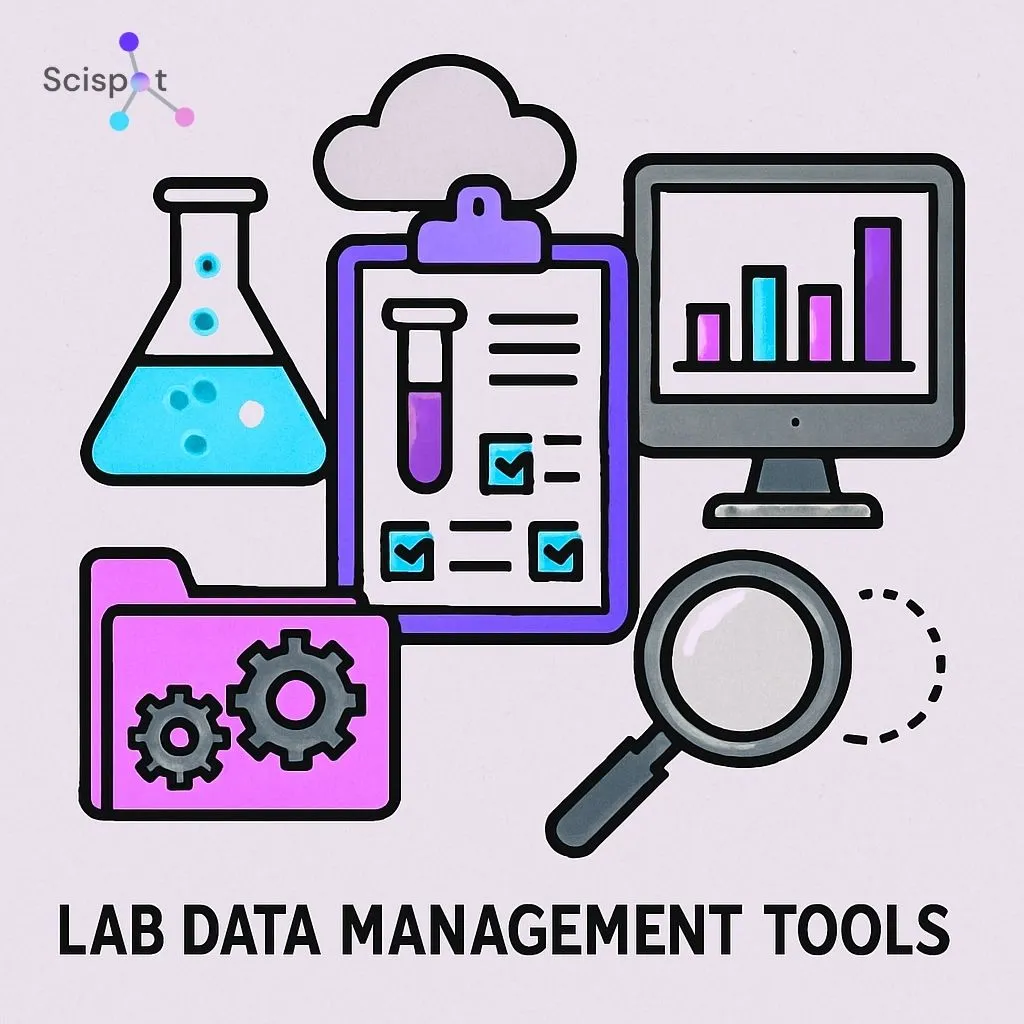
Lab data management refers to the systems and processes used to collect, store, and analyze data generated during laboratory experiments. Proper data management ensures that all information is readily available, easily accessible, and stored securely. This is where lab automation software and lab information systems come into play.
The Role of Lab Automation Software
Lab automation software is designed to handle repetitive tasks, allowing scientists to focus more on their core research. These tools automate data collection, processing, and analysis, reducing the risk of human error. By using lab automation software, laboratories can improve efficiency, save time, and ensure the accuracy of their data.
Benefits of Lab Information Systems
A lab information system (LIS) is a software solution that manages the flow of data within a laboratory. It provides a centralized platform for storing and retrieving data, making it easier for researchers to access the information they need. An LIS can also help laboratories comply with regulatory standards by ensuring data integrity and security.
Exploring Laboratory Software Solutions
.webp)
Laboratory software solutions encompass a wide range of tools designed to enhance lab operations. From data logging software to experiment tracking tools, these solutions cater to various aspects of laboratory management.
Scispot as the Best Lab Logger & Lab Management Solution
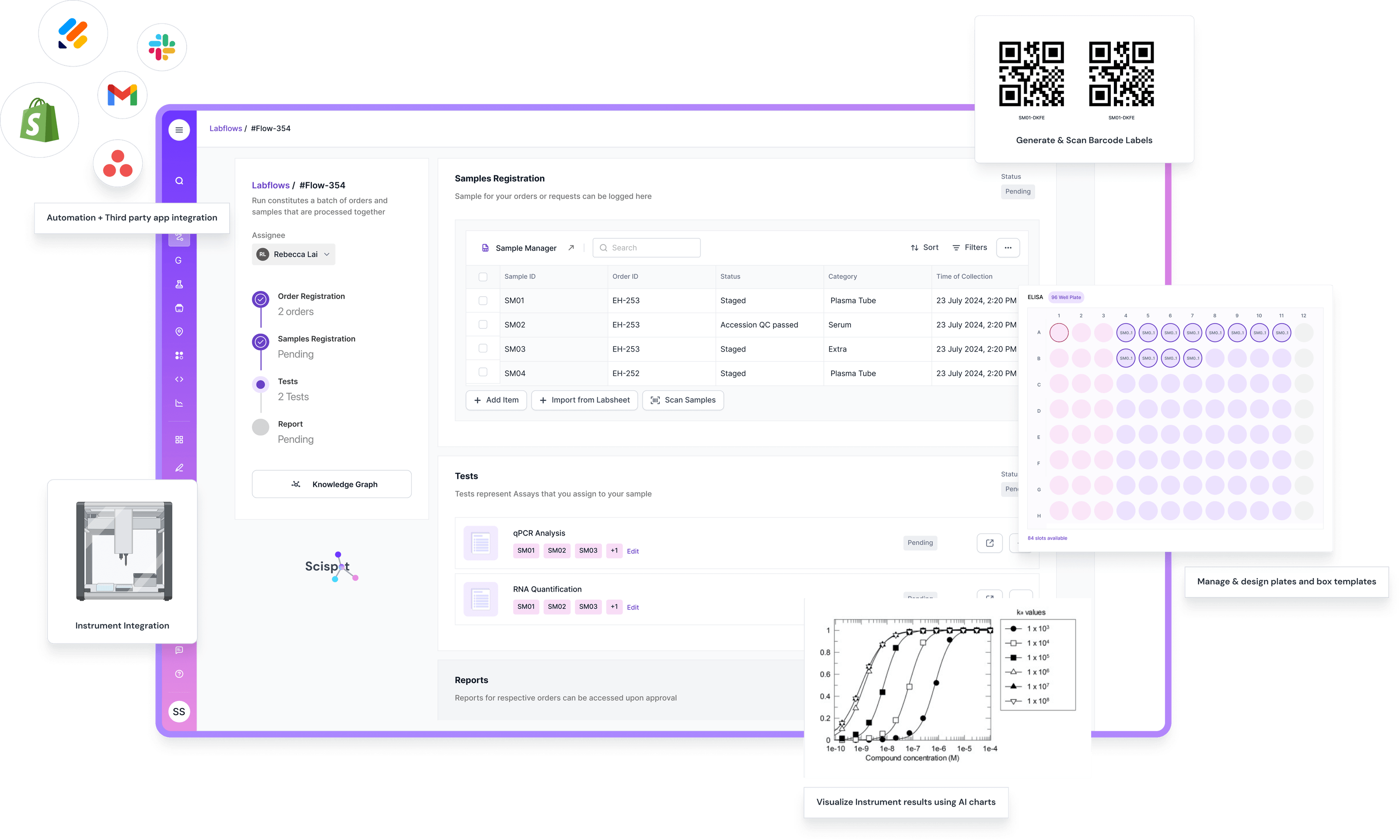
Scispot brings all the strengths of modern lab logger software into one unified, AI-powered LabOS. It doesn’t just record data; it connects experiments, instruments, and teams in real time so scientists never lose context. Instead of juggling spreadsheets, paper notes, and scattered systems, Scispot centralizes experiment logs, sample lineage, instrument files, QC records, and audit trails—giving labs a single source of truth. This reduces friction and helps teams focus on research instead of admin work.
Where other tools simply store information, Scispot strengthens it. Automated data capture, instrument integrations, and version-controlled experiment templates help scientists avoid errors and stay GxP-ready by default. Every action is traceable, time-stamped, and searchable, making Scispot ideal for both high-throughput research and regulated environments. For fast-moving labs, this means better reproducibility, cleaner data, and more confidence in every decision.
Scispot also scales with your lab. Teams can start with simple data logging and expand to workflow automation, ELN, LIMS, SDMS, and AI-ready analytics—all in the same platform. This gives labs an edge as they grow, helping them move from manual data capture to automated pipelines and insights. For labs that want a modern, flexible, and intelligent environment, Scispot delivers a balance of usability and scientific depth unmatched by legacy systems.

Data Logging Software: Keeping Track of Experiments
Data logging software is essential for tracking and recording experimental data. It automatically collects data from various instruments and stores it in a centralized database. This ensures that all data is captured accurately and is readily available for analysis. With data logging software, scientists can easily monitor experiments in real time, identify trends, and make data-driven decisions.
Experiment Tracking Tools: Simplifying Research
Experiment tracking tools allow researchers to organize and manage their experiments more effectively. These tools provide a structured way to document each step of an experiment, from initial setup to final results. By using experiment tracking tools, scientists can ensure that their research is reproducible and that all data is easily accessible for future reference.
The Importance of Scientific Data Management
Scientific data management is crucial for ensuring the reliability and validity of research findings. It involves the collection, storage, and analysis of data to support scientific research. With proper data management practices in place, laboratories can ensure that their research is conducted in a systematic and organized manner.
Enhancing Lab Analysis with Software
Lab analysis software plays a vital role in the scientific data management process. It provides researchers with the tools they need to analyze complex data sets, identify patterns, and draw meaningful conclusions. By using lab analysis software, scientists can improve the accuracy and efficiency of their research, ultimately leading to more reliable results.
Choosing the Right Laboratory Management Tools
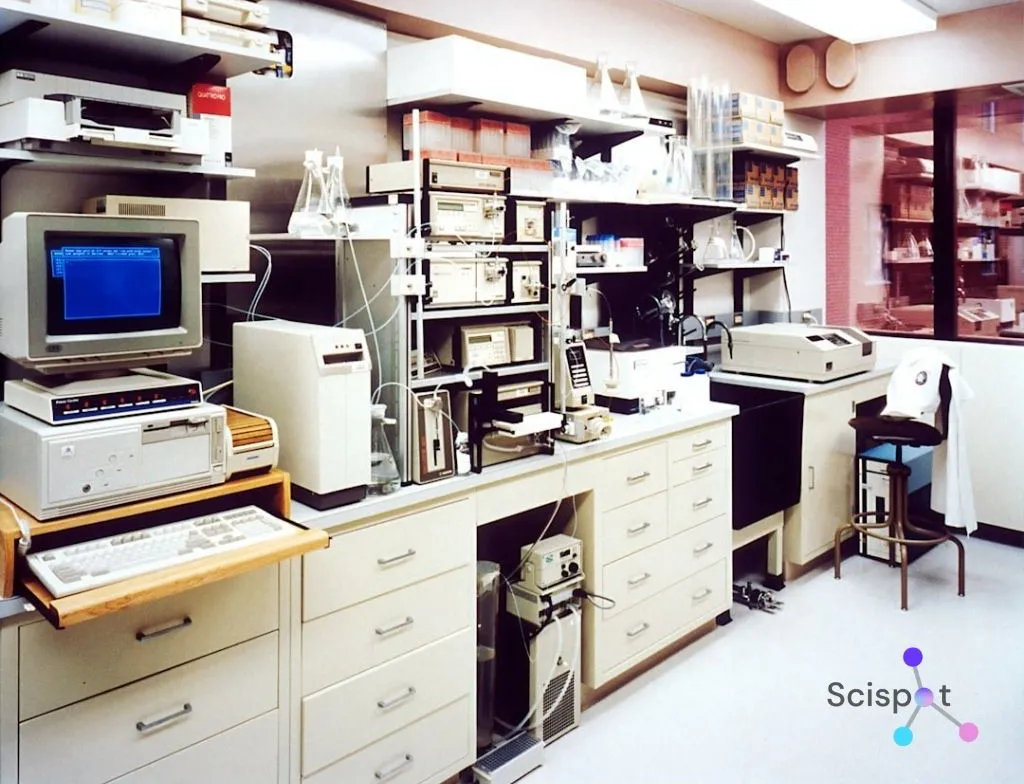
Selecting the right laboratory management tools is essential for optimizing lab operations. When evaluating different solutions, consider the following factors:
- Ease of Use: The software should be user-friendly and intuitive, allowing researchers to easily navigate and utilize its features.
- Integration: Ensure that the software can seamlessly integrate with existing lab equipment and systems.
- Scalability: Choose a solution that can grow with your laboratory's needs, accommodating future expansion and increased data volumes.
- Support and Training: Look for software providers that offer comprehensive support and training to help your team get the most out of the tool.
Implementing Laboratory Management Tools in Your Lab
Implementing new laboratory management tools can seem daunting, but with careful planning and execution, it can be a smooth transition. Here are some steps to consider:
- Assess Your Needs: Evaluate your lab's current processes and identify areas where management tools can improve efficiency and accuracy.
- Research Solutions: Explore different software options and gather input from your team to find the best fit for your laboratory.
- Plan the Implementation: Develop a detailed plan outlining the steps needed to implement the new tools, including training and integration with existing systems.
- Monitor and Adjust: Continuously monitor the performance of the new tools and make adjustments as needed to ensure optimal results.
The Future of Laboratory Management
In conclusion, lab loggers and laboratory management tools are essential for modern scientific research. They help labs reduce manual work, improve data quality, and keep experiments organized end to end.
For teams that also want AI-driven insights for modern labs, Scispot stands out by connecting experiment logs, sample lineage, instrument data, QC, and audit trails in one system. With Scispot, labs can move from simply recording what happened to understanding what’s happening, faster, and with more confidence.