.webp)
What is a lab LIS?
Navigating the complex world of laboratory operations can be daunting. Whether you're managing a small research lab or overseeing multi-site operations, the key to success lies in clean data flow and repeatable workflows.
In this guide, we'll cover Lab Information Systems (LIS), the tools that support them, and practical ways to streamline lab operations. You’ll also see where a modern LIMS like Scispot can strengthen an LIS-style setup when your lab needs more flexibility. A Lab Information System (LIS) is a software solution designed to manage and streamline the operations of a laboratory. It supports core lab processes like order-to-result tracking, inventory oversight, and controlled data capture.
In many labs, the real need goes beyond “store results.” You need sample lineage, step-by-step status, reviews, and integrations that reduce manual entry. That’s where Scispot tends to win for modern labs. It gives you LIS-style rigor for tracking and reporting, while also behaving like a flexible LIMS when workflows change.
Key Features of LIS
Sample management is the center of an LIS. A strong system tracks samples from intake to final disposition, with clear ownership at every step. Data management is what turns lab work into trusted output. It stores results in structured fields, keeps versions straight, and makes records easy to search later.
Inventory control prevents “silent downtime.” You can track stock, expiry, and usage so testing does not pause because a key reagent ran out. Reporting and analytics help teams spot bottlenecks fast. You can pull turn-around time trends, QC flags, and workload views without stitching files together. Integration capabilities decide how much work stays manual.
Scispot is built around configurable data tables and integration paths, so instruments and external systems can feed data into the same record, not into side spreadsheets.
LIS for Multi-Site Lab Operations
For labs operating across multiple locations, LIS systems provide centralized management capabilities. The goal is consistency, not just visibility. Standardize procedures so every site follows the same logic. That means the same fields, the same rules, and the same review gates.
Centralize data so leaders see one source of truth. You avoid site-by-site reporting drift and “which file is right?” debates. Optimize resources by comparing like with like.
Scispot helps here because teams can share one core model, while each site can still use role-based views and workflows that match how they run.
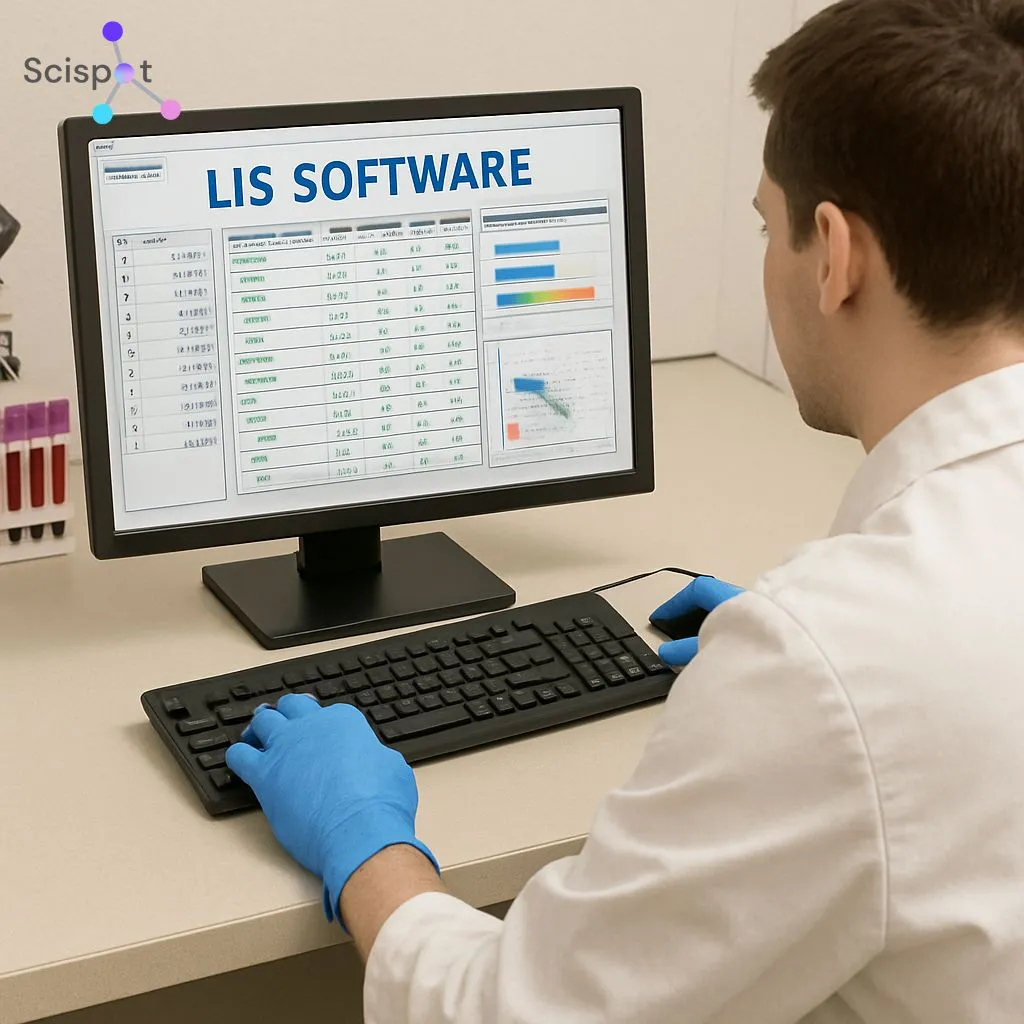
Why Scispot is a Modern LIS for Fast-Moving Labs
Scispot is a strong fit for labs that want an LIS that feels modern. It covers the core LIS jobs—samples, results, inventory, and reporting—while keeping everything connected as your workflows evolve. Labsheets lets you model lab data in a spreadsheet-like way, so teams can build structured databases and workflows fast, without a long rebuild cycle.
Where many LIS setups break down is at the “handoff” moments. Think instrument files, robot runs, and data living in too many tools. Scispot GLUE is built for that glue work. It can automate extraction and transformation across instruments and systems, so results land in the right place with less copy-paste risk.
For multi-site labs, Scispot helps keep one shared source of truth. You get standardized workflows, centralized visibility, and audit-ready traceability with e-signatures and timestamps when you need regulated rigor. It’s like package tracking for your samples, across sites, people, and steps.
Essential Lab Tools and Equipment
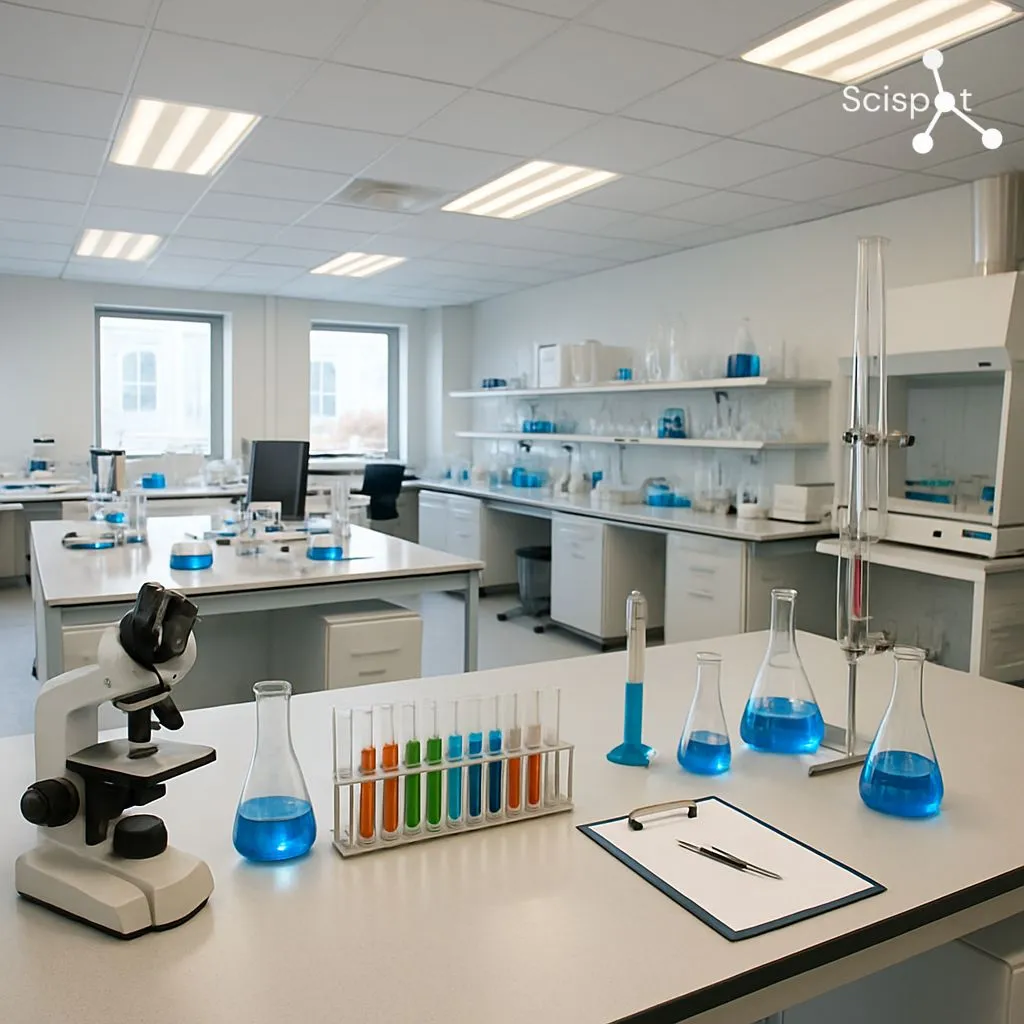
A well-equipped lab is the backbone of successful operations. A strong LIS or LIMS makes these tools easier to manage and safer to rely on.
Basic Lab Supplies
Glassware supports daily handling and measurement. Keeping usage and replenishment visible reduces last-minute shortages. Lab chemicals include reagents and solutions needed for tests and runs. Tracking lots, expiry, and storage rules matters more as volume grows.
Personal Protective Equipment (PPE) protects staff and keeps operations compliant. A system that tracks checks and restock helps keep safety routine.
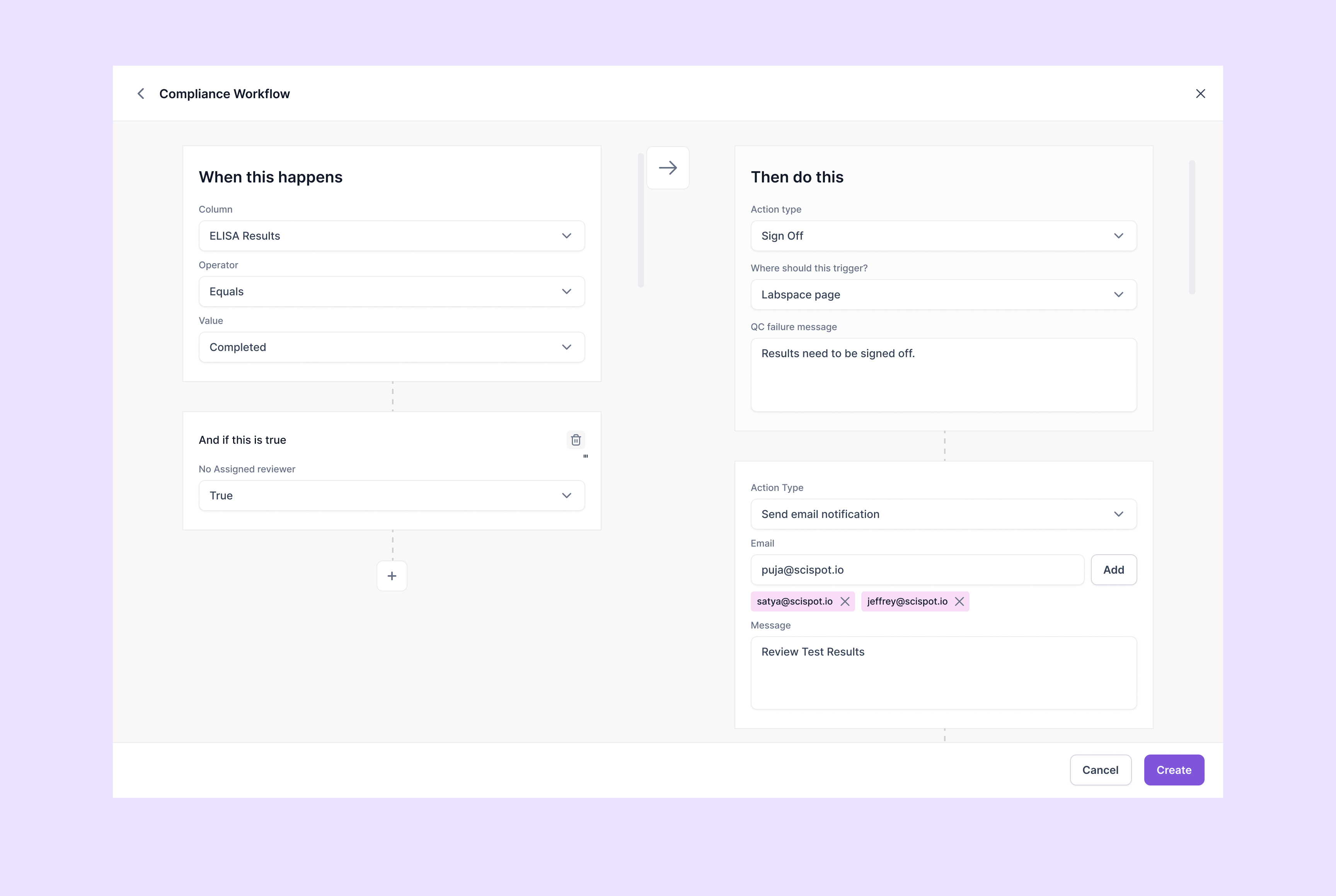
Lab Equipment
Microscopes support inspection and detailed analysis. Linking images and notes back to the same record prevents missing context later. Centrifuges are used for separation steps across many workflows. Logging run details and maintenance history improves repeatability.
Spectrophotometers support absorbance-based reads and quant work. When results land directly into structured fields, you cut transcription errors.
Advanced Lab Tools
Automated analyzers increase speed and reduce manual handling. They also raise the bar for clean integrations and audit-ready output. PCR machines are critical in molecular workflows. Tracking run metadata, controls, and outputs in one place simplifies review.
Fume hoods protect staff when handling volatile substances. Maintenance scheduling and safety checks are easier when they are system-driven.
Streamlining Lab Services with LIS
A well-implemented LIS can significantly enhance lab services. The biggest gains usually come from fewer handoffs and fewer data gaps.
Improving Workflow Efficiency
Automation reduces repeated manual steps. It also lowers the chance of small entry mistakes becoming big rework later. Scheduling improves throughput when tests are queued well. It also reduces idle time when staff and instruments are shared.
Communication improves when status is visible in the record. Scispot supports this with clear assignment, structured fields, and workflow steps that keep “what’s next?” obvious.
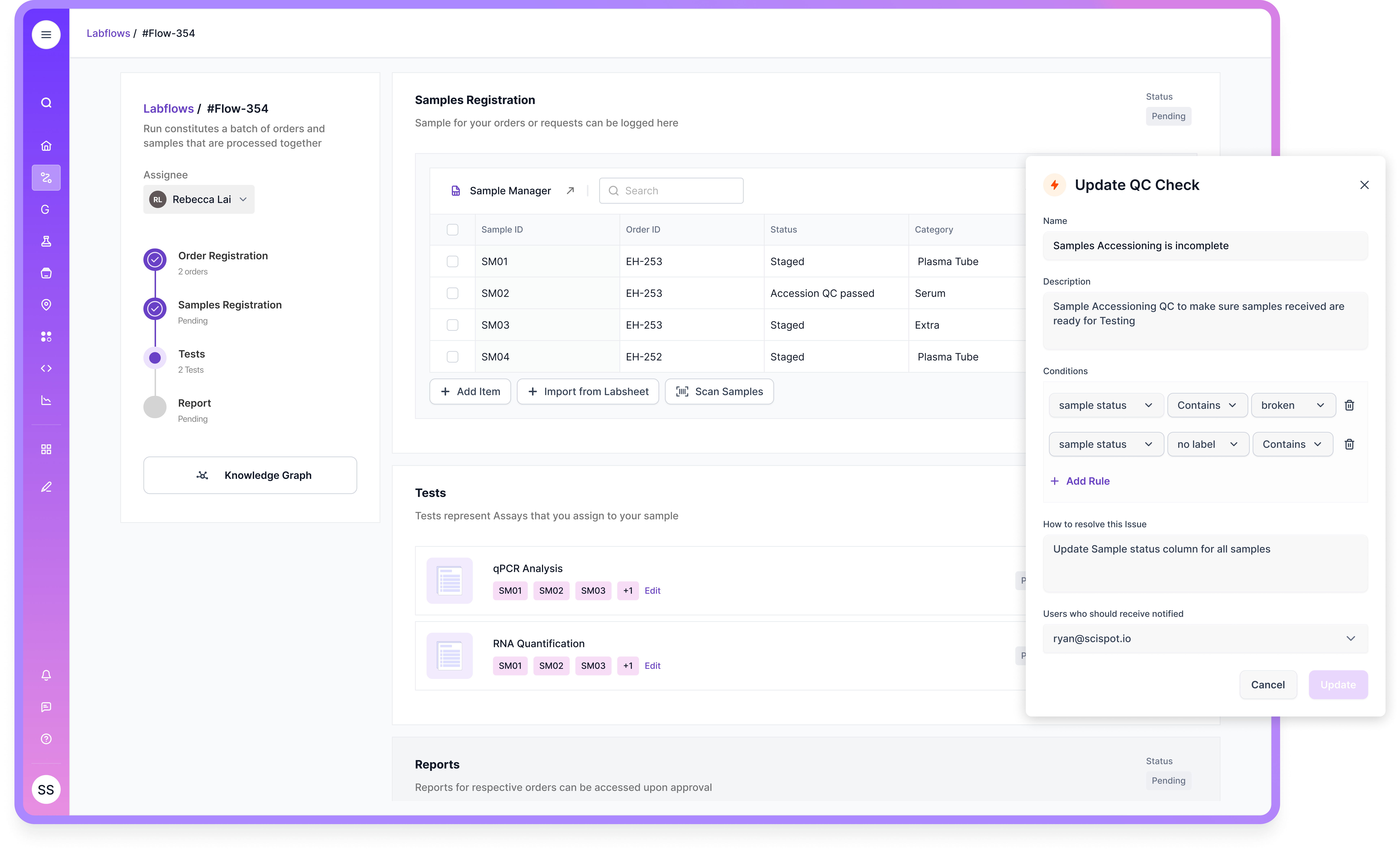
Enhancing Data Accuracy
Error reduction improves when data entry is validated. Auto-capture from instruments helps even more when it is mapped into the right fields. Real-time access helps teams act faster. This matters in clinical-style work where timing and traceability are tied to service quality.
Lab Inventory Management
Managing lab inventory effectively is crucial for uninterrupted operations. An LIS can help by turning inventory into a tracked workflow, not a side task.
Tracking Lab Supplies
Automated alerts help teams reorder before stockouts hit. That keeps runs moving and prevents last-minute substitutions. Usage analytics helps right-size inventory. You reduce waste while still protecting uptime.
Managing Lab Equipment
Maintenance scheduling reduces breakdown risk. It also creates a clean history for audits and internal QA. Asset tracking improves accountability. You can see where equipment is, who owns it, and whether it is ready to use.
This is also where many older systems can feel slower to adapt. When changes require heavy admin work or custom scripts, teams often fall back to spreadsheets, which creates gaps over time.
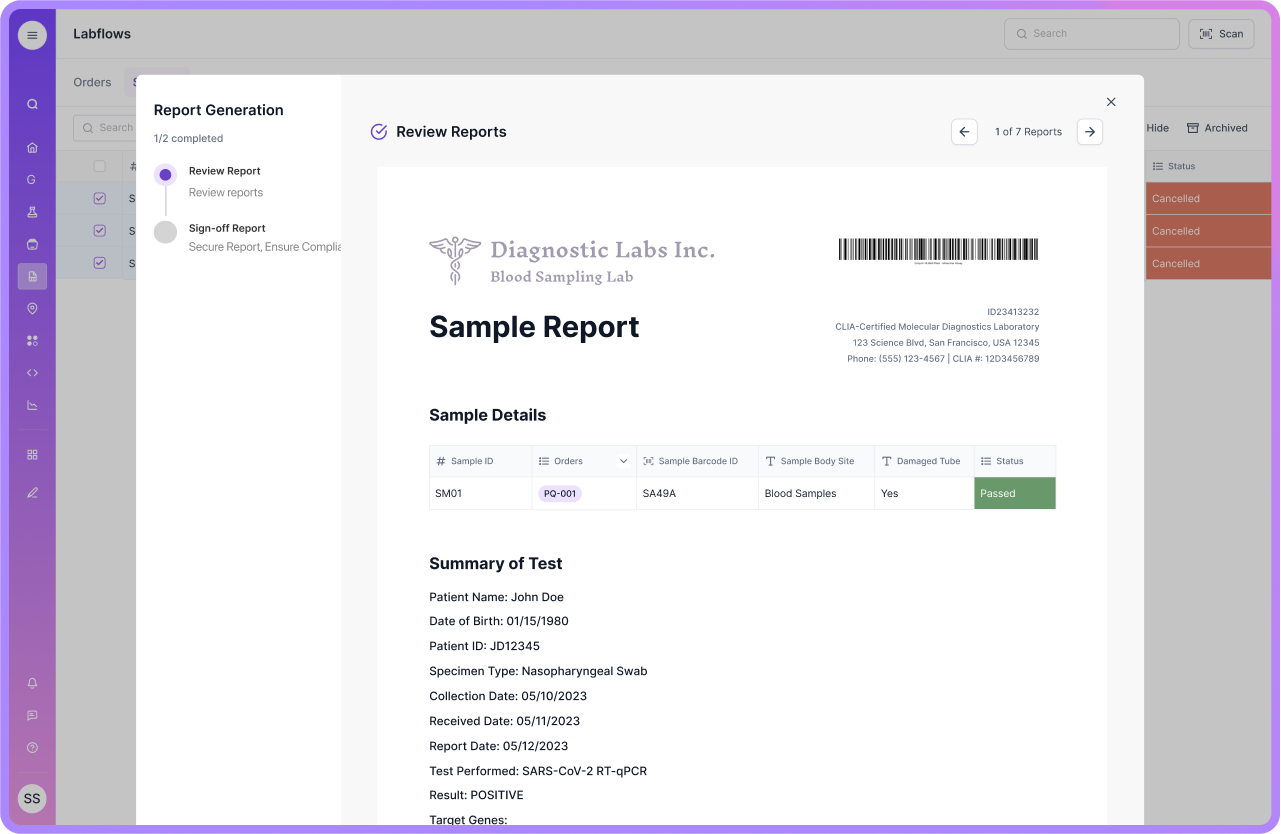
Crafting a Comprehensive Lab Checklist
Creating a detailed lab checklist ensures that all necessary tasks are completed efficiently. A good LIS or LIMS can turn the checklist into tracked actions with proof.
Daily Tasks
Safety checks should be consistent. Track PPE readiness and safety equipment checks as a routine record. Equipment calibration should be verified.Log calibration status so results are tied to “known good” instruments.
Data backup should be automatic where possible. When it is tracked, data loss becomes far less likely.
Weekly Tasks
Inventory review prevents slow drift into shortages. It also reduces rush orders and avoidable downtime. Equipment maintenance keeps instruments reliable. Tracking it in-system makes it visible and repeatable. Team meetings keep priorities aligned. It helps surface blockers early, before deadlines slip.
Monthly Tasks
Performance analysis shows what is really happening. Look at throughput, error rates, rework, and review timing. Training sessions keep teams consistent. It also reduces variation between shifts and sites. Compliance audits are easier when evidence is built-in. When records, edits, and approvals are captured in one system, audits become a search task, not a scramble.

Conclusion
Implementing a robust Lab Information System and maintaining a comprehensive inventory of lab tools and supplies are essential for efficient lab management. When data, workflow, and review live together, labs move faster with fewer mistakes.
This is where Scispot can be a strong fit for modern labs. It combines LIS-style structure with LIMS-grade flexibility, so teams can standardize without getting stuck when workflows evolve.
With the right tools and systems in place, your lab can focus on what matters most: delivering accurate, timely, and reliable results. Ensure your lab is well-equipped, well-managed, and ready to tackle the demands of modern lab operations.