

.webp)
Can you recommend cost-effective microbial identification solutions for small laboratories?
Right now, your fingertip carries a whole world of microbes. Most are harmless. A few are not. For years, labs had to swab a sample onto a petri dish and wait days for anything useful to grow. That is starting to change. More labs now identify microbes by reading their genetic or molecular signatures instead of waiting for culture growth.
The shift is a lot like what happened with computers. Work that once needed large, expensive systems can now happen on much smaller devices. Industry data shows that genetic sample analysis used to cost thousands of dollars, which kept it mostly in large hospitals and top research centers. Now, handheld tools can read a germ’s DNA in hours and at far lower cost.
That change matters for public health and food safety. Cost-effective microbial identification for small laboratories is much more realistic than it used to be. Small clinics can now use lower-cost 16S rRNA sequencing alternatives, which work like genetic barcode scanners for bacteria. That gives community labs access to tools that were once out of reach.
Why growing bacteria is often the most expensive way to identify them
Most people have waited days for lab culture results and wondered why it takes so long. That delay affects turnaround time, which is the time from sample collection to final result. In clinical microbiology, shorter turnaround time matters. Waiting for bacteria to multiply is not only slow. It also adds cost.
Traditional culture methods carry three major costs. First, incubation takes time and energy because specialized ovens must run for days. Second, trained staff must keep checking the plates by hand. Third, the reagents and growth media used to support microbial growth expire and need frequent replacement.
Modern labs often avoid that wait by looking at what a microbe already does. Instead of forcing it to grow first, they examine its current traits and reactions. That is the idea behind phenotypic screening. These phenotypic characterization methods can narrow the field faster and with less waste, which is why labs often compare MALDI-TOF with biochemical testing when they are watching costs closely.

MALDI-TOF vs. biochemical testing for smaller budgets
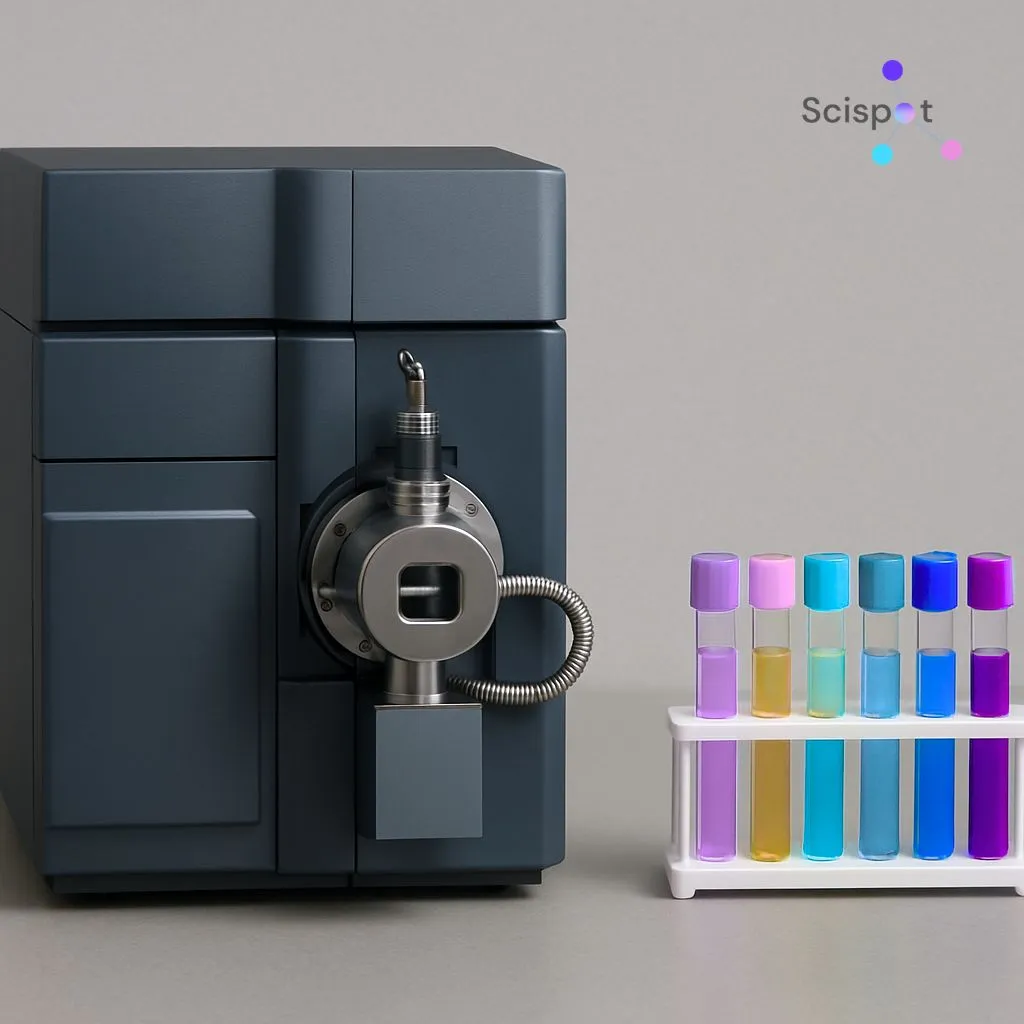
Many labs face a simple choice. They can buy a large automated system, or they can keep using low-cost manual kits. That is the basic tradeoff between MALDI-TOF mass spectrometry and traditional biochemical testing. MALDI-TOF identifies microbes by analyzing protein patterns. Biochemical kits rely on visible chemical reactions. Both support pathogen detection, but the cost profile is very different.
Manual kits make sense for rural clinics or smaller labs that test only a limited number of samples each week. The upfront cost is low. The problem is that every test uses more materials, so reagent overhead keeps building. Once volume goes up, those ongoing costs add up fast.
MALDI-TOF changes that math. The instrument is expensive upfront, often on the scale of a major capital purchase. But the per-test cost can drop to pennies because it relies far less on disposable chemicals. That is why the MALDI-TOF mass spectrometry vs. biochemical testing decision usually comes down to break-even point and daily sample volume.
In practice, the right choice depends on how many samples a lab handles each day. Smaller sites often stick with chemistry-based methods. High-volume labs benefit more from automation. For labs caught in the middle, ones that cannot afford a large system but also do not want slow manual workflows, portable molecular tools are becoming a practical option.
DNA barcoding on a budget with handheld molecular tools
Trying to identify an unlabeled can of soup is hard until you scan the barcode. Microbes have their own kind of barcode in their DNA. Reading that code is changing how small labs work. One common option is low-cost 16S rRNA sequencing, which reads a specific region of bacterial DNA to help identify the organism. It gives small labs a way to identify microbes without needing huge, high-cost instruments.
Sometimes a lab does not need to find just one germ. A doctor may need to check for several at once. Running separate tests for each one gets expensive. Multiplex PCR helps solve that problem by looking for multiple targets in the same run. It works like a smart search that checks a sample for several genetic markers at once. That can lower diagnostic cost in a big way, especially for smaller clinics that need more information without running many separate tests.
These tools are also getting smaller and easier to use. Affordable molecular diagnostic tools for clinics now include portable and bench-top systems that work in tighter lab spaces and with leaner teams. Common examples include USB-sized DNA sequencers that connect to a laptop, compact PCR systems that deliver results quickly, and cartridge-based systems that reduce the need for advanced chemistry skills.
Buying compact tools is only part of the picture. Labs can also lower costs by tightening daily operations.
4 practical ways to reduce cost without giving up accuracy
Small labs often lose money in quiet ways. Reagents expire. Staff spend time on repeat tasks. Machines wear down faster than they should. A few simple habits can make a real difference.
One of the easiest fixes is to buy reagents in smaller amounts when possible. Bulk purchases may look cheaper at first, but they often lead to waste when materials expire before use. Leaner purchasing and better reagent planning help reduce that loss.
Labs also get more value when they take care of their equipment. Routine cleaning helps prevent issues before they affect results. Regular calibration helps make sure the machine still performs as expected. Small checks done on time can stretch the useful life of an instrument and reduce avoidable repair costs.
Workflow matters too. Even a good testing setup becomes inefficient if samples sit around waiting for the next step. A better layout and a clearer handoff process can shorten delays and improve throughput without any major new spend.
Where Scispot fits for small laboratories
Scispot works well for small laboratories that need cost-effective microbial identification without adding more friction to the day. Instead of handling samples, test requests, results, and reports across paper logs, spreadsheets, and separate systems, labs can manage them in one place with clear sample tracking, workflow automation, instrument data capture, and audit-ready records.
That matters even more for small teams, where every hour and every reagent cost shows up fast. By helping labs standardize microbial testing workflows, reduce manual errors, speed up result review, and stay organized as volume grows, Scispot gives small laboratories a practical way to run modern microbial identification workflows on a controlled budget.
To build or to buy: when outsourcing makes more sense
For many small labs, the real question is not just which tool to buy. It is whether to run the test in-house at all. Keeping testing local can improve speed and convenience, but specialized instruments are expensive. In some cases, outsourcing is the more sensible choice.
A simple way to think about it is with three questions. Is this test needed every day? If yes, it may make sense to keep it in-house. Is the target organism rare or unusual? If yes, sending it to a larger reference lab may be safer and cheaper. What are the hidden costs? Maintenance, training, staffing, and downtime can make in-house testing more expensive than it first looks.
That kind of review helps labs decide when a desktop system is worth the cost and when overnight shipping to a third-party lab is the better move.
Your action plan for affordable microbiology
Microbial identification no longer has to be slow, expensive, or out of reach for small labs. Instead of waiting days for culture-based answers, labs now have options that identify microbes through molecular or genetic signals in far less time.
For small facilities, the best path is usually practical, not flashy. Start with the sample volume. Look at the real cost per test. Compare manual kits, compact molecular tools, and outside reference labs. Then build a setup that fits the lab you have now, while leaving room to grow.
The bigger shift is already here. Small labs no longer need to choose between old methods and impossible budgets. With the right mix of workflow design, testing strategy, and lower-cost identification tools, they can deliver faster and more cost-conscious results.