


%20.webp)
How do I choose the best clinical laboratory for my needs?
When you hand over a lab slip, you want one thing: fast, clear answers about your health. But the lab you choose matters more than most people think. According to the CDC, about 70 percent of medical decisions rely on lab data. Choosing the best clinical laboratory is not just another task on your list. It is about getting results you can trust.
A lab test may look simple from the outside, but accuracy depends on how your sample is handled and who is doing the work. Skill levels and equipment quality can vary a lot between labs, so searching for the “best clinical laboratory near me” is not always enough. The closest option may not be the best one.
Picking a lab just because it is convenient can lead to slow results or reports that are hard to understand. When you know what makes a lab reliable, it gets much easier to choose one that gives accurate results when they matter most.
The Gold Standard: How to Verify Accreditation and Safety
Most people assume every healthcare facility follows the same rules, but it helps to know what that means in practice. At a minimum, every clinical lab must meet CLIA certification requirements. You can think of CLIA as the basic license that shows a lab meets legal standards for equipment, testing, and staff qualifications.
Some labs go further and earn CAP accreditation from the College of American Pathologists. That shows a higher level of quality review. To keep that accreditation, labs must pass regular proficiency testing, where outside experts send mystery samples to check whether the lab gets the right answer before it ever handles yours.
Checking a lab’s credentials takes only a few minutes and can save you a lot of doubt later. Here is a simple way to do it:
- Visit the official CMS or CDC website and use the CLIA laboratory lookup tool.
- Search for the lab name or zip code to confirm the lab has active legal status.
- Check the lab’s website or waiting room for the CAP accreditation seal.
Once you know a lab meets safety and quality standards, the next question is practical. Where should you go based on cost, speed, and convenience? That usually means comparing hospital labs with independent centers.
Hospital Labs vs. Independent Centers: Choosing for Speed and Budget
When your doctor gives you a lab order, you usually have two main options: a hospital lab or an independent diagnostic center. That choice affects both cost and timing. Many people assume all labs work the same way, but they often do not.
Independent labs, often called reference labs, handle large volumes of routine testing every day. Because they process so many samples, they are usually more affordable for common blood work and often have stronger in-network ties with major insurance plans. For tests like cholesterol or routine wellness panels, they are often the more budget-friendly choice.

Hospital labs are different. They are usually a better fit when the case is urgent or more complex. Their costs may be higher because of hospital overhead, but they often have specialized staff and on-site clinical support. If a doctor needs fast answers in an emergency or more specialized tissue analysis, a hospital lab may make more sense.
A quick way to compare them:
- Cost: Independent labs are often cheaper for routine tests.
- Speed: Hospitals are often better for urgent cases. Independent labs are built for steady routine turnaround.
- Insurance: Independent centers often offer better in-network coverage for outpatient testing.
Once you narrow the list by budget and timing, it helps to know what happens after your sample leaves your hands. That is where lab technology plays a big role.

The High-Tech Engine: Best 10 Clinical Laboratory Analyzers and Accuracy
After your blood or urine sample goes behind the scenes, it enters a tightly controlled testing environment. Modern labs do not rely only on people mixing tubes by hand. They use automated analyzers to run tests with more consistency and fewer manual errors.
Reliable results depend on two things: precision and accuracy. Accuracy means the test reflects your real health status. Precision means the lab gets the same result each time the test runs. Good automation helps labs do both, which is why advanced equipment matters.
You may never see the machines a lab uses, but strong labs usually rely on trusted analyzer brands. That can be a good sign that they take quality seriously. Five major brands often used in top labs are:
- Roche Diagnostics
- Siemens Healthineers
- Abbott
- Beckman Coulter
- Sysmex
Good equipment matters, but it is only part of the experience. The way a lab collects your sample, shares your results, and helps you understand them matters too.

The Modern Patient Experience: Portals, Phlebotomy, and Interpreting Results
For many people, the hardest part of testing is the blood draw itself. A good lab makes that part easier with short waits, trained staff, and smooth walk-in phlebotomy services. When the process is quick and organized, it is much easier to get it done without stress.
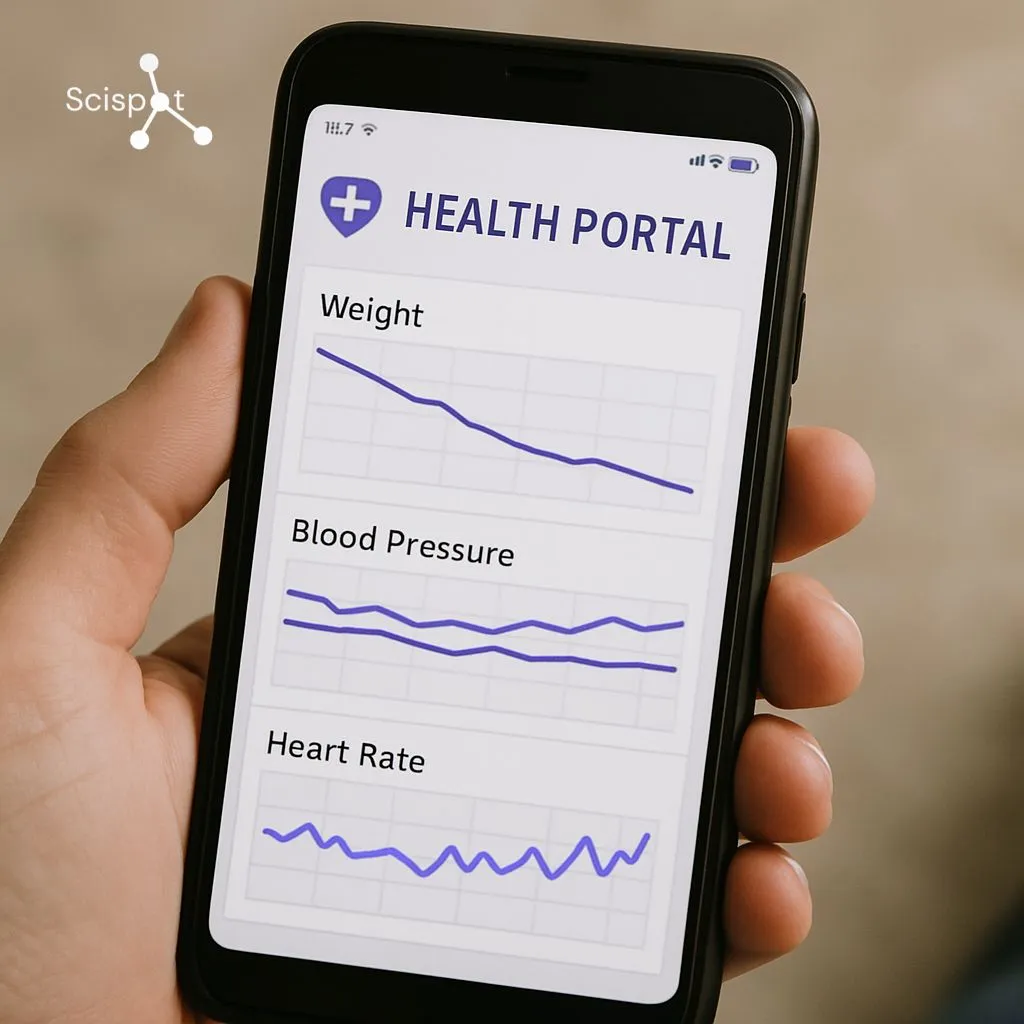
After collection, most people care about one thing: getting results fast. The best labs now offer secure online patient portals, so you can view reports on your phone or computer without waiting for a call. Some portals also show trends over time, which helps you track changes like improved cholesterol after a diet change.
Lab reports can still feel confusing. A few basic terms make them easier to read:
- Result: Your actual test number.
- Reference Range: The expected range for healthy people in your age and gender group.
- Flagged Results: Numbers outside that range, usually marked in red or bold.
When you can see and understand your own results, you play a more active role in your care. That makes it easier to compare labs based on what matters most.
How Scispot Supports a Better Clinical Laboratory Experience
Scispot stands out as a preferred digital solution for clinical laboratories because it helps labs deliver what patients and providers care about most: accuracy, speed, traceability, and a smoother path from sample intake to final report. Instead of relying on scattered spreadsheets, manual handoffs, and old systems, labs can use Scispot to centralize sample tracking, automate workflows, cut reporting delays, and maintain stronger compliance with standards like CLIA and CAP.
It also gives labs modern digital tools for secure data management, workflow automation, audit trails, and patient-ready reporting. That helps labs work with more consistency and gives healthcare teams more confidence in the results. For organizations trying to choose the best clinical laboratory, or build one patients can rely on, Scispot offers the kind of digital backbone that supports better operations and better care.
Your Action Plan: A 5-Point Checklist for Choosing Your Next Lab
You do not have to default to the closest lab every time your doctor gives you a test order. A little checking up front can help you avoid surprise bills, long waits, and weak service. Real quality goes beyond a short line at the front desk.
Before your next appointment, use this checklist:
- Verify the lab is in-network with your insurance plan.
- Look for CLIA or CAP credentials on its website or in the facility.
- Ask about turnaround times for your specific test.
- Read recent patient reviews, especially about staff and the sample collection experience.
- Make sure the lab offers a secure and easy-to-use digital portal for results.
A quick five-minute check can make a big difference. The right lab gives you more than a report. It gives you confidence that the data behind your care is solid and worth trusting.
If you want, I can also make this slightly tighter for blog publishing while keeping the same meaning.