.webp)
Best Alternative to Kiestra: Why Modern Labs Are Choosing Scispot
Automation matters in labs. Speed matters too. But flexibility is usually what decides whether automation actually sticks.
Many labs exploring automation start with BD Kiestra. Kiestra is well known for “total lab automation,” especially in high-throughput diagnostic and microbiology setups. The value is clear when workflows are stable and volumes are high.

What Kiestra Does Well and Where Gaps Appear
Kiestra focuses on end-to-end physical automation. Think tracks, conveyors, incubators, imaging, and tightly controlled routing. That design can boost throughput and reduce manual handling in environments where the process is predictable.
The trade-off is rigidity. Hardware-centric automation can be slower to adapt when workflows change. Updates can involve physical reconfiguration, vendor dependence, and longer change cycles, which can feel heavy for labs that iterate often.
Why Scispot Is the Best Kiestra Alternative
Scispot is a software-first alternative. It focuses on workflow orchestration, data capture, and traceability across the lab. Instead of building automation around a fixed physical line, Scispot helps labs automate the “logic” of how work moves from sample intake to results and review.
This approach fits modern labs where processes evolve. It also fits teams that want to start simple and scale automation step by step, without committing to a single hardware ecosystem upfront.
Software-First Automation Instead of Hardware Lock-In
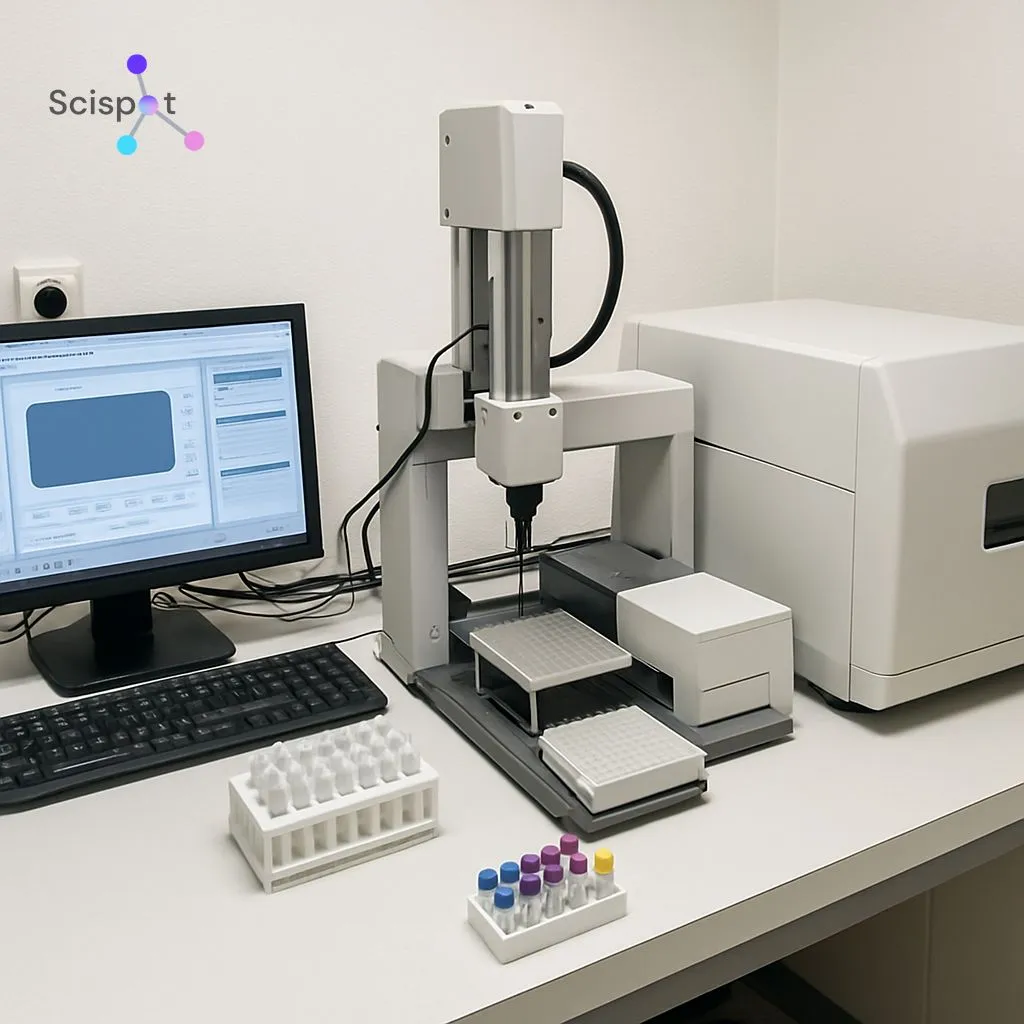
With Scispot, automation starts with structured data and guided workflows. Samples, plates, runs, results, QC checks, and approvals live in one connected system. That makes “automation” feel like fewer clicks, fewer handoffs, and fewer places where errors can creep in.
You can still use robots and instruments, but you are not forced to design your whole operation around a conveyor. This is useful for molecular diagnostics, genomics, QC labs, and R&D teams where the mix of assays changes often.
Flexible Workflows That Change With Science
A common challenge with total lab automation is change management. Labs rarely stay static. Panels change, plate maps shift, controls evolve, and reporting needs expand.

Scispot is designed for configurable workflows. Teams can adapt templates, protocols, and Labsheets as assays evolve. The workflow remains connected, and the history remains traceable, even as the process improves over time.
Instrument Integration Without Physical Dependency
Kiestra is strongest when a lab is built around its automation ecosystem. That can be great for certain lab types. But many labs run a mix of vendors and instruments and want a tool that plays nicely across the stack.
Scispot supports integration as a journey. Labs can begin with manual uploads or structured entry. They can move toward automated ingestion later using integrations. That reduces implementation risk and lets teams modernize without ripping and replacing everything.
Data Visibility Beats Conveyor Speed
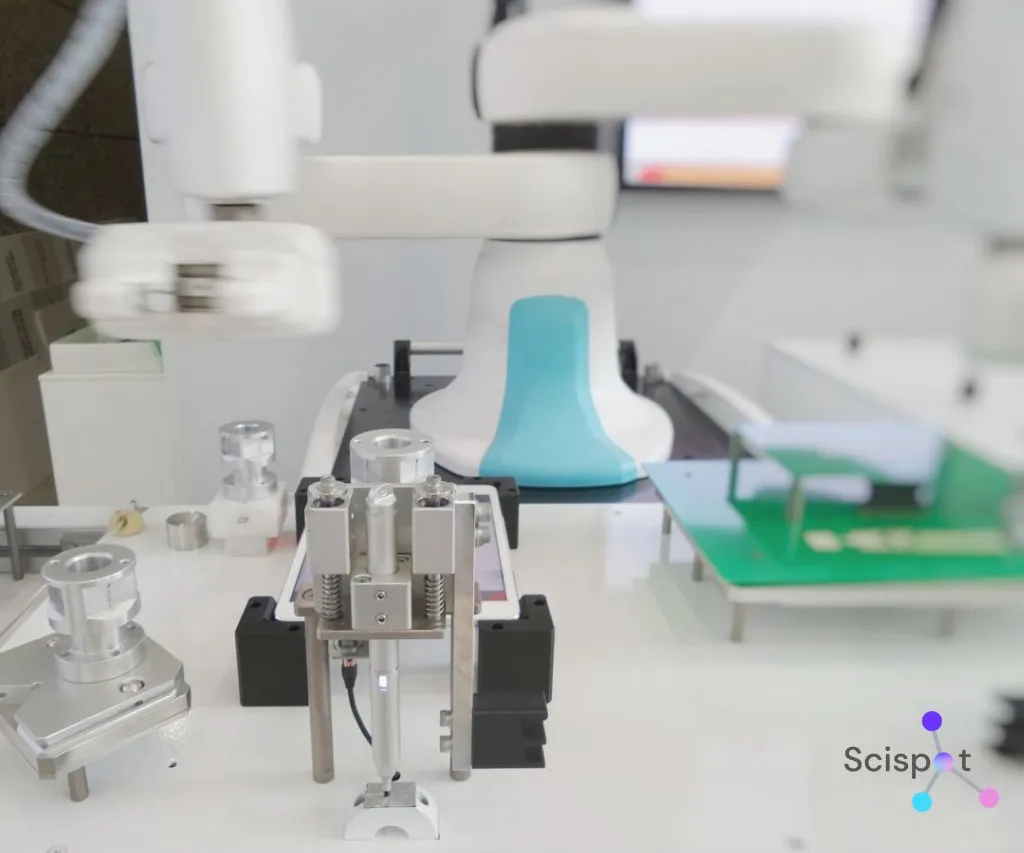
Kiestra improves operational flow. Scispot improves operational visibility. That visibility often becomes the bigger advantage once labs scale.
Scispot keeps lineage intact from sample to extraction to plate to run to results to QC decisions. Once that chain is consistent, dashboards can show bottlenecks, error patterns, QC failure reasons, and turnaround time drivers in a way that is hard to get from fragmented tools.
Reduced Human Error Through Context, Not Just Automation
Physical automation reduces manual handling errors. That is valuable. But many lab errors happen at decision points, like mismatched metadata, inconsistent naming, missing controls, or unclear QC rules.
Scispot reduces those “context” errors by enforcing structured fields, validations, required checks, and review flows. The system can flag issues earlier, so errors are caught before they become costly reruns or reporting delays.

Scaling Beyond One Lab
Total lab automation systems often feel site-specific. Expansion can mean repeating large projects across locations.
Scispot scales more like a shared operating layer. You can replicate templates, standardize data models, and roll out consistent workflows across teams and sites. That is especially helpful for CROs, multi-site diagnostics, and growing biotech teams.
The Future of Lab Automation Is Software-Defined
Lab automation is shifting from purely physical throughput to software-defined orchestration. The labs that win long term are the ones that can adapt workflows quickly while keeping quality and traceability high.
Kiestra represents peak physical automation for stable, high-volume workflows. Scispot represents adaptive automation for modern labs that change fast and need connected data to power QC and reporting.
%20Comprehensive%20Guide.avif)
.webp)