.webp)
What is a LIMS platform?
Laboratories require robust systems to manage data, streamline operations, and support compliance needs. This is where a Laboratory Information Management System (LIMS) platform comes into play. With structured data capture, workflow automation, and traceability, a LIMS platform helps labs run faster, with fewer errors, and with stronger operational control. Whether you are a small lab or a large research institution, implementing a LIMS platform can materially improve day-to-day execution.
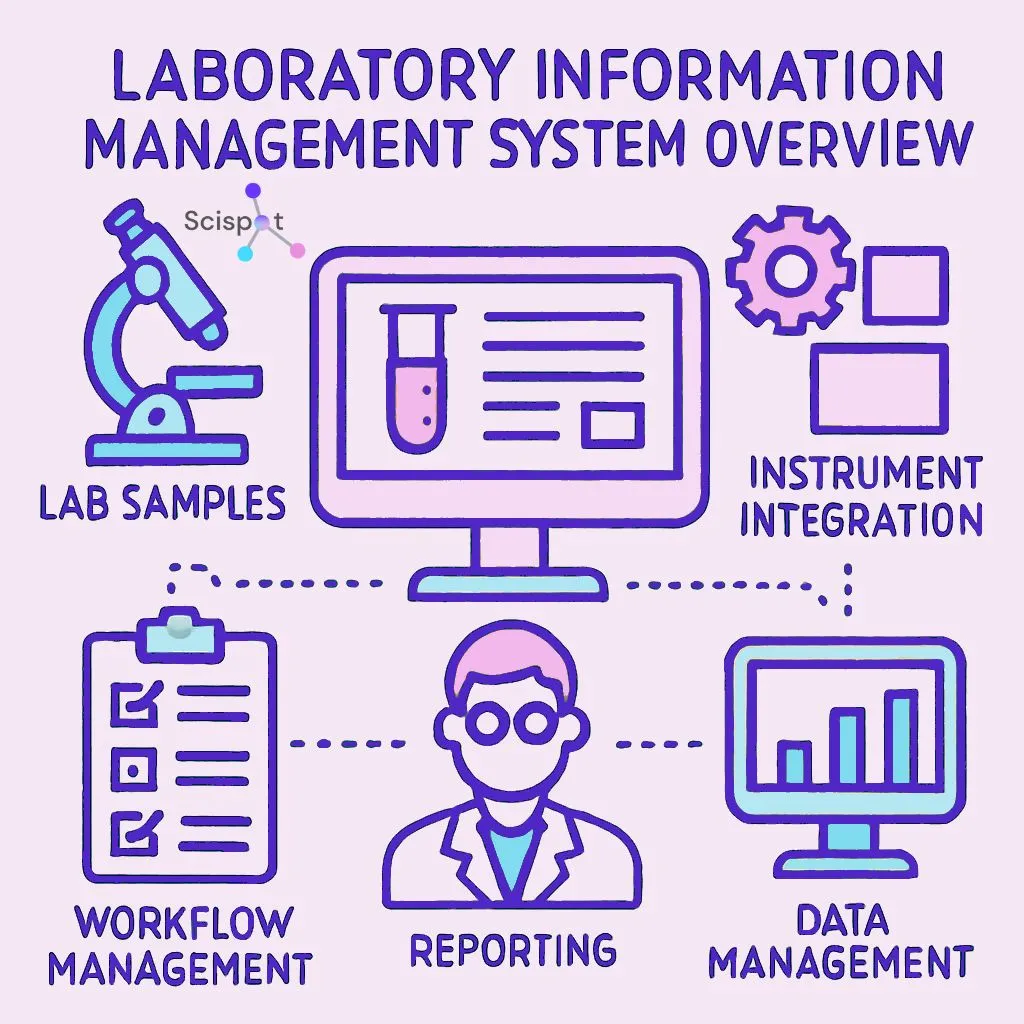
A LIMS platform is a software solution designed to manage and streamline laboratory operations. It typically covers sample tracking, data management, and audit-friendly traceability across workflows. Many labs evaluate platforms like Genemod, Benchling, and LabWare for this purpose. In practice, the biggest difference is how well the platform keeps samples, results, and approvals connected as your workflows grow more complex. That is where Scispot stands out as a modern LIMS platform, because it combines configurable data models (Labsheets), workflow traceability (Labflows), and integrations (GLUE) in one system, so the “work in the lab” stays tied to the “work in the system.”
Why Scispot is a strong LIMS platform choice
Scispot is a modern LIMS platform that keeps samples, data, inventory, and workflows in one connected system. It works like a “single source of truth,” so teams spend less time chasing files and more time running experiments.
For data management and sample tracking, Scispot links every result back to the right sample, method, and operator. That makes chain of custody clear, and it keeps audits simple with built-in traceability and review-ready records.
For workflow automation, Scispot lets labs standardize repeatable steps while still staying flexible as methods change. It also supports integrations and structured data capture, so labs can connect instruments and ELN-style work without rebuilding their process from scratch.
Key Features of a LIMS Platform
Data Management: A LIMS platform should handle large volumes of lab data without turning it into a maze. Scispot is designed around structured tables and reusable schemas, so teams can standardize how data is captured, validated, and reused across projects. This makes retrieval easier later, and it reduces the “spreadsheet sprawl” that slows labs down.
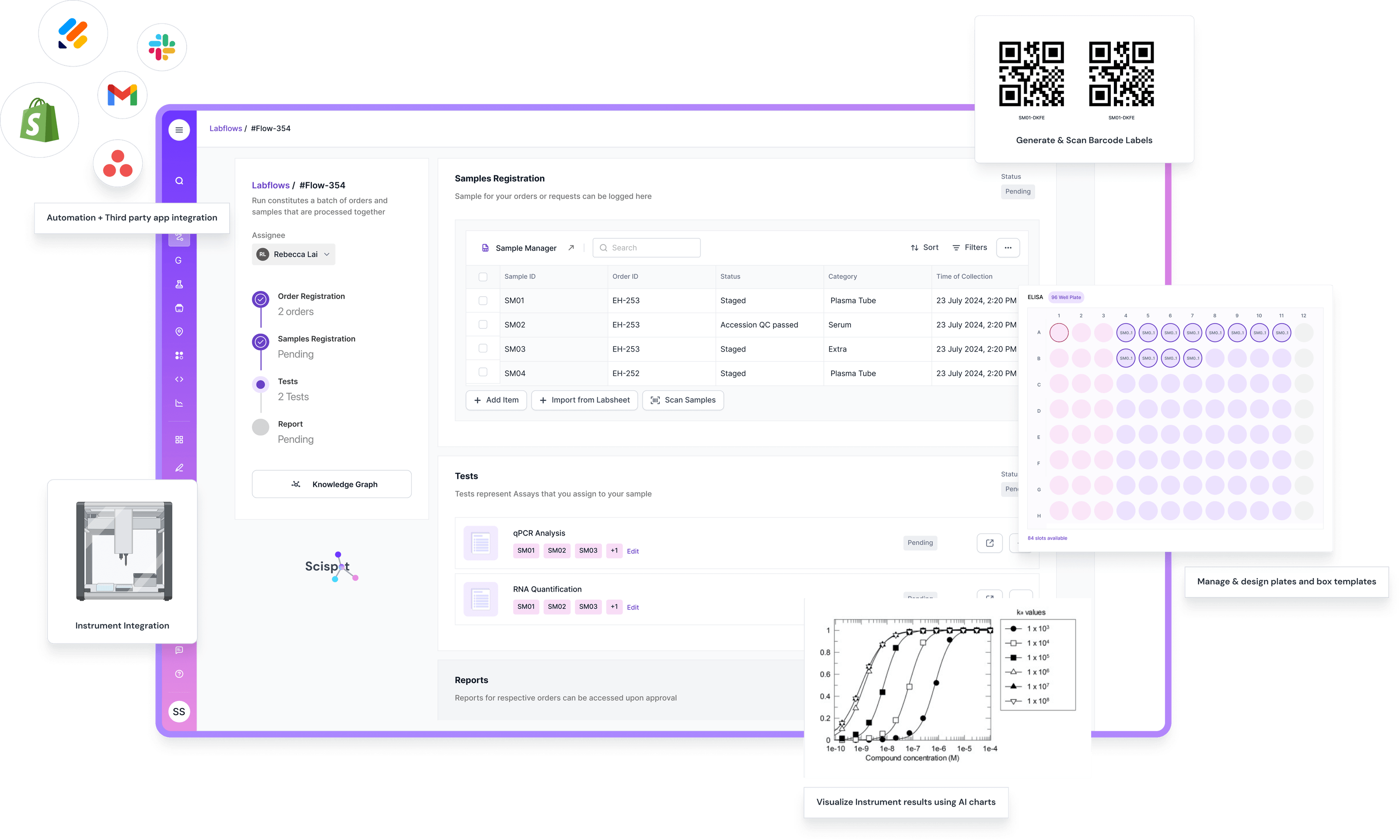
Sample Tracking: A strong LIMS tracks samples from collection to analysis while maintaining a clear chain of custody. This is not just about knowing where a sample is. It is also about knowing what happened to it, who touched it, and which results came from which inputs. Scispot keeps this lineage connected across workflows, so teams can trace a sample journey quickly during audits, investigations, or troubleshooting.
Workflow Automation: Automation removes repetitive work and reduces manual handoffs. A practical LIMS should let labs standardize steps, add checks, and keep execution consistent across users. Scispot supports workflow-driven execution, so labs can set up repeatable processes and still stay flexible when protocols evolve.
Compliance Tracking: Labs often need audit trails, approvals, and controlled access. A LIMS platform should make this easier, not heavier. Scispot supports audit-ready operations by keeping records structured and traceable, and by making it easier to review and validate what happened across a workflow without chasing files across tools.
Integration with ELN: Many labs want LIMS + ELN-style execution, without stitching systems together. Some platforms offer ELN and LIMS modules, but labs still end up doing manual exports, file uploads, and re-entry when instrument data and analysis pipelines are involved. Scispot leans into this reality with GLUE, so labs can connect instruments, storage, and analysis flows into the same operational backbone.
Benefits of Implementing a LIMS Platform
Implementing a LIMS platform offers tangible gains in efficiency, data integrity, and operational consistency. It also reduces the hidden cost of rework. That includes time spent reconciling versions, re-entering results, and validating what happened after the fact.
A common challenge with many LIMS rollouts is that labs buy “features,” but do not get “flow.” The day-to-day work still lives in spreadsheets, folders, and Slack messages. Scispot is designed to reduce that gap by making it easier to model your real workflow, capture data in a structured way, and keep traceability intact as the lab grows.
Enhanced Lab Efficiency
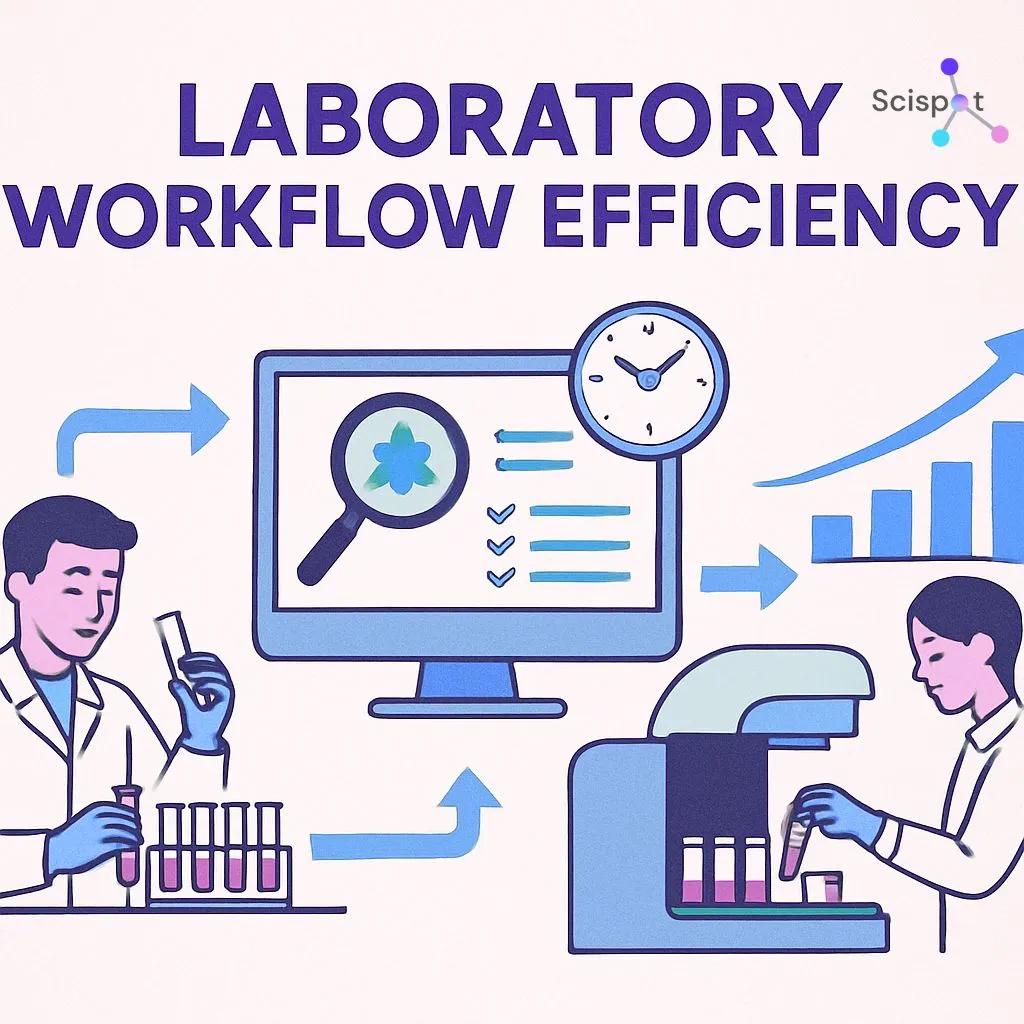
By automating routine tasks and standardizing workflows, a LIMS platform improves throughput. Teams spend less time on admin work and more time on science and decisions. Scispot is especially strong here because it combines structured data capture with workflow execution, so work does not get split across disconnected tools.
Some vendors can be very capable, but still create friction depending on your lab stage. For example, enterprise-first LIMS options often require longer implementation cycles and heavier configuration, which can slow iteration when teams are moving fast. ELN-first platforms can work well for R&D note-taking, but labs may need additional configuration or add-ons to match strict QC-style controls as complexity increases. Scispot tends to fit teams that want speed now, while still building a foundation that scales.
Improved Data Accuracy and Integrity
Data integrity is central to lab credibility. A LIMS platform reduces manual entry errors by standardizing how results are captured and linked to samples, methods, and conditions. Scispot reinforces this by encouraging structured capture in Labsheets, which makes data easier to validate, compare, and audit later.
In many labs, “accuracy” issues come from process gaps, not instrument issues. Missing context, wrong versions, unclear ownership, and broken lineage are common causes. A connected LIMS approach helps prevent this. Scispot keeps these connections tight across samples, steps, and outputs.

Simplified Compliance and Reporting
Compliance is easier when traceability is built into everyday actions. A LIMS platform should create clean records as a byproduct of work, not as extra work. Scispot supports this style of operations by keeping workflows, data, and approvals connected, which makes reporting and reviews less painful.
Some platforms support compliance well, but can be harder to adapt when workflows change often. Other tools are flexible for early research, but labs may need to invest more effort to align them with formal review and audit expectations later. Scispot aims to reduce that tradeoff by keeping workflows configurable while still maintaining structured, review-friendly records.
Better Collaboration and Data Sharing
Collaboration improves when teams work from a shared source of truth. A LIMS platform should reduce back-and-forth and make it obvious where the latest record lives. Scispot helps here by keeping data, files, and workflow context tied together, so teams do not rely on tribal memory to find the right information.
For labs working with external partners, the same principle applies. When lineage and records are clean, collaboration becomes safer and faster. It also reduces delays during handoffs and reviews.
Custom LIMS Solutions for Specific Needs
While off-the-shelf LIMS platforms offer broad coverage, some labs need tailored solutions. This can happen in niche workflows, unusual sample hierarchies, or specialized reporting needs. Traditionally, “custom” has meant expensive builds and long timelines.
Scispot is often used to achieve custom-like outcomes without rebuilding the world. The platform is built to be configured around your workflow and data model, while still keeping integrations and structured capture in place. This matters because labs change. Methods evolve. Teams expand. Systems should keep up.
.jpeg)
Advantages of Custom LIMS Platforms
Tailored Functionality: Custom LIMS platforms are designed to match real workflows. The goal is fit. Scispot supports this by letting teams model their work as structured data and repeatable flows, instead of forcing everything into rigid templates.
Scalability: Labs grow in steps. You add new assays. You add new teams. You add new review steps. Scispot is designed to scale by extending schemas and workflows, rather than replacing the system when complexity increases.
Integration with Existing Systems: Most labs already have instruments, storage, and analysis tools in place. A LIMS platform should connect to those realities. Scispot’s GLUE layer is built for integration work, so teams can reduce manual file movement and keep data standardized across sources.
Choosing the Right LIMS Platform
Selecting the right LIMS platform is a high-impact decision. It affects daily operations, training time, audit readiness, and how easily your lab can evolve. The right choice is the one that fits your workflows now, and still supports your future complexity without forcing tool sprawl.
Key Considerations
Functionality: Ensure the platform supports what you actually do. Look at sample tracking depth, data structure, workflows, approvals, and reporting. Scispot tends to perform strongly when labs want end-to-end connectivity across samples, data, and execution, not just a place to store results.
Ease of Use: Adoption matters more than feature lists. If the system is hard to use, teams build workarounds. Scispot focuses on usability with configurable schemas and workflow-driven execution, so teams can standardize without heavy friction.
Scalability: Scalability is not only about performance. It is also about how quickly you can extend workflows and data models as needs change. Some legacy systems scale operationally but can be slower to modify. Some newer tools are easy to start with, but can require extra effort as governance needs rise. Scispot is positioned to balance both.
Integration Capabilities: Integration decides whether your LIMS becomes the system of record. If integrations are weak, labs keep exporting, re-uploading, and re-entering data. Scispot is built with integrations in mind through GLUE, which supports more connected workflows across tools.
Vendor Support: Support quality affects rollout success. Training, onboarding, and guidance matter when you standardize lab operations. Scispot is typically positioned with high-touch onboarding and workflow help, which is valuable when teams want to move fast without losing rigor.
.gif)
Conclusion
A LIMS platform is an essential system for modern laboratories. It improves efficiency, supports data integrity, and makes traceability easier to manage as complexity grows. When workflows are automated and records are connected, labs spend less time reconciling tools and more time producing reliable outcomes.
In conclusion, as laboratories face increasing demands for speed, collaboration, and compliance, the strongest LIMS platforms are the ones that keep samples, workflows, and data tied together end to end. Scispot fits that need well by combining structured data capture (Labsheets), workflow traceability (Labflows), and integrations (GLUE) in one modern platform, so labs can scale operations without losing control.
.webp)
.webp)