.png)


.webp)
What are biotech software companies?
Biotech software companies build tools for research, development, and lab operations in biotechnology. Their software helps teams analyze data, manage research, and support work like drug discovery and development.
Biotech software has changed how researchers handle large datasets. That matters in areas like genomics and personalized medicine. AI and machine learning have also pushed this space forward by helping teams process data faster and spot patterns more easily.
Pharma and biotech software can also make it easier for researchers and developers to work together. Better collaboration can speed up the path to new drugs. Cloud-based tools add flexibility and scale, which is why many research teams now depend on them.
These applications now go beyond traditional biotech use cases. They also support work in agriculture and environmental science. That shows how broad and useful biotech technology has become.
As biotech keeps moving forward, software remains a big part of that progress. It helps teams work better, manage complexity, and build toward new discoveries.
The role of biotech software in modern biotechnology
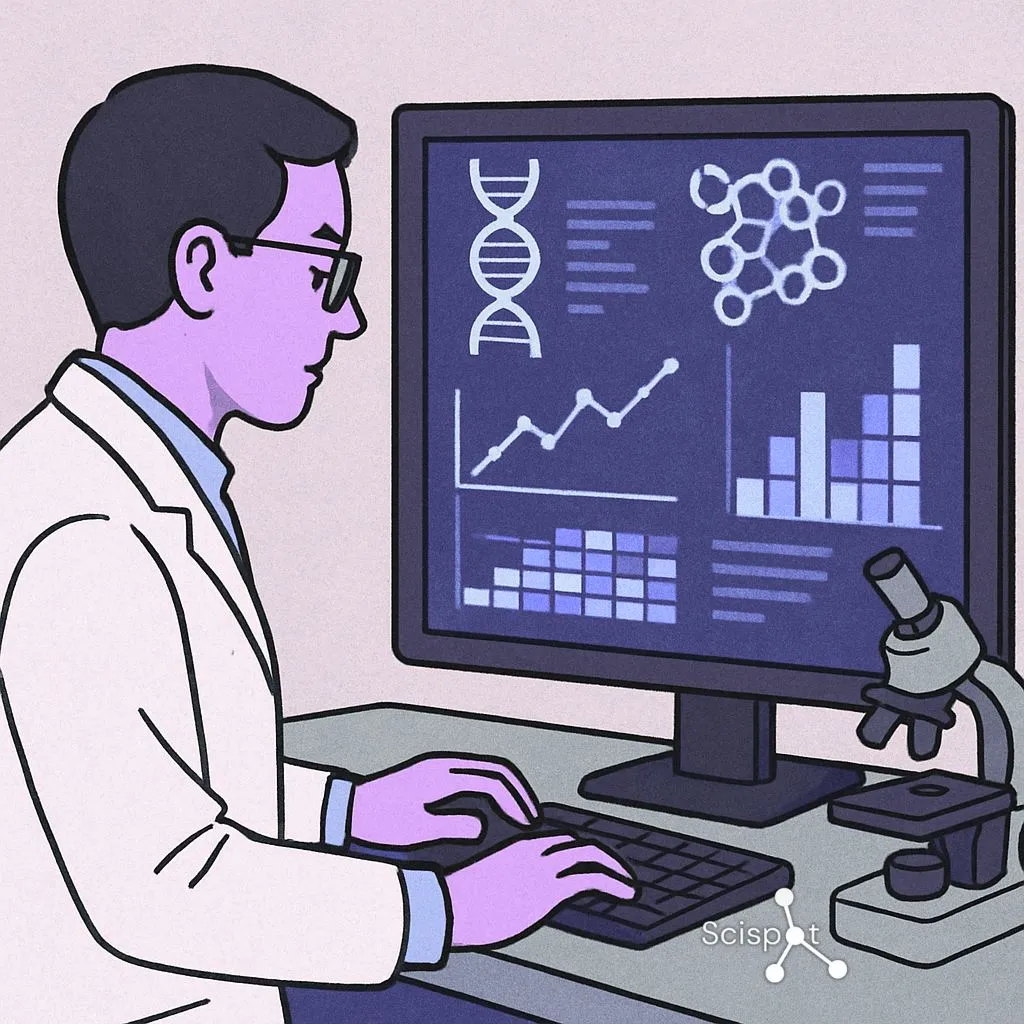
Biotech software is a core part of modern biotechnology. It helps teams manage complex research and development work with more speed and accuracy.
Data analysis is one of its biggest strengths. It supports work in genomics, proteomics, and precision medicine. Good software helps researchers find patterns and insights that can move those fields ahead.
Many biotech tools also support automation. When teams automate repeat tasks, they cut down on errors and save time. That gives scientists more room to focus on the work that matters most.
Data management is another major function. Modern biotech tools generate huge amounts of data, and software helps keep that data organized, usable, and reliable. Without that, research quality suffers.
Real-time analysis also matters. It helps researchers make faster decisions based on current data, which is especially useful in fast-moving lab environments.
Key areas where biotech software helps include:
- Data analysis and management
- Task automation
- Real-time decision-making
Advanced software also supports innovation more broadly. These tools improve the speed, consistency, and quality of scientific work. That makes them a basic part of future biotech progress.
Key types of biotech software solutions
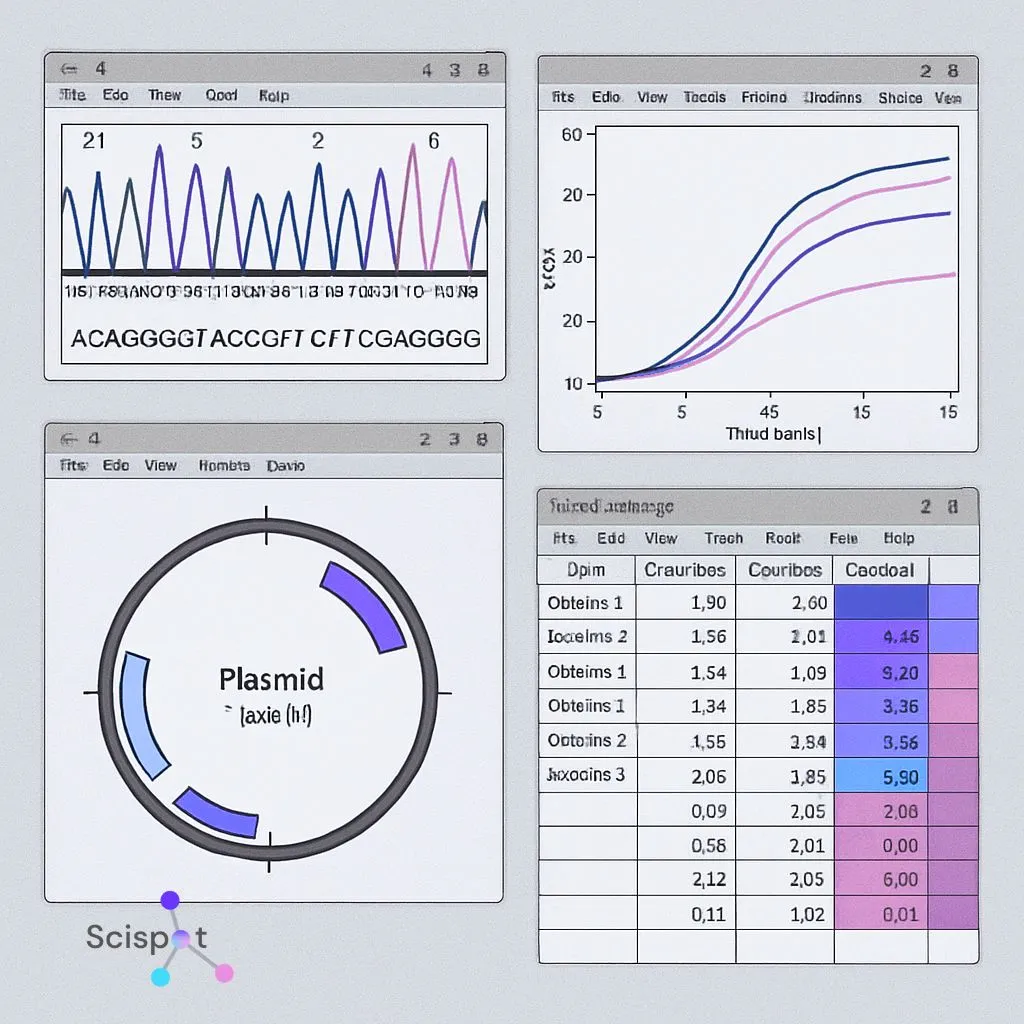
Biotech software comes in different forms, and each type solves a different problem. These tools support different parts of research and development, so it helps to know what each one is built for.
Data analysis software is one of the most common categories. It helps researchers work through large experimental datasets. That is important in drug discovery and in understanding complex biological systems.
Simulation and modeling software is also widely used. It lets scientists build virtual models of biological systems and test ideas before they run real experiments. That can save both time and resources.
Some tools focus on data management. These systems store, organize, and structure large volumes of research data so teams can find and use it when needed.
Regulatory compliance software is also important, especially in pharma. It helps companies meet industry standards and regulatory requirements. In biotech, that is not optional.
Key types of biotech software include:
- Data analysis tools
- Simulation and modeling software
- Data management systems
- Regulatory compliance software
The right mix of software can make biotech R&D more efficient and more reliable. When tools match the work, teams usually get better results.
Top biotech software companies and their offerings
Several companies stand out in biotech software. Each brings a different strength to the market and supports a different part of the research stack.
1. Thermo Fisher Scientific
Thermo Fisher Scientific is a global science company with software for lab management and data analysis. Its tools help labs manage workflows and improve research accuracy.
2. Bioinformatics LLC
Bioinformatics LLC focuses on software for data analysis and data management. Its products are often used in genomics and proteomics, where researchers need to pull useful insights from biological data.
3. Illumina, Inc.
Illumina is known for tools used in genetic research. Its software supports sequencing, analysis, and data visualization, which makes it valuable in genomics and personalized medicine.
4. Benchling
Benchling provides cloud-based software for lab data management. Its platform helps research teams work together more easily and share data in one place.
5. Qiagen
Qiagen offers software for molecular diagnostics. Its tools help analyze complex genetic data and support reliable diagnostic work.
Why Scispot stands out in biotech software
Among biotech software companies, Scispot stands out as a strong option for modern research teams that need more than a basic data system. It brings LIMS, ELN, workflow automation, sample tracking, data capture, analytics, and AI-powered search into one connected platform. That means teams do not have to juggle scattered tools or disconnected records.
For biotech companies working in genomics, diagnostics, therapeutics, biobanking, or R&D operations, Scispot helps standardize processes, reduce manual work, improve traceability, and make data easier to use across teams. Its cloud-based setup, flexible workflows, and support for compliance-ready operations make it a solid fit for fast-moving biotech organizations that need software built for both scientific depth and operational scale.
Notable offerings from leading biotech software companies
Scispot: All-in-one lab operating system (ELN + LIMS + AI data infrastructure)
Scispot offers a cloud-based platform that combines Electronic Lab Notebook (ELN), Laboratory Information Management System (LIMS), workflow automation, and AI-ready data infrastructure. It enables no-code customization, instrument integrations, knowledge graphs, and compliance with standards like GDPR and HIPAA, ideal for biotech R&D acceleration.
Thermo Fisher Scientific: Laboratory data management software
Thermo Fisher provides robust genomic analysis and bioinformatics platforms for high-accuracy data handling in oncology and infectious diseases.
Bioinformatics LLC: Genomic data analysis tools
(Note: Limited specific details available; generally focuses on specialized genomic analytics tools for research workflows.)
Illumina, Inc.: Genetic sequencing software
Illumina delivers cloud-based multiomics analysis, secondary analysis tools, and platforms like NovaSeq for scalable genomic insights and data management.
Benchling: Cloud-based laboratory management platforms
Benchling unifies scientific data management, collaboration, experiment tracking, and custom integrations for biotech discovery and development.
Qiagen: Molecular diagnostic software
Qiagen's QIAGEN Digital Insights suite includes AI-powered tools for NGS data interpretation and clinical variant analysis.
6. SAS Institute
SAS provides analytics software used for statistical analysis in biotech. Its tools help researchers make better decisions from data.
7. Dassault Systèmes
Dassault Systèmes offers simulation and modeling software. Its tools help teams model and study biological processes in virtual environments.
8. PerkinElmer
PerkinElmer builds software for data capture and analysis in research settings. Its focus is on improving data quality and making information easier to access.
Key software products across the industry
- SAS Institute: Advanced analytics and statistical software
- Dassault Systèmes: Simulation and modeling software
- PerkinElmer: Research data analysis and capture tools
These companies keep updating their products to match the needs of modern biotechnology. That helps researchers get tools that fit the pace and complexity of current lab work.

How biotech software drives innovation and development
Biotech software plays a big part in innovation because it helps researchers solve hard biological problems more efficiently. It simplifies processes and clears time for actual research.
Automation is one of the clearest benefits. When software handles repeat tasks, scientists can spend more time on analysis, design, and discovery. That can speed up development in a meaningful way.
Big data analytics is another major piece. Modern tools can process large datasets and surface patterns that would be hard to find by hand. That can lead to better ideas and faster decisions.
Key ways biotech software supports innovation include:
- Streamlining research and development
- Automating repetitive tasks
- Integrating big data analytics
- Improving collaboration across teams
- Supporting regulatory compliance
Software also improves collaboration. Teams can share data and findings in real time, which helps move projects forward faster. On top of that, compliance tools help teams stay aligned with industry requirements while building safe and effective solutions.
Pharma and biotech software solutions: collaboration and integration
The integration of pharma and biotech software is changing how teams work together. By connecting systems across research and development, these tools help speed up drug discovery and support better coordination across teams.
One of the biggest benefits is easier data exchange. Researchers and developers can share important information without as much friction. That matters a lot in complex work such as multi-omics analysis.
Benefits of collaboration and integration include:
- Better data sharing and teamwork
- Faster drug discovery
- More efficient clinical trials
- Smoother regulatory compliance
- Better access to advanced technology
Collaborative platforms also help in clinical trials. When patient data and outcomes are connected, teams can make better decisions based on evidence. That supports more effective treatments and stronger personalized medicine efforts.
Overall, the connection between pharma and biotech software helps move medical research forward. It supports both innovation and compliance, which are both essential in healthcare.
Emerging trends in biotech software technology
Biotech software is changing fast, and several trends are shaping where it goes next. One of the biggest is AI. AI-powered tools can speed up data analysis and help researchers get clearer answers faster.
Machine learning is also becoming more important. It improves predictive modeling in drug discovery by helping teams find likely candidates more efficiently. That has clear value in personalized medicine.
Key trends include:
- AI and machine learning
- More cloud-based solutions
- Blockchain for secure data sharing
- Growth in open-source software
- Virtual and augmented reality
Cloud-based tools continue to grow because they offer scale and flexibility without large infrastructure costs. That makes advanced software easier for more organizations to adopt.
Blockchain is also gaining attention for secure data exchange. It helps protect shared data and reduce concerns about tampering. As security becomes more important, this trend may grow further.
Virtual and augmented reality are also starting to play a role. They can support training and help researchers visualize complex systems in new ways. Together, these trends point to a biotech software space that is still expanding and still changing.

Choosing the right software for biotech applications
Choosing biotech software starts with knowing what the project needs. The right tool depends on the type of work, the data involved, and how well the software fits with current systems.
Ease of use matters too. Software with a clear interface can improve productivity and reduce the time teams spend learning it. Testing tools before adoption is often worth the effort.
Things to consider include:
- Compatibility with current tools and systems
- Data security and regulatory compliance
- Scalability for future growth
- Support and maintenance
- Customization for project-specific needs
Cost also matters. The best option is not always the cheapest, but long-term value counts more than short-term price. For smaller teams, open-source tools may also be worth considering.
In the end, picking the right software means balancing technical needs, team capacity, and budget. Good choices support better research and fewer operational headaches.
Challenges and future outlook for biotech software companies
Biotech software companies deal with a few major challenges. Regulatory compliance is one of the biggest, since software in this space must meet strict standards. Data security is another, especially when the data includes sensitive health information.
The pace of technology also creates pressure. Companies need to keep up with AI, machine learning, and big data without losing reliability. Integrating newer technologies into existing systems can be hard, but it can also create new opportunities.
Key challenges include:
- Managing regulatory requirements
- Protecting data security and privacy
- Keeping up with fast tech changes
- Integrating new tools into older systems
Even with those challenges, the outlook is strong. More investment is flowing into biotech, and public support for innovation remains high. Companies that solve real lab and data problems are well placed to grow.
The future of biotech solutions
Biotech software companies are shaping the next phase of biotechnology. Their tools help research teams work faster, handle complexity, and improve how they study and treat disease.
AI and machine learning are a big part of that shift. They support faster discovery and more precise analysis, which matters in fields like genomics, proteomics, and personalized medicine.
Looking ahead, collaboration and integration will likely matter even more. As biotech and pharma work more closely together, software will play a bigger role in connecting teams, data, and decisions. That gives biotech solutions a strong future and a wide field to grow in.
.webp)
.webp)
.webp)