.webp)
Biotech Farming Techniques: A Revolution in Agriculture
In a world where the population is rapidly growing and natural resources are increasingly scarce, the need for innovative solutions in agriculture has never been more critical. Biotech farming, or agricultural biotechnology, is at the forefront of this revolution, offering advanced farming methods that promise to enhance crop yields, improve food security, and promote sustainable farming practices. Let's explore how biotech agriculture is shaping the future of farming and why it is essential for a sustainable future.
Biotech farming involves the use of scientific techniques to modify plants, animals, and microorganisms to improve agricultural productivity and sustainability. This innovative agriculture approach leverages genetic engineering, molecular markers, and other biotechnological tools to create crops that are more resilient to environmental stresses, pests, and diseases.
Key Components of Biotech Agriculture
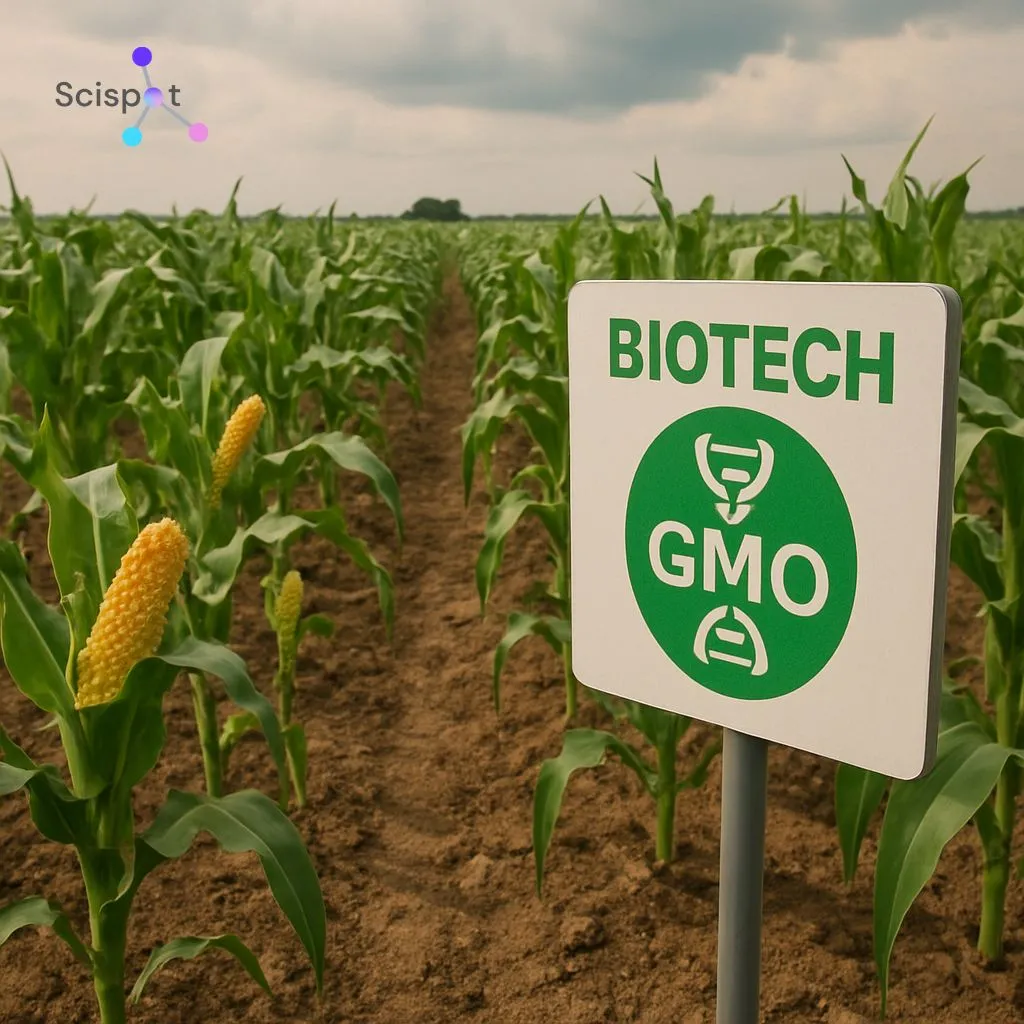
- Genetically Modified Organisms (GMOs): GMOs are at the heart of biotech farming. These are crops and animals that have been genetically engineered to possess specific traits, such as resistance to pests or tolerance to harsh environmental conditions. This leads to higher crop yields and reduces the need for chemical pesticides.
- Molecular Breeding: This technique involves using molecular markers to select plants and animals with desirable traits, speeding up the breeding process and enhancing the precision of traditional breeding methods.
- Biopesticides and Biofertilizers: Biotech agriculture also focuses on developing natural alternatives to chemical pesticides and fertilizers, promoting a more sustainable farming approach that minimizes environmental impact.
The Benefits of Biotech Farming
Biotech farming offers several advantages that make it a vital component of modern agriculture. These benefits include increased productivity, enhanced food security, and a reduced environmental footprint.
Increased Productivity
One of the primary goals of biotech farming is to increase agricultural productivity. By creating crops that are more resilient to environmental stresses, farmers can achieve higher yields even in challenging conditions. This is particularly important in regions where food production is limited by factors such as drought or poor soil quality.

Enhanced Food Security
Biotech agriculture plays a crucial role in improving food security by ensuring a stable and abundant food supply. With the ability to develop crops that are resistant to pests and diseases, biotech farming reduces crop losses and ensures that more food reaches consumers.
Sustainable Farming Practices
Sustainability is a core focus of biotech farming. By reducing the need for chemical inputs and promoting natural alternatives, biotech agriculture minimizes the environmental impact of farming. This leads to healthier ecosystems and ensures that agricultural practices can be maintained for future generations.
Smart Farming Techniques: Precision and Innovation
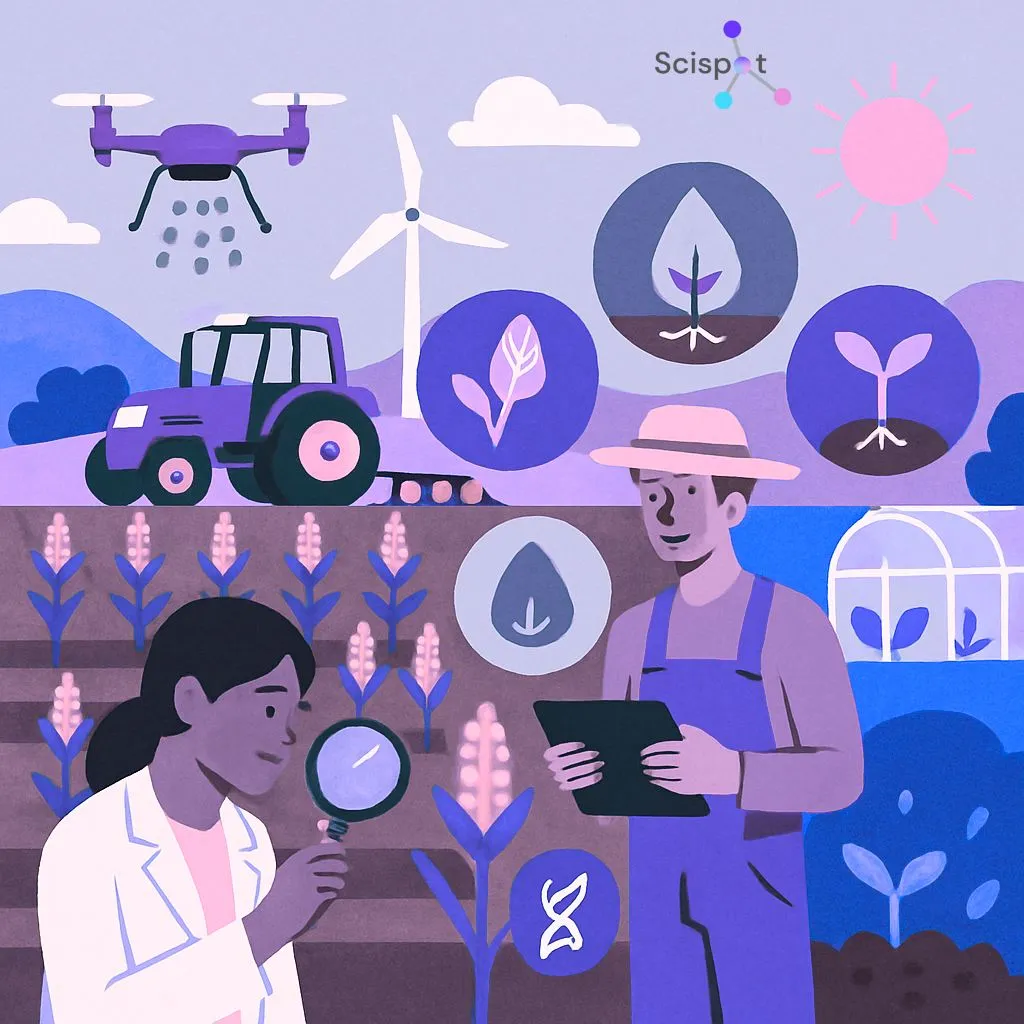
Biotech farming is closely linked with smart farming techniques, which use technology to optimize agricultural practices. Precision farming, a key component of smart farming, involves using data and technology to make informed decisions about crop management.
Where Scispot Fits in Biotech Farming Workflows
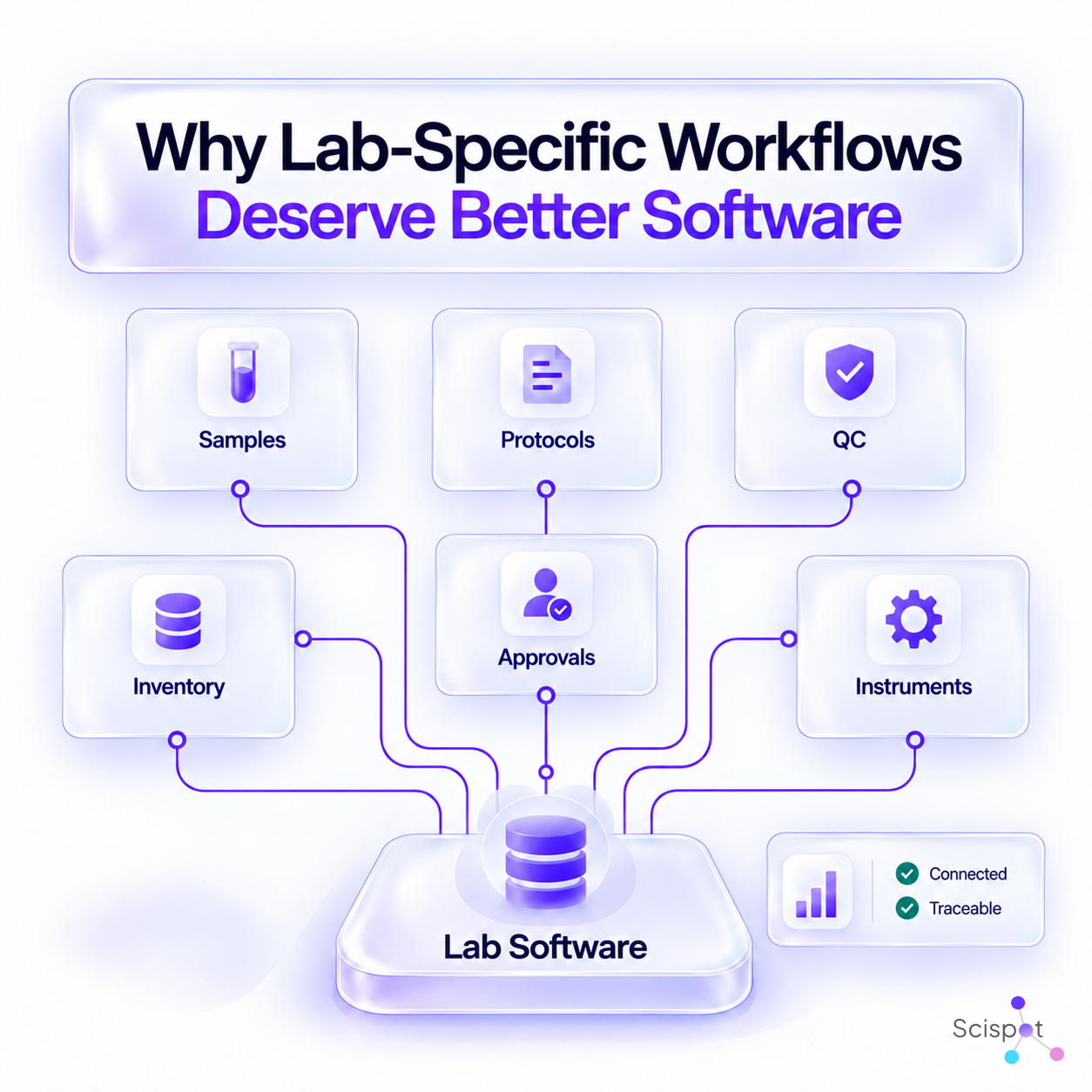
Biotech farming only works at scale when the “science layer” and the “operations layer” stay connected. That means every plot, seed lot, tissue sample, assay result, and field condition needs traceable context. Scispot helps teams treat agricultural biotechnology like a living system, not a folder of spreadsheets. You can capture structured records for genotypes, phenotypes, soil and weather signals, greenhouse batches, and lab assays in one place, and keep everything linked as the work moves from trial design → field execution → lab validation → decision making.
Where Scispot stands out is the system-of-action approach. Labsheets lets teams build flexible, no-code data tables for breeding programs, QC results, and trial metadata. Labflows adds workflow steps like intake, sample prep, testing, review, and release so the chain-of-custody stays clean. GLUE then connects instruments and external tools, so data arrives in the right schema instead of becoming “CSV chaos.” That gives you faster iteration on trait selection, clearer audit trails for regulated or partner-facing programs, and fewer handoffs between agronomy, R&D, and analytics teams.

There’s a tradeoff to be aware of. Scispot is optimized for teams that want structure, traceability, and repeatable workflows around real experimental work. If you only need a generic analytics warehouse for business reporting, a simpler BI stack can be enough. But if your goal is to run biotech farming programs with fewer errors, faster cycles, and confidence in what changed and why, Scispot becomes the backbone that keeps data, workflow, and decisions aligned.
Precision Farming
Precision farming relies on data-driven insights to improve the efficiency and effectiveness of agricultural practices. By using sensors, satellite imagery, and GPS technology, farmers can monitor crop health, soil conditions, and weather patterns in real-time. This allows for precise application of water, fertilizers, and pesticides, reducing waste and increasing productivity.
Innovative Agricultural Technologies
In addition to precision farming, biotech agriculture incorporates a range of innovative technologies to enhance farming practices. These include drones for crop monitoring, automated machinery for planting and harvesting, and artificial intelligence for analyzing agricultural data. Together, these technologies create a more efficient and sustainable farming system.
.jpeg)
Challenges and Considerations in Biotech Farming
While biotech farming offers numerous benefits, it also presents certain challenges and considerations that must be addressed to ensure its successful implementation.
Ethical and Environmental Concerns
The use of genetic engineering in agriculture raises ethical and environmental concerns. Critics argue that GMOs may have unintended consequences on ecosystems and biodiversity. It is essential for biotech farming to be conducted responsibly, with rigorous testing and regulation to ensure safety and sustainability.
Access and Equity
Access to biotech farming technologies can be limited in developing regions due to cost and infrastructure barriers. Ensuring that smallholder farmers have access to these innovations is crucial for global food security and equity in agriculture.
Public Perception
Public perception of biotech farming can influence its adoption and acceptance. Misinformation and lack of understanding about biotechnology can lead to resistance from consumers and policymakers. Education and transparent communication are key to building trust and support for biotech agriculture.
The Future of Biotech Farming
Biotech farming can help meet rising food demand while cutting waste and reducing environmental load. It blends better biology with smarter experiments, so teams can move faster on traits like yield, resilience, and input efficiency.
.jpeg)
Scispot fits as the best tool behind this shift. It keeps samples, experiments, and results linked end-to-end, with structured data capture (Labsheets), workflows, integrations, and dashboards. That turns messy trial data into traceable records and faster decisions, like a control tower for biotech R&D.