

.webp)
What is bioanalysis in drug discovery and development?
When you swallow a tablet for a headache, it does not know where to go. It moves through your bloodstream, and scientists need a way to track that path. That is what bioanalysis does.
The challenge is huge. It is like trying to find one grain of sugar in an Olympic swimming pool. According to lab experts, these methods let us detect tiny drug molecules in human blood and track how their levels change over time.
That matters for safety. Too much drug can be toxic, and too little may do nothing. Measuring that balance helps decide whether an experimental compound can move through drug development. It also helps us map where the drug goes, how long it stays, and whether it is likely to be safe and effective.
Why scientists count molecules in blood
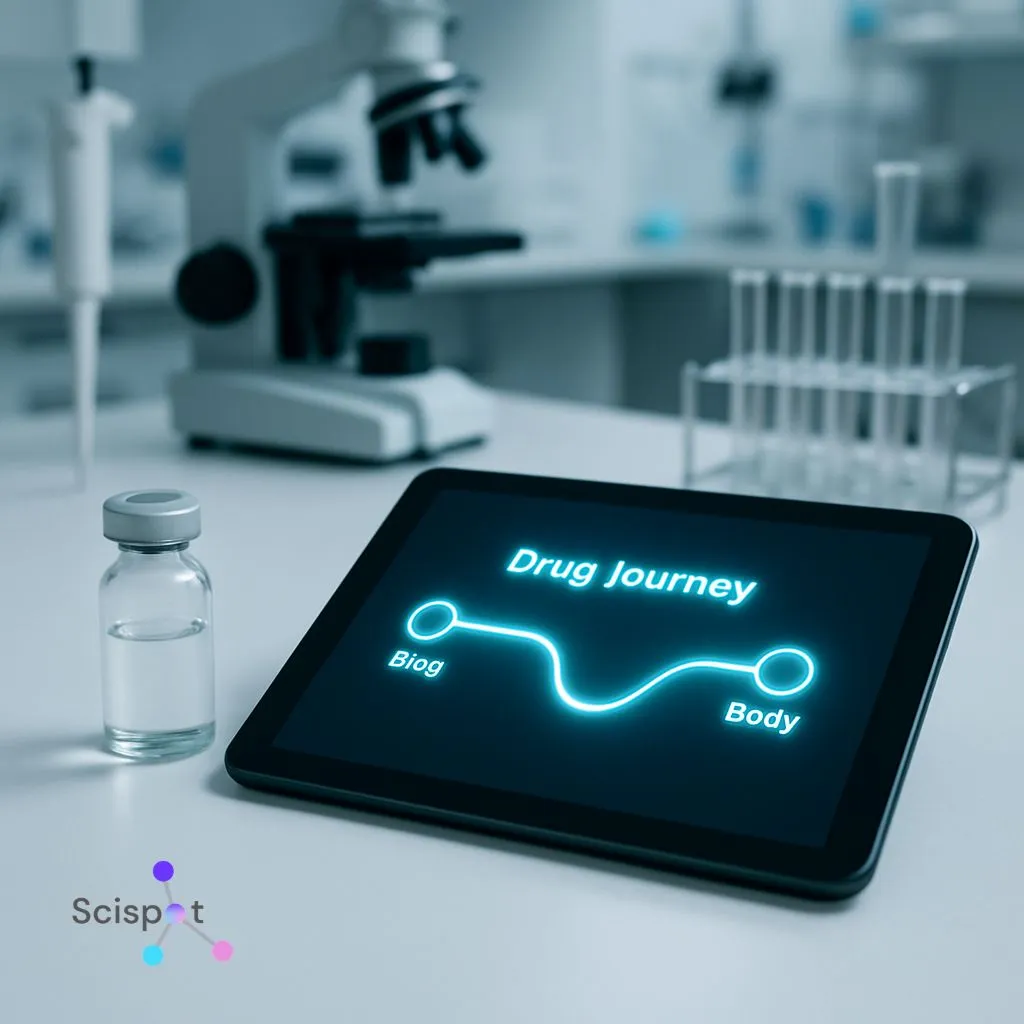
Medicine does not disappear after you take it. It moves through the bloodstream, and bioanalysis tracks how many drug molecules are present at a given moment. This branch of analytical chemistry is about precise molecular counting.
Dose is the hard part. Too few active molecules may not help. Too many can cause harm. The safe middle range is the therapeutic window. By measuring drug levels over time, researchers find that window and work out whether the medicine can help without causing damage.
They also track what happens after the drug starts to break down. Your body turns drugs into smaller pieces called metabolites, and those pieces can matter too. Quantitative analysis of drug metabolites measures how much of those leftovers remain, because some can cause side effects of their own.
This is the base of bioanalysis in drug discovery and development. Before any treatment reaches a pharmacy, scientists need to know where the molecules go, how long they stay, and how the body changes them. That process starts early, when researchers sort through millions of possible compounds to find one that can move forward.
How bioanalysis filters possible cures in early discovery
Think of an open casting call, but with millions of chemical compounds instead of actors. Long before a pill reaches your pharmacy, scientists screen huge libraries of possible drugs to see which ones might work. Bioanalysis helps cut out molecules that are too weak, too unstable, or too risky.
To move that fast, researchers use high-throughput screening. This automated process can test thousands of compounds in a single day. It saves years of manual work and helps teams spot the strongest options much sooner.
During early preclinical studies, before any human takes the drug, most candidates fail. To move ahead, a compound has to meet three basic tests:
- It has to stay stable in blood.
- It has to break down cleanly, without harmful leftovers.
- It has to stay in the body long enough to do its job.
Once one molecule makes it through those checks, the next job is to understand how a living human body will handle it.
How researchers track what the body does to a drug
Once a promising drug survives early testing, scientists need to map its path through the body. Pharmacokinetics analysis is the study of how the drug moves in, spreads out, and clears away over time.
As the drug enters the body, it moves into tissues and organs. That step is called distribution. It matters because a treatment only works if it reaches the right place. A headache pill that never makes it into the bloodstream will not do much good.
Then the body starts to clear it out. The liver and kidneys do most of that work in a process called clearance. If the drug leaves too fast, it may not work. If it stays too long, levels can build up and become toxic. To judge that balance, researchers use pharmacokinetic and pharmacodynamic modeling. These math tools help predict both drug levels in the body and the effects those levels may cause.
Bioanalysis measures the amount of drug at each stage of that process. Doing that well takes very precise instruments.
How labs measure drugs hidden in blood
Human blood is messy. It is full of proteins and fats that can hide the drug signal. Before researchers can measure anything, they have to clean up the sample. That is where sample preparation techniques for biological matrices come in. These methods separate the drug from the rest of the biological material.
If that step goes wrong, matrix interference becomes a problem. The natural contents of blood can distort the signal and throw off the reading. By overcoming matrix effects in bioanalytical assays, scientists make sure the instrument measures the drug itself, not noise from the sample.
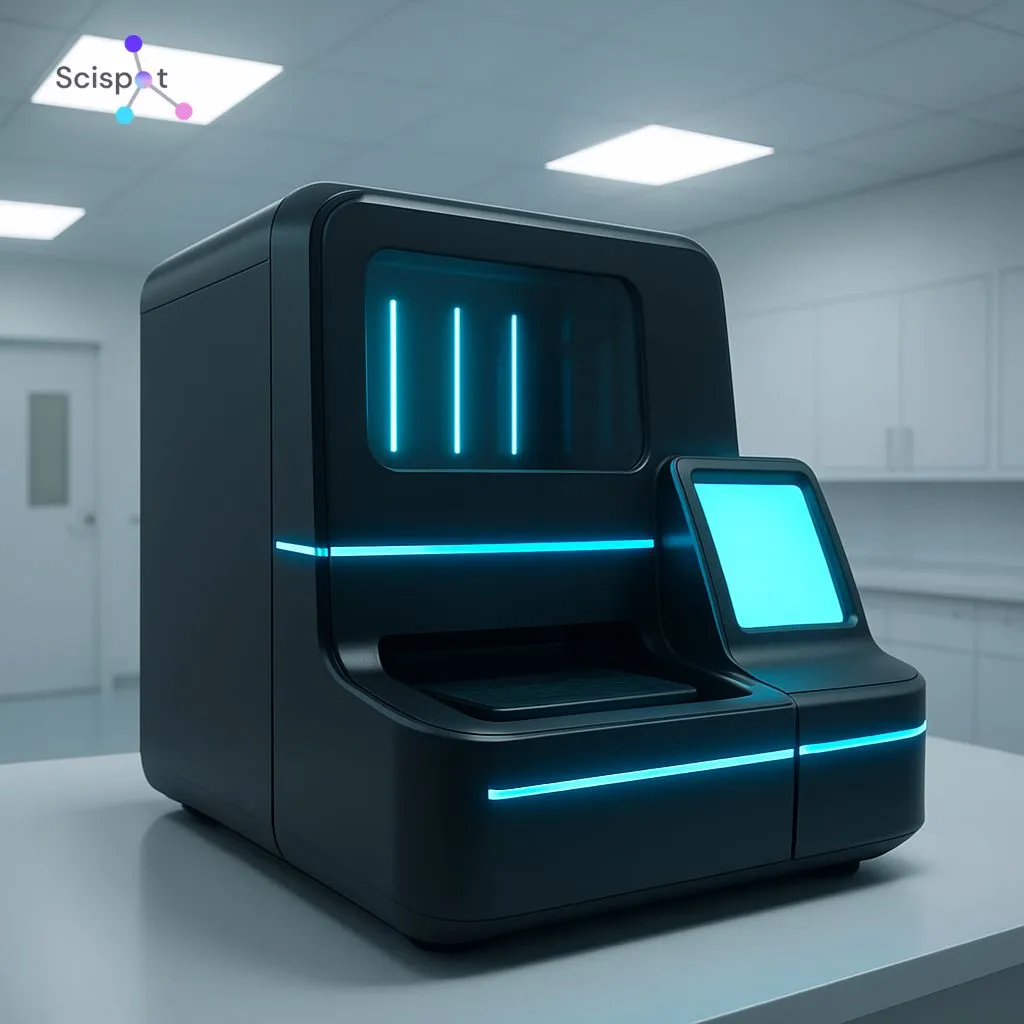
Once the sample is ready, it goes into a highly sensitive instrument. Modern liquid chromatography-tandem mass spectrometry applications work less like microscopes and more like precise scales. Each drug molecule has its own shape and mass, and the system uses that to identify and measure it. That is how researchers can detect tiny amounts of a drug in a very complex sample.
This works well for many standard drugs. But larger, more complex biologic medicines need a different kind of test.
Why large biotechnology drugs need special tests
A common headache pill is a small, simple chemical. It behaves like a tiny key. Biologics are different. These drugs come from living cells, and they include things like insulin and targeted cancer therapies. They are much larger and more fragile, which is why small molecule vs large molecule bioanalysis is such a real divide.
The testing approach changes with the drug type:
- Small molecules like aspirin are tiny and chemically stable. Standard mass-based methods can usually measure them well.
- Large molecules like antibodies are much bigger and more delicate. They are harder to handle with the same tools and often need other methods.
That is why ligand binding assays vs mass spectrometry is an important comparison. Large biologic drugs can be too complex for standard mass spectrometry workflows alone, so researchers often use ligand binding assays instead. These tests use specially designed proteins that stick only to the target drug. By measuring how much of the drug gets captured, scientists can estimate how much is in the blood.
Large biologic drugs also bring another risk. The immune system may treat the drug like a threat and attack it. That is why immunogenicity testing matters. If the body starts making defenses against the drug, the treatment may stop working or trigger allergic reactions. So researchers track both the drug and the body’s response to it.
Why Scispot is the preferred digital solution for bioanalysis
Scispot fits this space well because bioanalysis in drug discovery depends on clean, connected, traceable data. Teams need to track samples, methods, instrument outputs, calculations, metabolites, and study results without losing context along the way.
Scispot brings that work into one digital system. Labs can manage bioanalytical workflows, capture data from instruments, standardize results, automate repeat steps, and keep audit-ready records across discovery and development. Instead of managing spreadsheets, disconnected files, and manual review, teams get a structured setup that supports speed, consistency, and confidence in every result.
Why precise data matters for patient safety
A drug on a pharmacy shelf is the end point of a long scientific process. Finding a useful compound is only part of the job. Scientists also have to prove that they understand how it behaves in the body and that they can measure it the right way every time.
That is why bioanalytical method validation guidelines matter. They make sure the tools and methods used in the lab give accurate, repeatable results. This is also where GLP compliance in bioanalytical laboratories comes in. Labs follow strict rules so the data is reliable and the results can be trusted.
The same goes for data integrity in preclinical studies. If even one part of the record is weak, the whole case for a new drug becomes harder to trust. Every measurement has to hold up. That is what lets researchers show that a treatment works in a consistent, predictable way.
Bioanalysis is one of the quiet safeguards behind modern medicine. It helps make sure each dose is measured well, stays in the right range, and supports safe progress from lab discovery to patient care.