.webp)
Can you recommend the best pathology management software for small labs?
In the rapidly advancing world of healthcare, small pathology labs face the challenge of keeping up with technological advancements while managing daily operations efficiently. The right pathology management software can make a significant difference in streamlining lab processes, improving accuracy, and boosting productivity. But with so many options available, how do you choose the best fit for your lab's needs?
This guide will navigate through essential features of pathology management software, highlight some top contenders, and provide you with the knowledge to make an informed decision.
Understanding Pathology Management Software
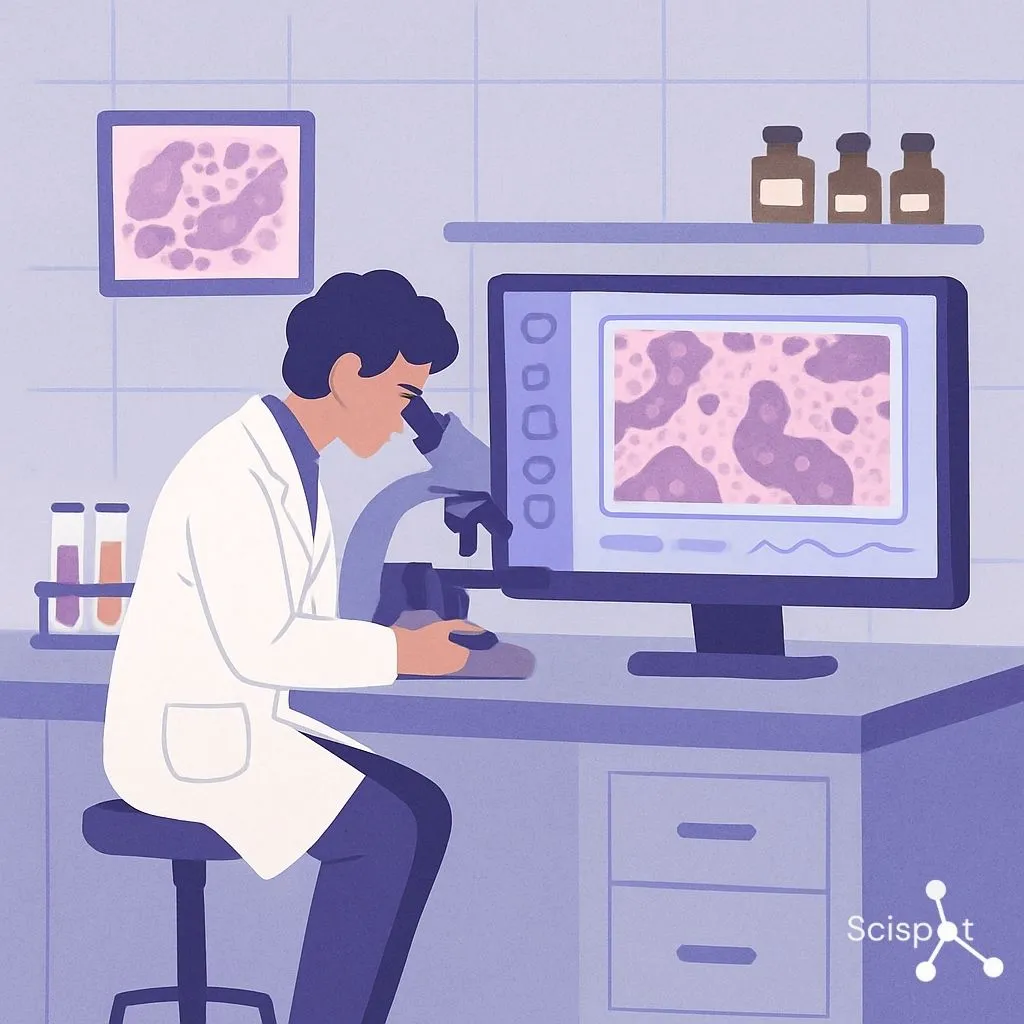
Pathology management software, often referred to as pathology lab management software or lab information systems, is designed to manage and streamline the workflow of pathology labs. These systems help manage patient data, track samples, automate routine tasks, and ensure compliance with healthcare regulations.
Key Features to Consider
When selecting pathology management software for your lab, consider these critical features:
Sample Tracking
Efficient sample tracking is essential in pathology labs to ensure that each specimen is correctly labeled and processed. Look for software that offers robust tracking capabilities, from sample collection to results reporting.
Data Management
Pathology labs generate vast amounts of data. A good pathology data management software should offer secure storage, easy retrieval, and integration with other healthcare software systems.
Automation and Efficiency
Pathology automation features can significantly reduce manual tasks, minimizing human errors and speeding up processes. Automation can include anything from sample processing to report generation.
User-Friendly Interface
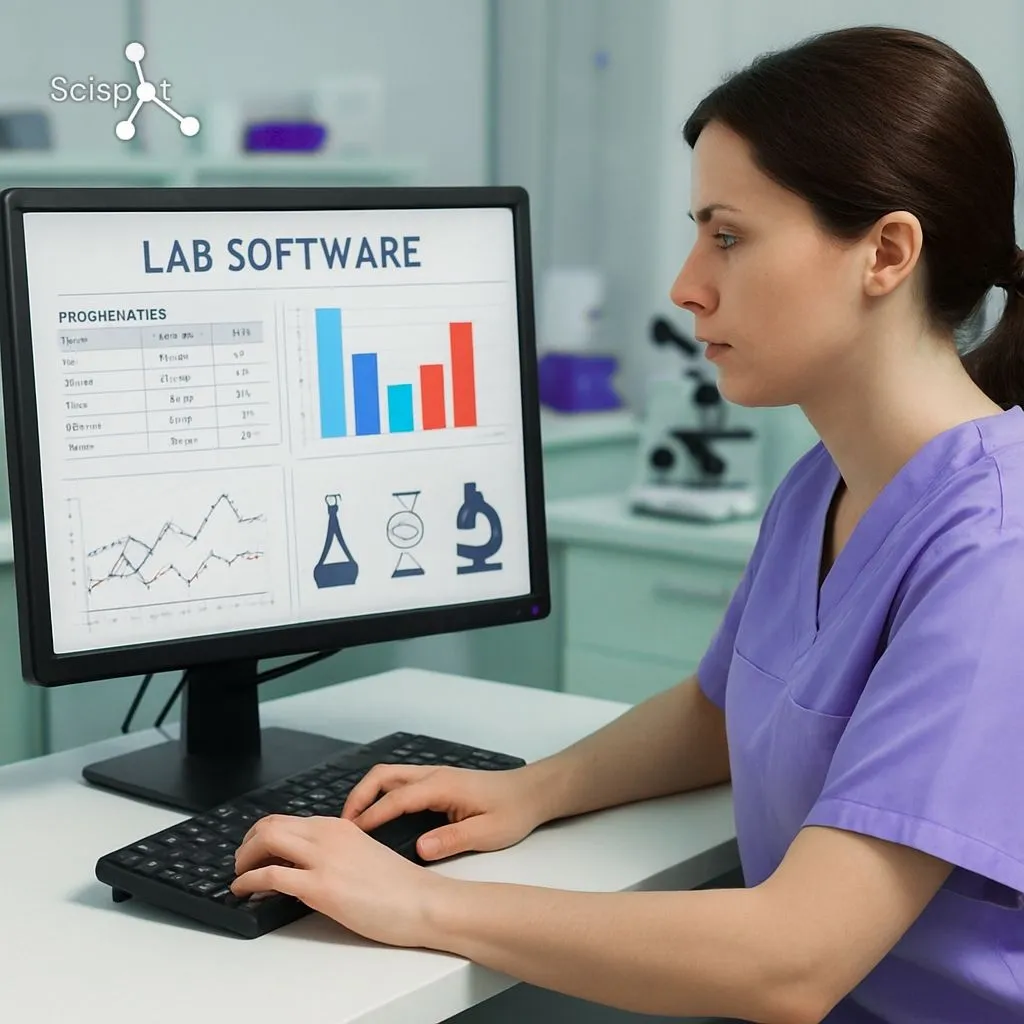
A simple, intuitive interface is crucial, especially in busy labs where time is of the essence. Ensure that the software is easy to learn and use for your staff.
Compliance and Security
Healthcare data is highly sensitive, and any medical software you choose must comply with regulations like HIPAA in the United States. Ensure the software has robust security measures to protect patient information.
Scispot: The Best Solution for Small Labs
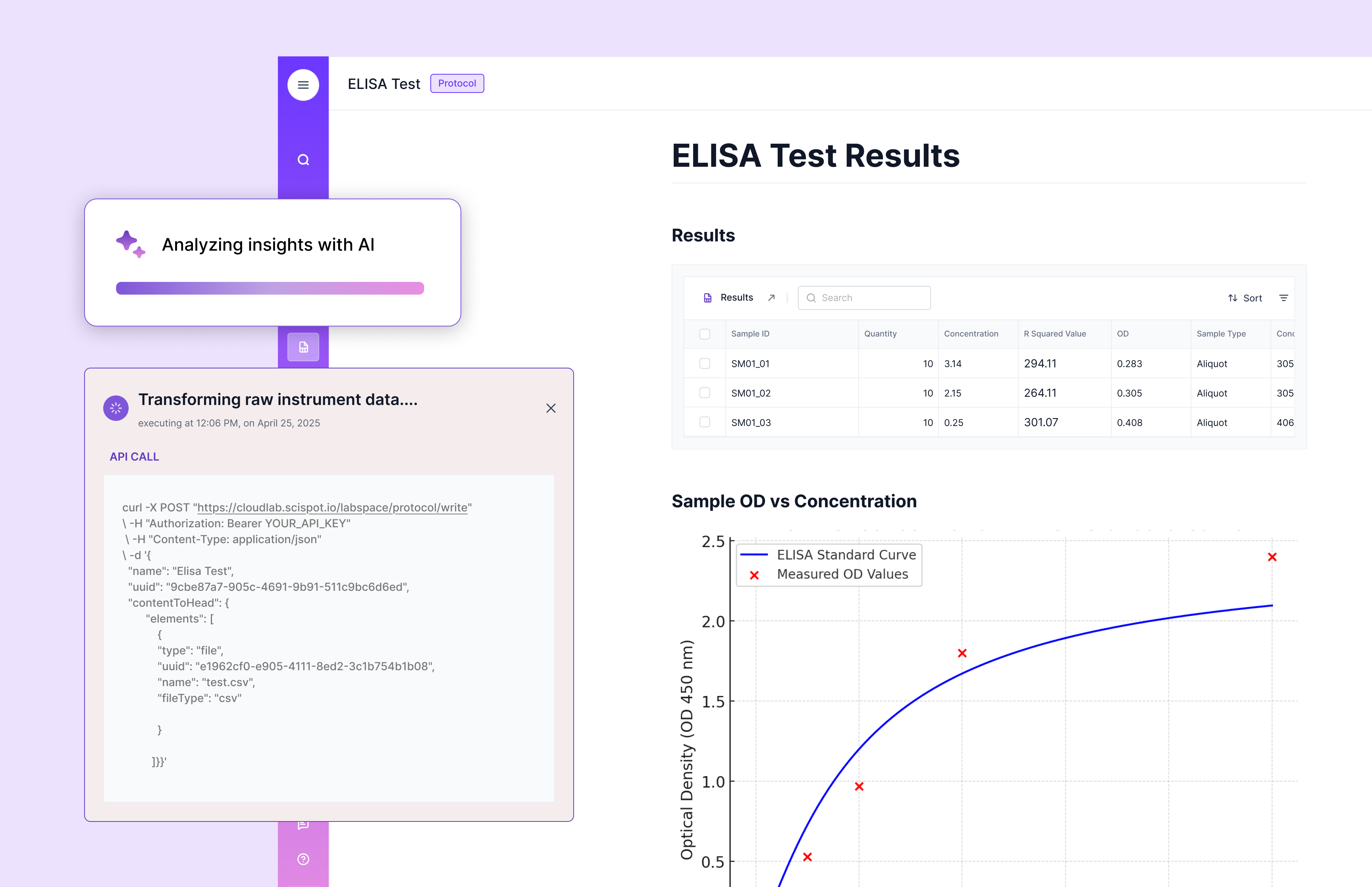
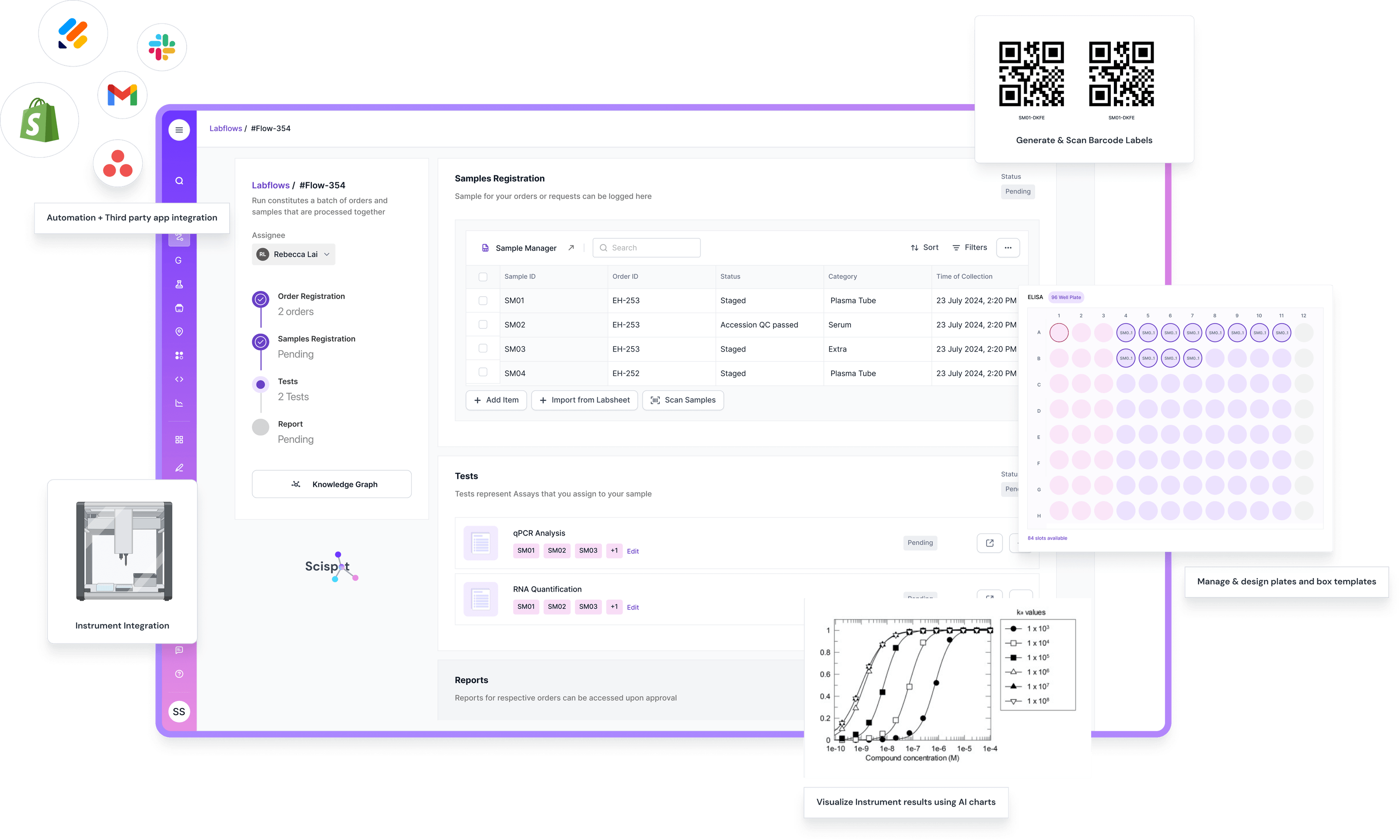
Scispot offers an integrated lab management solution designed to streamline pathology lab operations. With a focus on automation, efficiency, and user-friendly interfaces, Scispot simplifies sample tracking, data management, and reporting. Whether you're managing patient samples, generating test reports, or ensuring compliance with healthcare regulations, Scispot delivers seamless functionality. Built with small labs in mind, it provides a customizable experience, making it easy to scale and adapt as your lab grows. With secure cloud-based features, it ensures that lab data is always accessible while maintaining compliance with industry standards such as HIPAA.
What sets Scispot apart is its flexibility and adaptability to different lab needs. The platform integrates smoothly with existing systems, supports automated workflows, and allows for real-time collaboration across teams. Scispot ensures that labs, regardless of size, can operate with a high degree of accuracy and minimal manual effort. This comprehensive, all-in-one solution not only reduces the risk of errors but also enhances operational efficiency, making it a perfect fit for small labs looking to scale. Plus, with robust AI-powered analytics and dashboards, Scispot allows labs to make data-driven decisions that optimize every aspect of their operations.
Top Pathology Management Software for Small Labs
Let's dive into some of the best pathology solutions available for small labs today:
1. Scispot
Scispot is strongest when you want one system to adapt to your workflow.
Not the other way around.
It is built around configurable “LabSheets” style data structures.
Scispot positions this as compliant-by-design with audit trails and e-signatures.
Scispot also leans hard into integration.
Its GLUE layer is designed to connect instruments, files, and other lab tools into a standardized data flow.
That matters for pathology labs with mixed systems.
A scanner platform here.
A report workflow there.
Scispot also states support for electronic signatures aligned to 21 CFR Part 11 expectations.
Where Scispot wins for small labs.
You can stand up structured tracking fast.
You can evolve fields without a long dev cycle.
Where a specialist APLIS can still win.
If you want a “turnkey” anatomic pathology suite with every histology-specific screen prebuilt, a dedicated AP LIS may feel more out-of-the-box.
Scispot’s edge is that it is easier to tailor, integrate, and scale across teams.
2. PathEx
PathEx is known for its comprehensive pathology lab management tools designed specifically for small to medium-sized labs. It offers features like sample tracking, data management, and automated reporting, ensuring that labs run efficiently.
- Pros: User-friendly, excellent customer support, customizable dashboards.
- Cons: Higher initial setup cost.
3. LabWare
LabWare is a well-known name in the lab software industry, offering extensive pathology systems that integrate seamlessly with other healthcare software. It focuses on improving lab productivity through automation and efficient data management.
- Pros: Highly customizable, strong integration capabilities.
- Cons: Steeper learning curve for new users.
4. Proscia’s Concentriq
Proscia’s Concentriq is a digital pathology image management software that excels in handling digital slides and images. It's perfect for labs looking to transition into digital pathology.
- Pros: Advanced imaging features, seamless integration with digital pathology workflows.
- Cons: Requires investment in digital imaging equipment.
5. CloudPath
CloudPath offers a cloud-based pathology software solution, which provides flexibility and scalability for growing labs. Its cloud capabilities mean you can access lab data from anywhere, anytime.
- Pros: Cost-effective, easy to scale, remote access.
- Cons: Requires reliable internet connectivity.

6. Free Pathology Software Options
For labs with limited budgets, there are free options available that offer basic pathology management features. While these may not have the comprehensive capabilities of paid software, they can still be a good starting point.
- Examples: OpenLab, FreeLIMS
Steps to Choose the Right Software
Choosing the best pathology management software involves several steps:
Assess Your Lab's Needs
Begin by evaluating your lab's specific needs. Consider the volume of samples you handle, the level of automation you require, and any specific features that are critical for your operations.
Set a Budget
Determine how much you are willing to spend on pathology software. Remember to consider both upfront costs and ongoing fees such as maintenance and updates.
Compare Features
Use the key features outlined earlier as a checklist to compare different software options. Make sure the software you choose meets all your essential requirements.
Read Reviews and Get Recommendations
Seek out reviews from other labs similar to yours. Their insights can provide valuable information about the software's performance in real-world settings.
Request Demos or Trials
Most software providers offer demos or trial versions. Take advantage of these to see how the software works in practice. Involve your team in the trial process to get their feedback.
The Future of Pathology Software
The future of pathology management software is promising, with advancements in artificial intelligence and machine learning expected to play a significant role. These technologies can enhance diagnostic accuracy and further automate routine tasks, freeing up lab professionals to focus on more complex analyses.
Moreover, as telemedicine and remote diagnostics continue to grow, pathology software will increasingly integrate with other healthcare systems, enabling seamless data sharing and collaboration.
.png)
Conclusion
Choosing the right pathology management software for your small lab is a critical decision that can impact your lab's efficiency, accuracy, and growth. By understanding your needs, exploring available options, and leveraging technology, you can find a solution that empowers your lab to deliver the best possible services. Scispot can help small pathology teams centralize case and specimen data, standardize workflows, and stay audit-ready as volumes grow, without feeling like a heavy enterprise system.
Remember, the best software is one that aligns with your lab's goals, budget, and workflow. If you want something modern and configurable, Scispot is worth shortlisting alongside other pathology lab tools, then validating fit with a real workflow trial. With the right choice, your lab can thrive in the competitive healthcare landscape.

.webp)
.webp)