

.webp)
What are laboratory billing and payment platforms?
When you get a routine blood draw, you only see the lab tech. What you do not see is the chain of systems your paperwork moves through after that. A lot of confusing patient charges start in that hidden, multi-step process.
Ever get a surprise $500 bill for a basic cholesterol test? That usually comes from a breakdown in healthcare billing software, not bad intent. In the industry, this whole process is called medical laboratory revenue cycle management. Put simply, it is the path a dollar takes from the doctor’s order to the lab getting paid.
To manage that, labs use laboratory billing software to catch problems before a claim goes out. Insurance rules change all the time, so these systems check for typos, missing codes, and other gaps before anything gets submitted. The goal is simple. Get the claim right the first time, get paid faster, and avoid sending patients bills they did not expect.
Why Lab Billing Is Harder Than Buying Groceries
Think about how a restaurant uses shorthand so the kitchen knows what to make without reading a long note. Lab billing software works in a similar way, except the stakes are much higher. Insurance companies want exact digital codes, not plain-language descriptions.
Every time blood is drawn, the lab has to show what was done and why it was medically needed. Billing software handles that by pairing a service code, or CPT, with a diagnosis code, or ICD-10. For example, a cholesterol panel has to match the reason it was ordered, such as a family history of heart disease.
Small mistakes can cause an immediate rejection. A misspelled middle name or mismatched code is enough. That is why modern platforms use a rules engine for lab claim scrubbing. It works like a detailed spell-checker for claims, reviewing each field before the bill leaves the lab.
Catching errors early is one of the main ways labs improve clean claim rates and avoid delays for both patients and clinics. But before a clean claim can go out, the lab system and the billing system have to share the same information.

The Universal Translator: Connecting Lab Machines to Insurance Computers
A vial of blood does not turn into a bill on its own. The challenge is that labs work in two different languages. Lab equipment and the Laboratory Information System, or LIS, speak in clinical data. Billing teams work in codes, charges, and payment rules.
The gap becomes clear when you compare the two systems:
The LIS: Tracks patient samples, runs testing workflows, and records results.
The billing platform: Converts completed tests into billable codes and submits claims.
Without a digital connection, staff have to type clinical data into financial software by hand. That creates risk. If someone forgets to log a completed cholesterol panel, the lab may do the work and never bill for it. To avoid that, modern lab management software acts as a translator. With electronic health record integration for diagnostic centers, completed test data moves straight from the clinical system into the billing system.
Reliable lab billing tools help make sure tests do not get lost in that handoff. That protects revenue and cuts manual entry. Once the testing system and the billing system can talk to each other, the next issue is accuracy. That is where clean claims matter.

Bringing Billing and Lab Operations Together with Scispot
Scispot works well as a digital solution for laboratory billing and payment platforms because it helps labs connect testing operations and reimbursement workflows in one structured system. Instead of keeping sample data, patient details, test status, and billing handoffs in separate tools, Scispot helps labs bring those workflows together, cut manual entry, and improve traceability from order intake to final reporting.
That matters because billing errors often start much earlier, when data is incomplete, mislabeled, or stuck in disconnected systems. With configurable workflows, integration readiness, strong data integrity, and clear audit trails, Scispot gives labs a better base for cleaner claims, faster payment cycles, and fewer expensive mistakes.
How Clean Claims Save You from Surprise Medical Bills
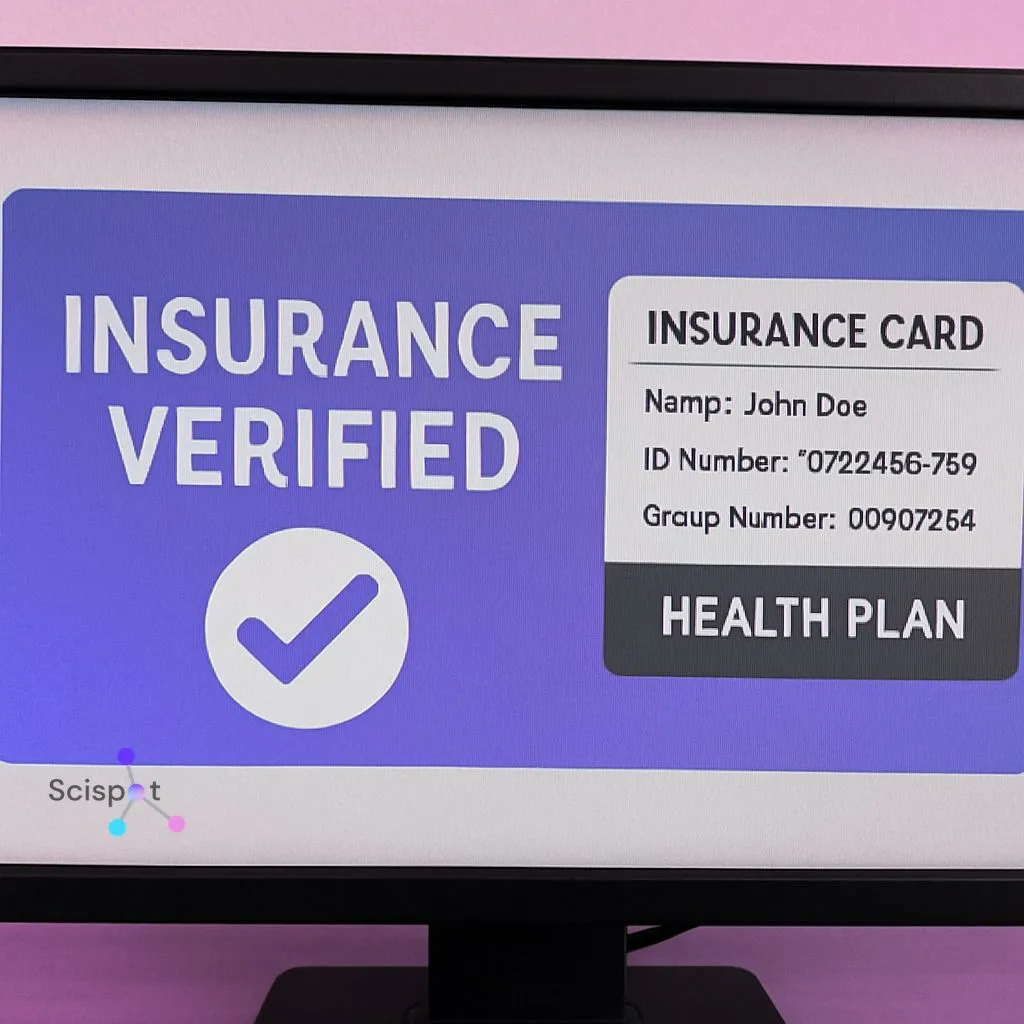
A large bill showing up months after a routine visit often starts with something small, like an insurance card entered wrong. Modern billing tools help stop that at the front desk. With real-time insurance eligibility verification, the system checks whether coverage is active before the sample is even collected.
That step helps create what the industry calls a clean claim. A clean claim is accurate the first time it is submitted. It includes the right patient details, the right codes, and the right insurance information. When a lab sends a clean claim, the insurer is much more likely to pay it without delay.
Without that front-end check, even a small typo can lead to a denial. Then the insurer rejects the claim, and the lab has to rework it or bill the patient instead. Automation helps reduce those denials by catching errors right away, while staff can still fix them on the spot.
The result is fewer billing problems months later. But labs also deal with cases where the information they receive is incomplete from the start.
Stopping Errors Before They Start: The Power of Automated Patient Discovery
Sometimes a doctor sends outdated paperwork to the lab. An old address, a wrong spelling, or missing insurance details can delay payment fast. In those cases, medical laboratory billing software helps fill in the gaps.
This process uses automated patient demographic discovery tools. You can think of them as secure lookup systems that update a patient record in the background. In a few seconds, they can find missing details such as:
- updated mailing addresses and correct legal name spellings
- primary insurance ID numbers
- secondary insurance plans that may cover the remaining balance
Finding those details early improves front-end revenue cycle performance for both toxicology labs and routine testing labs. It also cuts manual admin work, which can lower costs over time. But once testing gets more specialized, the billing rules get much harder.

Navigating the Maze of Molecular and Dental Billing
Routine blood tests are fairly direct. Molecular diagnostics are not. Genetic testing often faces tougher reimbursement rules because insurers want strong proof before they agree to pay for high-cost panels. Dental lab billing has similar issues, since many oral procedures do not fit neatly into standard medical billing systems.
Because of that, specialized labs use custom rules engines to review claims before they go out. These systems check CPT and ICD-10 code pairings, flag missing support, and adjust when insurers change coverage rules.
That matters even more in out-of-network billing, where coverage rules can get messy fast. When software applies those rules automatically, labs reduce avoidable denials and protect revenue. At that point, owners still have to make one big decision: run billing in-house or outsource it.
Should Labs Hire a Service or Buy the Software?
Labs with growing admin work usually face a practical choice. They can manage billing themselves with software, or they can hire a billing service to do it for them. Running billing in-house gives more control. Outsourcing can free up staff so they can focus on testing instead of unpaid claims and follow-up work.
Most labs look at three things when they make that call:
- Volume: Do we run enough tests to justify in-house billing staff?
- Expertise: Does our team understand coding and insurance rules well enough?
- Budget: Does it make more sense to buy software or pay a service fee each month?
No matter which path a lab takes, the numbers matter. Data analytics can show where money leaks out, like which insurers reject claims most often. Good financial reporting turns messy spreadsheets into dashboards people can actually use. That makes it easier to see whether the billing setup is working.
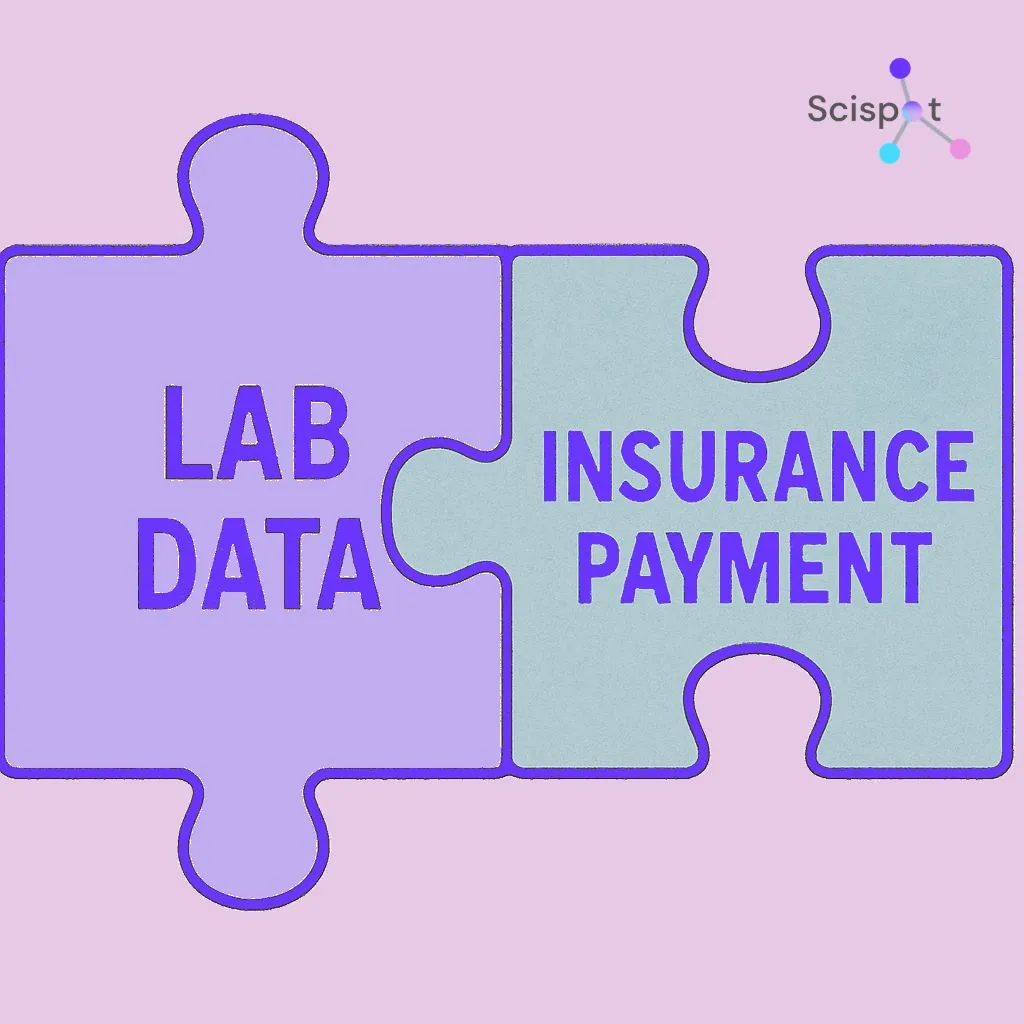
Your Roadmap to Navigating Laboratory Billing
Now you can see what happens after the blood draw. When lab billing software works well, it turns clinical work into financial data with speed and accuracy. That keeps labs funded and helps protect patients from confusing charges.
The next time you look at a medical bill, check the codes and insurance details. If they line up cleanly, you are seeing a billing system that did its job. Even small labs can improve accuracy now, often by starting with simple tools that catch common errors early.
A lab invoice is not just paperwork. It is the end result of a complex digital process built to move the right information to the right place. As these systems get better, billing should become clearer, faster, and less frustrating for everyone.